A few summers ago, I got genuinely excited about a big vegetable garden and an elaborate flower bed layout I’d seen online, and by midsummer, between work and two kids’ schedules, the whole thing had turned into an overgrown, weedy mess I felt guilty about every time I looked out the kitchen window. That experience taught me an important lesson: an outdoor space designed around an idealized amount of free time I didn’t actually have was never going to work, no matter how nice the plan looked on paper. Redesigning it around how much time I genuinely had available, rather than how much I wished I had, is what finally turned our yard into a space I enjoyed instead of one that quietly stressed me out.
A low-maintenance outdoor space doesn’t have to look sparse or uninteresting. With the right plant choices, materials, and layout decisions, it’s entirely possible to have a genuinely beautiful, inviting yard that doesn’t demand hours of upkeep every week. Here’s what actually worked for us.
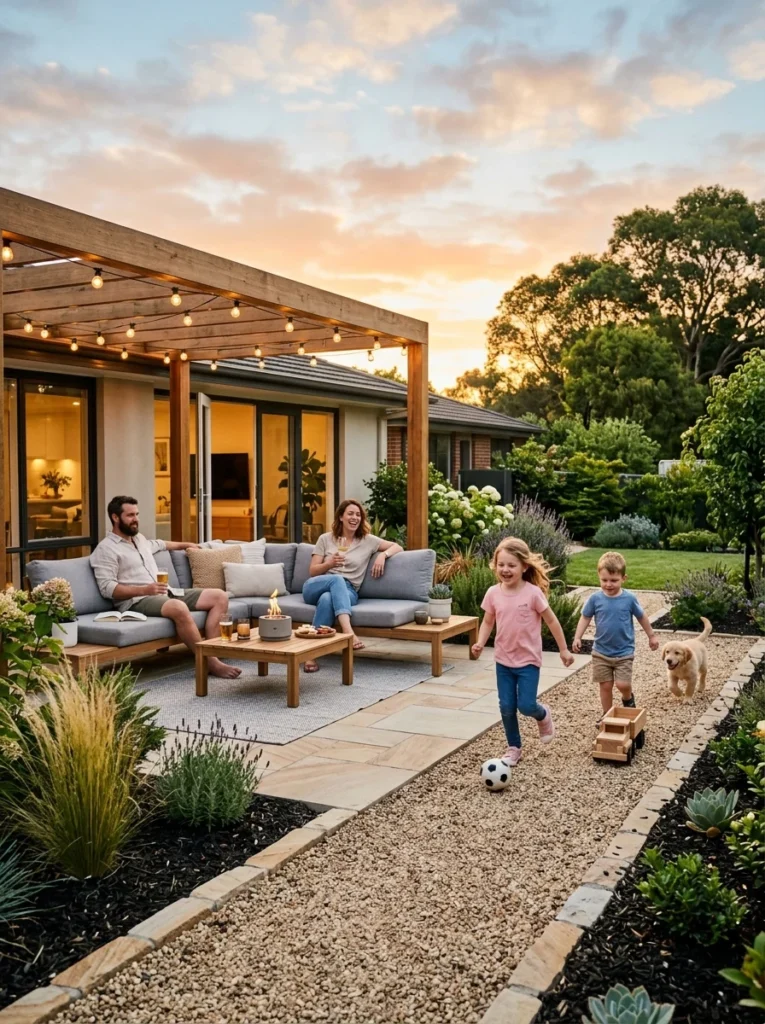
Choose native and drought-tolerant plants first
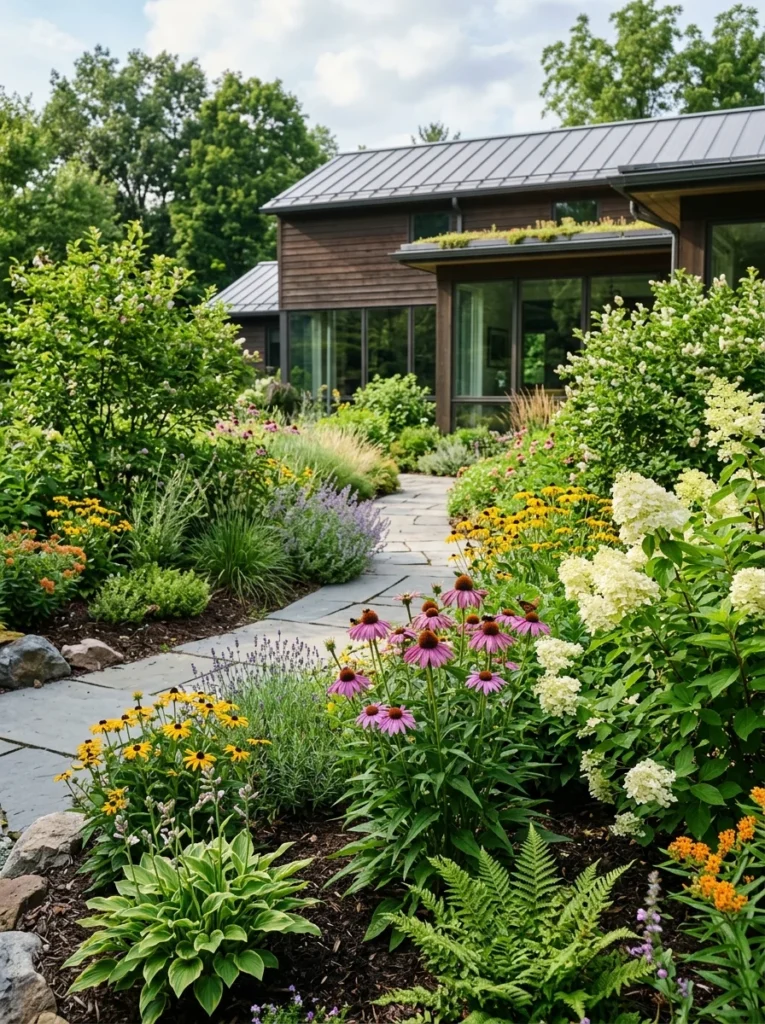
Plants native to your specific region are naturally adapted to local rainfall, soil, and temperature patterns, which means they generally need far less watering, fertilizing, and pest management than non-native plants that are constantly working against conditions they weren’t suited for in the first place. Drought-tolerant plants specifically reduce watering needs significantly, which cuts down both on active maintenance time and water costs. A quick search for native and drought-tolerant plant lists specific to your region is one of the highest-value, lowest-effort research steps you can take before ever buying a single plant.
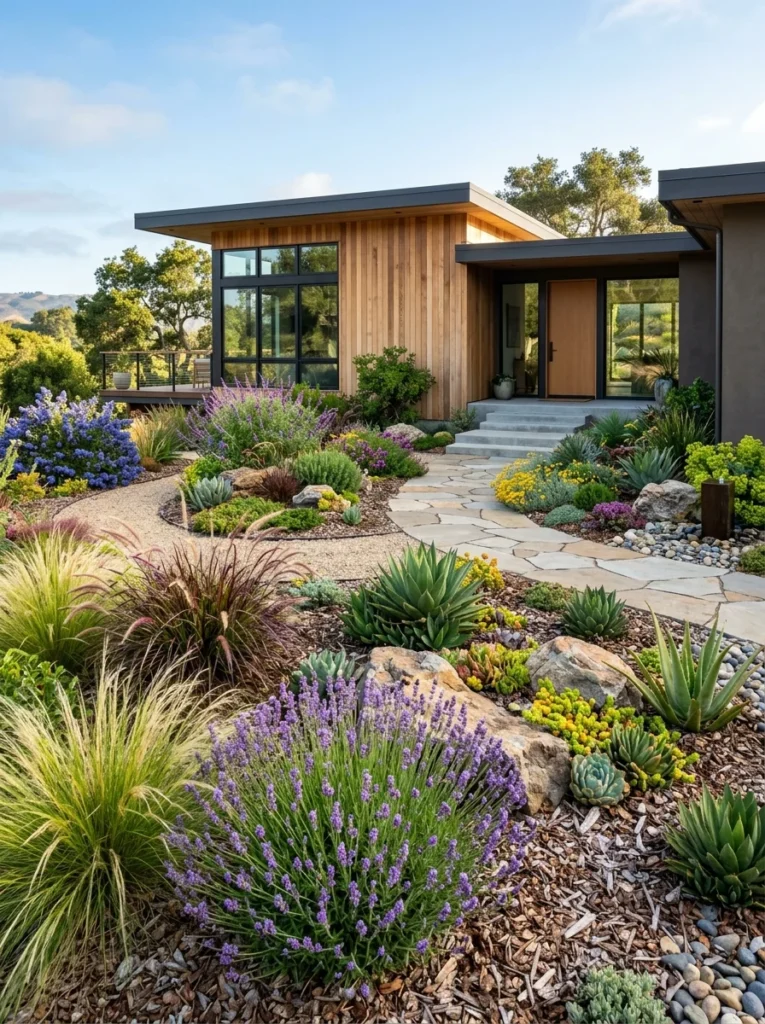
Favor perennials over annuals
Annual flowers need to be replanted every single year, which means repeated cost and repeated labor each spring. Perennials, which return on their own year after year, require planting once and then far less ongoing effort, aside from occasional dividing or pruning depending on the specific plant. Building the core of your garden beds around reliable perennials, and using annuals sparingly if at all for seasonal color accents, dramatically cuts down on yearly maintenance compared to a garden built primarily around annual flowers.
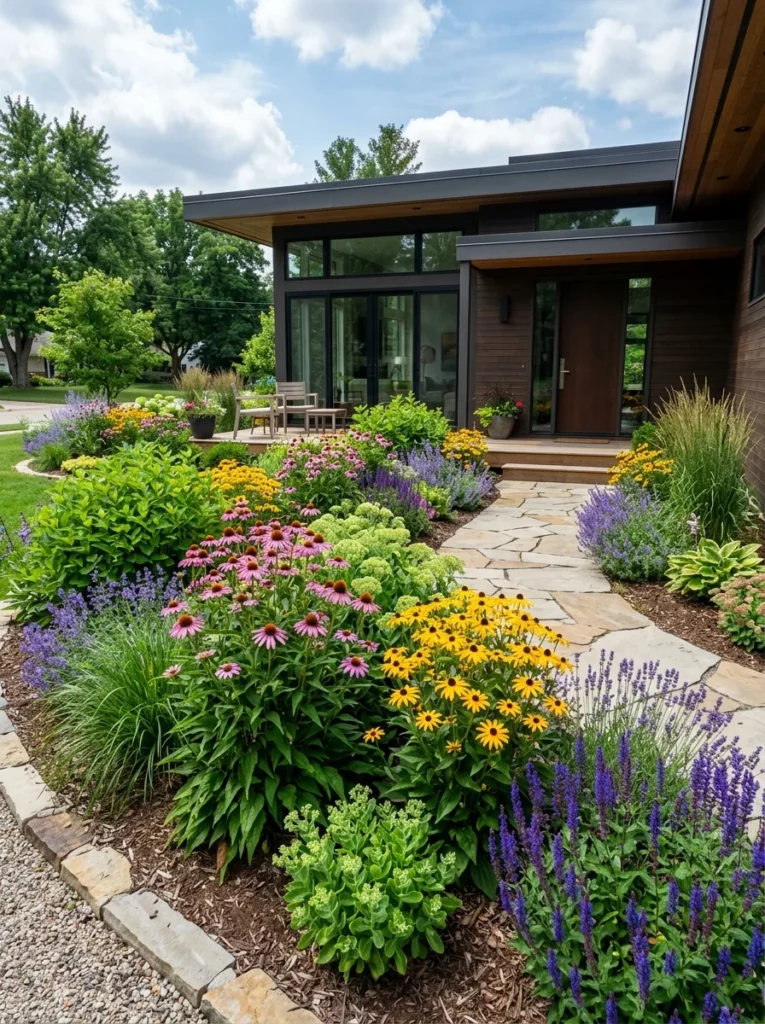
Reduce lawn area in favor of lower-maintenance groundcover
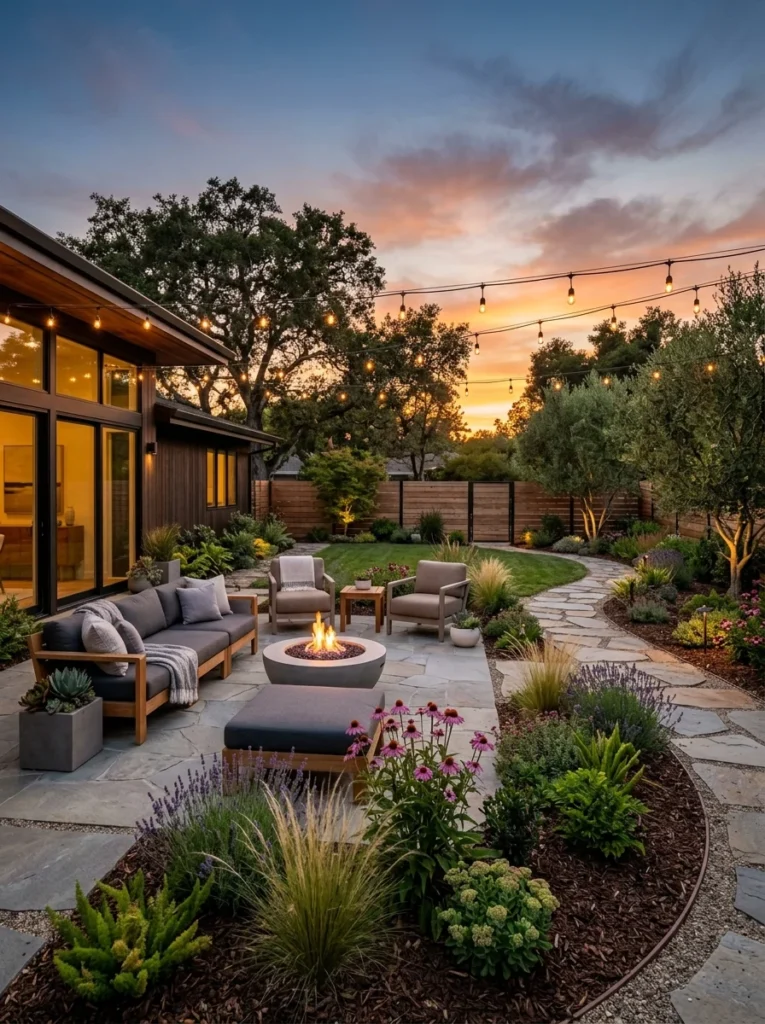
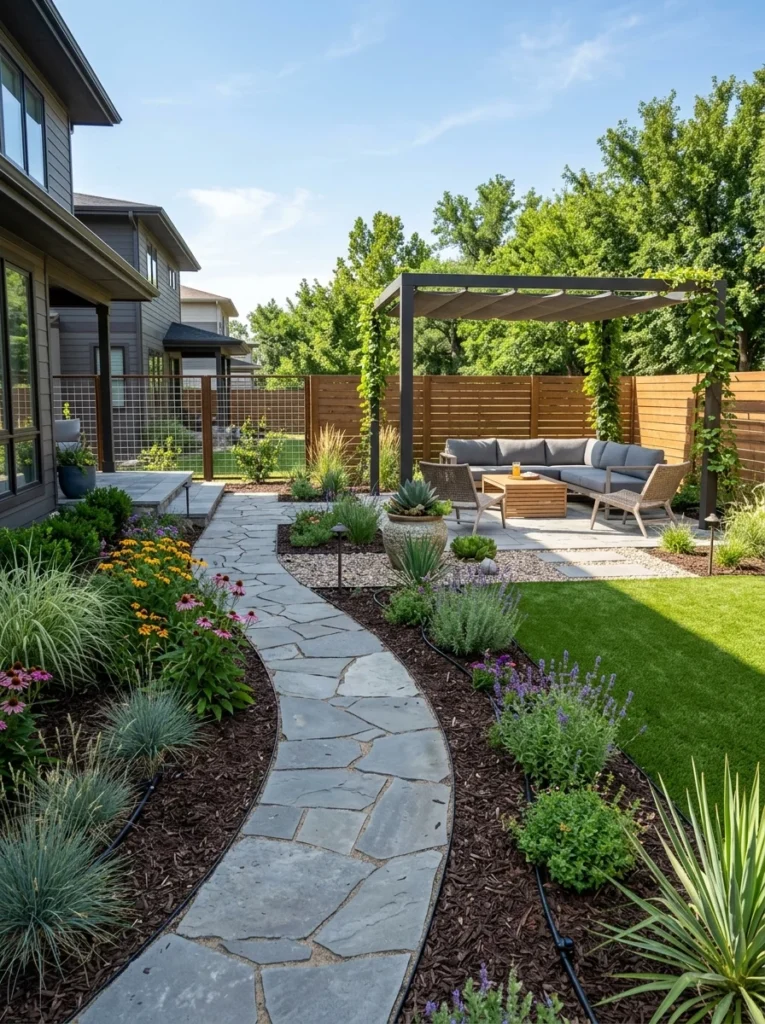
Traditional grass lawns require regular mowing, frequent watering in most climates, and periodic fertilizing to stay looking presentable, making them one of the highest-maintenance elements of a typical yard. Replacing some or all of a lawn with groundcover plants, decorative gravel, mulched beds, or artificial turf in specific areas significantly cuts down on the recurring mowing and watering that grass demands. Even reducing lawn area by a modest amount, rather than eliminating it entirely, meaningfully lowers the total weekly maintenance burden of the yard.
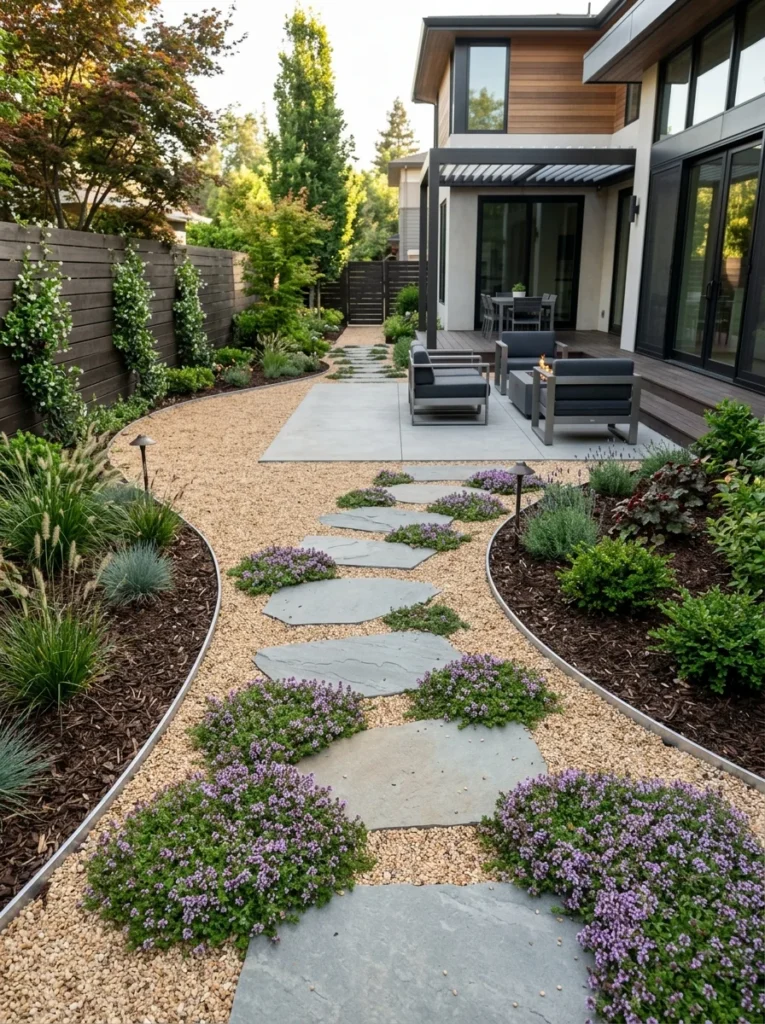
Install a simple, automated irrigation system
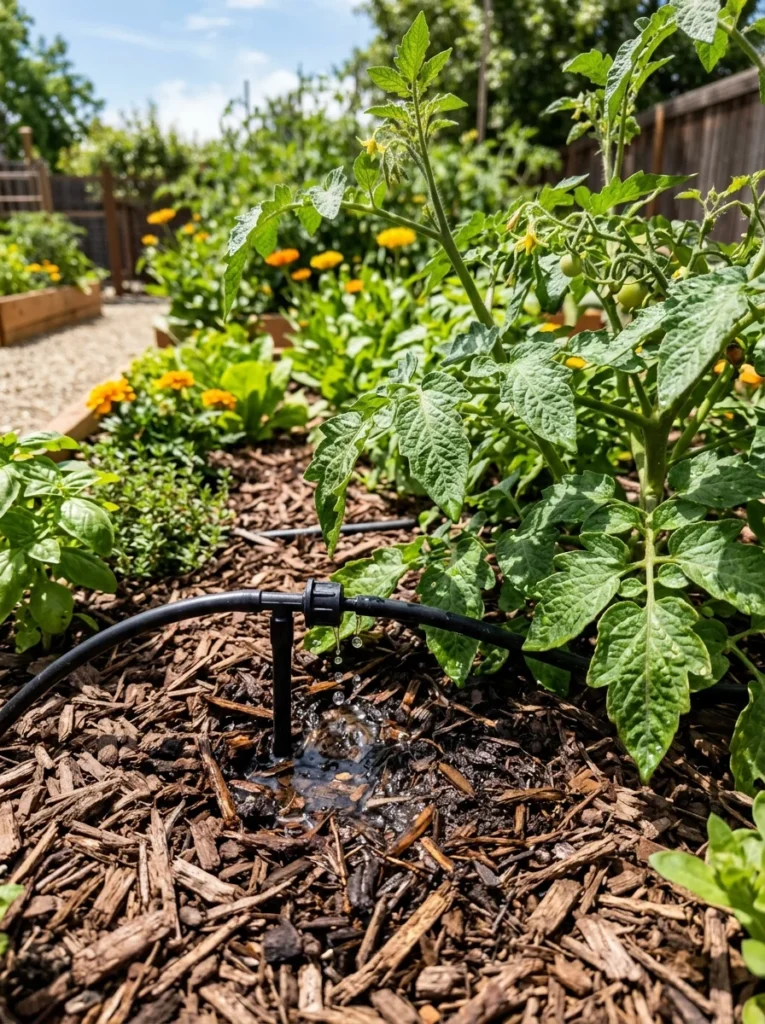
A drip irrigation system connected to a timer waters your plants consistently and efficiently without requiring you to remember or manually handle watering every day, which is often where busy schedules cause plants to suffer most. This upfront investment pays off in both reduced water waste, since drip systems target the root zone directly rather than spraying broadly, and significantly reduced daily time commitment compared to hand-watering an entire yard.
Use hardscaping to reduce the area requiring active care
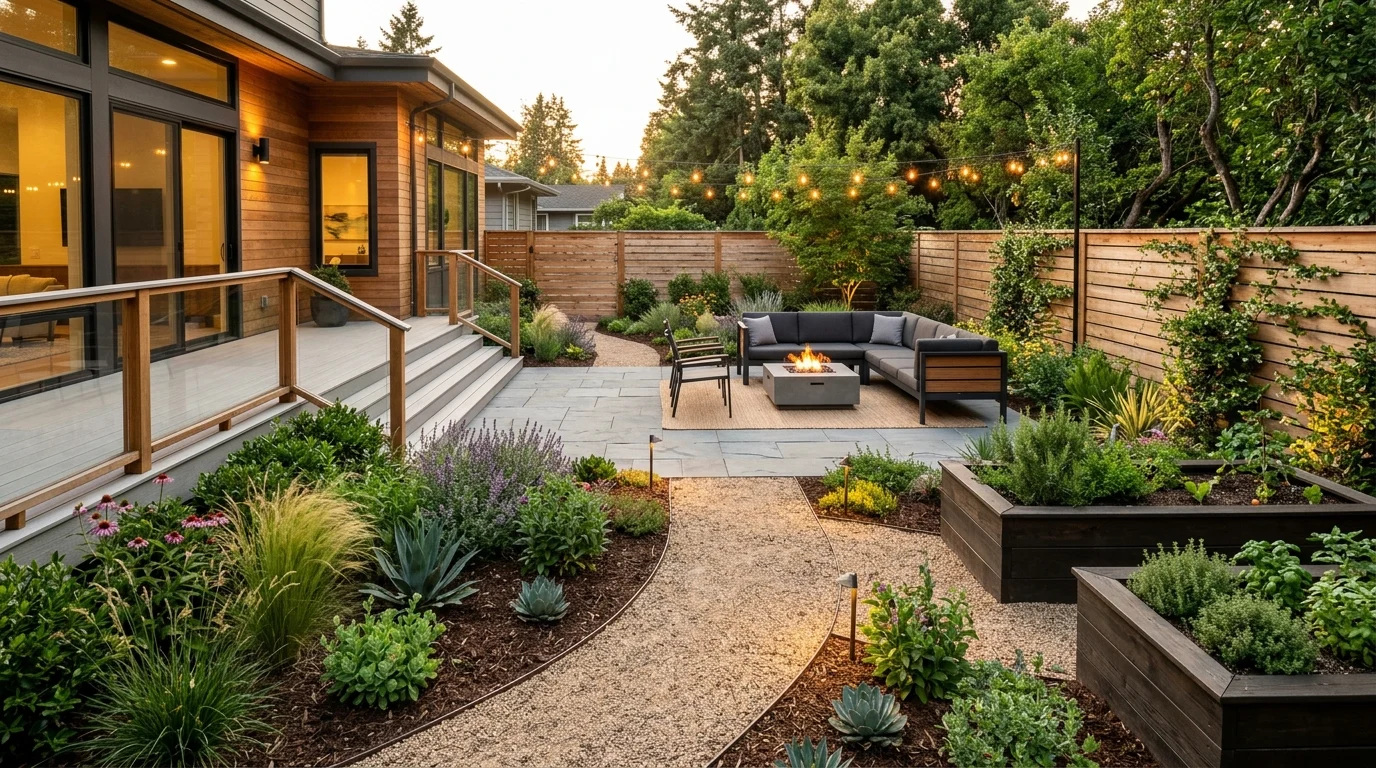
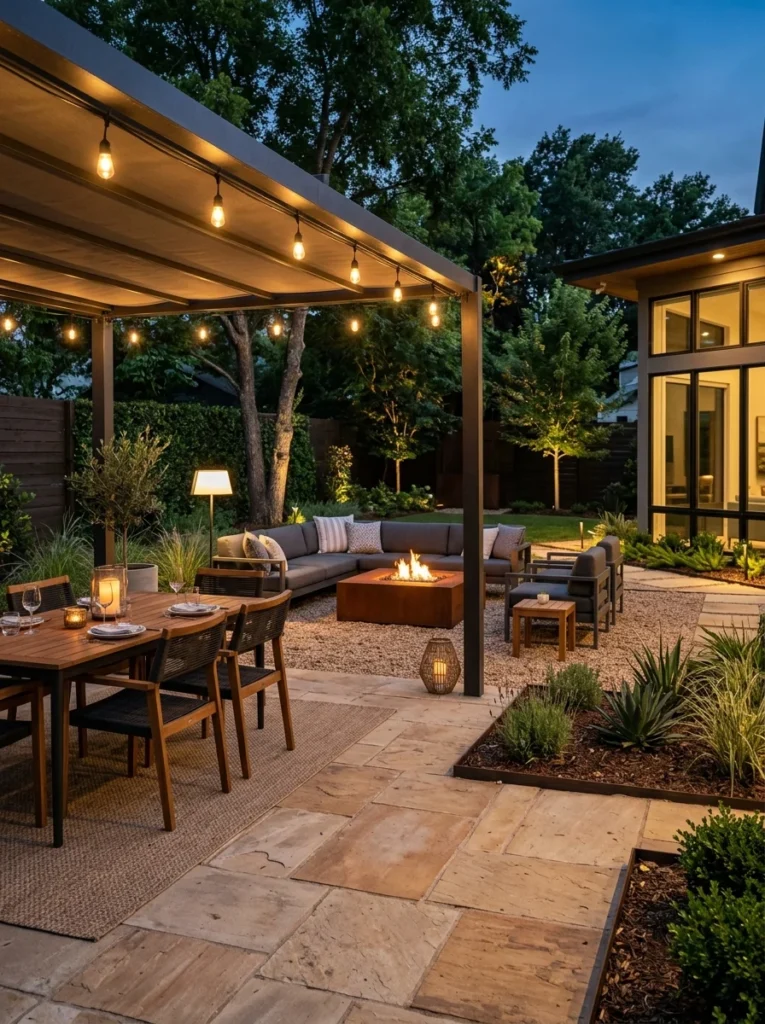
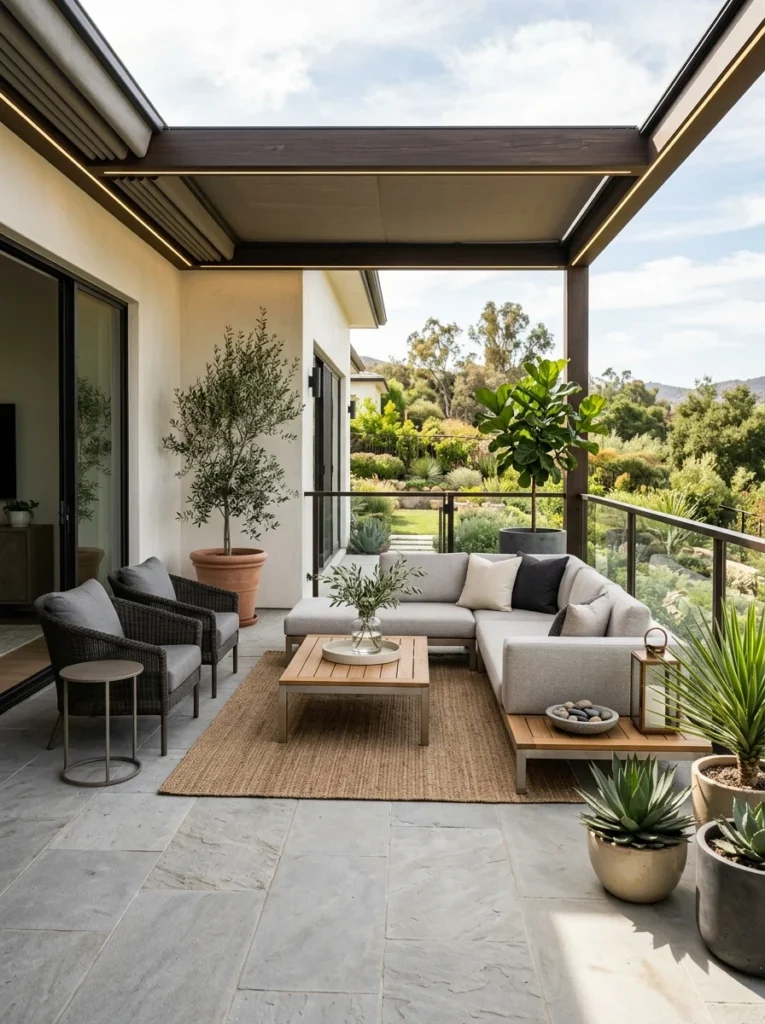
Not every part of a yard needs to be planted; incorporating a gravel seating area, a paved patio, or a simple stone pathway reduces the total square footage requiring regular weeding, watering, or mowing while still contributing meaningfully to the overall design. A larger hardscaped area paired with a smaller, carefully chosen planting area often looks just as intentional and attractive as an all-planted yard, while requiring a fraction of the ongoing upkeep.
Apply a thick mulch layer to suppress weeds
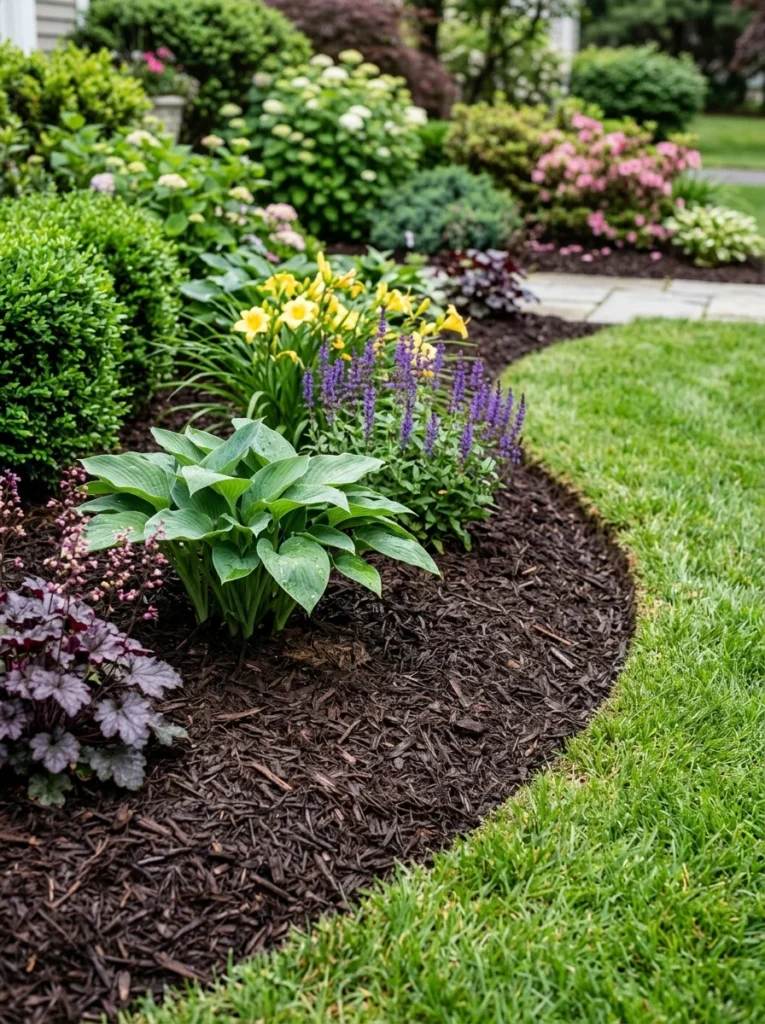
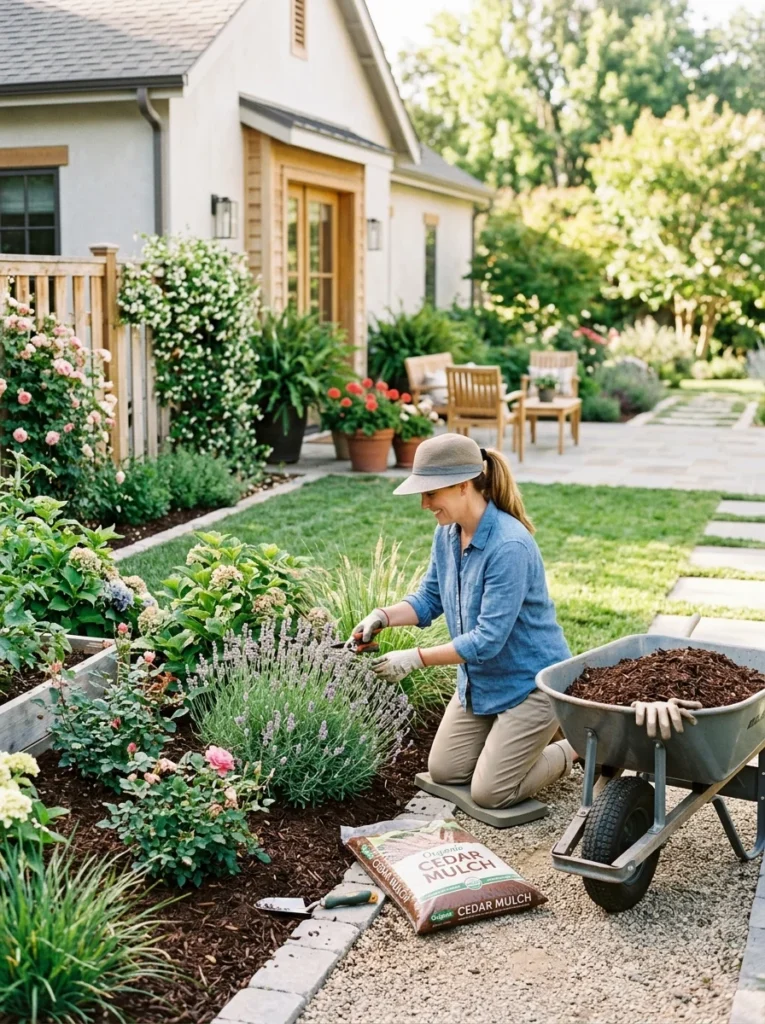
A consistent, adequately thick layer of mulch across garden beds significantly reduces weed growth by blocking sunlight from reaching weed seeds, while also retaining soil moisture, which reduces watering frequency. Refreshing mulch once or twice a year is a relatively quick task that pays off with considerably less weeding required throughout the rest of the growing season, making it one of the best time-for-effort tradeoffs available in low-maintenance landscaping.
Choose furniture and materials that don’t require seasonal care
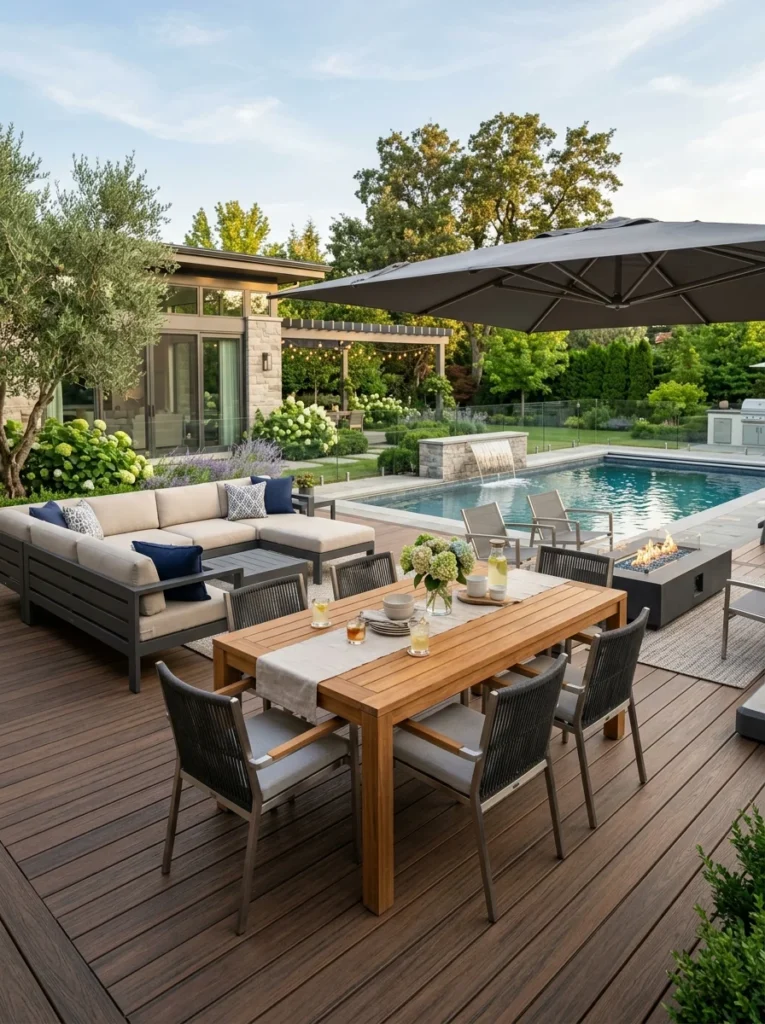
Furniture made from aluminum, quality all-weather wicker, or teak requires far less seasonal maintenance than furniture that needs regular staining, sealing, or careful winter storage to avoid damage. Similarly, choosing a durable, low-maintenance flooring or paving material, porcelain tile, well-sealed concrete, or composite decking rather than wood, reduces the recurring maintenance tasks that add up across an entire outdoor living space, not just the plants.
Automate lighting rather than managing it manually
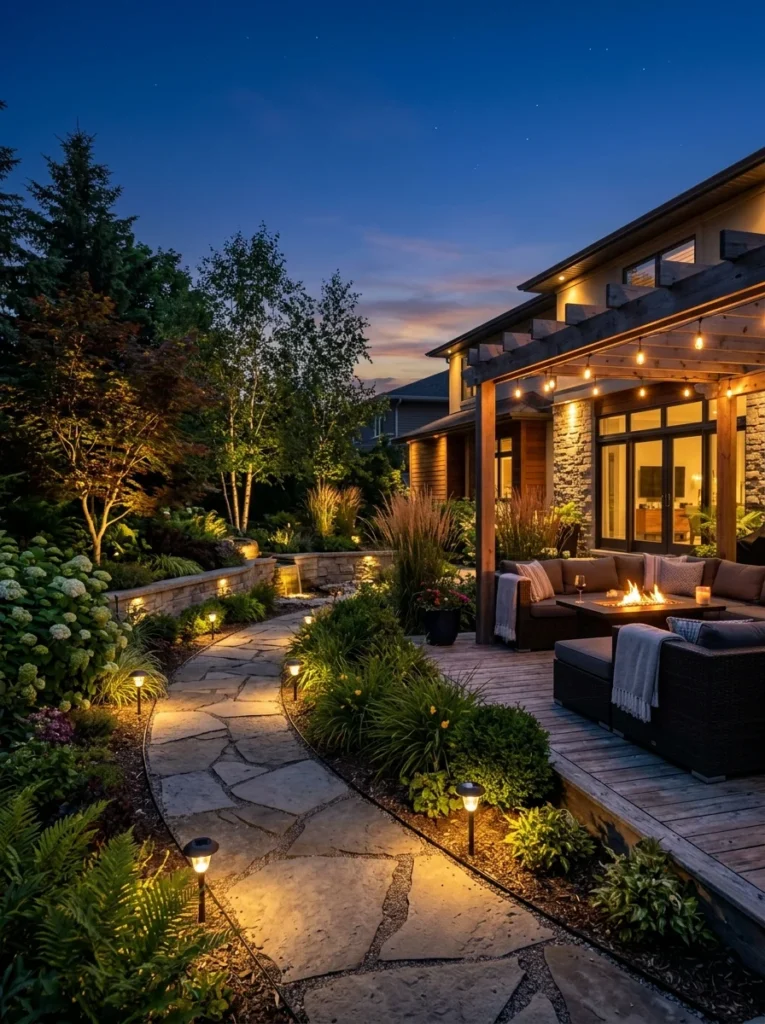
Solar-powered path lights and timer-based or smart outdoor lighting eliminate the daily task of remembering to turn lights on at dusk and off again later, while still providing the safety and ambiance benefits of a well-lit outdoor space. This is a small but meaningful convenience for a busy household, removing one more recurring task from the daily list without sacrificing the evening usability of the space.
Consider artificial turf for high-use or difficult areas
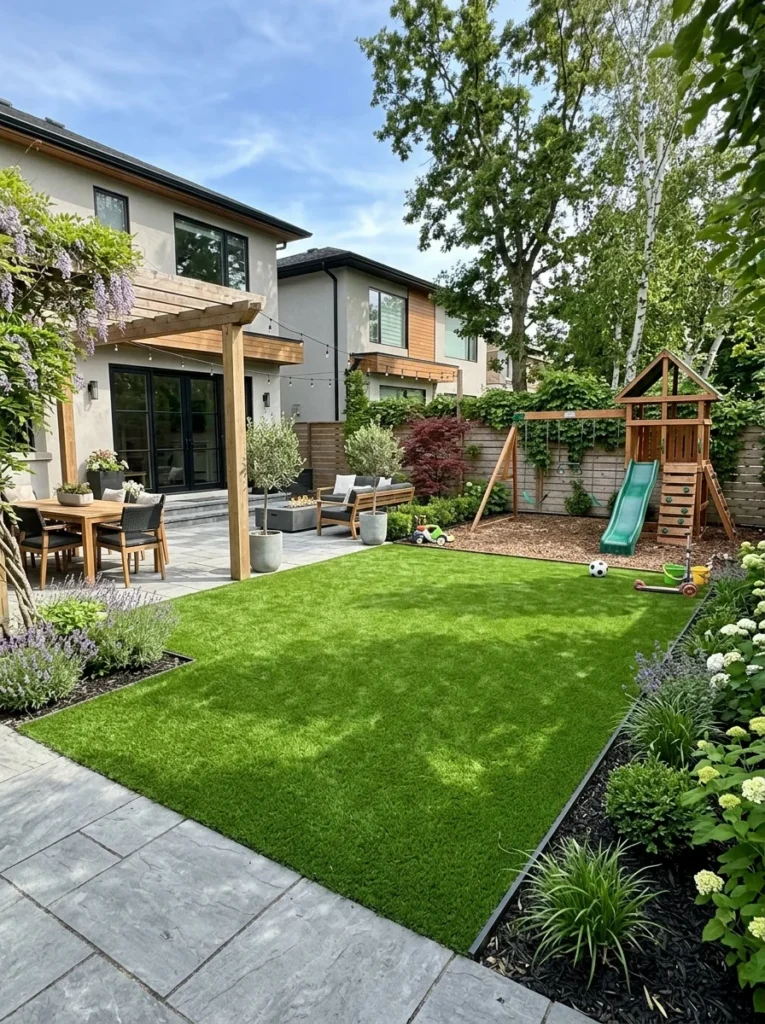
In areas that see heavy foot traffic, deep shade where grass struggles to grow, or simply spaces where you want a consistently green, tidy look without any of the associated mowing or watering, artificial turf offers a genuinely low-maintenance solution. Modern artificial turf has improved significantly in both appearance and drainage compared to older versions, making it a reasonable consideration for specific problem areas even for homeowners who wouldn’t want it across an entire yard.
Simplify your container gardening approach
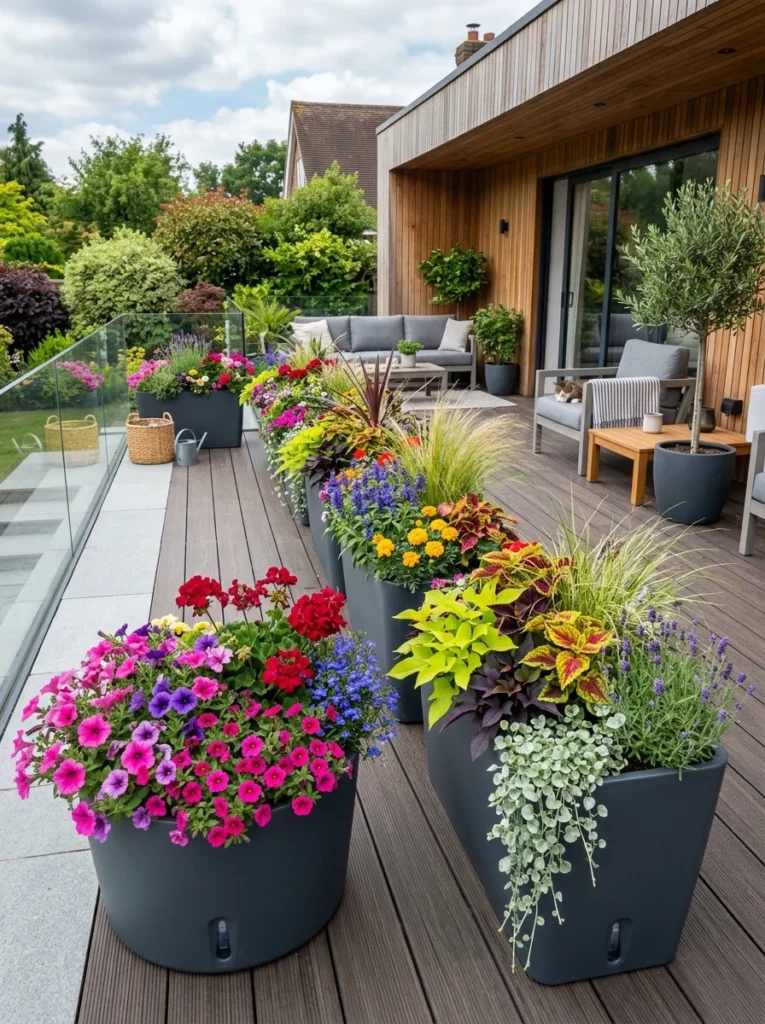
If you enjoy containers but don’t want the daily watering commitment they typically require, self-watering planters with a built-in water reservoir significantly extend the time between waterings, sometimes to just once a week even in warmer weather. Grouping fewer, larger containers rather than many small scattered pots also reduces the total number of individual watering and maintenance tasks, since larger containers hold more soil volume and moisture, drying out considerably slower than small pots.
Schedule occasional maintenance rather than constant upkeep
Even a genuinely low-maintenance yard benefits from periodic attention rather than none at all, but scheduling this as an occasional, planned task, a seasonal cleanup weekend rather than constant small chores scattered throughout the week, fits a busy schedule far better. Setting calendar reminders for a handful of key seasonal tasks, spring cleanup, mulch refresh, fall leaf clearing, keeps the yard looking cared for without requiring constant weekly attention in between those scheduled sessions.
Keep decor simple and limit high-upkeep accessories
It’s tempting to fill an outdoor space with decorative items, but each additional accessory, especially anything fabric-based or delicate, adds a small recurring maintenance task, cleaning, storing seasonally, or replacing when weather-worn. Choosing a smaller number of durable, weather-resistant accessories over many delicate decorative pieces reduces both the visual clutter and the cumulative time spent maintaining or protecting them. This same principle applies to seasonal decor changes; rotating in a few key pieces for each season takes far less time than a fully re-decorated space multiple times a year.
Choose plants naturally resistant to common pests and disease
Beyond drought tolerance, some plants are simply more naturally resistant to the common pests and diseases in a given region, requiring little to no chemical intervention or manual pest management to stay healthy. Local nurseries or extension offices can typically point toward specific varieties known for strong resistance in your area, and building a garden around these naturally hardy plants reduces the ongoing monitoring and treatment that pest-prone plants often demand. This is a research step that pays dividends for years, since a naturally resilient plant selection continues saving time season after season without any additional effort beyond the initial planning.
Use raised beds and clean edging to contain maintenance
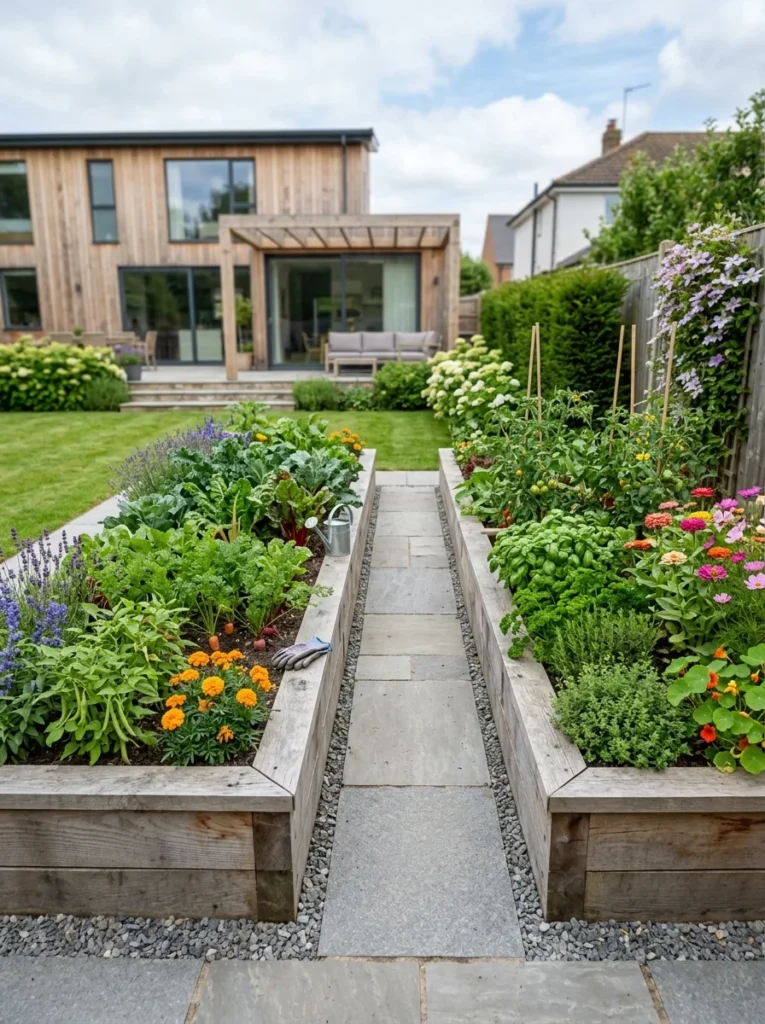
Raised garden beds keep planting areas physically contained, which makes weeding, mulching, and general upkeep considerably faster than managing an equivalent area of ground-level, unbordered planting where weeds and grass tend to creep in from every direction. Clean, defined edging between garden beds and lawn or hardscaping serves a similar purpose, creating a physical barrier that reduces grass encroachment into beds and keeps mowing edges simple and quick rather than requiring careful trimming around loosely defined garden borders.
Common low-maintenance outdoor living questions
What’s the single best change for reducing yard maintenance?
Reducing lawn area in favor of hardscaping, groundcover, or mulched beds tends to have the biggest overall impact, since traditional grass lawns require the most frequent, recurring maintenance of almost any yard element.
Are native plants really lower maintenance than other plants?
Yes, native plants are adapted to local rainfall, soil, and climate conditions, meaning they generally need significantly less watering, fertilizing, and pest management than non-native plants struggling against conditions they aren’t naturally suited for.
Is artificial turf a good low-maintenance option for a whole yard?
It can work well for specific problem areas, heavy foot traffic zones or deep shade where grass struggles, though many homeowners prefer a mix of some natural lawn or groundcover alongside artificial turf rather than covering an entire yard, both for cost reasons and personal preference.
How much time does a drip irrigation system actually save?
A drip system on a timer effectively eliminates the daily task of manual watering, which is often one of the most time-consuming recurring yard chores, particularly during hot summer months when plants need more frequent attention to stay healthy.
Do raised garden beds really reduce maintenance time?
Yes, raised beds contain the planting area and make weeding, mulching, and general upkeep noticeably faster than an equivalent unbordered ground-level bed, where weeds and grass tend to encroach from all directions and require more frequent attention to keep in check.
A low-maintenance outdoor space comes down to choosing the right plants, reducing high-upkeep elements like traditional lawn, and automating what can reasonably be automated, irrigation, lighting, so the yard looks good without requiring constant hands-on attention. None of this means sacrificing beauty or personality in the space; it just means being intentional about where your limited time actually goes.
Our own yard now leans heavily on native perennials, a mulched bed instead of that overly ambitious vegetable garden, and a drip system on a timer that’s freed up entire weekends I used to spend just trying to keep everything alive. If your own outdoor space has started to feel like a source of guilt rather than enjoyment, start by cutting back to what you can genuinely maintain, and build back up slowly from there, rather than starting with an ambitious plan you already know your schedule won’t support, the same overreach that turned my own vegetable garden into a weedy regret in the first place.