

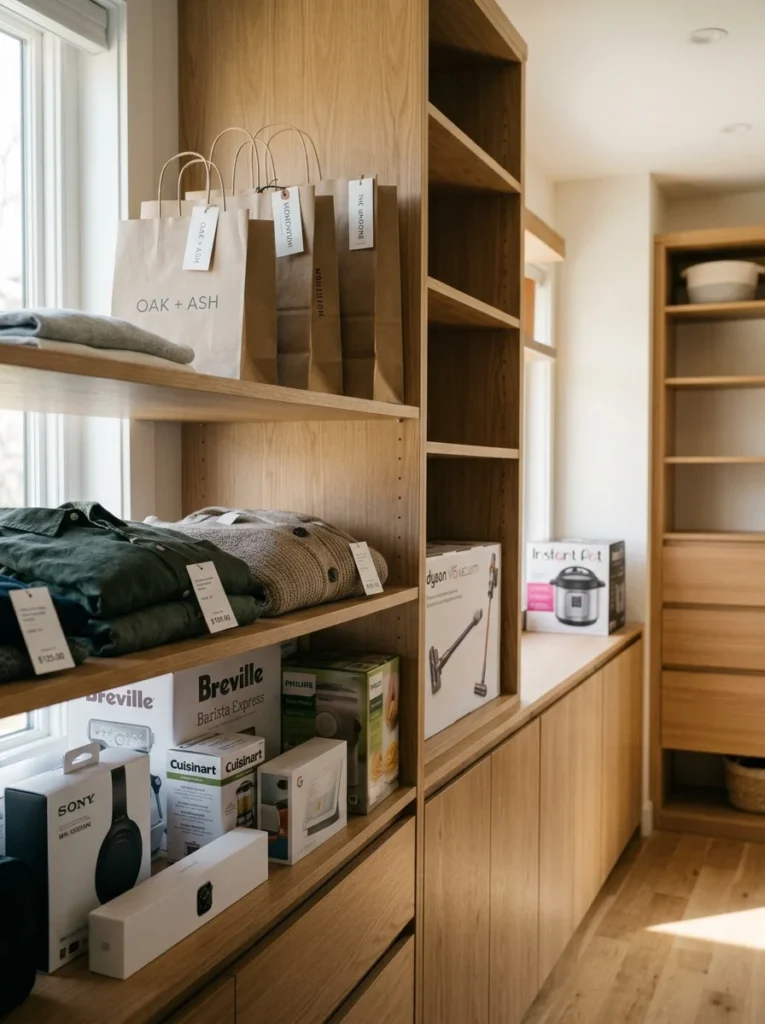
A few years ago, I did an honest inventory of a closet shelf entirely dedicated to unopened purchases, a gadget I’d been excited about for exactly one afternoon, several items of clothing still with tags attached, a kitchen tool that seemed essential in the moment but had never once been used. Seeing it all laid out together was genuinely humbling, not because any single purchase had been a huge expense, but because the sheer accumulated pattern revealed how much of my spending was driven by something other than genuine need. That realization pushed me to actually understand what was driving those purchases, rather than just feeling vaguely guilty about them after the fact.
Breaking the pattern of unnecessary buying isn’t about willpower alone; it’s about understanding the specific triggers behind those purchases and building genuine friction and awareness into the buying process. Here’s what actually worked for me.
Identify your personal triggers for unnecessary purchases
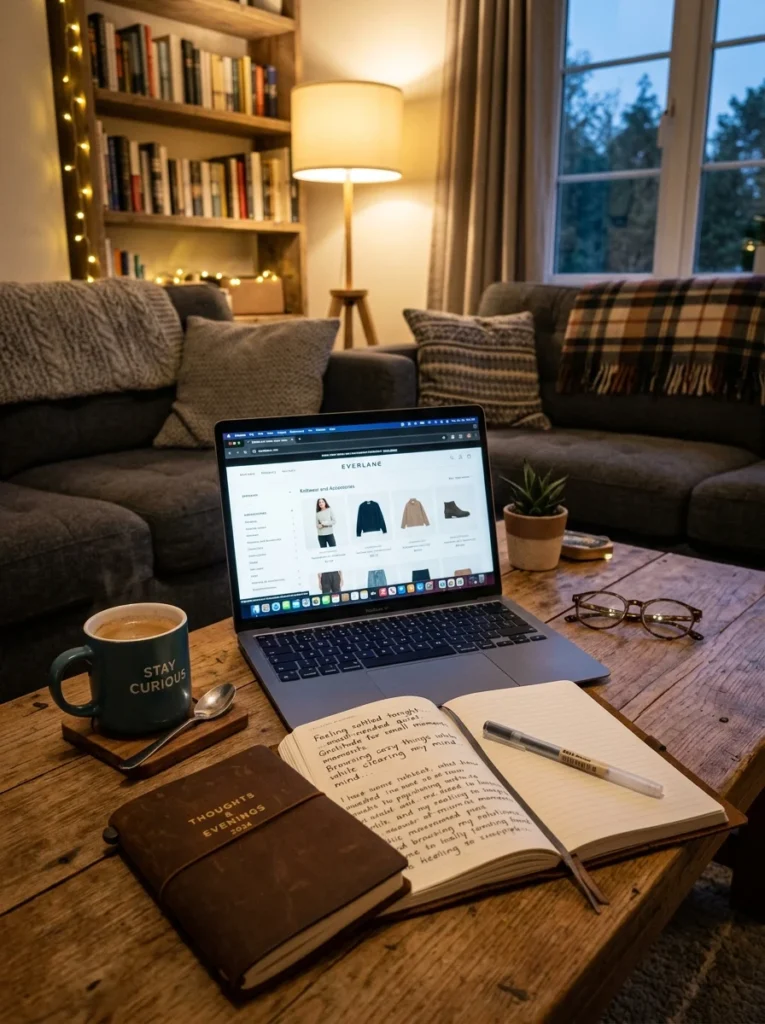
Unnecessary buying rarely happens randomly; it’s usually triggered by something specific, boredom, stress, scrolling social media, a particular store or website you browse habitually. Spending a week simply noticing and writing down what you were feeling or doing right before each unnecessary purchase reveals patterns that are easy to miss without this kind of deliberate attention, and identifying your own specific triggers is the essential first step before you can actually address them directly.
Implement a genuine waiting period before non-essential purchases
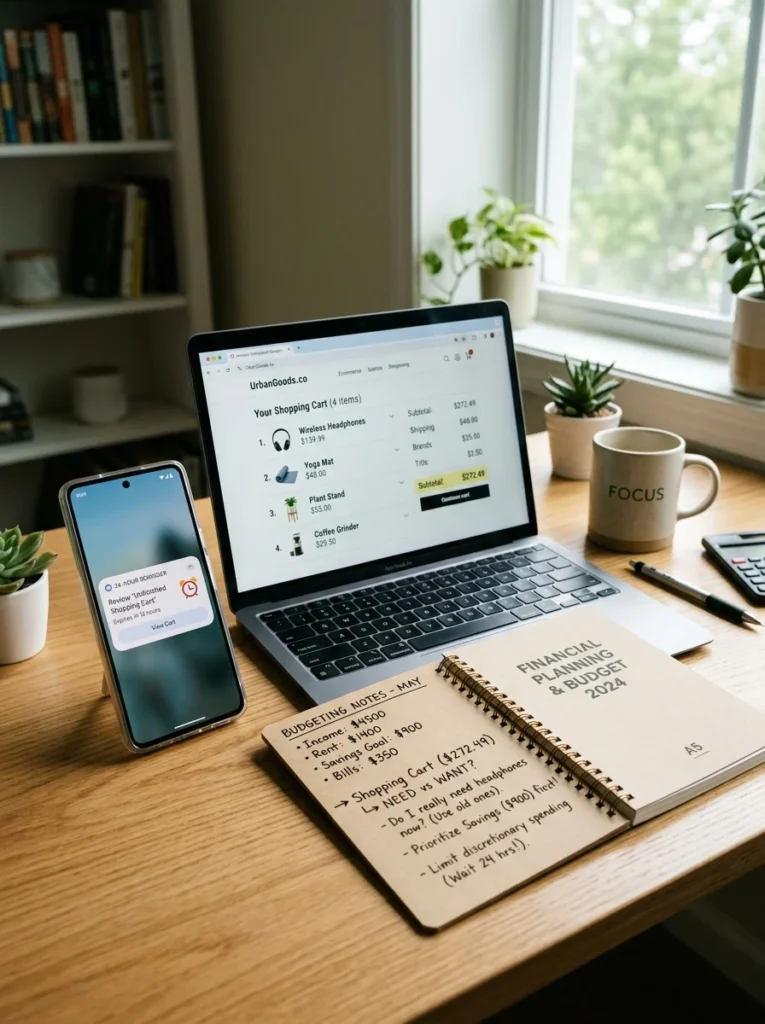
A mandatory waiting period, twenty-four hours for smaller purchases, a full week or more for larger ones, before actually completing a non-essential purchase introduces a deliberate pause between impulse and action. Many purchases that feel genuinely urgent in the moment lose their appeal entirely once this waiting period has passed, which is itself useful information about how much of the original urge was really about need versus a fleeting impulse.
Unsubscribe from marketing emails and mute promotional notifications
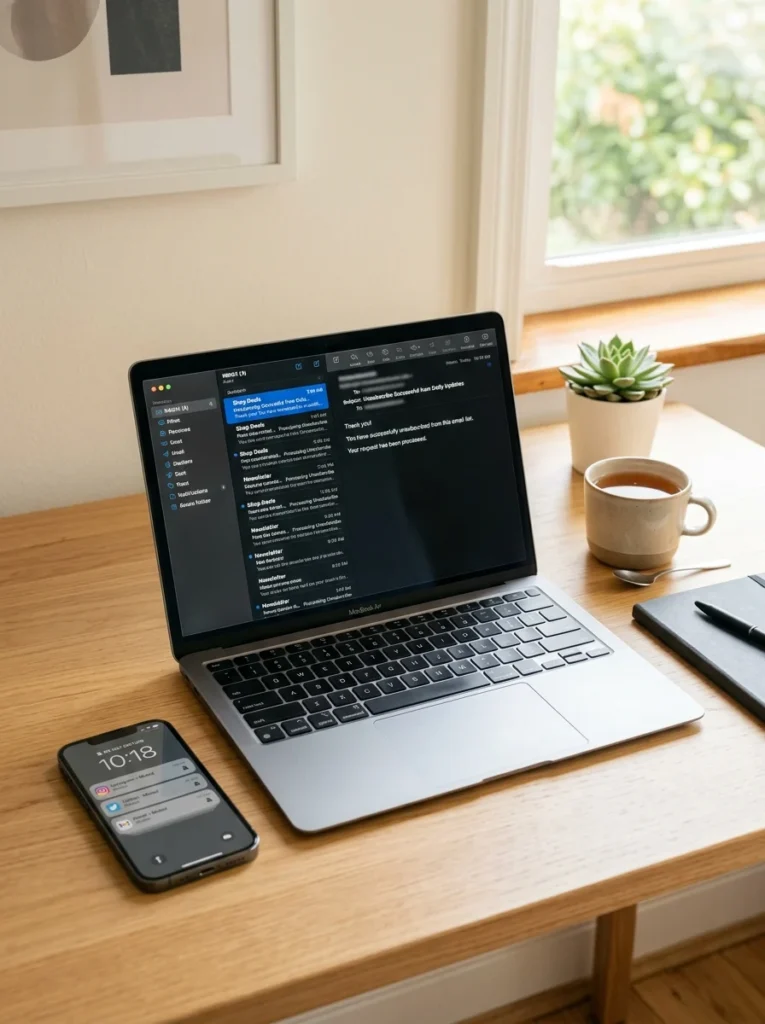
Marketing emails and app notifications are specifically designed to create a sense of urgency and desire, limited-time sales, personalized recommendations, and simply removing this constant stream of prompts reduces how often you’re even exposed to purchase triggers in the first place. This is a largely passive, one-time effort that continues paying off indefinitely once implemented, unlike ongoing willpower that has to be actively exercised with every single exposure to a tempting offer.
Ask a genuine, specific question before every non-essential purchase
Before completing a purchase that isn’t a clear, obvious necessity, asking a specific question, where exactly will this live in my home, what will I use it for specifically and how often, forces a more concrete evaluation than a vague, general sense of wanting the item. If you can’t answer these questions with genuine specificity, that difficulty itself is useful information suggesting the purchase might not be driven by genuine need.
Track your spending in a category prone to unnecessary purchases
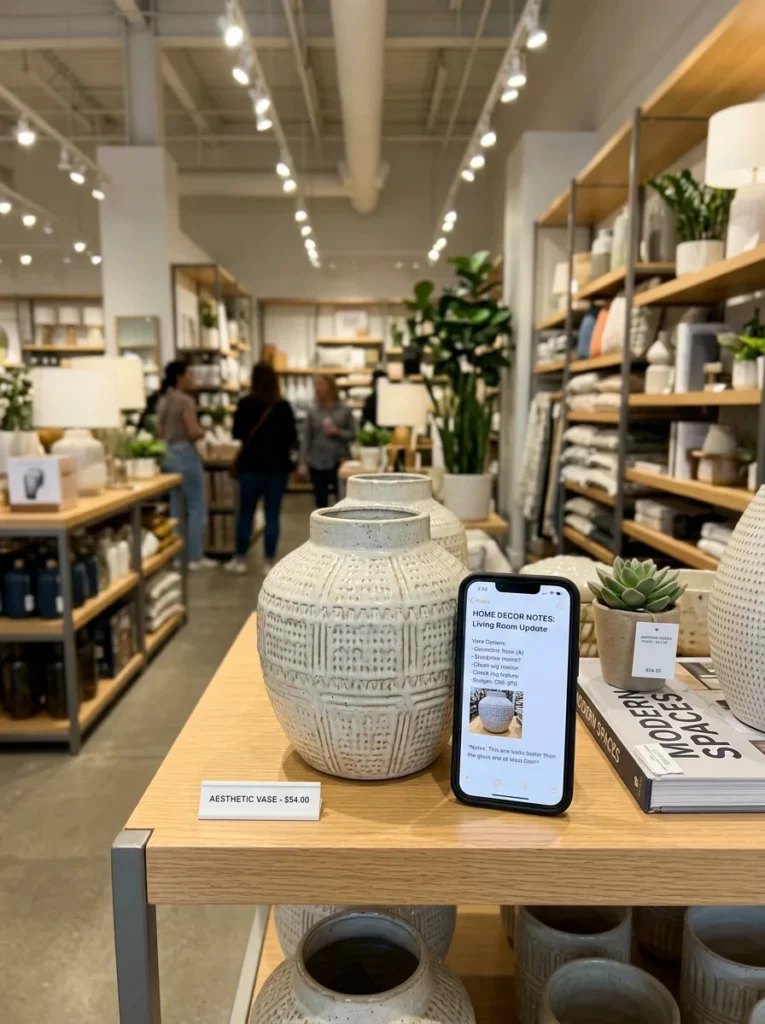
Keeping a simple, specific log of spending in whatever category tends to be your particular weak spot, clothing, gadgets, home decor, makes the cumulative pattern of smaller purchases considerably more visible than it would be if each purchase were considered only in isolation. Seeing the actual total add up over weeks or months tends to be more motivating toward genuine behavior change than any single purchase’s cost ever is on its own.

Address the underlying emotional trigger directly, not just the purchase
If your own personal triggers turn out to be primarily emotional, boredom, stress, a difficult day, addressing that underlying feeling directly, a walk, calling a friend, a genuinely engaging alternative activity, rather than only trying to resist the shopping impulse itself, tends to be more sustainable than pure willpower applied at the moment of temptation. The purchase is often a stand-in for something else the underlying feeling is actually seeking.

Create genuine friction in your buying process
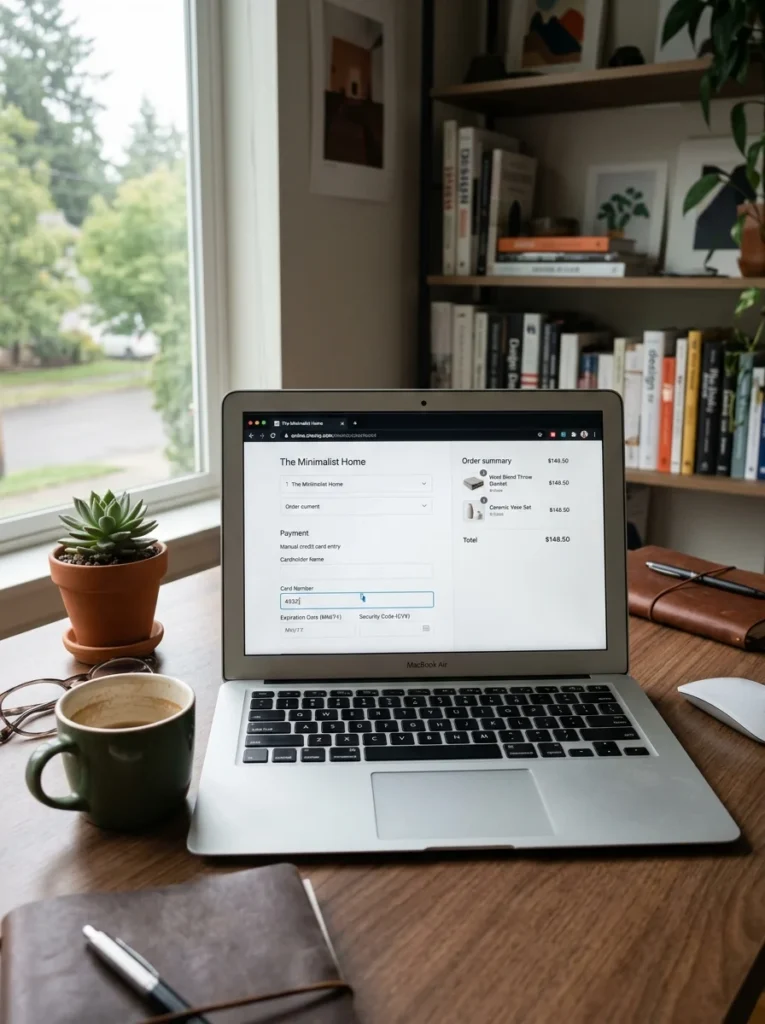
Removing saved payment information from frequently used shopping sites and apps, so that completing a purchase requires manually entering payment details each time, adds a small but meaningful amount of friction that gives you extra time and opportunity to reconsider before finalizing an impulsive purchase. This kind of structural friction tends to be more reliable than relying purely on remembering to pause and think in the moment.
Set a specific, realistic budget for discretionary spending
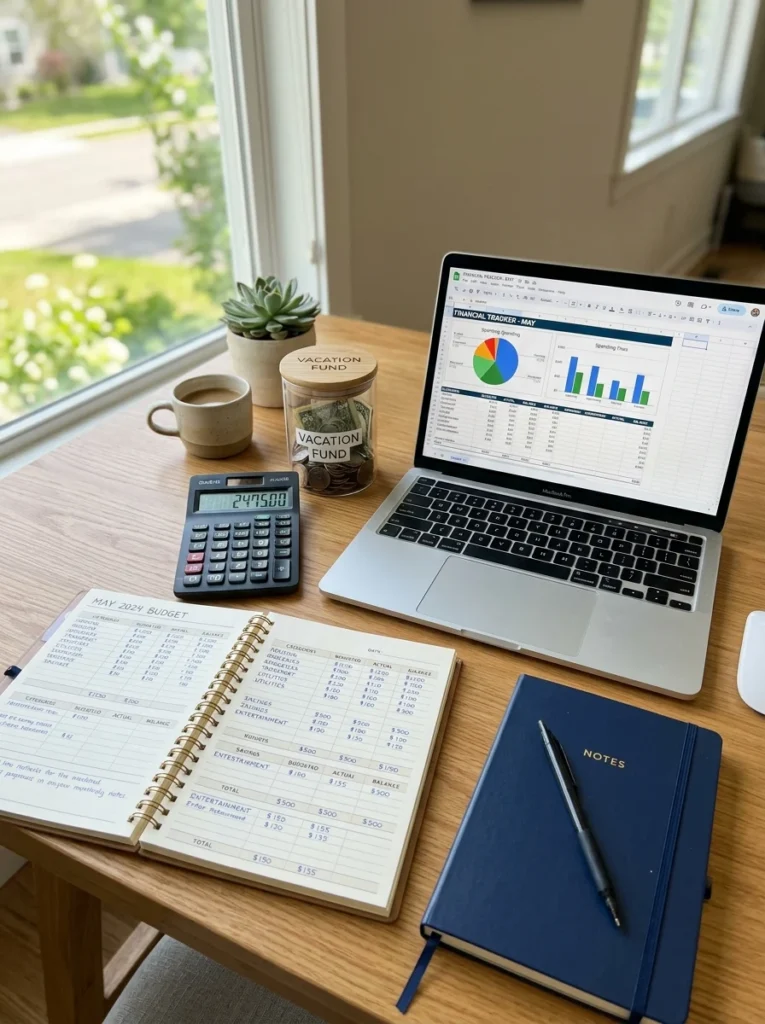
Rather than trying to eliminate discretionary spending entirely, which often backfires through eventual overcorrection, setting a specific, genuinely realistic monthly budget for non-essential purchases gives yourself permission to buy things you want within a defined limit, which tends to be more sustainable than an all-or-nothing approach to unnecessary spending.
Revisit your past unnecessary purchases without excessive self-judgment
Periodically reviewing items you’ve purchased but rarely or never used, without excessive guilt or self-criticism, but simply as useful data about your own actual patterns, helps refine your understanding of your specific triggers over time. This should be approached as genuine information gathering rather than an exercise in self-punishment, since shame tends to perpetuate the same emotional spending cycle rather than actually breaking it.

Find alternative outlets for the underlying desire driving the purchase
If you’ve identified that certain purchases are really about seeking novelty, a small treat, or a sense of accomplishment, finding a genuinely satisfying alternative that provides a similar feeling without the accumulating cost and clutter, borrowing a book instead of buying one, trying a new recipe instead of buying new kitchen gadgets, can address the same underlying need more sustainably.

Be mindful of social media and influencer-driven purchase triggers
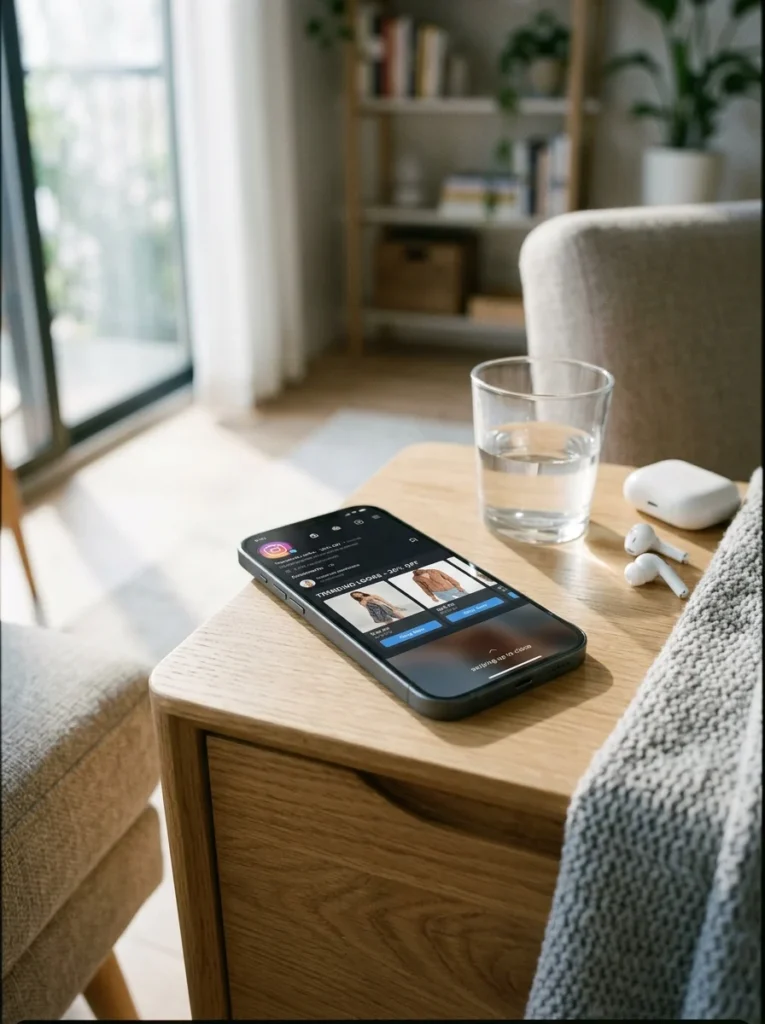
Social media platforms, particularly through influencer content and targeted advertising, are specifically designed to create desire for products you weren’t previously seeking out, and being aware of this dynamic, rather than assuming every purchase impulse originates purely from your own independent preferences, helps contextualize why certain items suddenly feel essential after scrolling through a feed. Limiting time on platforms known to be a particular trigger, or being specifically skeptical of purchases prompted immediately after viewing this kind of content, addresses a genuinely significant modern source of unnecessary buying that didn’t exist in the same form even a decade or two ago.
Adopt a one-in-one-out rule for recurring purchase categories
For categories prone to accumulation, clothing, kitchen gadgets, books, adopting a rule where a new item can only be purchased if a similar existing item is simultaneously donated or discarded creates a natural, ongoing check against unlimited accumulation. This rule also indirectly supports the earlier questions about genuine need, since being forced to identify what you’d remove to make room for something new often clarifies whether the new item is actually a meaningful upgrade or simply additional volume.
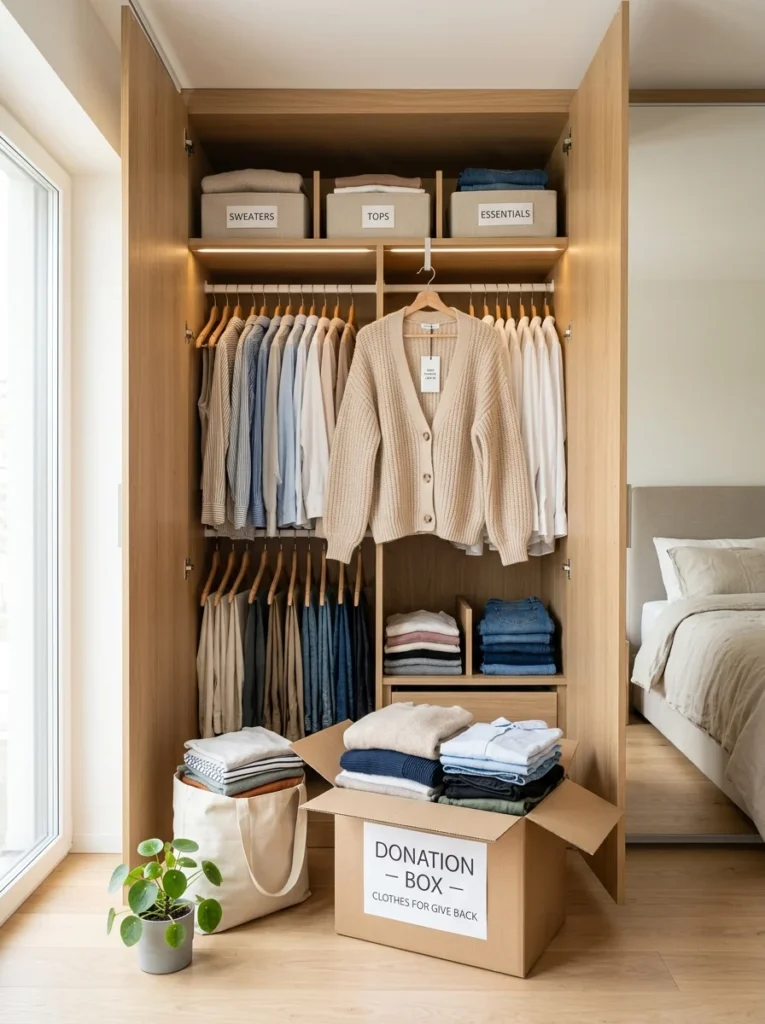
Recognize the difference between genuine quality investment and impulse spending
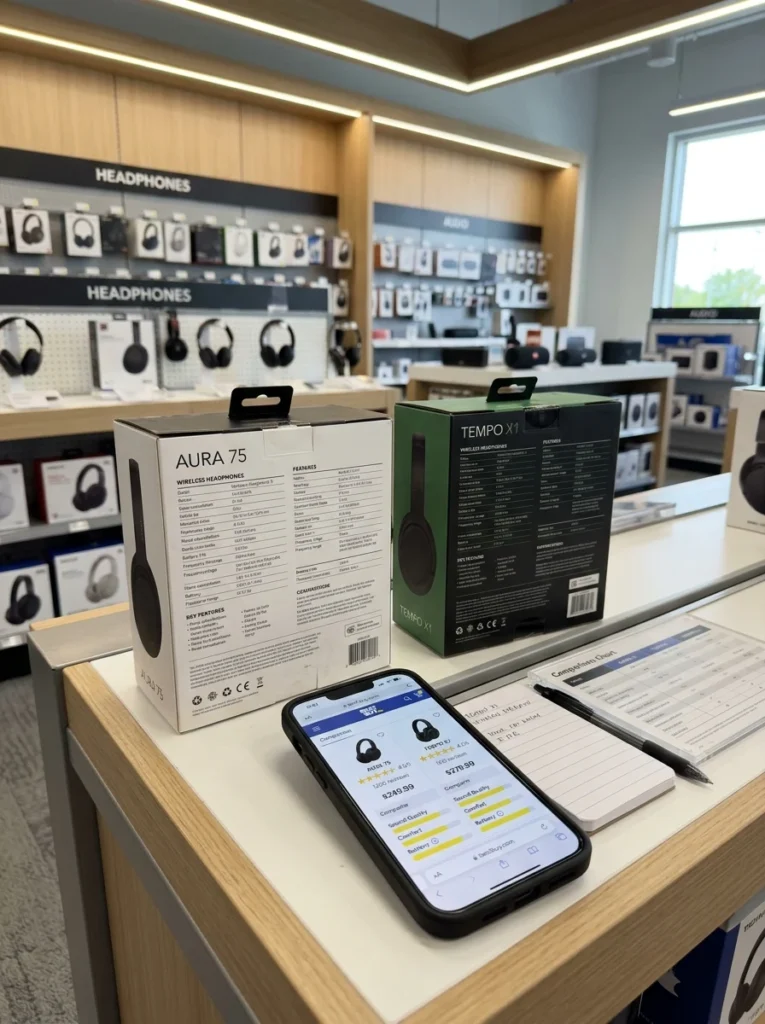
Not every purchase driven by enthusiasm is necessarily a mistake; a genuinely well-researched, higher-quality purchase intended to replace a worn-out or inadequate item you already use regularly is a different category entirely from an impulsive purchase driven by a fleeting trigger. Being honest about which category a specific purchase actually falls into, rather than justifying every purchase as a thoughtful investment after the fact, helps maintain genuine self-awareness throughout this process.
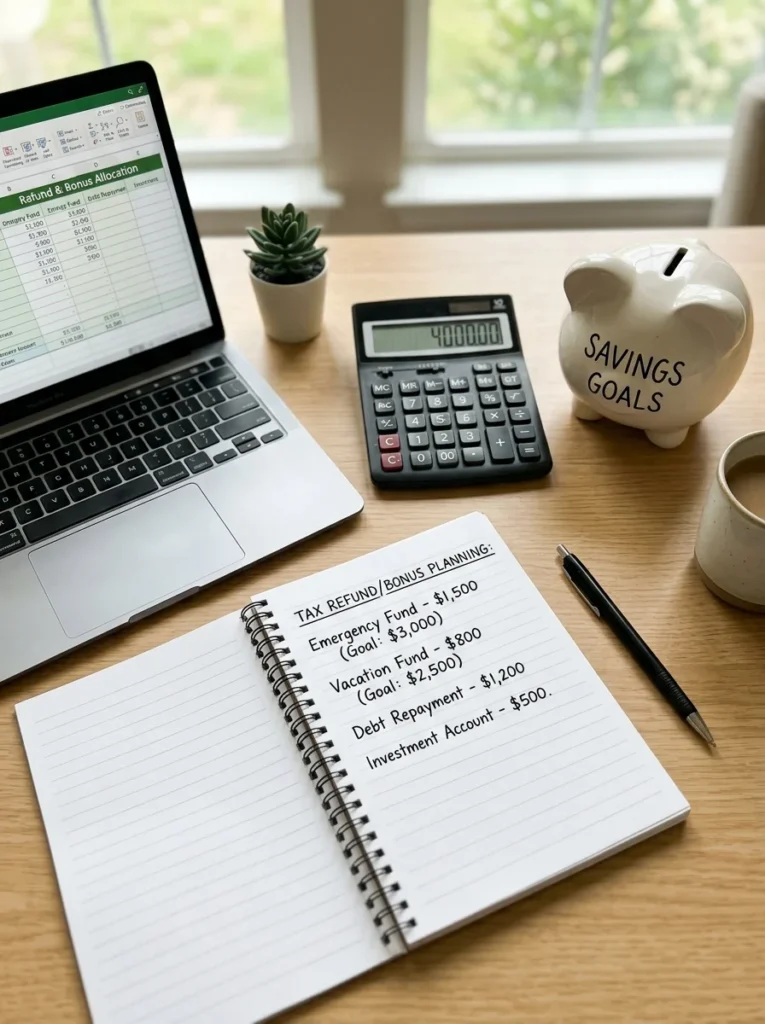
Build a specific plan for windfall money or unexpected funds
Unexpected money, a bonus, a gift, a tax refund, is particularly prone to being spent impulsively precisely because it doesn’t feel like it was already allocated to a specific purpose the way regular income often is. Deciding in advance on a general plan for how windfall money will be used, savings, a specific planned purchase, rather than leaving the decision open in the moment it arrives, reduces the likelihood of impulsive spending specifically tied to this kind of unplanned income.
What’s the most effective single change to reduce impulse buying?
Implementing a genuine waiting period, even just twenty-four hours, before completing non-essential purchases tends to be one of the most effective single changes, since many purchases that feel urgent in the moment lose their appeal once that pause has passed.

Why do I keep buying things I never end up using?
This pattern is often driven by specific emotional or situational triggers, boredom, stress, marketing exposure, rather than genuine need, and identifying your own specific triggers through simple tracking is the first step toward addressing the underlying pattern directly.
Should I try to eliminate all discretionary spending?
Generally no, an all-or-nothing approach often backfires through eventual overcorrection. Setting a specific, realistic budget for discretionary spending tends to be more sustainable than attempting to eliminate it entirely.
Does unsubscribing from marketing emails actually help?
Yes, marketing emails and notifications are specifically designed to create urgency and desire, and removing this constant exposure reduces how often you encounter purchase triggers in the first place, which is a largely passive change that continues paying off over time.
How does social media contribute to unnecessary buying?
Social media platforms, particularly through influencer content and targeted ads, are specifically designed to create desire for products you weren’t previously seeking, so being aware of this dynamic and limiting time on trigger-prone platforms can meaningfully reduce this modern source of impulsive purchasing.
What’s a one-in-one-out rule and how does it help?
It’s a rule where a new item in a specific category can only be purchased if a similar existing item is simultaneously donated or discarded, which creates an ongoing natural check against accumulation and forces genuine reflection on whether a new purchase is a meaningful upgrade or just added volume.
Breaking a pattern of unnecessary buying comes down to identifying your specific triggers, building genuine friction into the purchasing process, waiting periods, removed saved payment information, and addressing underlying emotional drivers directly rather than relying purely on willpower at the moment of temptation. This combination tends to be far more sustainable than trying to simply resist every individual urge as it arises.
That closet shelf of unused purchases is long gone now, replaced by a genuine waiting period before any non-essential buy and a much clearer sense of my own specific triggers, boredom and a particular late-evening scrolling habit, that used to drive most of those purchases. If your own home has a similar shelf or drawer of barely-used impulse buys, start by simply noticing what you’re feeling right before your next unnecessary purchase; that awareness alone is often the first genuine step toward breaking the pattern.