

For years, my house followed a predictable weekly cycle, gradually accumulating clutter through the week until Saturday morning arrived and I’d spend two or three exhausting hours doing a massive reset just to feel like the house was under control again. It wasn’t sustainable, and it meant I spent most of my actual weekend either dreading or performing that big cleanup rather than genuinely relaxing. A friend mentioned she’d switched to a simple ten-minute nightly reset instead of a weekly deep clean, and I was skeptical it could really replace hours of weekend work, but trying it myself for a month completely changed how my house felt day to day, and how much of my actual weekend I got back.
The core idea behind this habit is simple: a small, consistent daily reset prevents the kind of accumulation that eventually requires a much larger, more draining cleanup. Here’s exactly how to build and sustain this specific habit.

Choose a consistent time of day for the reset
Doing this ten-minute tidy at the same time each day, most commonly right before bed, helps it become a genuine habit rather than something you have to consciously remember and decide to do every single day. The specific time matters less than the consistency; some people prefer doing it right after dinner instead, but anchoring it to an existing daily routine, rather than leaving it as a vague, unscheduled intention, is what actually makes it stick long-term.

Focus on visible, high-traffic surfaces first
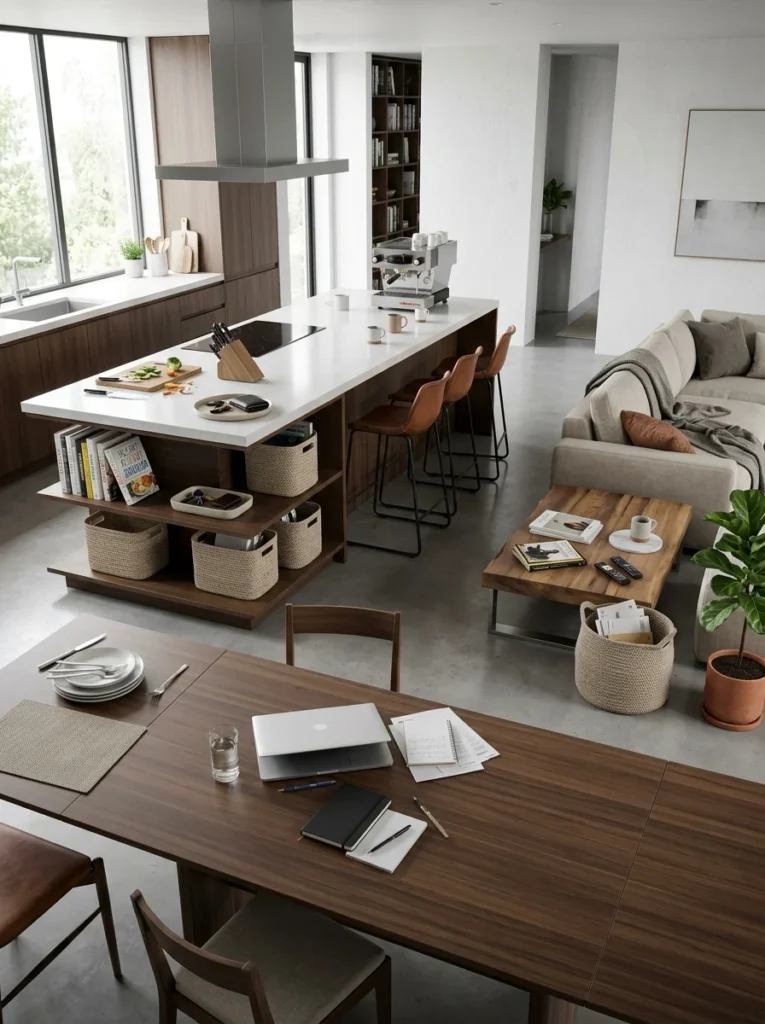
Within your ten minutes, prioritize the surfaces and areas that create the most visual sense of clutter, kitchen counters, the dining table, the living room coffee table, rather than trying to address every single room in the house during one short session. These high-visibility areas tend to accumulate items the fastest throughout a normal day and have an outsized effect on how tidy or chaotic the whole home feels, even when other, less visible areas haven’t been touched.
Return items to their designated homes rather than just relocating clutter
The actual value of this habit comes from returning items to wherever they’re supposed to live, not just consolidating visible clutter into a single, tidier-looking pile elsewhere in the house. This means the habit works considerably better in a home that already has clear, designated spots for most everyday items, since a ten-minute reset can’t meaningfully help if there’s no established system for where things actually belong in the first place.

Set a timer to keep the session genuinely short
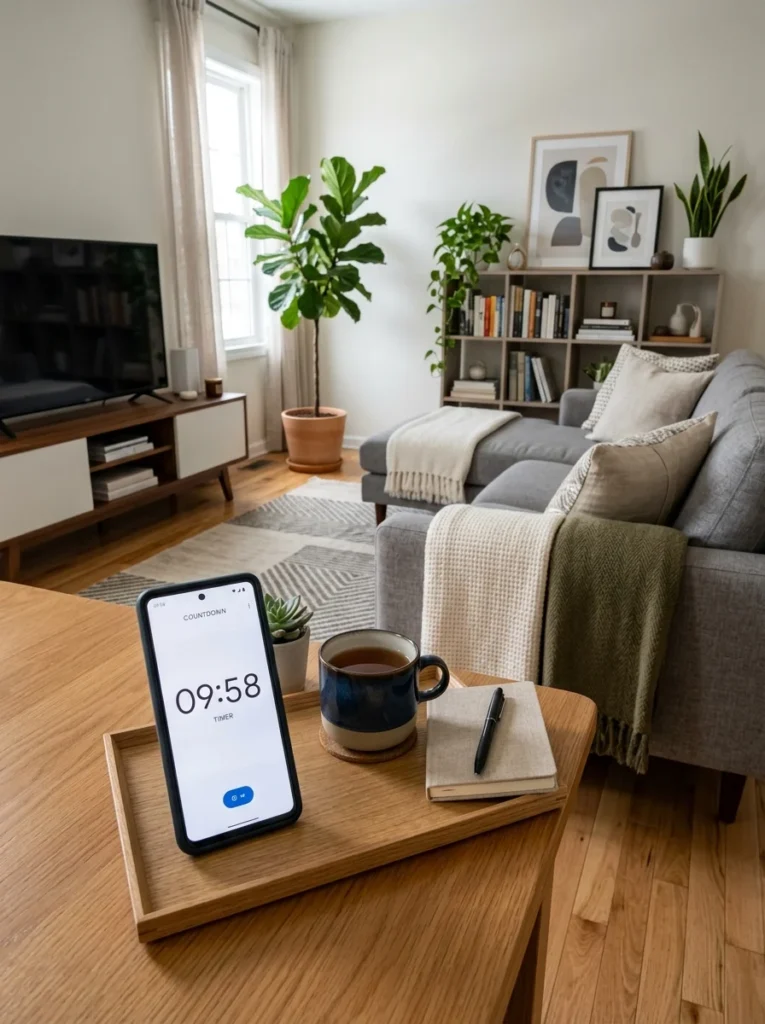
Using an actual timer, rather than working until it feels done, keeps this habit realistic and sustainable, since the whole appeal of a ten-minute reset is that it’s short enough to never feel like a genuine chore. If ten minutes consistently isn’t enough to handle a given day’s accumulated clutter, that’s often a sign of a bigger, separate decluttering or organizing issue worth addressing directly, rather than reason to extend the daily reset into a longer, more draining task.
Involve the whole household in their own small piece of the routine
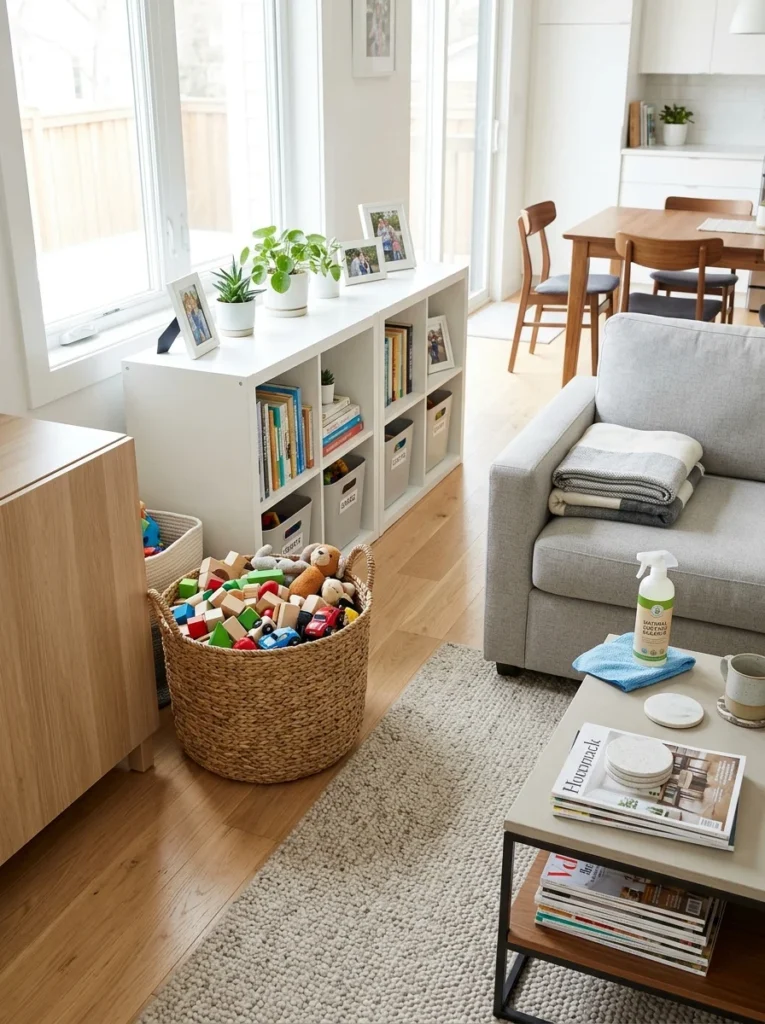
This habit works considerably better and covers more ground when every household member handles their own small piece of the daily reset, each person returning their own items to their own designated spots, rather than one person attempting the entire home’s daily tidy alone. Assigning even young children an age-appropriate small task, putting their own toys away, for instance, both lightens the load and builds the same habit in the next generation.
Address dishes and the kitchen as part of the routine
Since the kitchen tends to accumulate clutter and mess faster than almost any other room, incorporating a quick check of dishes, wiping down counters, and clearing the table into the nightly routine specifically addresses one of the most consistently high-impact areas in the whole house, often making the biggest visible difference relative to the time invested.

Don’t try to deep clean during this daily reset
This habit is specifically about tidying, returning items to their places, rather than deep cleaning, scrubbing surfaces, vacuuming, or other more involved cleaning tasks that genuinely require more time and a separate, less frequent schedule. Conflating the two often leads to the daily reset becoming too time-consuming to sustain, undermining the entire point of keeping it short and manageable.

Use the routine as an early warning system for bigger clutter problems
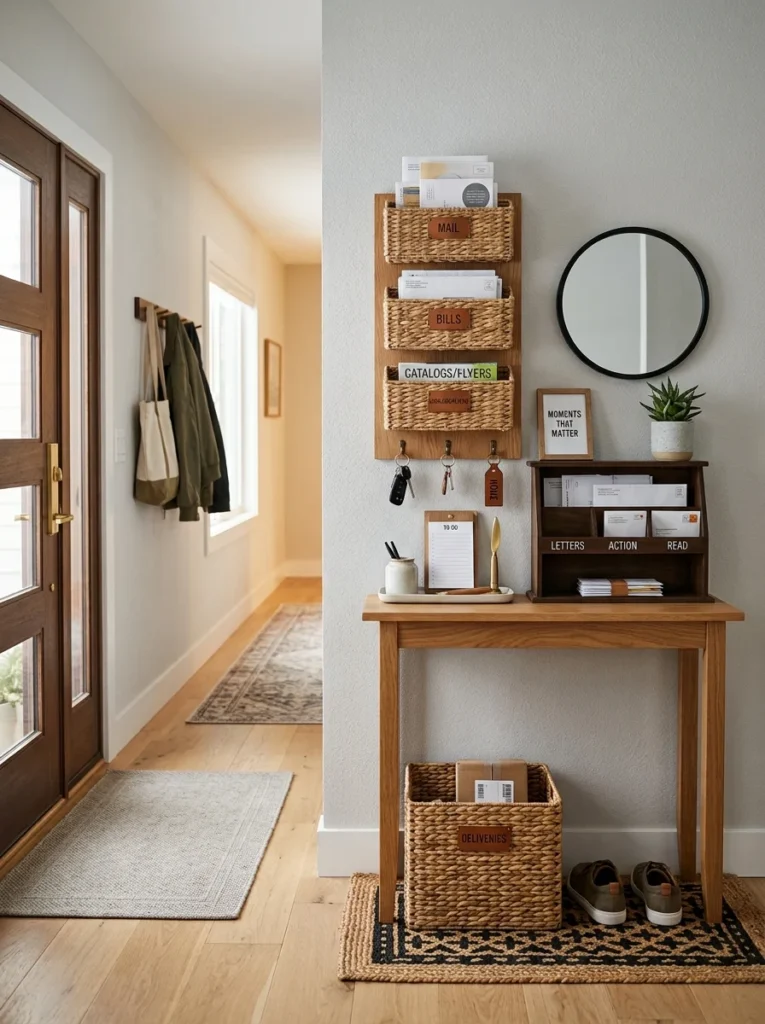
If the same category of item keeps showing up during your nightly reset, a particular pile of mail, a recurring cluster of kids’ toys without a clear home, it’s a useful signal pointing toward a genuine organizational gap worth addressing separately, rather than something to keep managing through the daily routine indefinitely. Treating recurring clutter patterns as information about where your home’s systems need improvement, rather than just an ongoing daily chore, helps you fix root causes over time.
Adjust the specific ten minutes to fit your home’s actual layout
A larger home or one with more rooms in regular daily use might need the ten minutes divided across a few specific priority zones rather than attempting the whole house, while a smaller home or apartment might comfortably cover everything within the timeframe. Adjusting the specific scope to match your own home’s realistic needs, rather than following a rigid one-size-fits-all version of this habit, makes it more likely to actually stick.

Track your consistency, at least initially, to build the habit
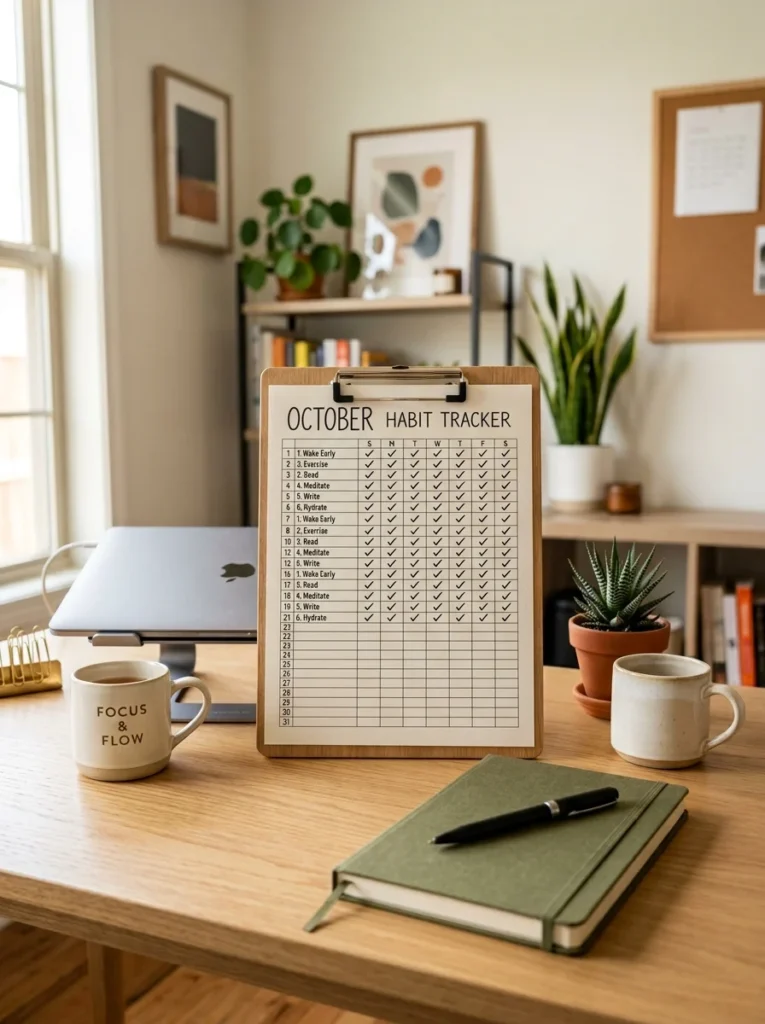
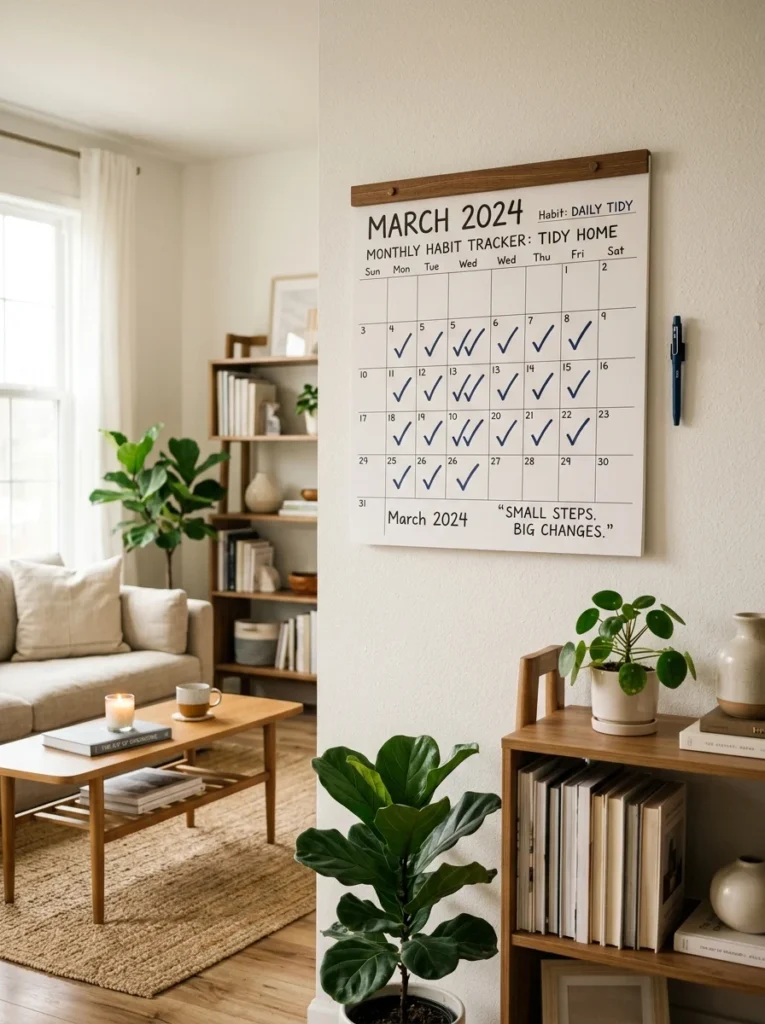
In the early weeks of building this routine, a simple habit tracker, even just checking off a calendar each night the reset happens, can help reinforce the pattern until it becomes automatic enough that you no longer need to consciously track it. This tracking step matters more in the initial habit-formation period than it does once the routine has genuinely become second nature.
Understand why small, consistent habits outperform occasional big efforts
Behavioral research on habit formation generally supports the idea that small, consistent actions are more sustainable and ultimately more effective over time than large, infrequent efforts, since consistency builds an automatic routine that requires less willpower and decision-making with each repetition, while big, occasional efforts remain effortful and easy to postpone or skip entirely when motivation is low. Applying this same principle to home tidying, rather than relying purely on willpower for an occasional big cleanup, is really what makes the ten-minute daily version so much more sustainable long-term than the exhausting weekly reset it replaces.

Pair the habit with an existing routine to make it stick faster
Attaching a new habit to an already-established routine, tidying immediately after brushing your teeth at night, for instance, rather than trying to build an entirely standalone new habit from scratch, tends to accelerate how quickly the behavior becomes automatic. This technique, often called habit stacking, leverages a routine your brain has already made effortless in order to more easily absorb the new behavior alongside it, rather than asking your brain to remember and prioritize a completely unconnected new task each day.

Expect an adjustment period before the habit feels automatic
Like any new habit, this daily reset is likely to require conscious effort and reminders for the first few weeks before it starts feeling automatic rather than like an item on a mental to-do list you have to remember. Anticipating this adjustment period, rather than assuming the habit should feel effortless immediately, helps prevent discouragement during the early weeks when it still requires genuine, conscious intention to follow through consistently.
Notice the secondary benefits beyond just a tidier home
Beyond the direct benefit of a consistently tidier home, many people find this kind of nightly routine also supports better sleep, since walking into a bedroom or waking up in a home that isn’t visually cluttered can reduce a subtle background sense of stress or unfinished business that clutter often creates. This secondary benefit, while harder to measure directly than the tidiness itself, is frequently cited by people who’ve maintained this kind of routine consistently over time as one of the more unexpectedly valuable outcomes.

Is ten minutes really enough to keep a whole house tidy?
For most homes, yes, provided the habit is genuinely daily and focuses on returning items to established homes rather than deep cleaning. If ten minutes consistently isn’t enough, it often signals a separate organizational issue, like a lack of designated storage spots, worth addressing directly.
What time of day is best for this habit?
The specific time matters less than consistency; right before bed is a common choice since it resets the home for the next morning, though anchoring the habit to any existing daily routine works as long as it happens at the same time each day.
Should kids participate in a daily tidying routine?
Yes, assigning even young children an age-appropriate small task, like putting their own toys away, both lightens the overall workload and helps build the same tidying habit early, making the routine more sustainable for the whole household long-term.
What if the same clutter keeps appearing every night?
Recurring clutter in the same category, like a persistent mail pile, usually signals a genuine organizational gap rather than a habit failure, and it’s worth addressing that specific root cause separately rather than just continuing to manage it through the nightly reset indefinitely.
How long does it take for this habit to feel automatic?
Like most new habits, it typically requires a few weeks of conscious effort and reminders before it starts feeling automatic rather than something you have to actively remember, so anticipating this adjustment period helps prevent discouragement early on.
What’s habit stacking and how does it help with tidying?
Habit stacking means attaching a new habit to an already-established routine, like tidying right after brushing your teeth at night, which tends to help the new behavior become automatic faster than trying to build it as a completely standalone habit.
A consistent ten-minute daily tidying habit, focused on high-visibility areas and returning items to their established homes, prevents the kind of accumulation that otherwise requires a much larger, more exhausting weekly cleanup. The habit’s power comes from its consistency and its short, sustainable scope, not from trying to accomplish more within it.
Since adopting this routine myself, our weekends have genuinely opened back up, no more multi-hour Saturday morning reset, just ten manageable minutes each night that keep the house feeling consistently under control. If your own home cycles between reasonably tidy and completely overwhelmed on a predictable weekly pattern, try replacing that big weekend reset with this small daily one instead; the shift in how your home feels day to day is likely to surprise you.