
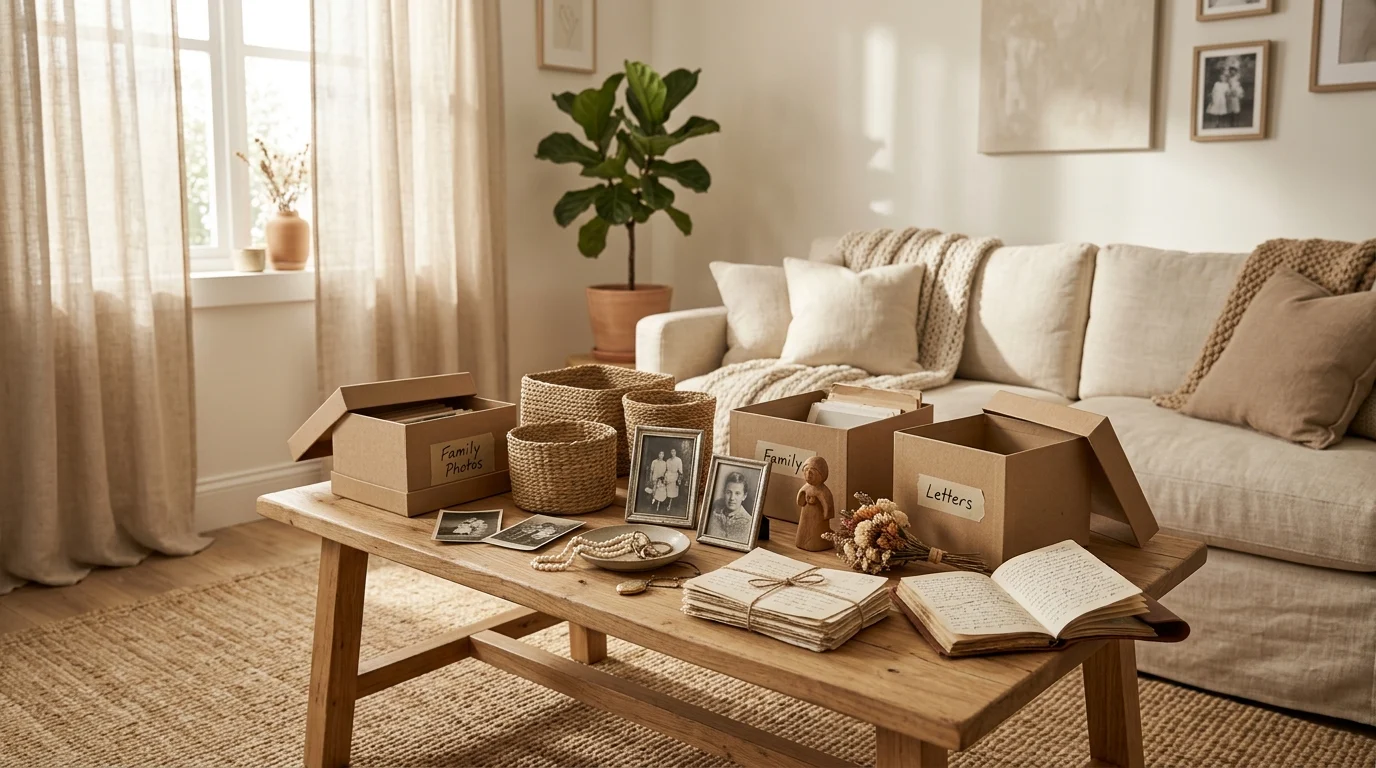
After my grandmother passed, I inherited several boxes of her belongings, and for years I kept every single item exactly as it arrived, unable to part with any of it despite genuinely not having space to display or use most of it, and despite honestly not remembering the specific story behind many individual pieces. It took a long time to realize that keeping every object in an unopened box wasn’t actually honoring her memory in any meaningful way; it was just accumulating guilt-driven storage. Learning to thoughtfully choose a smaller number of genuinely meaningful pieces, rather than keeping everything out of obligation, actually helped me connect with her memory more, not less.
Sentimental clutter is genuinely one of the hardest categories to declutter, precisely because the emotional weight involved is real and shouldn’t be dismissed. Here’s how to approach it thoughtfully, without either forcing yourself to keep everything or feeling pressured to discard things before you’re genuinely ready.
Separate the memory from the object itself
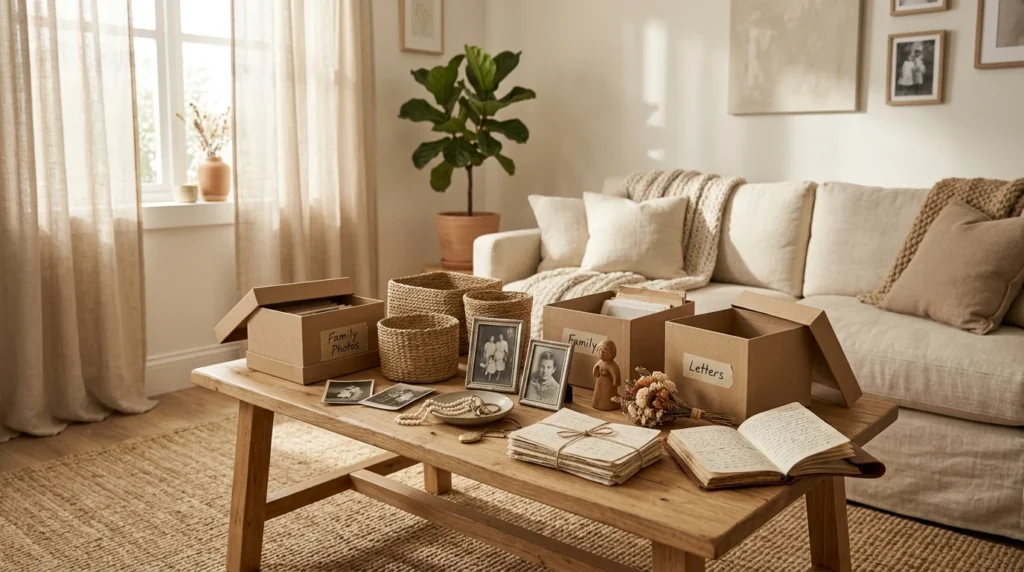
A useful starting reframe is recognizing that the memory or feeling associated with an item exists independently of the physical object itself; keeping a memory alive doesn’t actually require keeping every physical thing connected to it. This distinction can help ease the sense that discarding an object means discarding or dishonoring the memory attached to it, when in reality the memory remains entirely intact regardless of what happens to the physical item.
Choose a few meaningful representative pieces rather than keeping everything
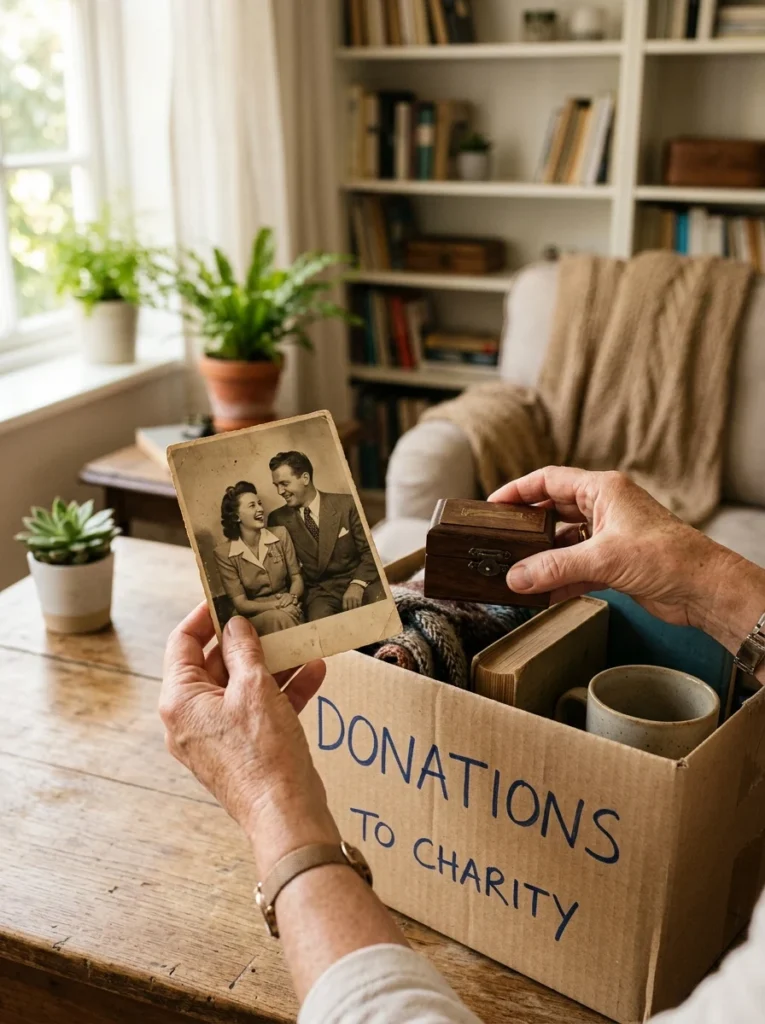
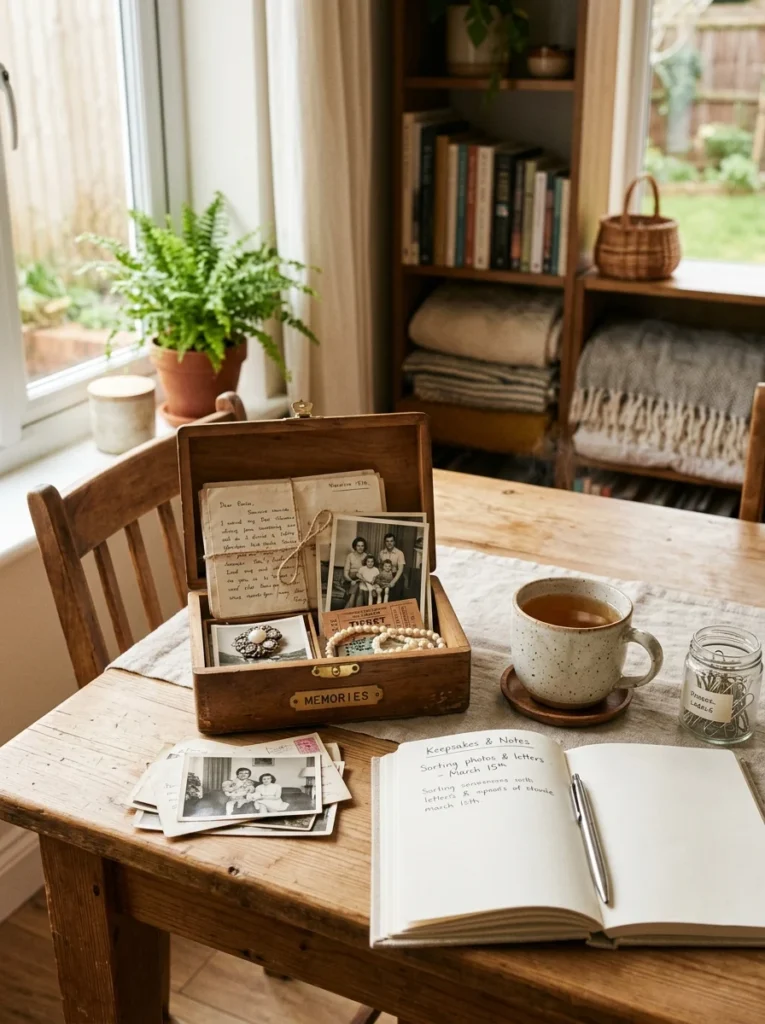
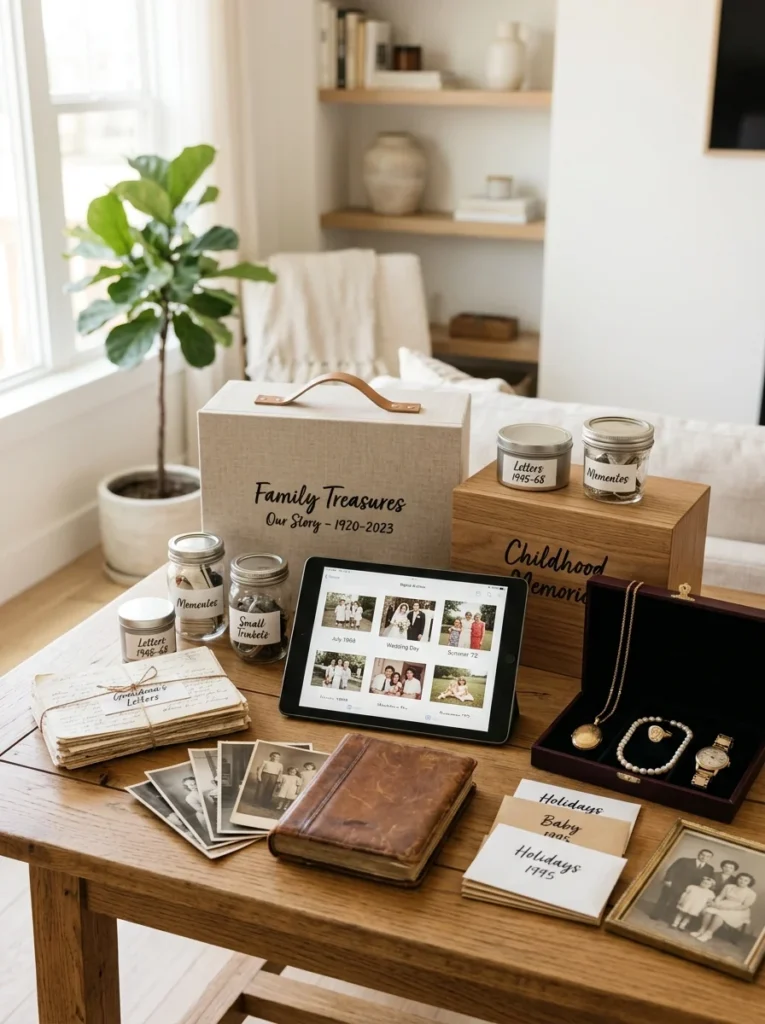
Rather than keeping an entire collection of items connected to one person or period of your life, selecting a smaller number of pieces that genuinely represent or capture that connection, one or two items that feel most meaningful rather than the entire box, allows you to keep a genuine, tangible connection without the accumulating burden of storing everything indefinitely.
Give yourself permission to feel grief during this process
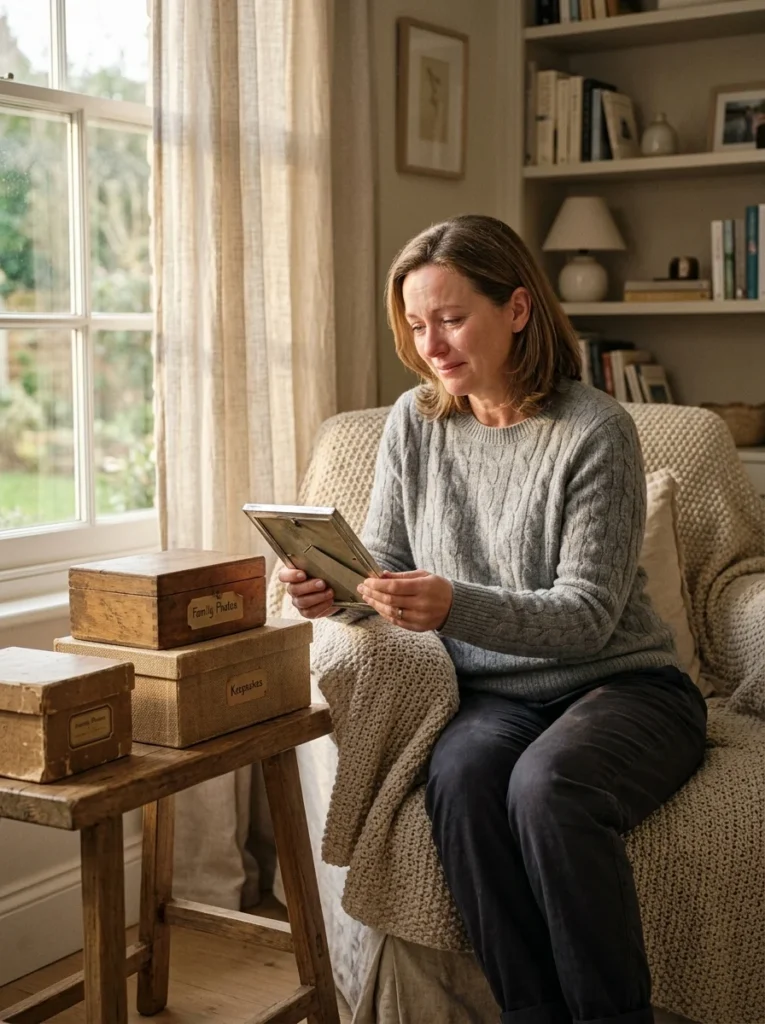
Sorting through sentimental items, particularly those connected to a person who has passed away or a significant life change, often brings up genuine grief or emotional difficulty, and allowing yourself to actually feel that during the process, rather than rushing through it or suppressing the emotion to get the task done quickly, tends to lead to more genuine, lasting decisions than a purely rushed, emotion-avoidant approach.
Photograph items you’re letting go of but still want to remember
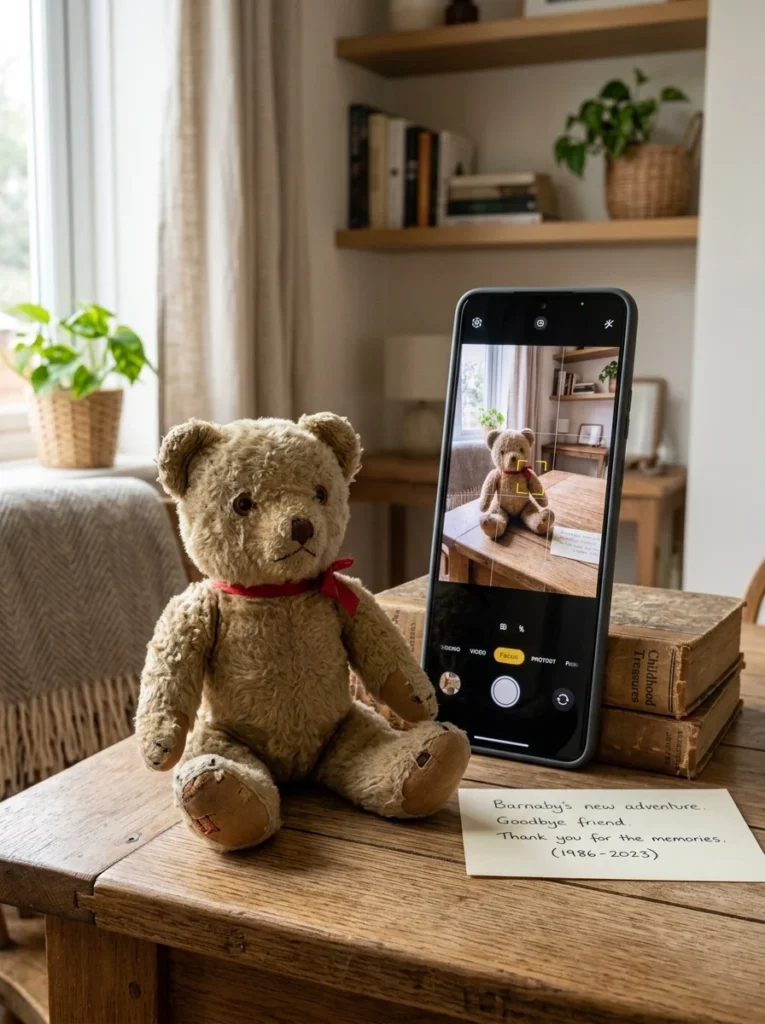
Taking a photograph of a sentimental item before letting it go preserves a visual record and the memory associated with it, without requiring the physical object to remain in your home indefinitely. This approach works particularly well for items that are more about the memory of having owned or used them than about the object’s ongoing physical presence or function.
Repurpose sentimental textiles and materials into something usable
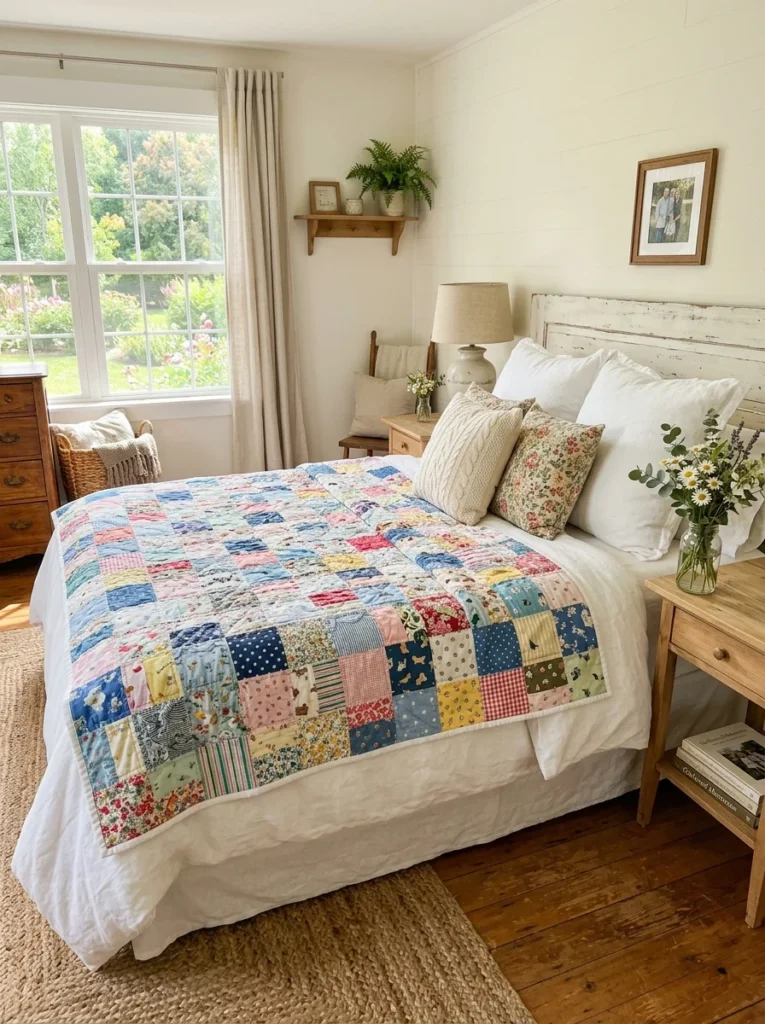
Items like old t-shirts, baby clothes, or fabric with sentimental value can sometimes be repurposed into a quilt, a small memory pillow, or another usable item, allowing the material itself to remain in some form while freeing up the storage space the original collection of individual items previously required. This isn’t the right approach for every category of sentimental item, but it’s worth considering specifically for fabric and textile-based sentimental clutter.
Set a genuine, honest time limit for decisions rather than indefinite postponement
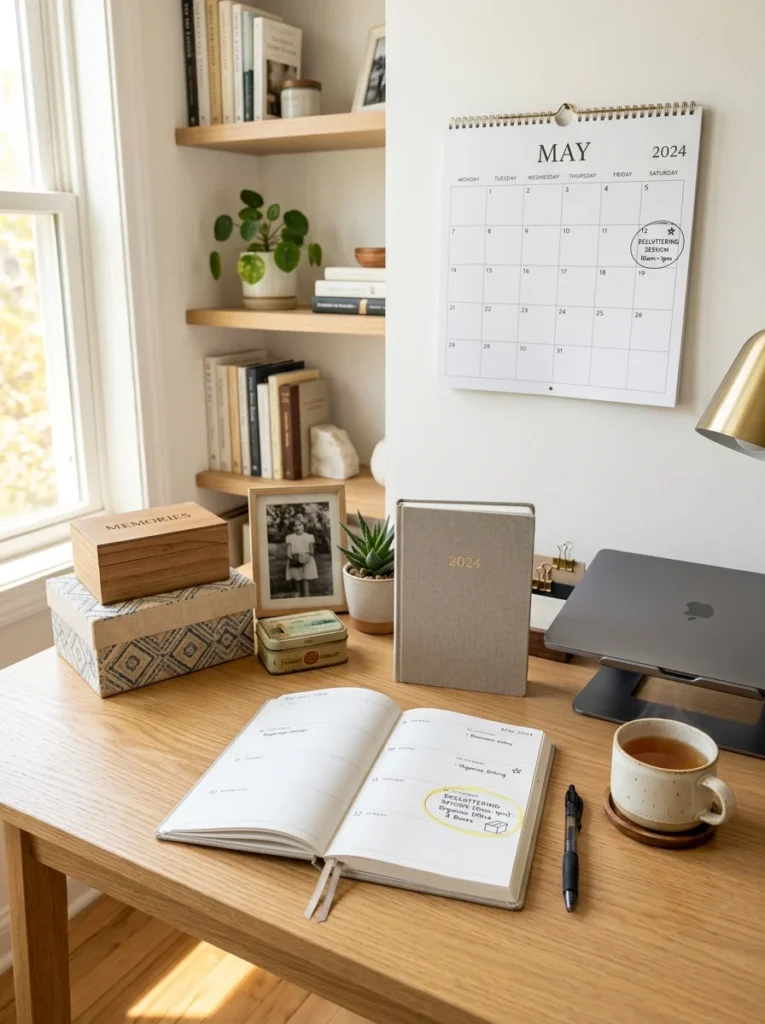
Sentimental decluttering can easily become an item that gets indefinitely postponed, since there’s rarely genuine urgency forcing a decision the way a moving deadline or a practical space constraint might. Setting a specific, real timeline for working through a particular category of sentimental items, even if that timeline is generous, provides enough structure to eventually make progress rather than the boxes remaining untouched indefinitely.
Involve family members in decisions about shared sentimental items
For items connected to family history or shared memories, involving relevant family members in the decision, rather than making a unilateral choice about items that hold meaning for multiple people, respects everyone’s connection to the shared history and can also help distribute the physical and emotional burden of storing everything among multiple households rather than concentrating it entirely with one person.
Distinguish between guilt-driven keeping and genuinely meaningful keeping
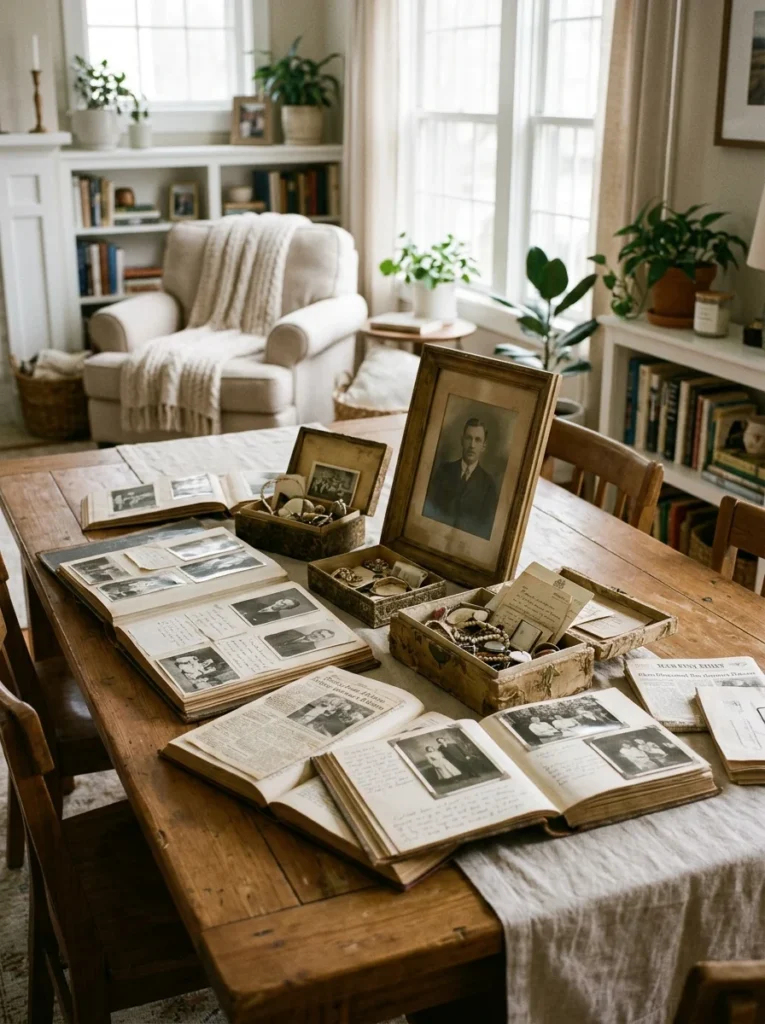
Being honest with yourself about whether you’re keeping a specific item because it genuinely holds meaning for you personally, or because you feel guilty about the idea of letting it go, particularly for gifts or inherited items, helps clarify which items are worth the ongoing space and mental energy required to keep them. Guilt alone is rarely a sustainable long-term reason to keep something that doesn’t otherwise serve or matter to you.
Create a dedicated, limited space for sentimental keepsakes
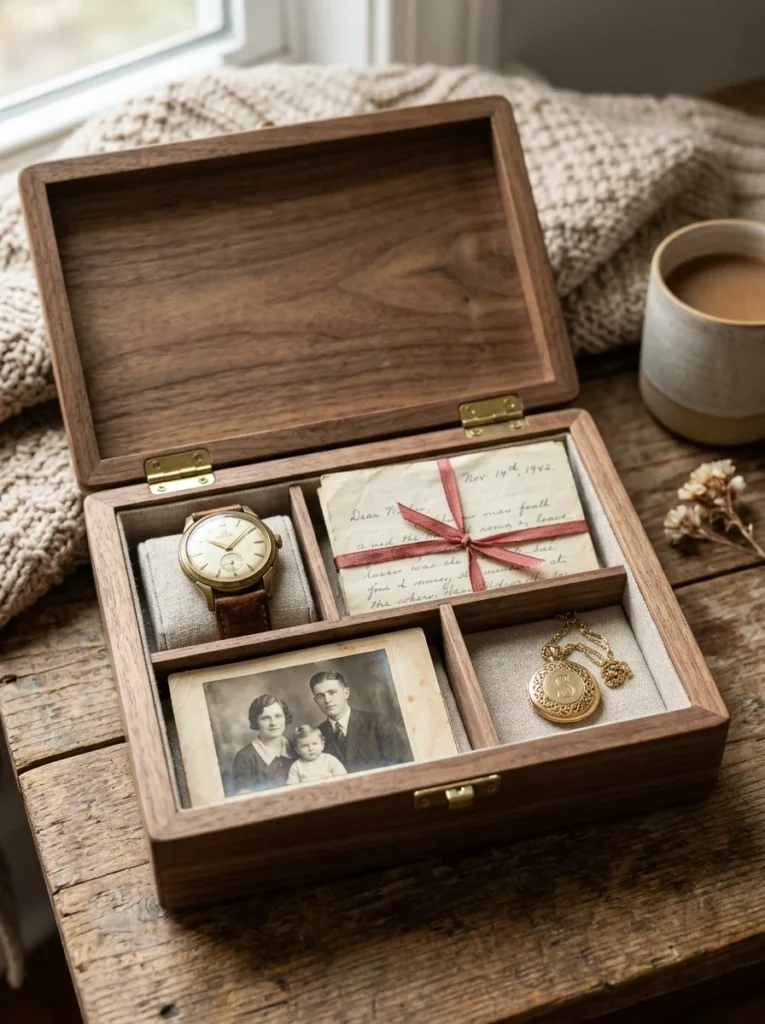
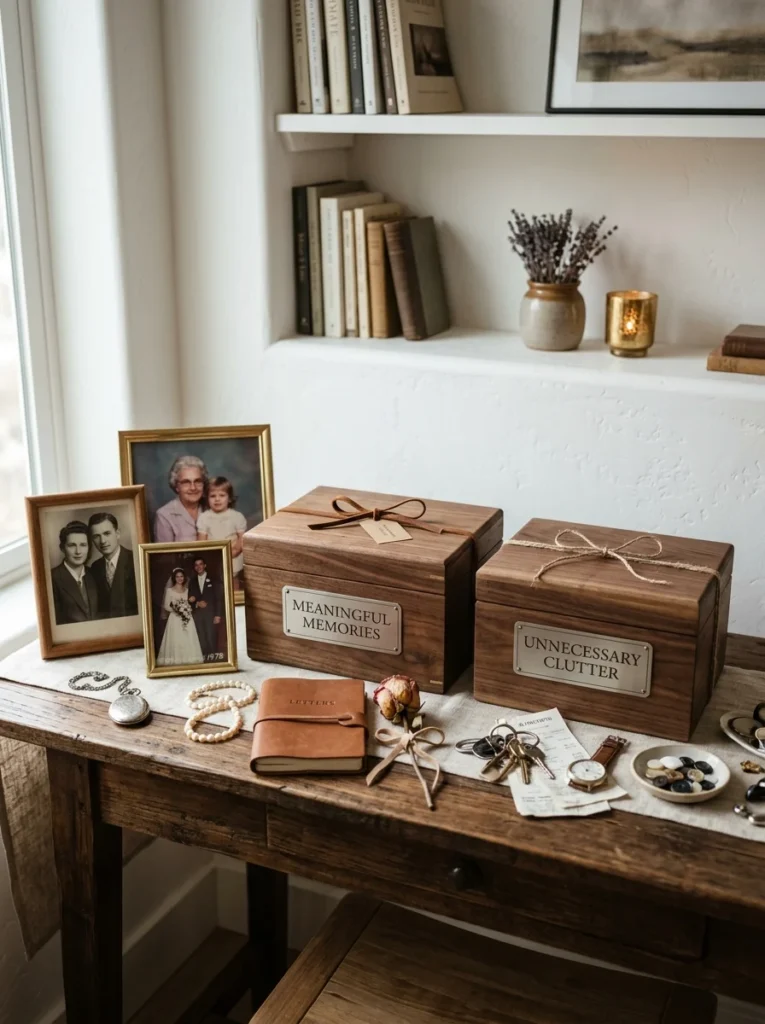
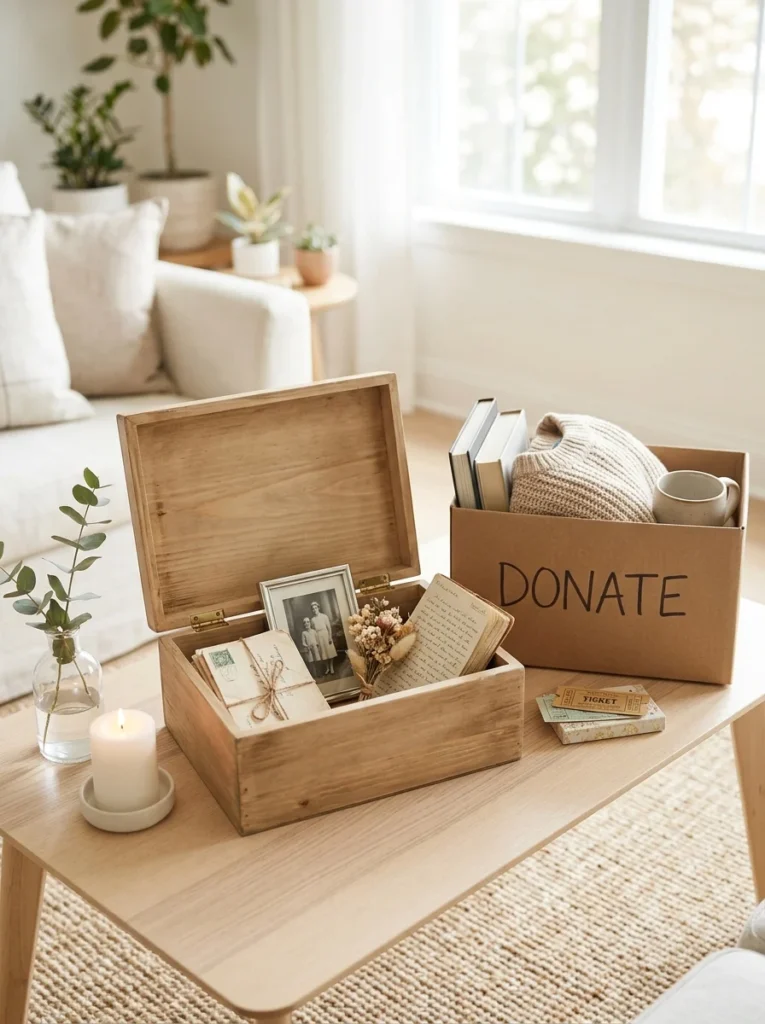
Rather than allowing sentimental items to spread indefinitely throughout your home, designating one specific, reasonably sized box or storage area specifically for keepsakes creates a natural boundary; once that space is full, adding a new item requires reconsidering what’s already there rather than simply finding more storage elsewhere in the home to accommodate unlimited accumulation.
Consider donating meaningful items to someone who will actually use them
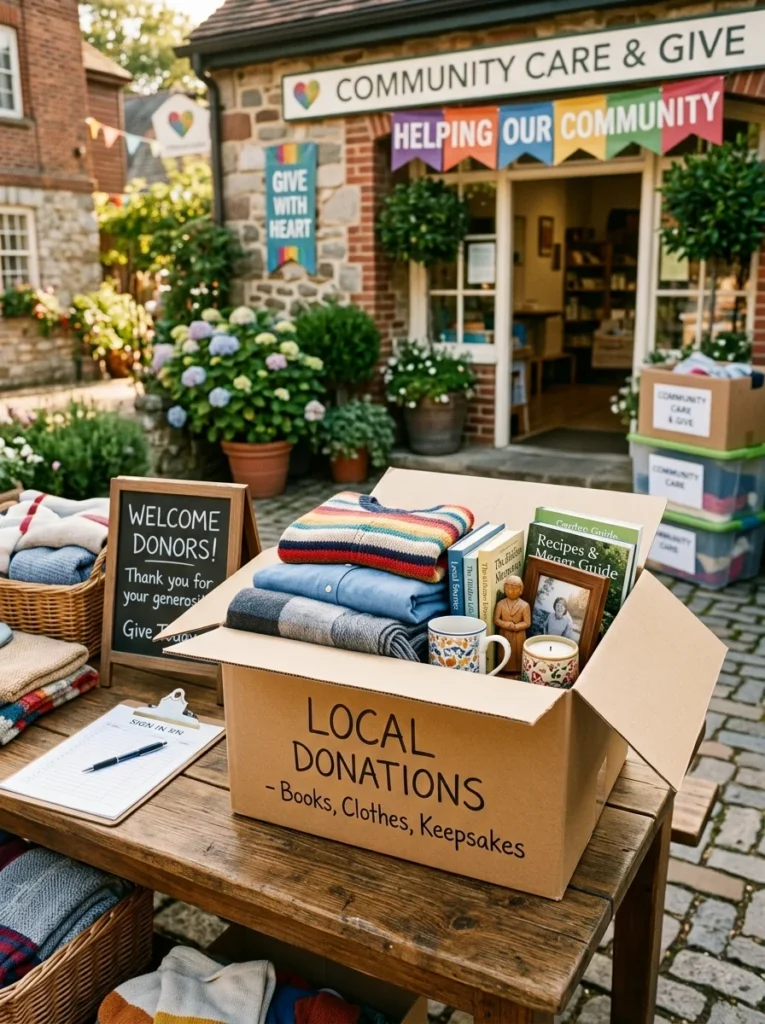
For sentimental items that are still functional and useful, clothing, tools, books, donating them to someone who will actually use and appreciate the item can feel more meaningful than the item sitting unused in storage, since the object continues serving a genuine purpose rather than simply existing as a static memory trigger in a box.
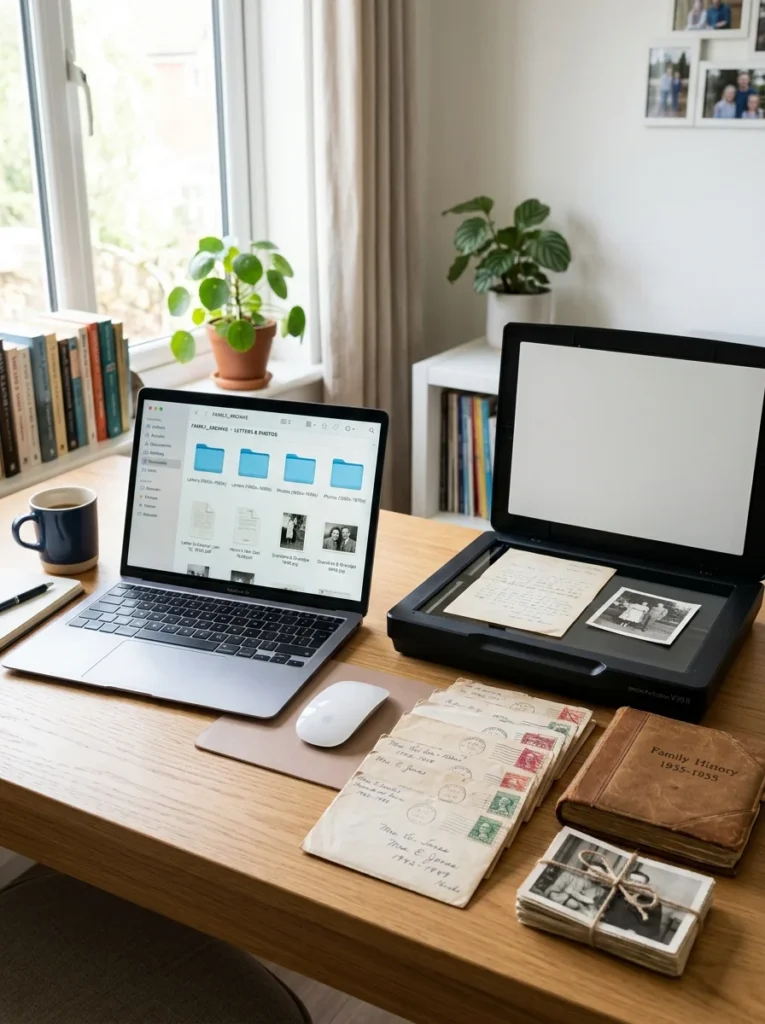
Use digital archiving for items that don’t need to be physically kept
Beyond simple photographs, scanning letters, cards, or documents with sentimental value creates a lasting digital archive that can be revisited anytime without requiring physical storage space, and organizing these digital files into clearly labeled folders makes them considerably easier to actually find and appreciate later than a physical box that gets stored away and rarely opened. This approach works particularly well for paper-based sentimental items, which often make up a significant portion of accumulated keepsakes.
Actually display and use the sentimental items you do keep
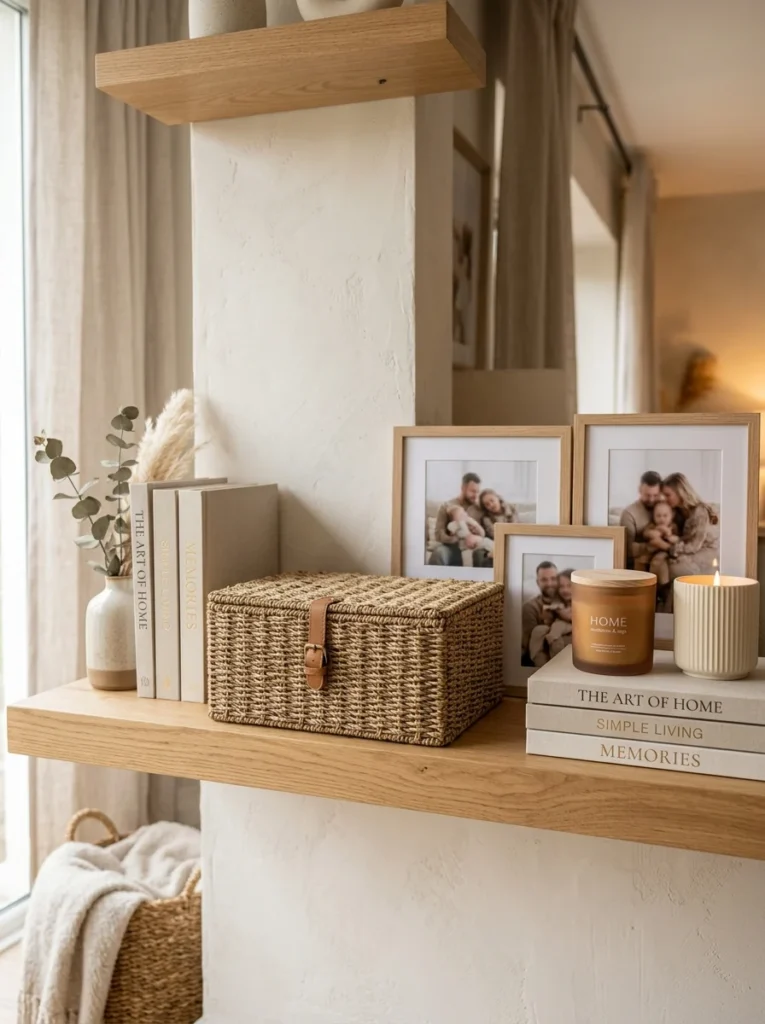
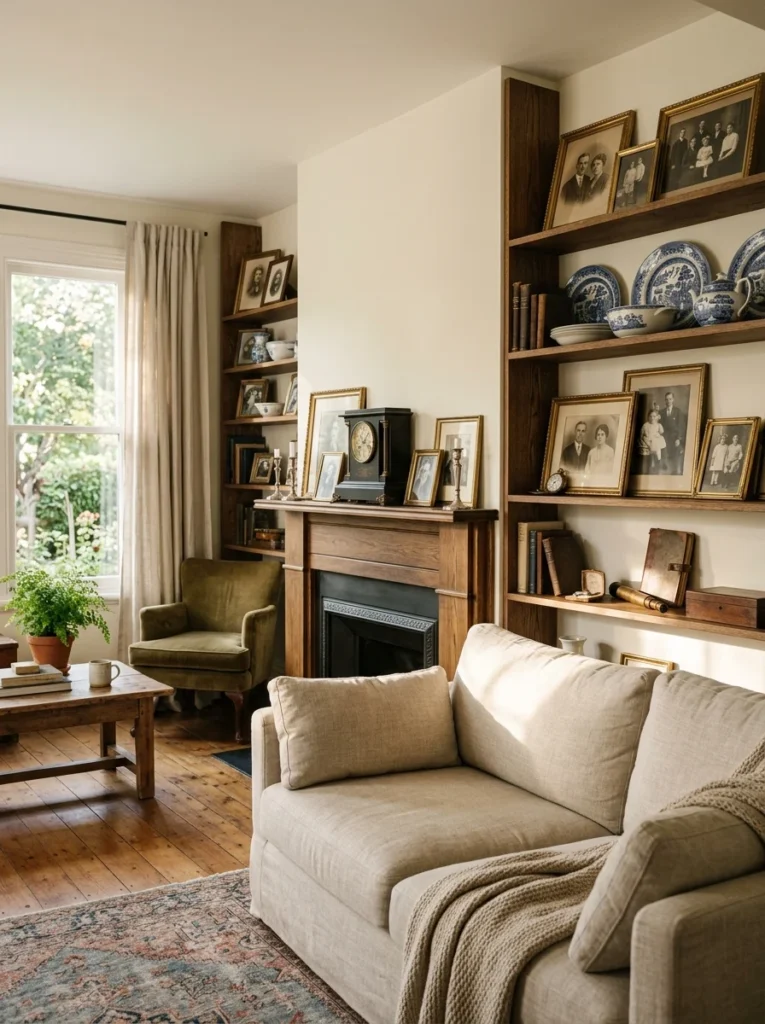
Sentimental items stored away in a box you rarely open provide far less genuine day-to-day connection to the memory they represent than items actually displayed, worn, or used regularly. Choosing to frame a meaningful photo, wear an inherited piece of jewelry, or use an heirloom dish rather than keeping it wrapped in protective storage indefinitely brings the sentimental value into your actual daily life rather than confining it to an occasional, rare rediscovery.
Recognize when decluttering sentimental items reflects growth, not disloyalty
Letting go of items connected to a former version of yourself, a past relationship, an earlier career, or a childhood phase, often reflects genuine personal growth and change rather than any kind of disloyalty to that earlier chapter of your life. Reframing this kind of decluttering as an acknowledgment of how much you’ve grown and changed, rather than a rejection or erasure of your own past, can ease some of the guilt commonly associated with this specific category of sentimental clutter.
Work through sentimental categories gradually rather than all at once
Given how emotionally taxing this category of decluttering can be, working through it in smaller, manageable sessions over an extended period, rather than attempting to process an entire lifetime of sentimental accumulation in one sitting, tends to be both more sustainable and more likely to result in decisions you genuinely feel good about, rather than choices made purely out of emotional exhaustion partway through an overwhelming single session.
Is it wrong to get rid of gifts I don’t actually use or want?
No, keeping a gift purely out of guilt rather than genuine attachment or use often isn’t sustainable long-term, and the sentiment behind a gift, the giver’s thoughtfulness, remains valid regardless of whether the specific object stays in your home indefinitely.
Should I keep every item that belonged to a deceased loved one?
Not necessarily. Choosing a smaller number of genuinely meaningful representative pieces, rather than keeping an entire collection, allows you to maintain a real connection to their memory without the burden of storing everything, and the memory itself remains intact regardless of which specific items you keep.
Does photographing an item before letting it go actually help?
Many people find that photographing a sentimental item preserves the visual memory and the feeling of having owned it, without requiring the physical object to remain in the home, which can be a genuinely helpful middle ground for items that are more about memory than ongoing use.
How do I handle sentimental items connected to multiple family members?
Involving relevant family members in the decision, rather than deciding unilaterally, respects everyone’s connection to shared history and can help distribute both the physical storage and the emotional weight of these decisions across more than one person.
Is scanning or photographing sentimental papers a good alternative to keeping them?
Yes, scanning letters, cards, and documents into organized digital folders creates a lasting archive that’s often easier to actually revisit and appreciate than a physical box stored away and rarely opened, making it a genuinely helpful option for paper-based sentimental items.
Does getting rid of items from a past chapter of my life mean I’m rejecting it?
Not at all. Letting go of items connected to a former relationship, job, or life phase often reflects genuine personal growth rather than disloyalty, and reframing the decision this way can ease much of the guilt commonly associated with this specific category.
Decluttering sentimental items without guilt comes down to recognizing that a memory’s value doesn’t depend on keeping every physical object connected to it, choosing a smaller number of genuinely meaningful pieces, allowing yourself to feel the emotional weight of the process rather than rushing through it, and creating reasonable boundaries like a dedicated keepsake space rather than unlimited accumulation.
The handful of my grandmother’s items I ultimately chose to keep, displayed and genuinely enjoyed rather than boxed away and forgotten, connect me to her memory far more meaningfully now than the unopened boxes ever did. If you’re facing your own accumulation of sentimental items, give yourself permission to choose a few pieces that genuinely matter rather than feeling obligated to keep everything; the memory itself was never really stored in the object to begin with.