A friend once complimented our living room wall art, asking where we’d found such a striking gallery piece, and was genuinely surprised when I told her it was a print I’d found for a fraction of what she assumed, framed in a simple frame from a home goods store. That moment made me realize how much of what reads as expensive wall decor actually comes down to presentation, scale, and thoughtful arrangement rather than the underlying cost of the pieces themselves. Since then, I’ve gotten much more intentional about applying those same principles deliberately, rather than stumbling onto them by accident.
Wall decor that looks genuinely expensive doesn’t have to actually be expensive. A handful of consistent principles, scale, framing, arrangement, and material choice, do far more visual work than the underlying price tag of any individual piece. Here’s how to apply them on a real budget.
Prioritize scale over price when choosing art
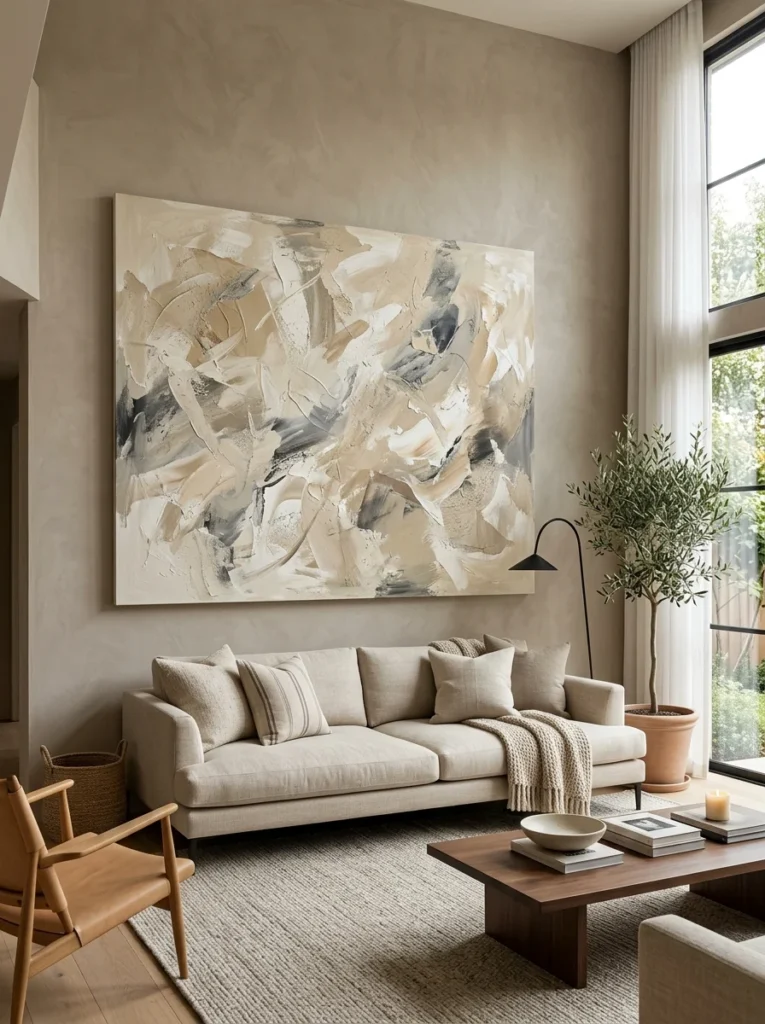
A larger piece of art, even an inexpensive print, generally reads as more impactful and intentional than several small, scattered pieces that individually cost more but collectively lack the same visual presence. Oversized art has become considerably more accessible and affordable through print-on-demand services and large-format poster printing, making genuine scale achievable even on a tight budget, provided you’re comfortable choosing a well-composed digital print over an original piece.
Invest in quality framing even for inexpensive prints
A cheap, flimsy frame undermines even a genuinely beautiful print, while a well-chosen, sturdier frame elevates a budget print considerably beyond its actual cost. Spending a bit more specifically on framing, even while keeping the print or poster itself inexpensive, is one of the most reliable ways to make budget wall decor look considerably more expensive than it actually was, since the frame is often what people’s eyes register first before ever considering the art inside it.
Use a mat board to add visual weight and gallery presence
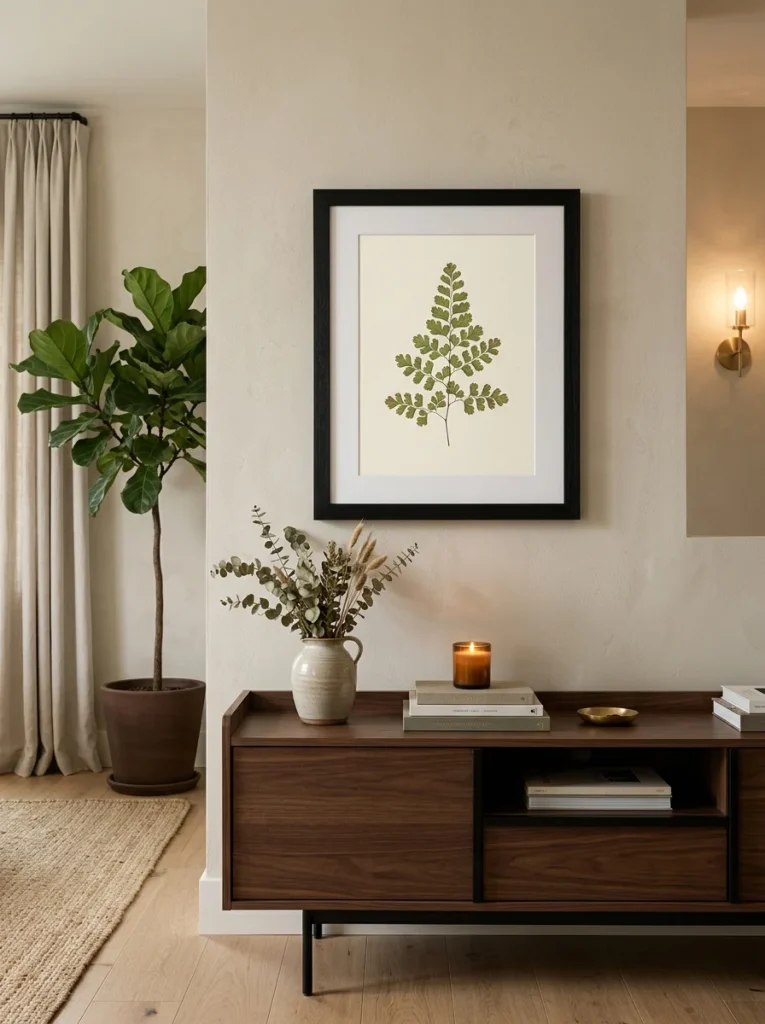
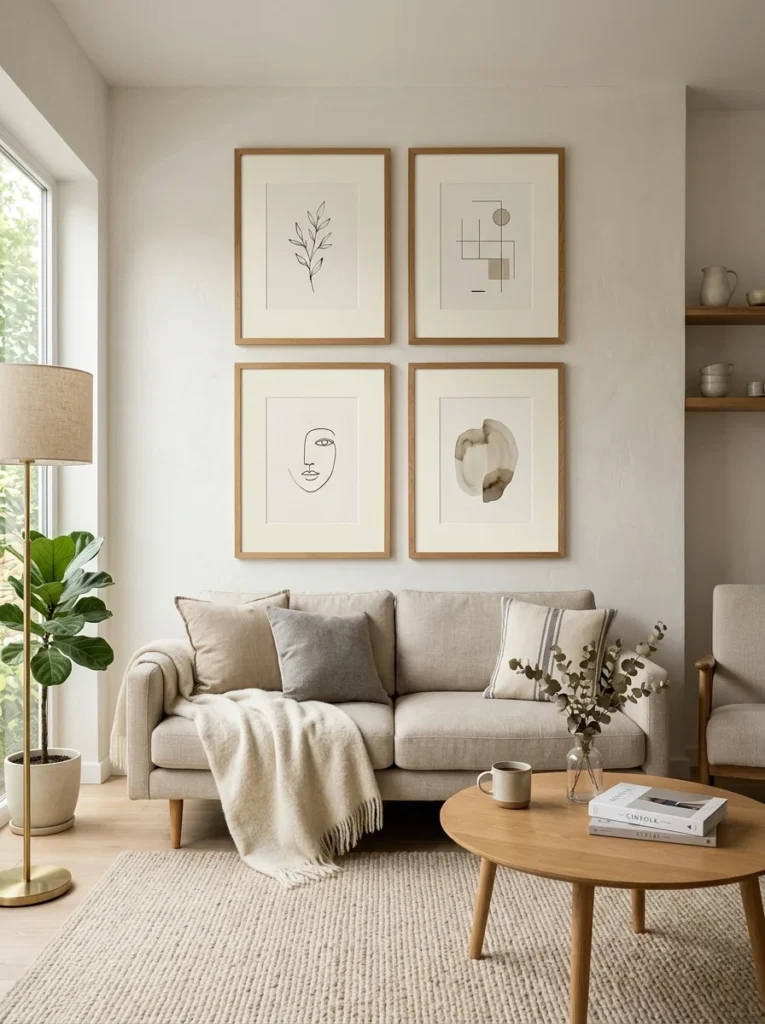
A generous mat board around a smaller print, rather than framing it edge to edge, creates the kind of visual breathing room commonly seen in genuine gallery and museum presentations, immediately elevating the perceived value and intentionality of the piece. This technique also allows a smaller, more affordable print to fill a proportionally larger frame and wall space than the print alone would otherwise occupy, addressing the scale principle without needing an actually larger, more expensive print.
Choose free or low-cost digital art and prints thoughtfully
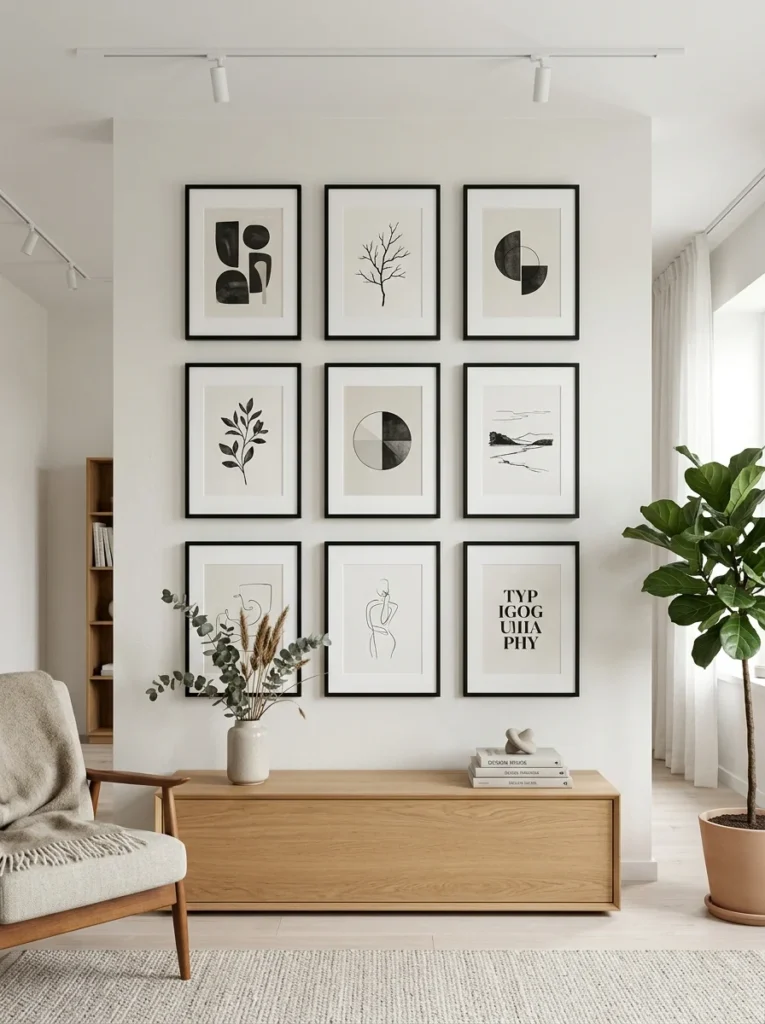
Public domain art from museum archives, affordable stock photography, or budget digital prints from independent artists on marketplace platforms all offer genuinely striking options at a fraction of what an original piece or licensed reproduction would cost. Being selective about composition and color, rather than choosing purely based on the lowest available price, ensures these budget-friendly sources still deliver a piece that looks intentional and considered rather than obviously like a random, low-effort choice.
Create custom art using your own photography
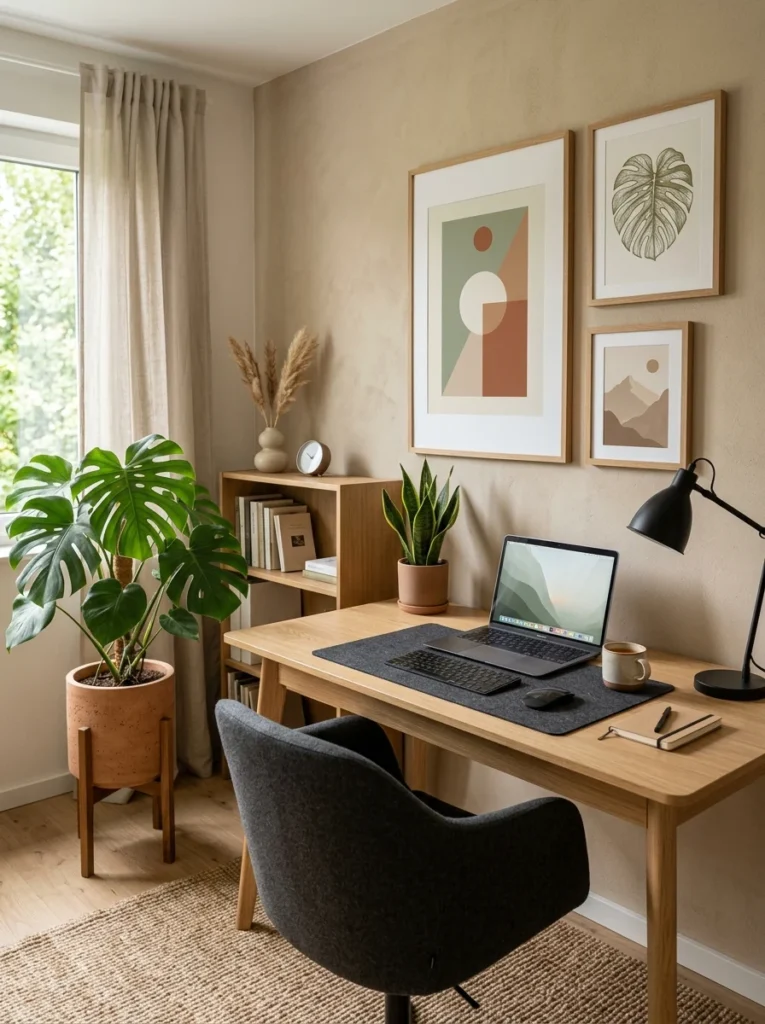
A well-composed photograph you’ve taken yourself, printed large and framed thoughtfully, can look just as striking as purchased art, while adding a genuinely personal element that store-bought pieces can’t replicate. Black-and-white photography in particular tends to read as more intentional and gallery-like than color images, making this a good direction to explore if you’re working from your own photo collection rather than purchasing new art.
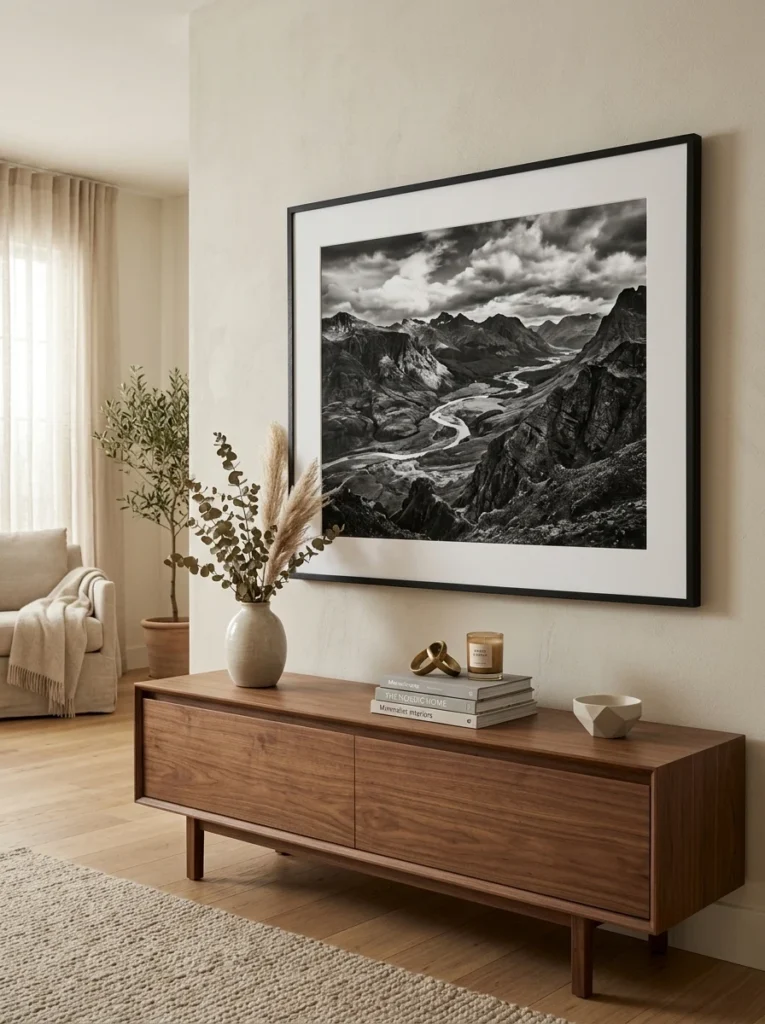
Use textiles as an affordable alternative to framed art
A patterned scarf, a small textile, or an affordable tapestry, stretched over a simple frame or hung directly using a dowel and simple hanging cord, offers texture and visual interest at a considerably lower cost than most framed art, while still reading as an intentional, considered design choice rather than an obvious budget shortcut.
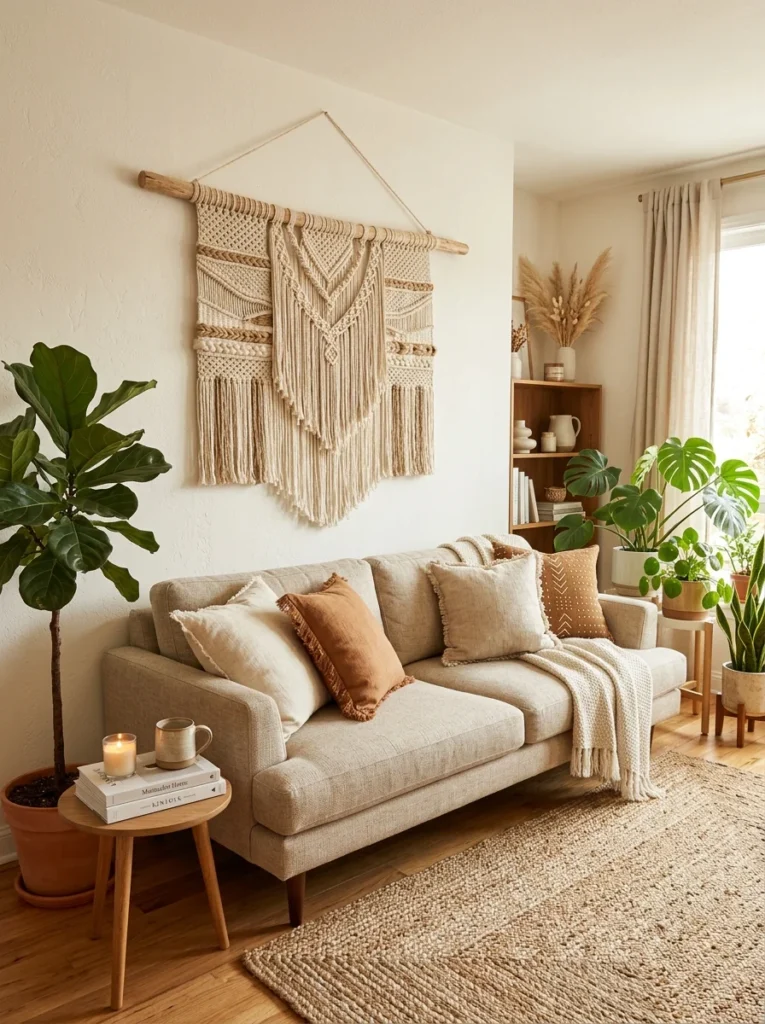
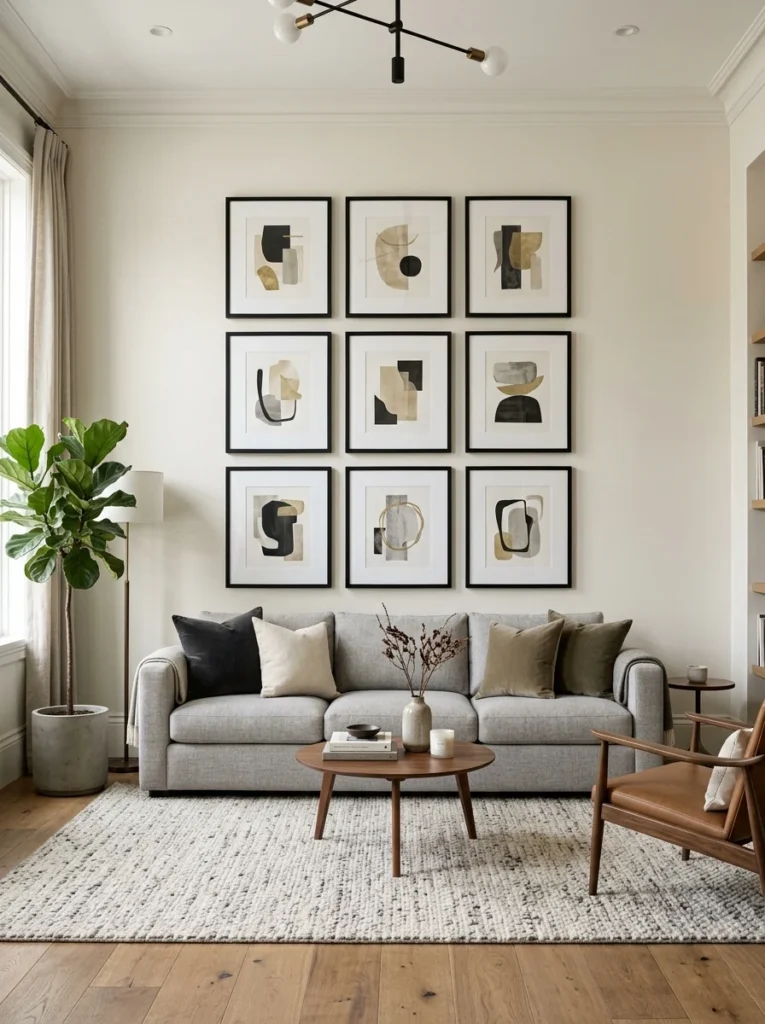
Group smaller, inexpensive pieces using the gallery wall principles
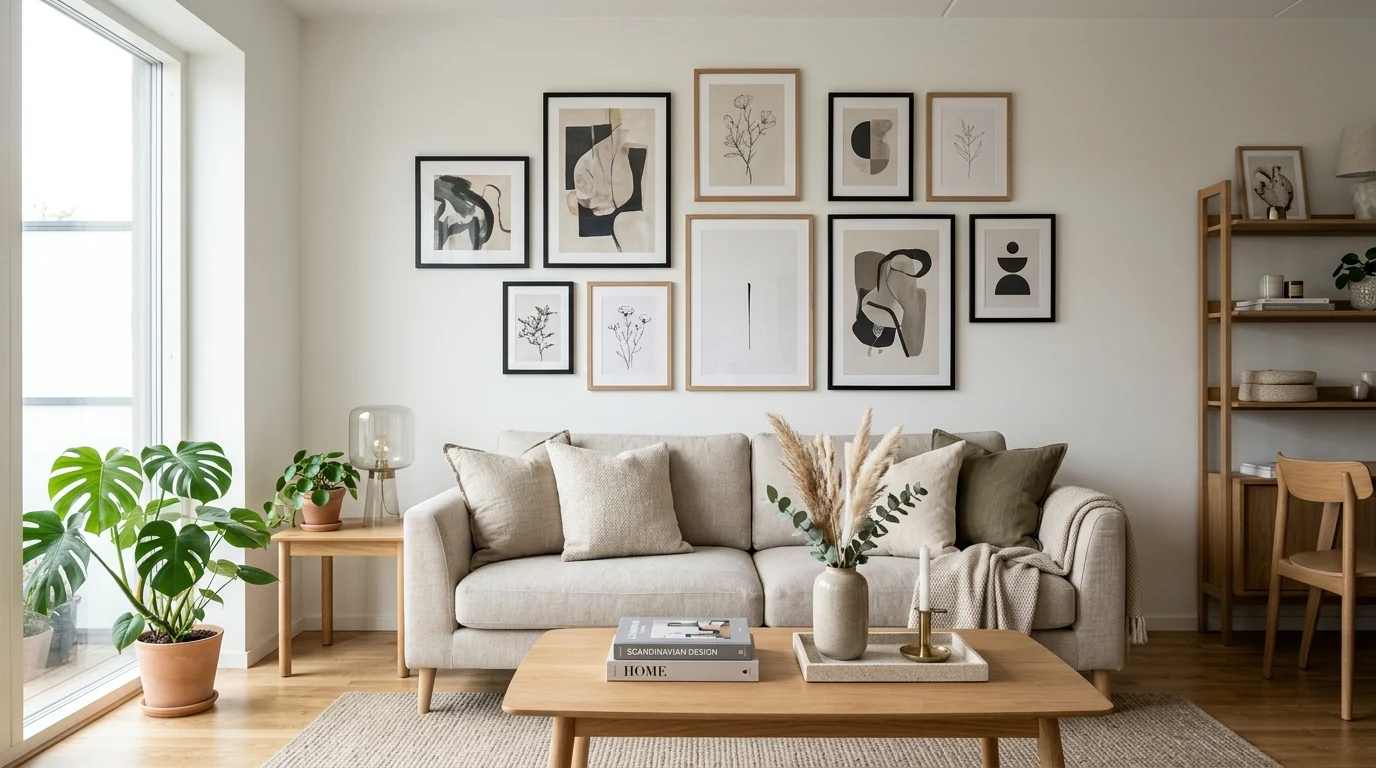
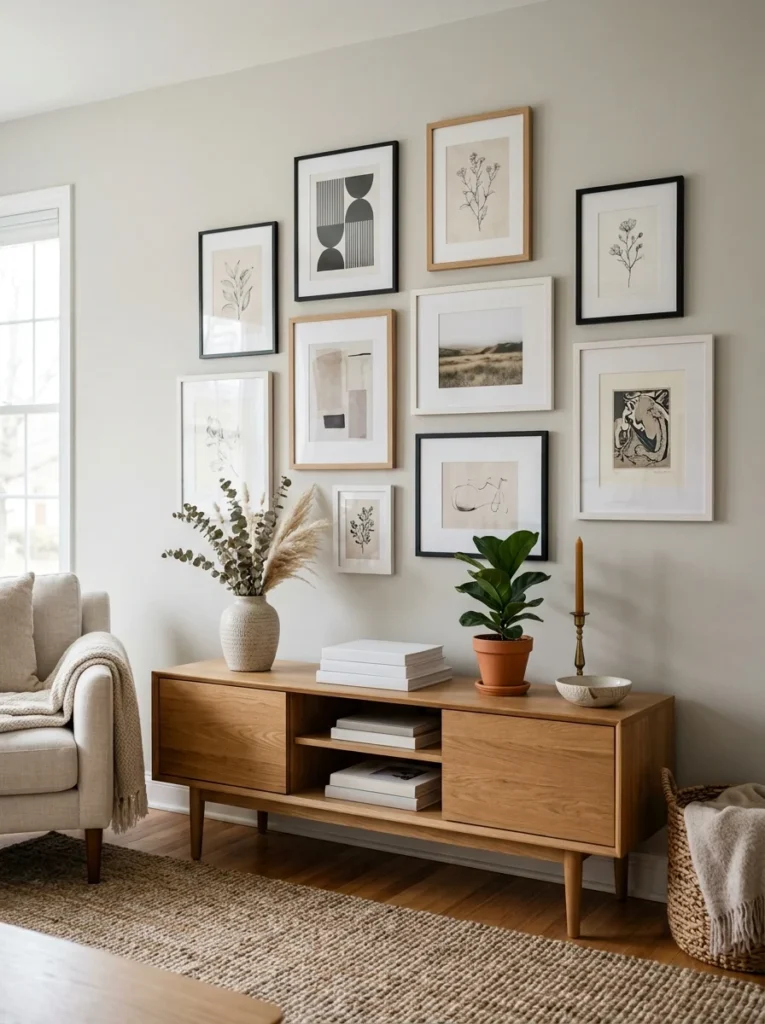
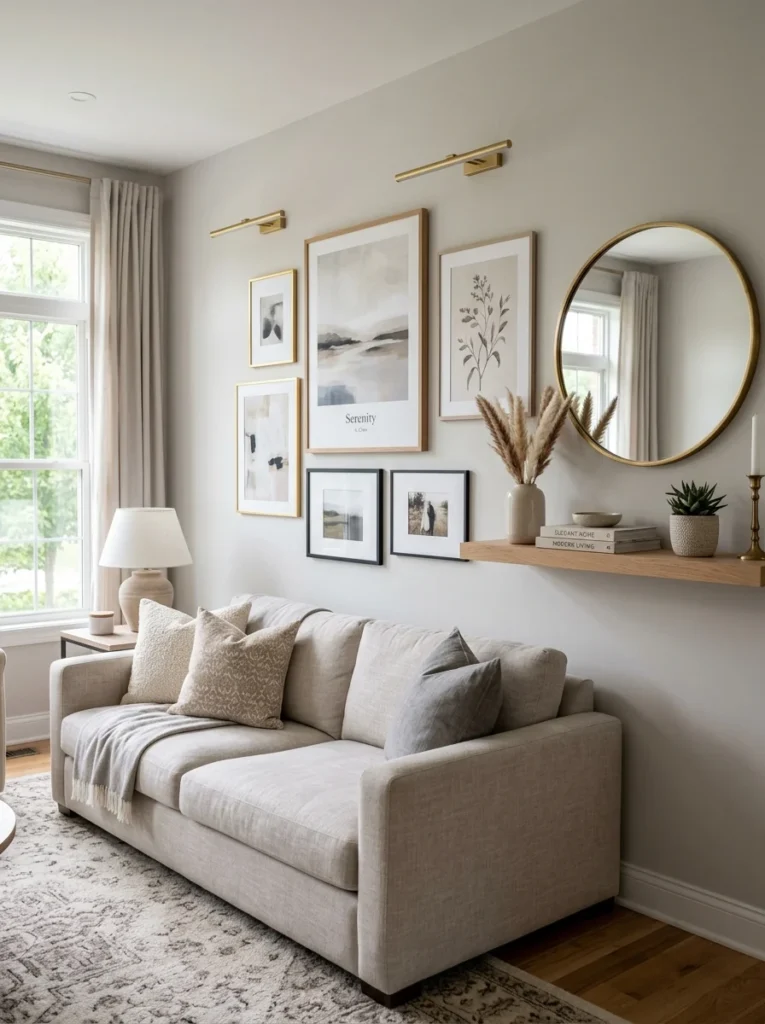
Rather than searching for one expensive statement piece, arranging several smaller, more affordable prints and frames using genuine gallery wall planning, consistent spacing, a unifying color thread, thoughtful floor-planning before hanging, achieves a similarly impressive visual impact through intentional arrangement rather than individual piece cost. The principles covered in dedicated gallery wall planning guides apply just as effectively to a budget-conscious collection as to an expensive one.
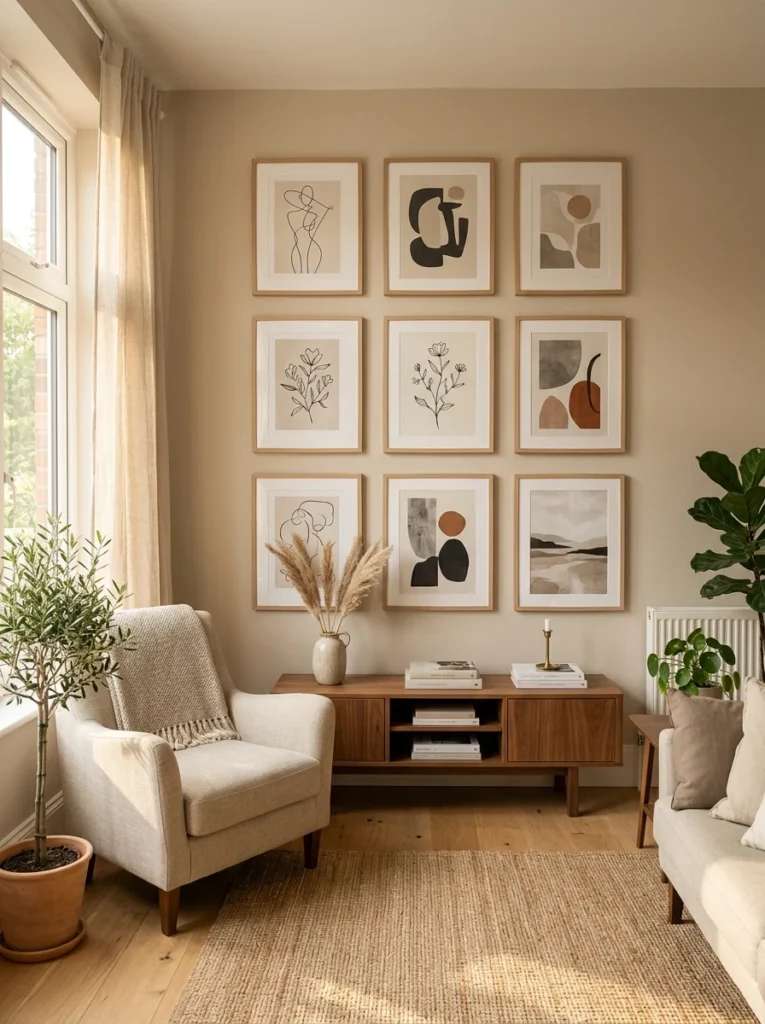
Choose a consistent frame color across an eclectic collection
Buying a mix of inexpensive frames from various sources but keeping them all the same color, all black, all natural wood, all white, creates a cohesive, considered look even when the individual pieces themselves came from very different budget sources. This consistency is one of the most effective ways to make an eclectic, cost-conscious collection read as curated rather than randomly assembled.
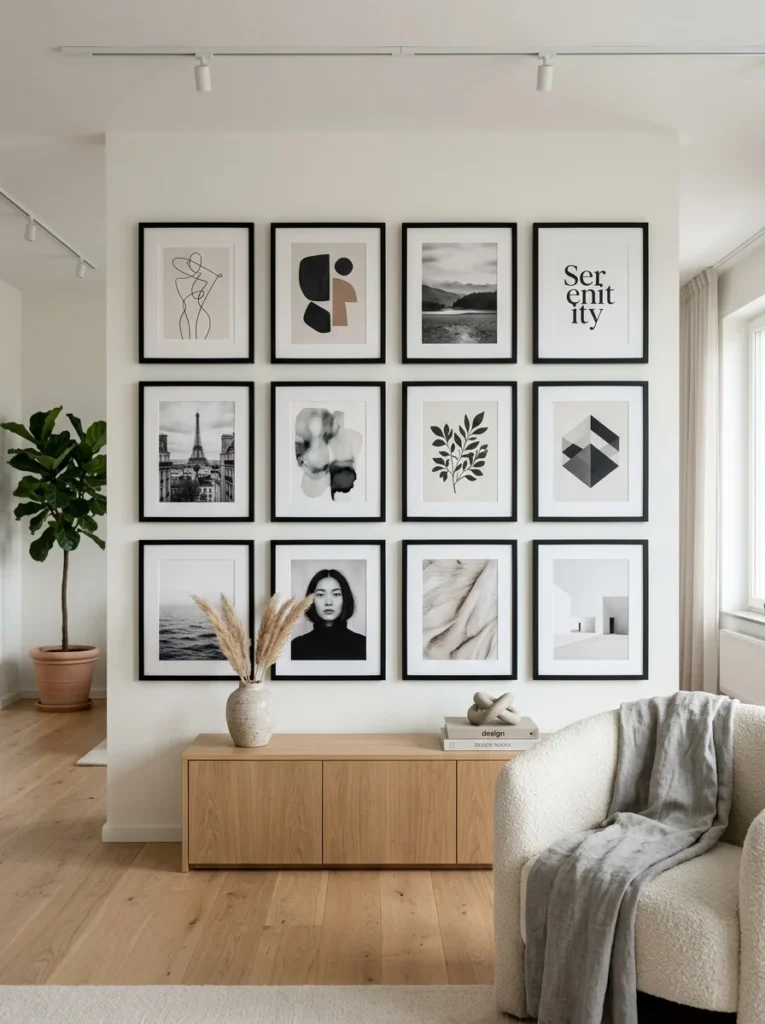
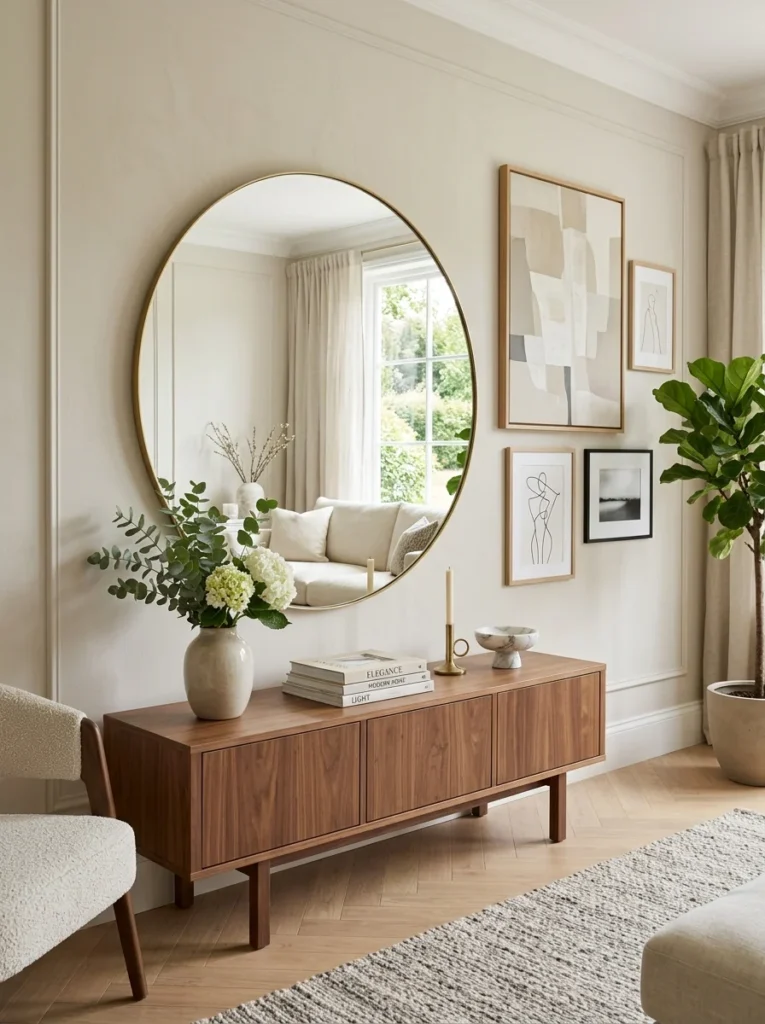
Use mirrors as an affordable substitute for additional art
A simple, well-chosen mirror often costs less than an equivalently sized piece of framed art while adding both visual interest and the practical benefit of reflecting light back into the room. Incorporating one or two mirrors within a broader wall decor arrangement stretches a limited decorating budget further than filling every available spot with framed art alone.
Repurpose and thrift for unique, budget-friendly pieces
Secondhand shops, estate sales, and online marketplaces frequently offer genuinely interesting frames, art, and mirrors at a fraction of retail cost, sometimes including pieces with a level of craftsmanship or character that would be considerably more expensive if purchased new. A fresh coat of paint on a dated but structurally sound frame, or simply swapping the art inside a secondhand frame you like, extends this budget-friendly sourcing even further.

Don’t skip proper hanging and leveling, regardless of budget
A crooked or improperly hung piece undermines even the most beautifully chosen, well-framed budget art, while a level, properly positioned piece elevates the perceived quality of even an inexpensive print. This final step costs nothing beyond a bit of care and attention, making it one of the highest-value, lowest-cost details in the entire budget wall decor process.
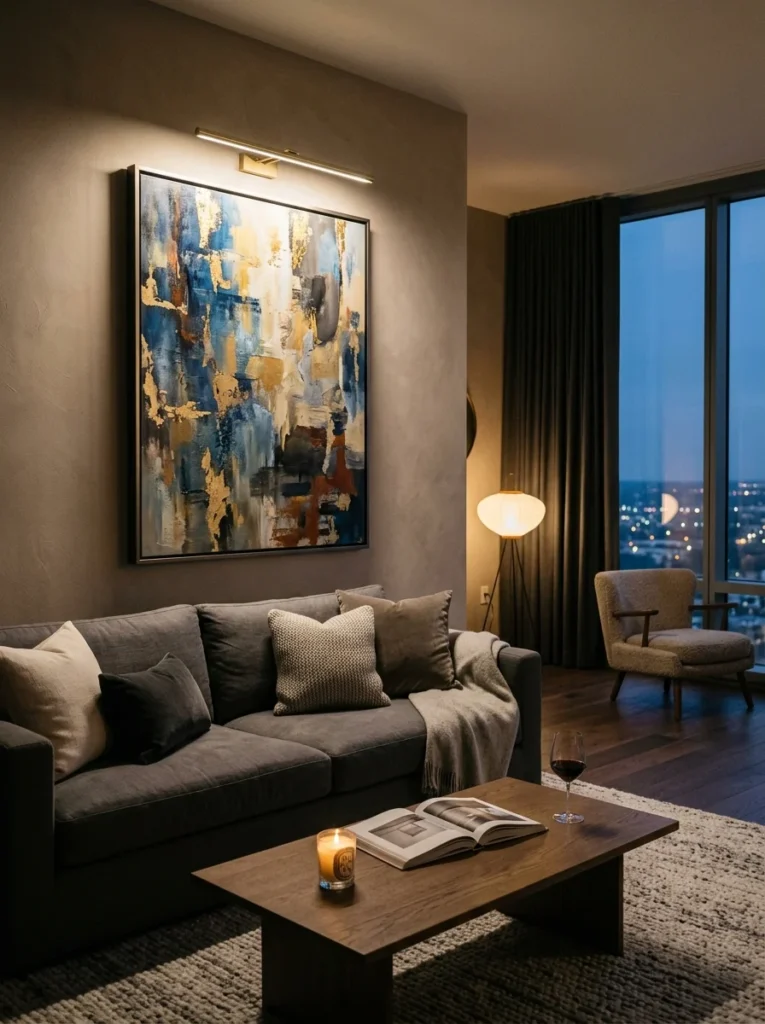
Add simple lighting to elevate any piece of wall art
A small, inexpensive picture light mounted above a piece of art, or even a well-placed floor or table lamp positioned to cast light across a wall, adds a gallery-like quality that immediately makes the surrounding art feel more curated and intentional. This lighting technique is commonly used in genuine galleries and high-end homes specifically because it works, and it’s an entirely achievable, low-cost addition regardless of what the underlying art itself actually cost.
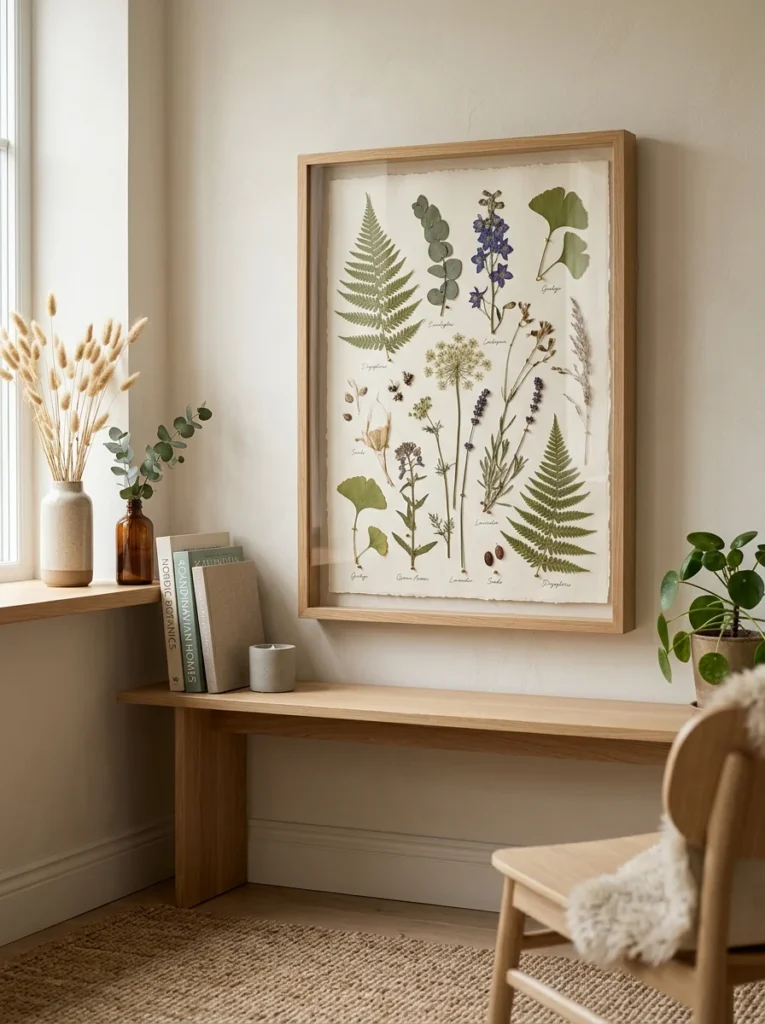
Use shadow boxes or 3D framing for everyday objects
A shadow box frame, which accommodates three-dimensional objects rather than just a flat print, can turn genuinely inexpensive or even free items, pressed botanicals, an interesting piece of driftwood, a collection of small found objects, into a striking piece of wall art that looks considerably more expensive and intentional than the objects themselves would suggest on their own. This approach also offers a genuinely unique alternative to standard framed prints, which can help a budget-conscious space avoid looking like it’s simply using cheaper versions of typical decor choices.
Layer smaller decorative objects near larger art pieces
A small shelf positioned near or beneath a larger framed piece, holding a few carefully chosen smaller objects, a small vase, a candle, a meaningful trinket, adds the kind of layered, collected-over-time depth that expensive, professionally styled homes often display, without requiring any of those individual objects to be particularly costly. This layering technique is less about any single expensive item and more about the combined effect of thoughtful, varied elements working together near the main art piece.
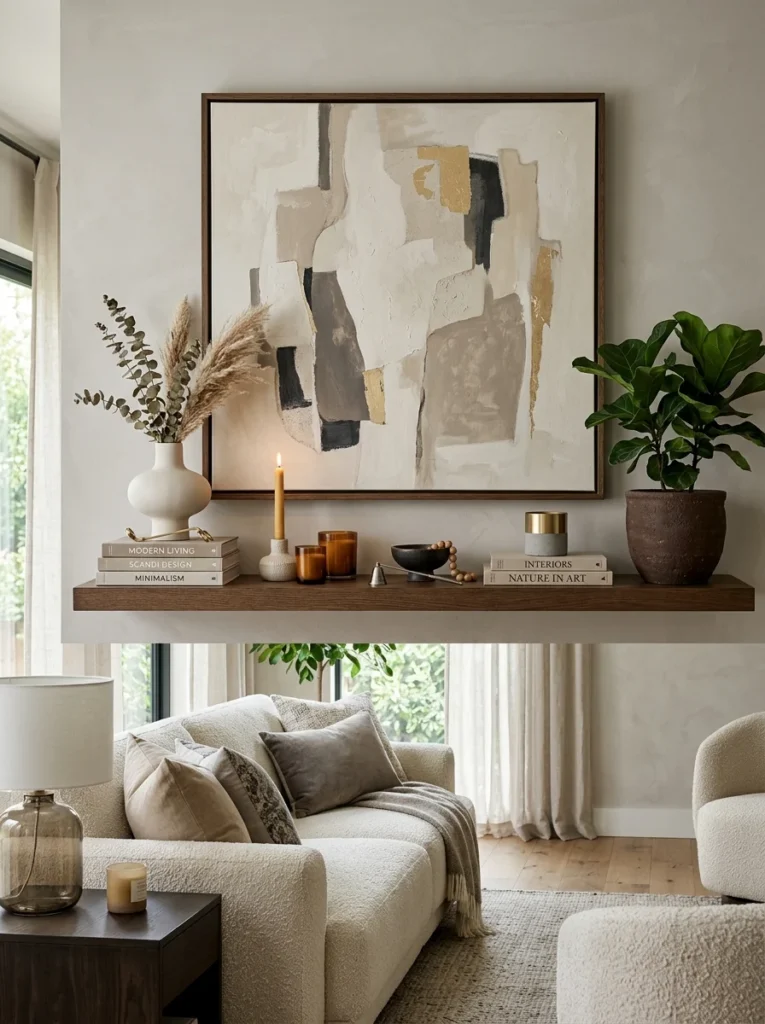
Choose warm, neutral mat and frame combinations for a timeless look
Sticking to warm whites, natural wood tones, or simple black frames, rather than trend-driven colors or finishes that might look dated within a few years, helps budget wall decor maintain its elevated appearance over time rather than starting to look cheap the moment a specific color trend fades. This timeless quality is part of what makes genuinely expensive-looking decor read as considered rather than simply current, since it doesn’t rely on a specific fleeting trend to look good.
What’s the single best way to make budget wall decor look expensive?
Investing in quality framing, even for an inexpensive print, is one of the most reliable ways to elevate budget wall decor, since a sturdy, well-chosen frame is often what people’s eyes register first, before ever considering the cost of the art inside it.
Are large prints a good budget-friendly option for wall art?
Yes, print-on-demand and large-format poster printing have made oversized art considerably more accessible and affordable, allowing you to achieve genuine visual scale and impact without the cost of an original large-scale piece.
Can thrifted frames and art actually look good in a home?
Yes, secondhand shops and marketplaces frequently offer well-made frames and interesting pieces at a fraction of retail cost, and a fresh coat of paint or a simple art swap inside a secondhand frame can make these finds look completely intentional and current.
Does frame color consistency matter for budget wall decor collections?
Yes, keeping frames from various budget sources in one consistent color, all black, all wood tone, all white, creates a cohesive look that reads as curated rather than randomly assembled, even when the individual pieces came from very different places.
Does adding lighting really make wall art look more expensive?
Yes, a small picture light or a well-positioned lamp casting light across art adds a gallery-like quality commonly used in high-end homes specifically because it works, and it’s an affordable addition regardless of what the underlying art itself cost.
What is a shadow box and why is it good for budget decor?
A shadow box is a frame designed to hold three-dimensional objects rather than just a flat print, and it can turn inexpensive or free items, like pressed botanicals or found objects, into striking wall art that looks considerably more intentional and expensive than the objects would suggest on their own.
Wall decor that looks genuinely expensive comes down to a handful of consistent principles, scale, quality framing, thoughtful arrangement, and consistent color choices, that have far more visual impact than the actual price paid for any individual piece. Applying these principles deliberately lets a genuinely modest budget produce results that read as considerably more expensive than they actually were.
That living room print my friend admired remains one of the more affordable pieces in our whole house, its impact coming almost entirely from its generous scale and the quality frame surrounding it rather than its actual purchase price. If you’re decorating on a real budget, focus your limited funds on scale and framing first, and let those two principles do most of the heavy lifting that people mistakenly assume comes from a bigger price tag.