When we found out we were expecting but chose not to learn the sex before birth, I quickly realized how much of the baby gear and nursery inspiration out there assumes you already know, pink for one outcome, blue for the other, with surprisingly little genuinely thoughtful middle ground. Designing our nursery without that information forced me to think harder about what actually makes a room feel warm and considered, rather than just defaulting to a color-coded theme, and the result ended up being a space I liked considerably more than the more predictable version I might have otherwise put together.
A gender-neutral nursery isn’t just a practical choice for parents who don’t know or don’t want to emphasize a specific gender; it’s also often a more flexible, longer-lasting design approach that can transition more gracefully as your child grows. Here’s how to build one thoughtfully, at any budget level.
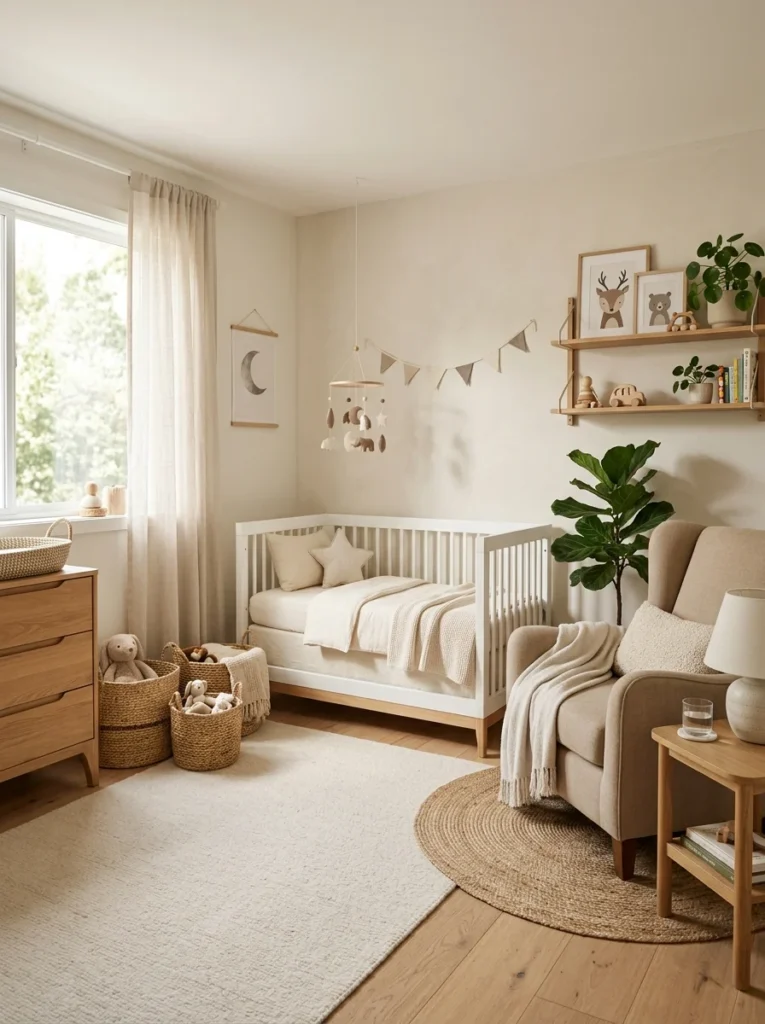
Start with a versatile, neutral color palette
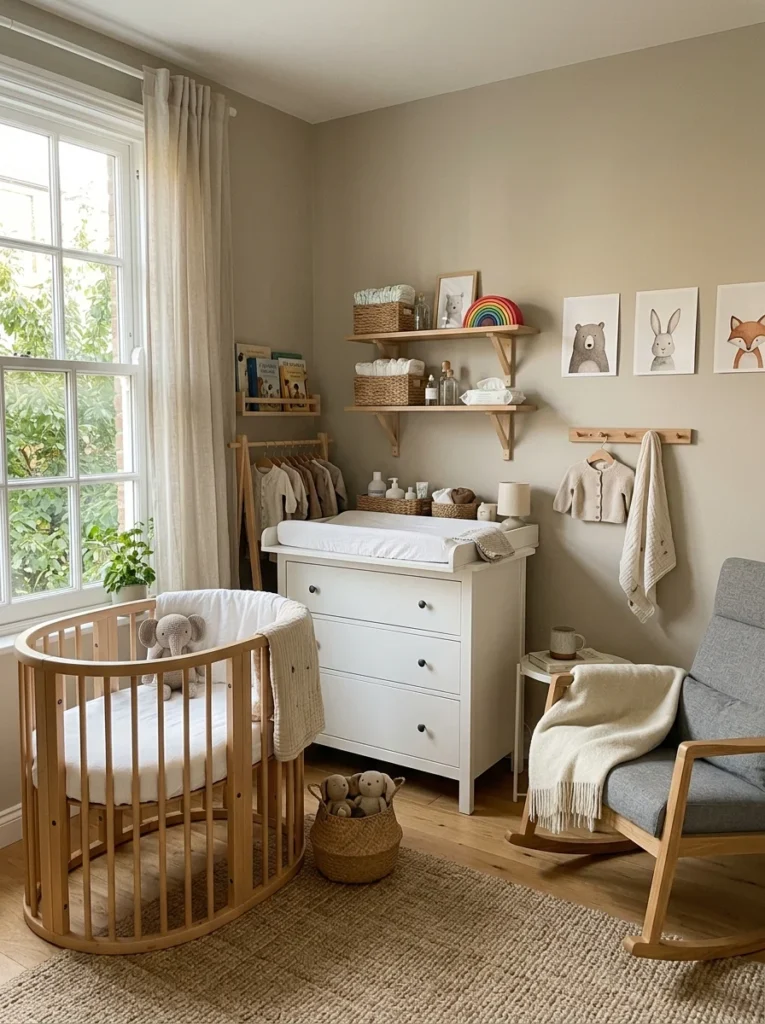
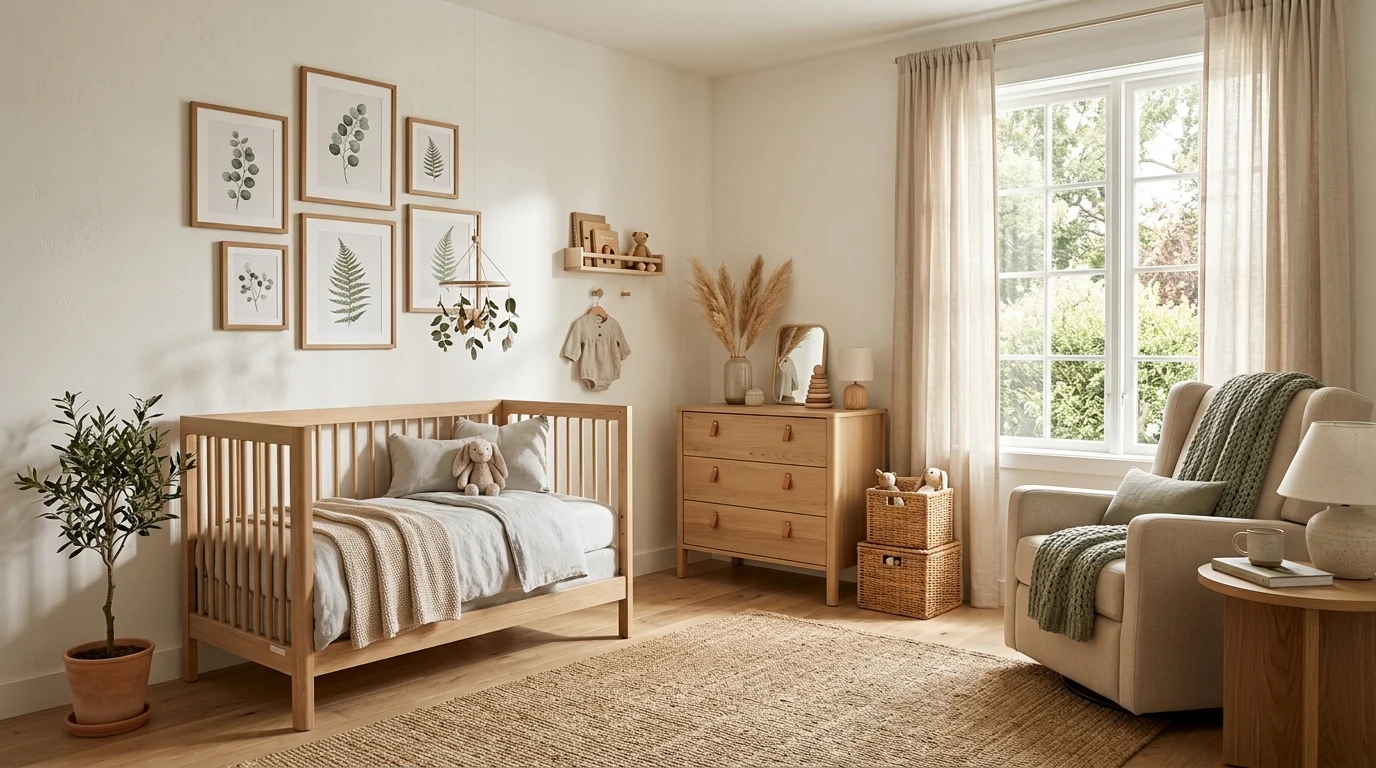
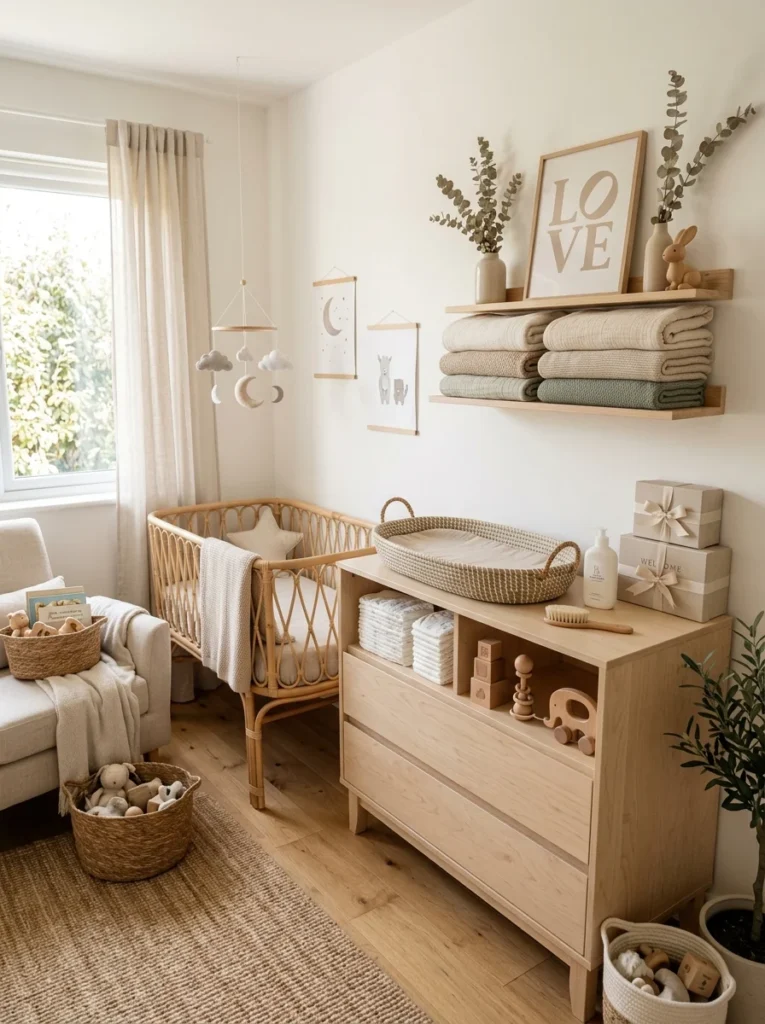
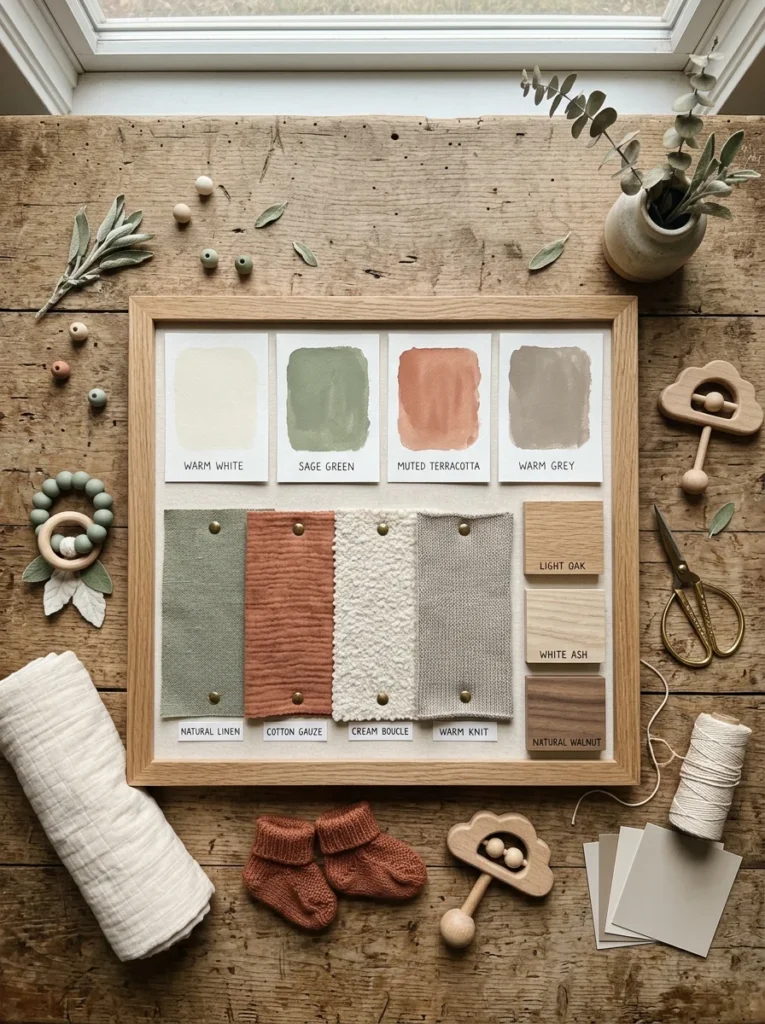
Soft neutrals, warm whites, sage greens, soft ochres, warm greys, and muted terracottas all work beautifully in a nursery without leaning toward a specifically gendered color association. These tones also tend to photograph and live well in a variety of lighting conditions, and they provide a calm, soothing backdrop that many child development resources suggest supports a restful environment for both baby and parents during nighttime routines. Paint is one of the most affordable ways to establish this palette, and a single gallon can transform the entire feel of the room for a relatively small cost.
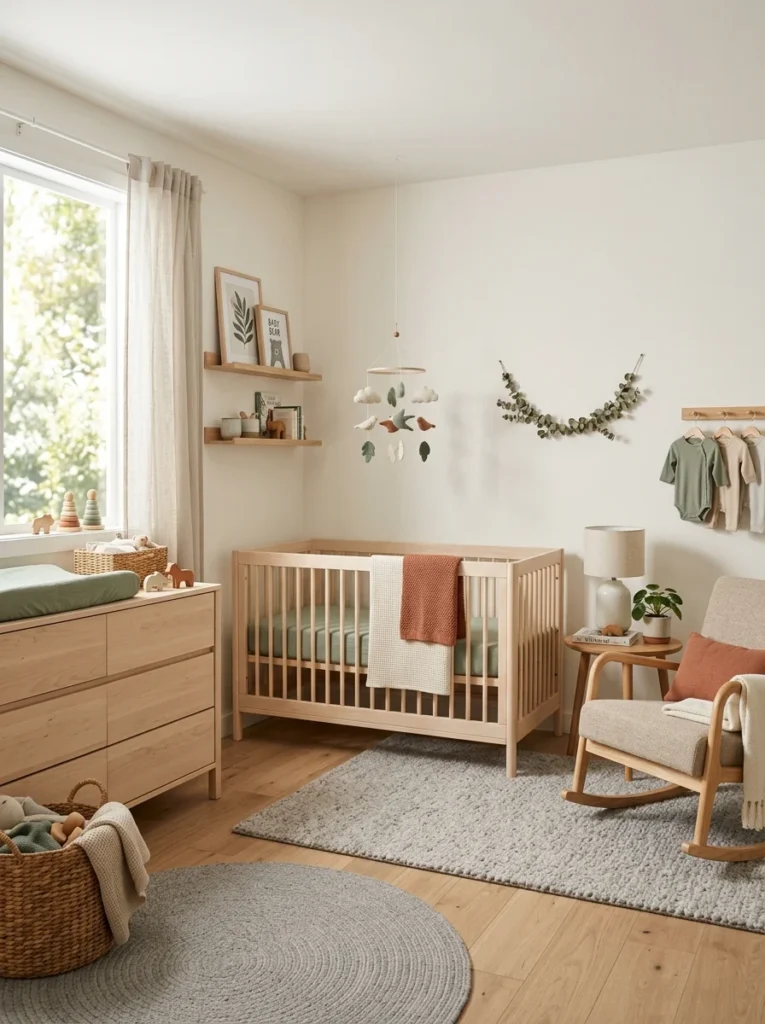
Choose furniture in natural or versatile finishes
Furniture in natural wood tones, white, or a soft neutral painted finish works well regardless of any specific gender association and tends to have better resale or hand-me-down value if you plan to use the same pieces for future children regardless of sex. This is also a practical budget consideration, since natural wood and simple painted finishes are often among the more affordable and widely available options compared to furniture in bold, trend-specific colors.
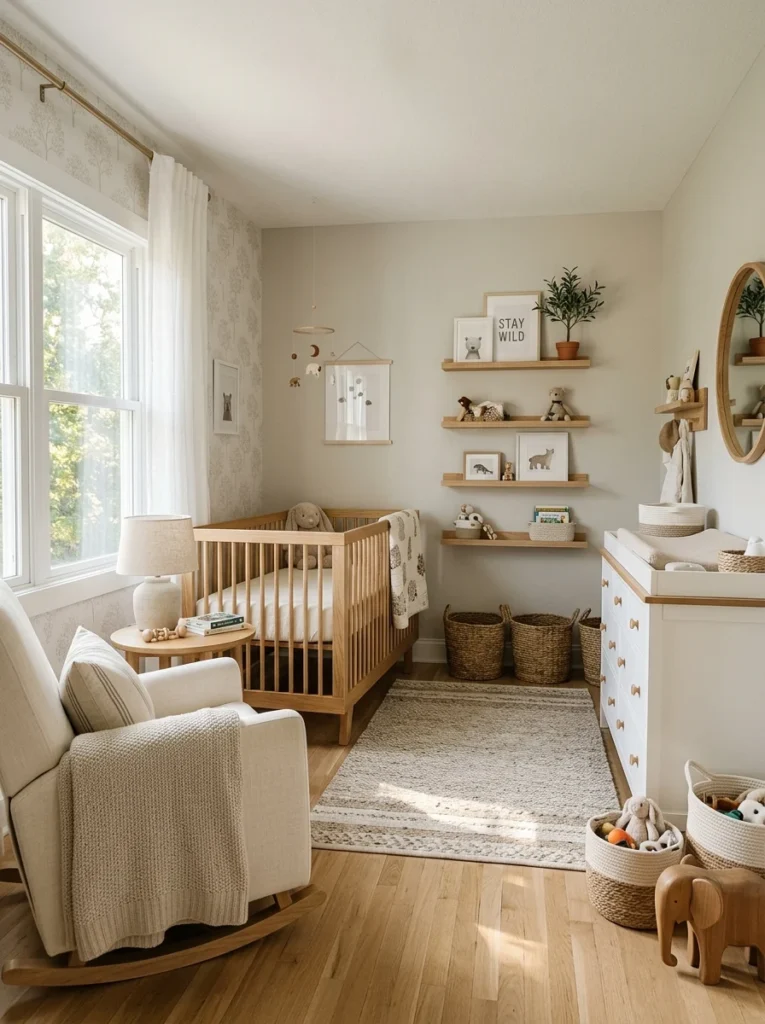
Use pattern and texture instead of color to add visual interest
Rather than relying on a specific color to define the room’s personality, textured elements, a woven basket, a chunky knit blanket, a patterned rug in a neutral colorway, add visual richness without leaning into gendered color territory. This approach also tends to create a more visually sophisticated, layered look than a room defined primarily by one dominant color choice, regardless of what that color happens to be.
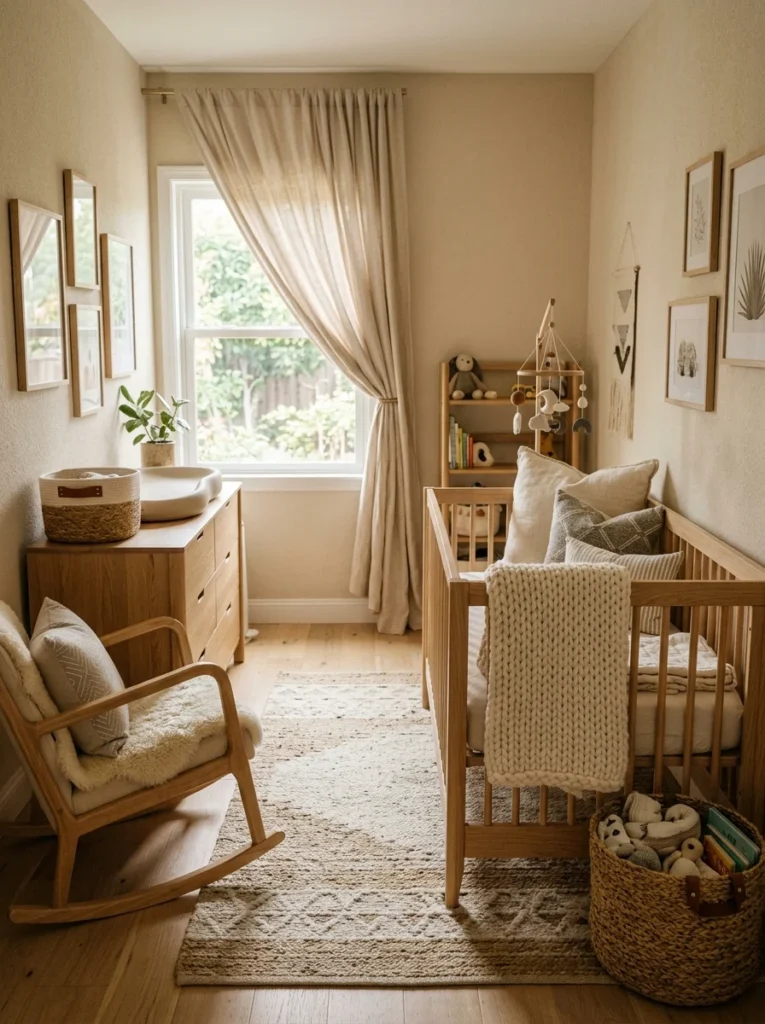
Incorporate nature-inspired themes for broad, lasting appeal
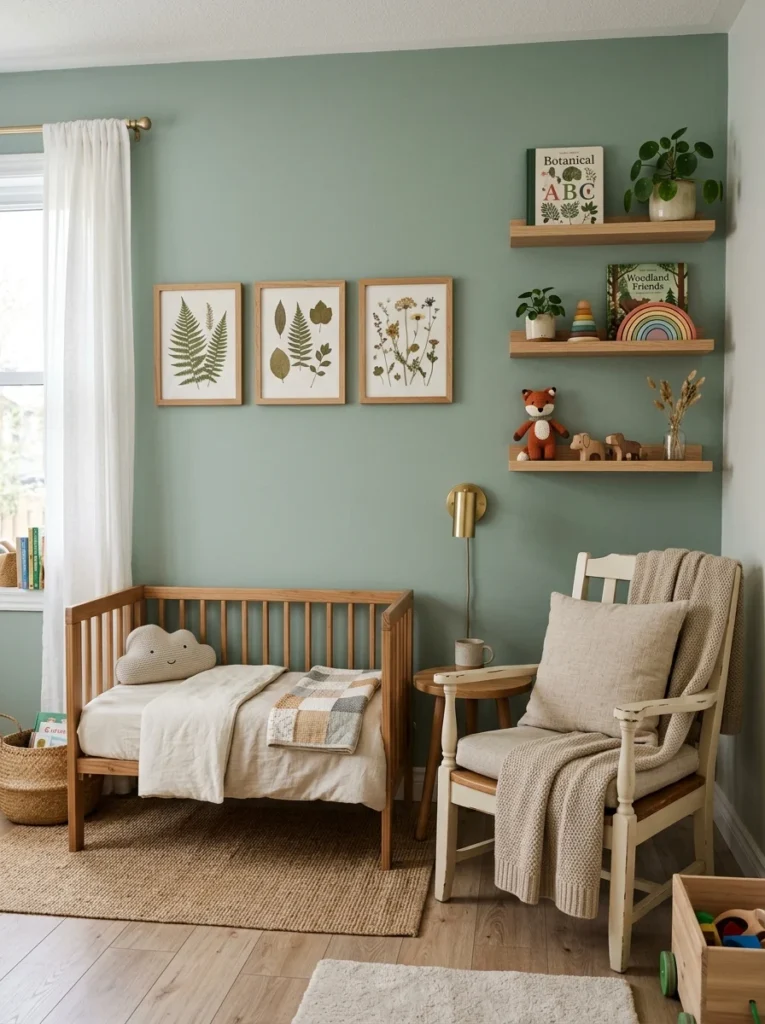
Animals, plants, clouds, stars, and other nature-inspired motifs work well in a gender-neutral nursery because they carry no inherent gender association and tend to remain visually appealing well beyond the earliest infant months, often working just as well in a toddler’s room later on. This kind of theme also tends to age better over the years than more overtly gendered or highly specific character-based themes, which can start to feel babyish or need replacing sooner as your child develops their own preferences.
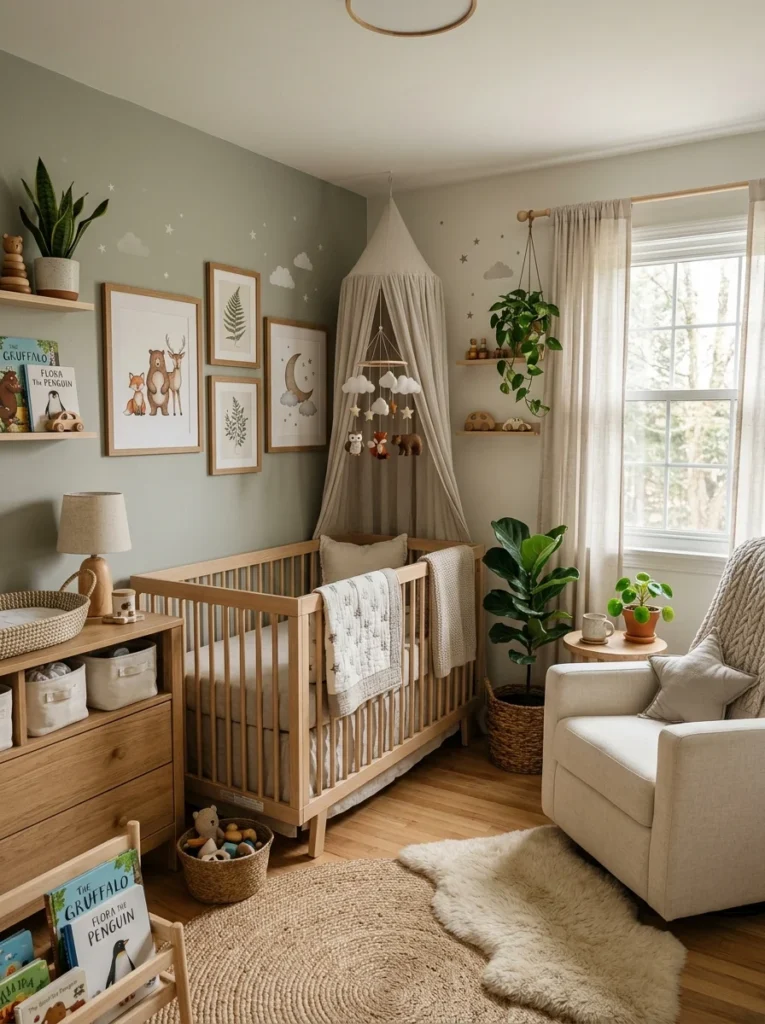
Shop secondhand for genuinely significant savings
Nursery furniture, especially larger pieces like dressers, gliders, and shelving, is often available secondhand in excellent condition, since babies obviously don’t cause the wear and tear that furniture in a teenager’s room might. Checking safety recall information for any secondhand crib specifically, since crib safety standards have evolved considerably over the years, is an important step, but for furniture without the same safety-critical requirements, secondhand sourcing offers some of the biggest potential savings in the entire nursery budget.
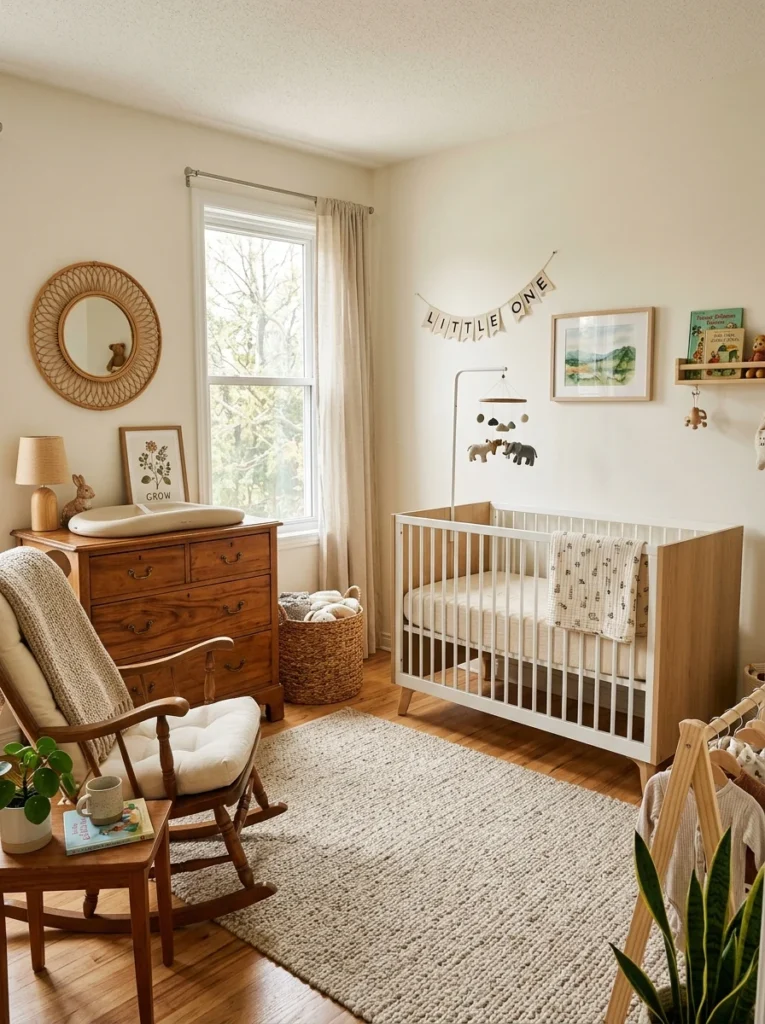
Add personality through art and textiles rather than furniture
Art prints, whether purchased affordably, created yourself, or even simple, well-framed pages from a children’s book you love, add personality and warmth to a nursery for relatively little cost compared to furniture or larger decor investments. Textiles, a crib sheet in an interesting pattern, curtains in a soft print, a textured throw for a glider, offer similar low-cost personality with the added benefit of being easy to swap out later if your taste or your child’s preferences change.
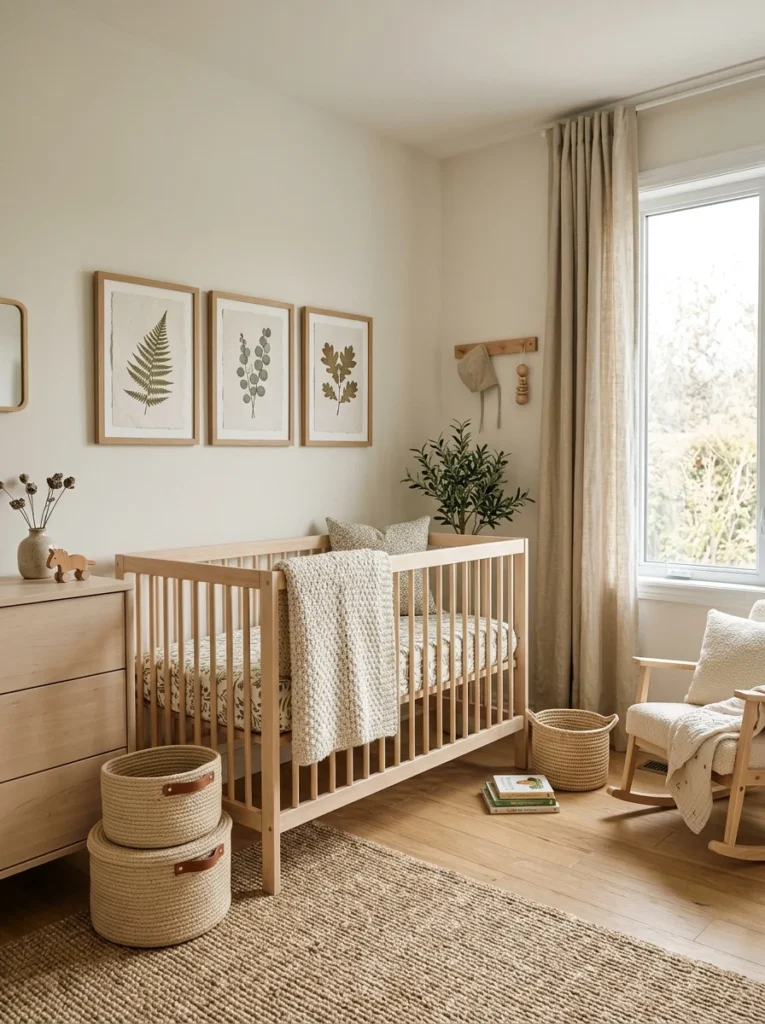
Prioritize a few key, quality pieces over many cheaper ones
Rather than spreading a nursery budget thinly across many lower-quality items, focusing spending on a few genuinely important pieces, a safe, quality crib, a comfortable glider you’ll actually use during frequent nighttime feedings, tends to serve a family better long-term than a room full of decorative items that don’t hold up as well or don’t serve a genuinely practical daily function.
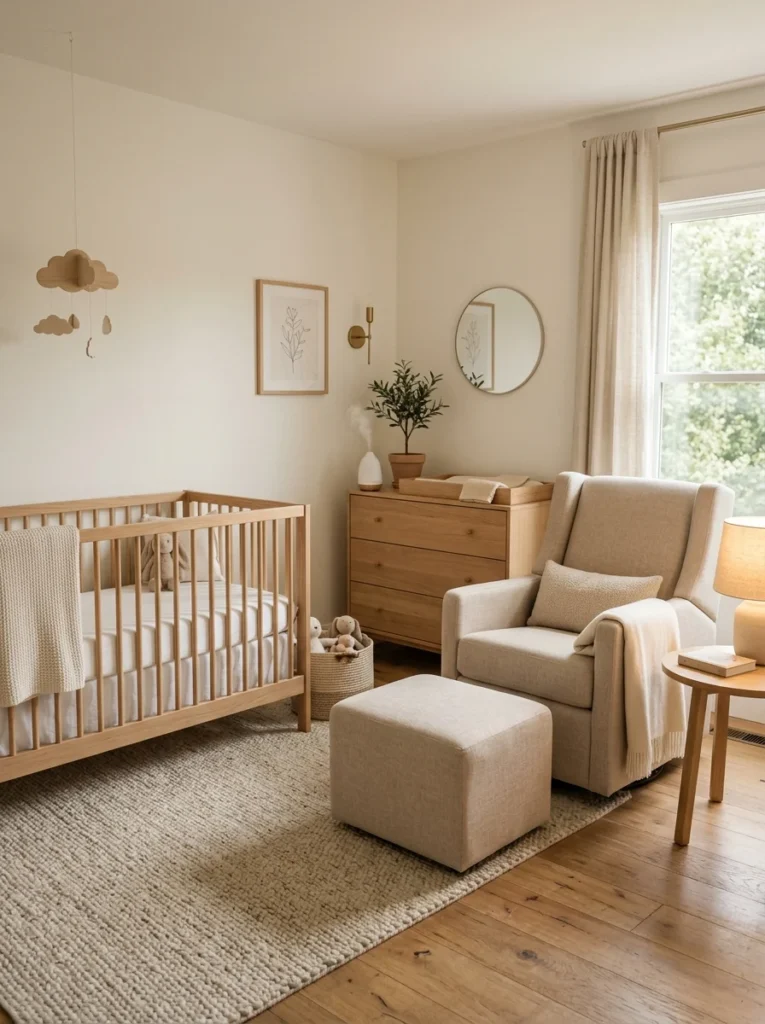
Use lighting to create warmth without needing bold color choices
Soft, warm lighting, a dimmable lamp, string lights used thoughtfully, a nightlight with a warm rather than stark white glow, adds coziness and atmosphere to a neutral color palette without requiring any bold color statement to create a sense of warmth in the room. This is a particularly useful technique in a gender-neutral nursery, where the color palette itself is intentionally more restrained than a room built around one dominant, vibrant color choice.
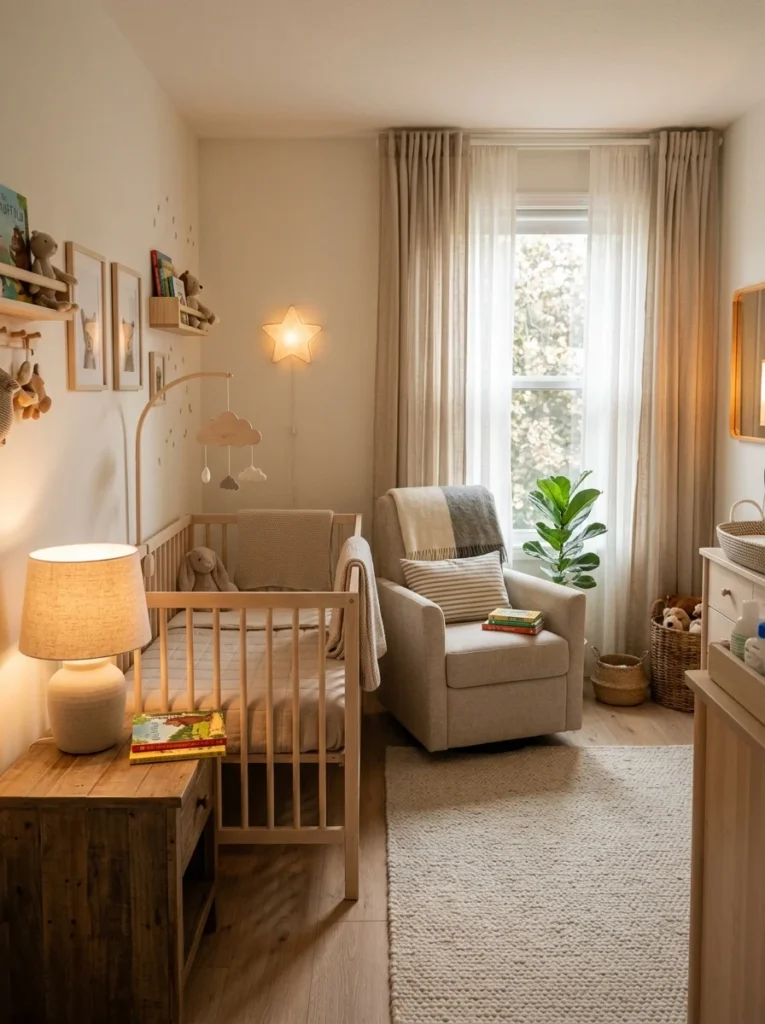
Plan storage that will genuinely grow with your child
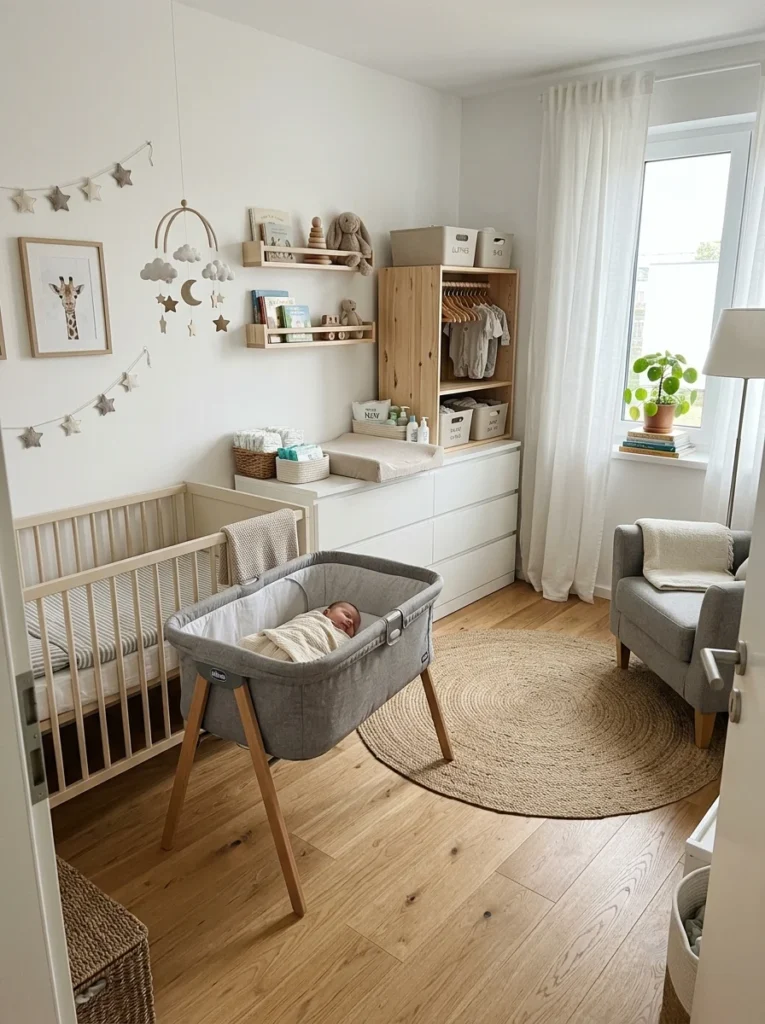
Choosing storage solutions, closet organizers, stackable bins, adjustable shelving, that can adapt as your child’s needs change from newborn supplies to toddler clothes and toys extends the useful life of your nursery investment considerably. This practical, function-first approach to storage also tends to favor simpler, more neutral designs that don’t need replacing as quickly as more decoratively themed storage pieces might.
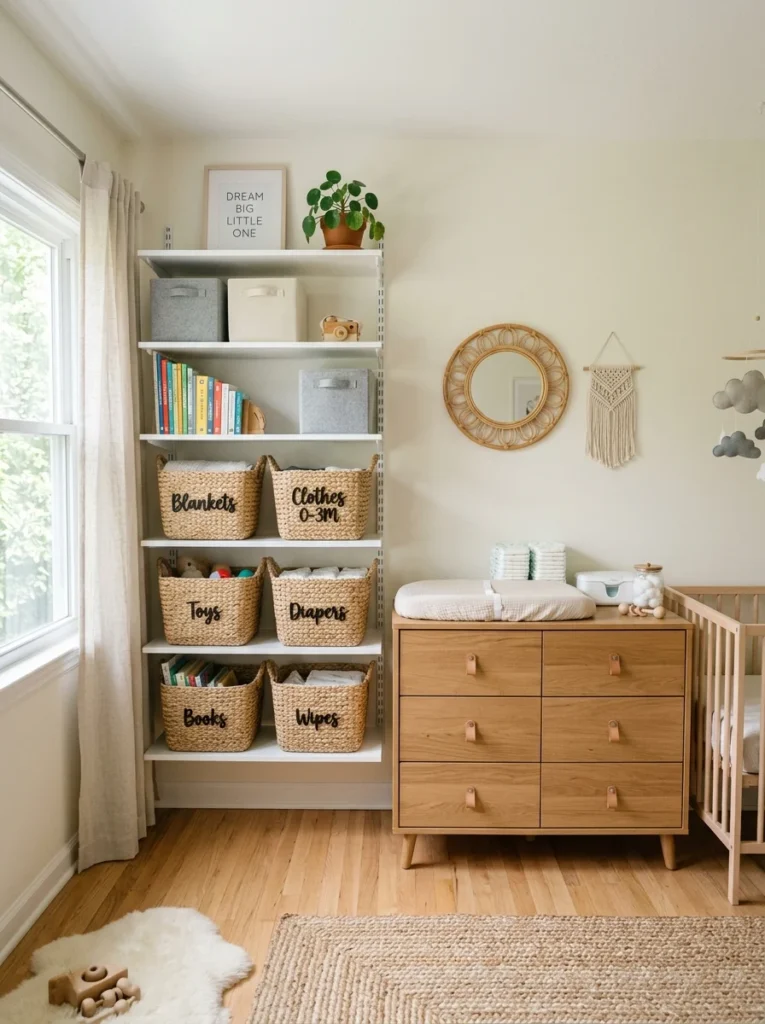
Consider how the room will transition as your child grows
A genuinely gender-neutral nursery, built around timeless colors and nature-inspired or abstract themes rather than infant-specific characters, tends to transition more gracefully into a toddler or young child’s room than a nursery built around a very specific, young-child-focused theme. Planning with this transition in mind from the start, rather than treating the nursery as a completely separate design project from what comes next, can meaningfully reduce how much you need to redo as your child moves beyond the earliest infant stage.
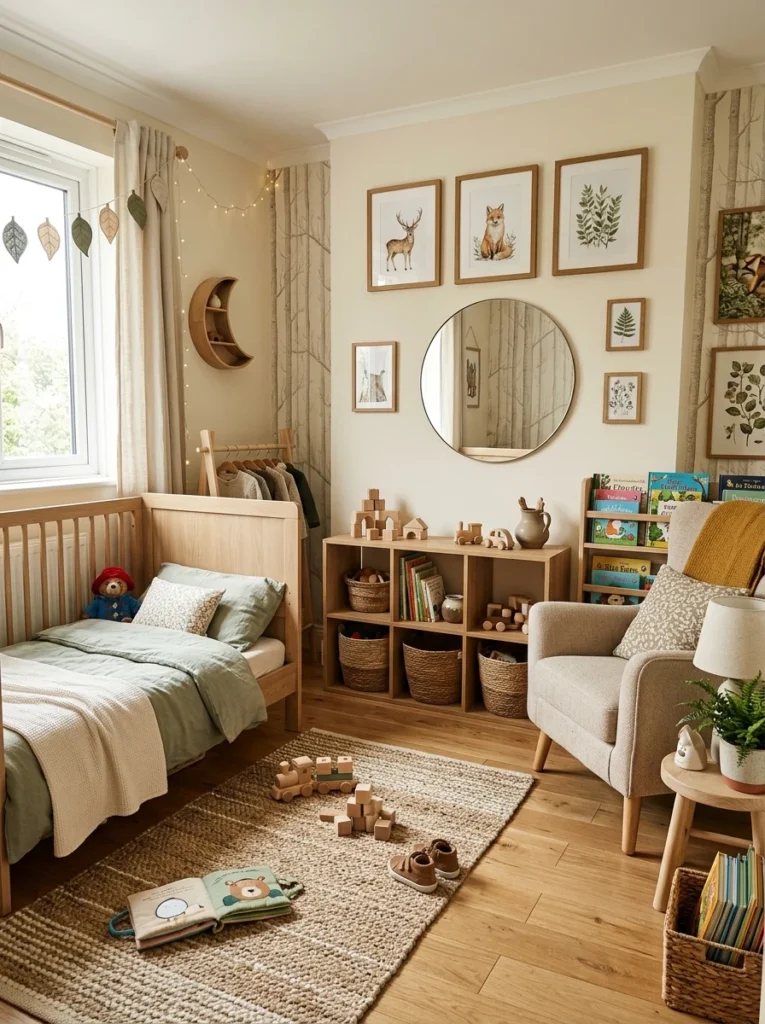
Don’t feel pressure to complete the room all at once
A nursery doesn’t need to be fully finished and decorated before your baby arrives; many of the finishing touches, art, textiles, smaller decorative elements, can be added gradually over the following months as budget allows, while the truly essential items, a safe sleep space, a changing area, basic storage, take priority in the initial setup. This phased approach reduces the pressure to spend a large amount all at once before the baby’s actual arrival date.
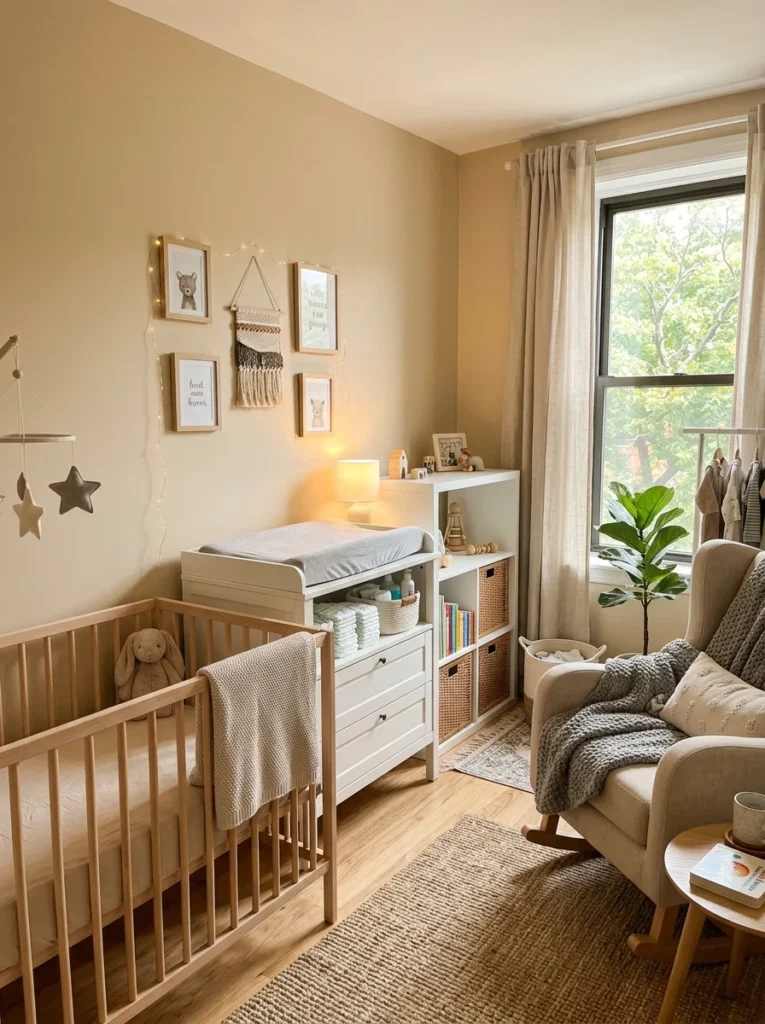
Consider gift and registry implications of a neutral approach
A gender-neutral nursery and registry also tends to simplify gift-giving for friends and family, since neutral clothing, blankets, and decor items work regardless of the baby’s sex, reducing the awkwardness of returning or exchanging overly gendered gifts after the birth. This can be worth mentioning directly on a registry or to close family members, since many gift-givers default to pink or blue purely out of habit rather than genuine preference, and a gentle nudge toward neutral options often results in gifts that fit your actual nursery design more seamlessly.
Try simple DIY projects to stretch a limited budget further
A few approachable do-it-yourself projects can add genuine character to a nursery without much financial investment: painting a simple accent wall in a soft, muted color, creating your own framed art from botanical illustrations or free printable designs, or reupholstering a secondhand glider’s cushion in a fabric you love. These projects require more time investment than money, making them particularly well suited to a nursery budget where funds are tighter but there’s some flexibility in the timeline before the baby’s arrival.
Borrow or rent items you’ll only need briefly
Certain nursery and baby items, a bassinet used only for the first few months, a specific piece of furniture you’re not certain you’ll want long-term, are sometimes available to borrow from family or friends whose children have outgrown them, or even to rent through specialty baby gear rental services in some areas. This approach can meaningfully reduce upfront costs for items with a naturally short window of use, freeing up more of your budget for the pieces that will serve your family for years rather than months.
What colors work best for a gender-neutral nursery?
Soft neutrals like warm whites, sage greens, warm greys, and muted terracottas work particularly well, offering a calm, versatile backdrop without leaning toward specifically gendered color associations, while still allowing for personality through pattern and texture.
Is it cheaper to shop secondhand for nursery furniture?
Yes, significantly, particularly for larger pieces like dressers and gliders, since nursery furniture generally sees less wear than furniture in other parts of a home. It’s important to check safety recall information for a secondhand crib specifically, given how much crib safety standards have evolved over time.
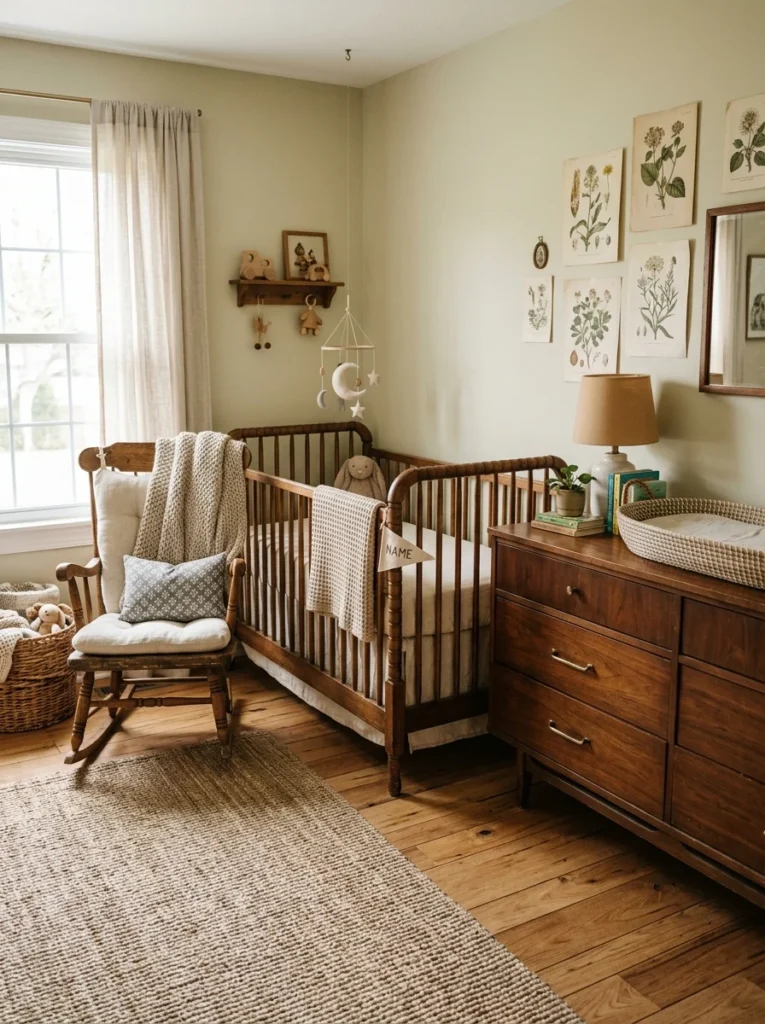
Does a gender-neutral nursery limit how much personality the room can have?
Not at all. Personality can come through pattern, texture, art, and thoughtful lighting rather than relying on a specific gendered color palette, often resulting in a more visually layered and sophisticated look than a room defined by one dominant color alone.
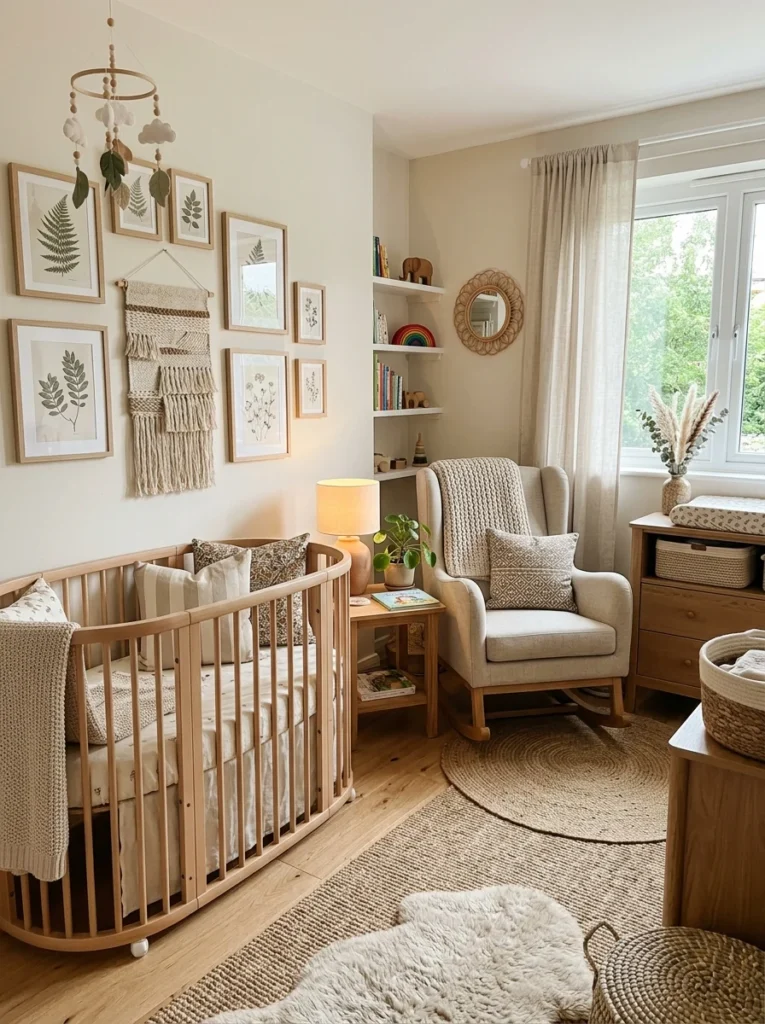
Should I finish the entire nursery before the baby arrives?
Not necessarily. Prioritizing the truly essential elements, a safe sleep space, changing area, and basic storage, before the due date is important, but many finishing touches and decorative details can be added gradually in the months afterward as budget and time allow.
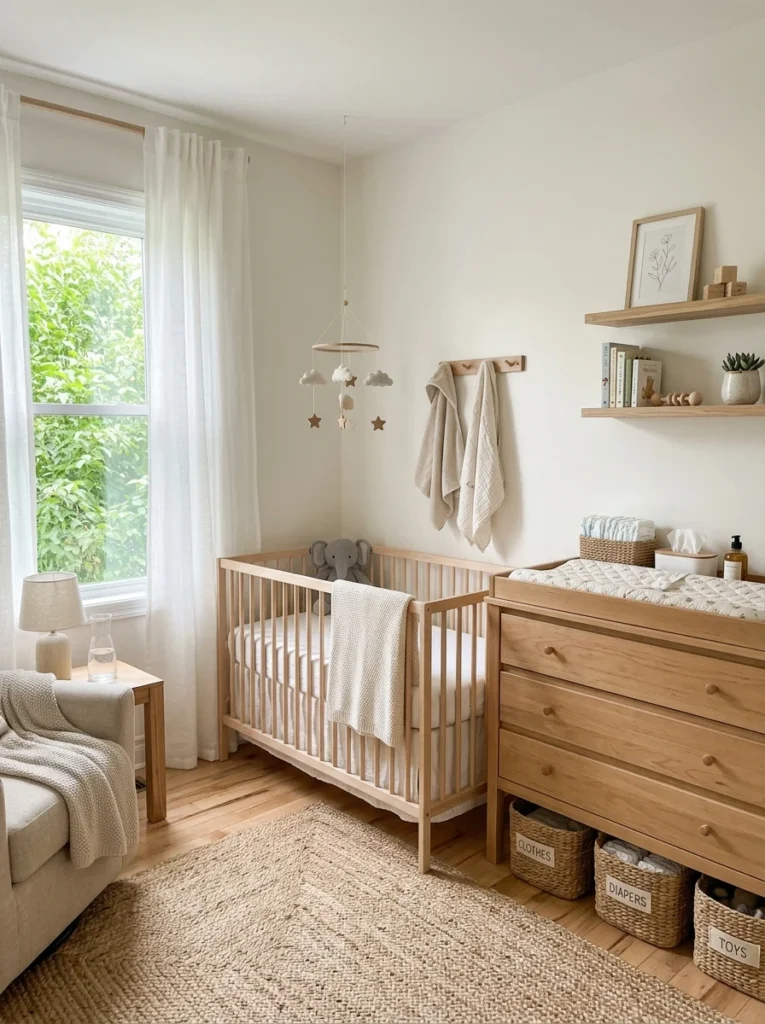
Can a gender-neutral registry help with nursery costs?
Yes, requesting neutral clothing, blankets, and decor on a registry reduces the chance of receiving overly gendered gifts that don’t fit your nursery design, and it can meaningfully offset costs since many of these items would otherwise need to be purchased separately.
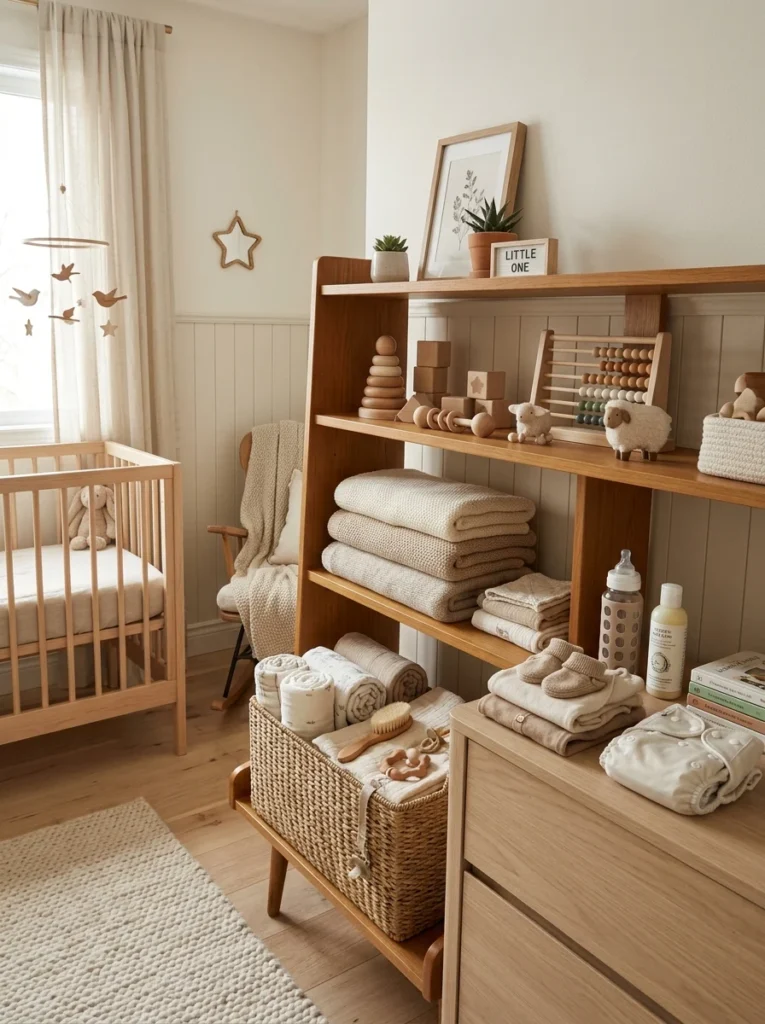
Is it worth renting or borrowing some nursery items?
For items with a naturally short window of use, like an early bassinet, borrowing from family or friends or using a baby gear rental service can meaningfully reduce upfront costs, freeing up budget for pieces your family will use for a longer period.
A gender-neutral nursery on any budget comes down to prioritizing versatile colors, natural or neutral furniture finishes, and personality expressed through pattern, texture, and art rather than a specific gendered theme. This approach tends to be both more budget-friendly, through secondhand sourcing and simpler furniture finishes, and more durable over time as your child grows and their own preferences begin to emerge.
Our own nursery, built without knowing whether we’d be welcoming a son or daughter, ended up becoming one of my favorite rooms in the house, not despite skipping the traditional pink-or-blue decision, but largely because of it, since it pushed me toward warmer, more textured choices I wouldn’t have necessarily considered otherwise. If you’re starting your own nursery project, whether or not you know your baby’s sex, consider building around timeless color and genuine texture first; the room will likely serve your family better and longer because of it.