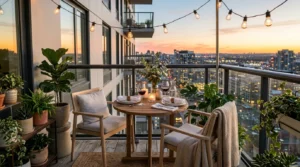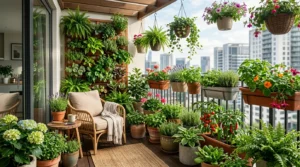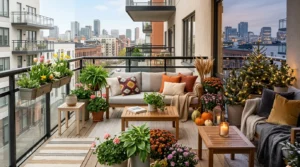
For years, our outdoor furniture came out every May and got dragged back into the garage every October, and the backyard essentially closed for business the second the weather turned. It felt like such a waste, having a genuinely nice outdoor space that sat completely unused for nearly half the year. The shift happened gradually, first adding some heat, then some shelter, then rethinking the furniture entirely, until eventually we realized we were sitting out there in December just as often as we were in July. None of it happened as one big renovation; it was a series of smaller additions that, together, turned a seasonal space into one we genuinely use year-round now.
A four-season outdoor living room isn’t about fighting the weather so much as designing around it deliberately. Below is what actually made the difference for us, organized from the foundational decisions to the smaller finishing touches.
Start with some form of overhead cover
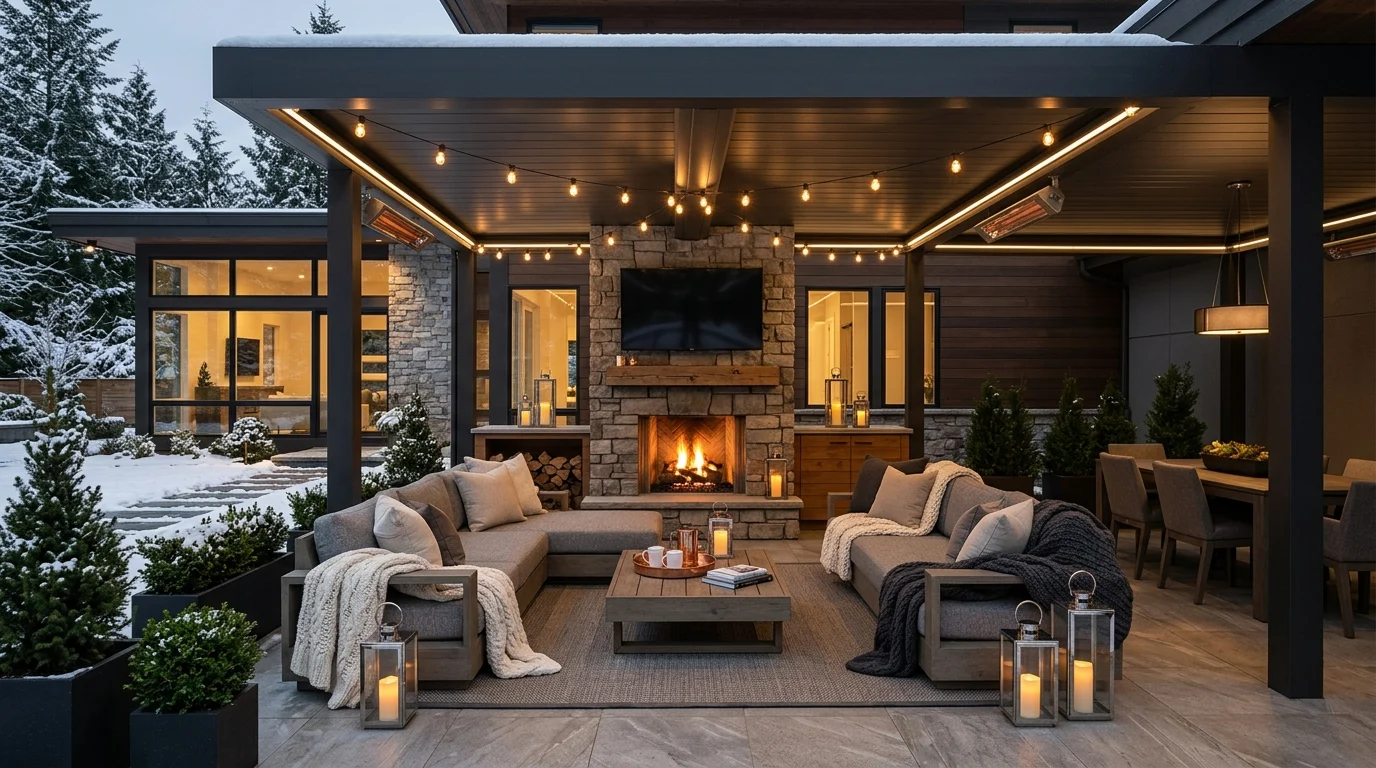
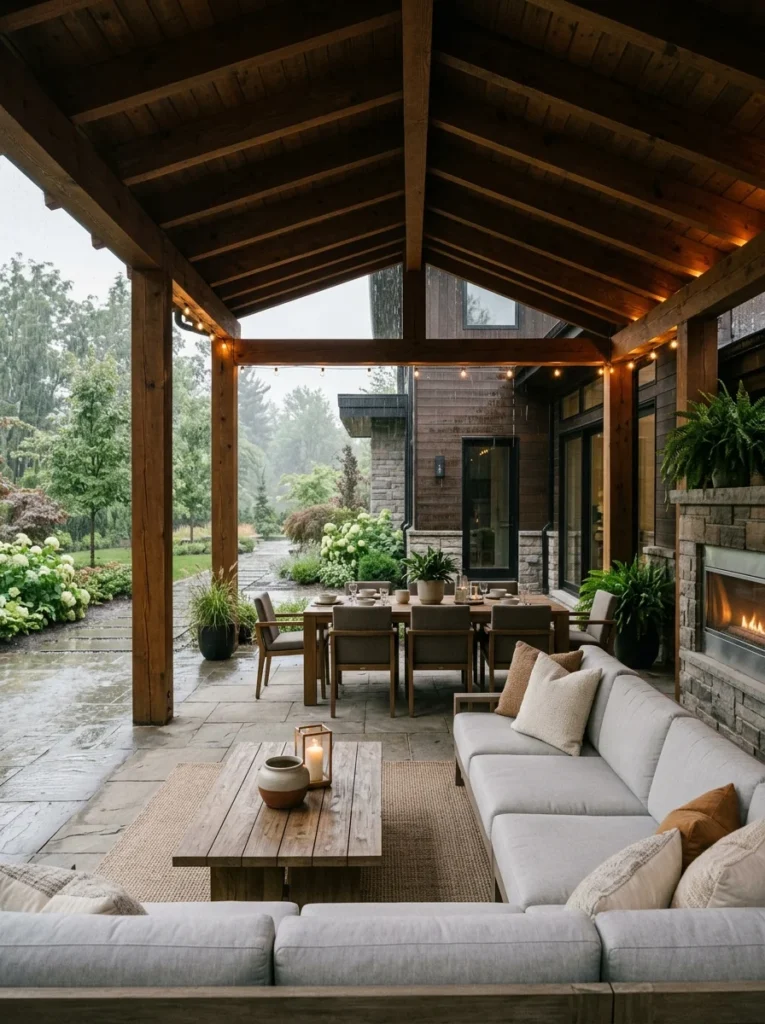
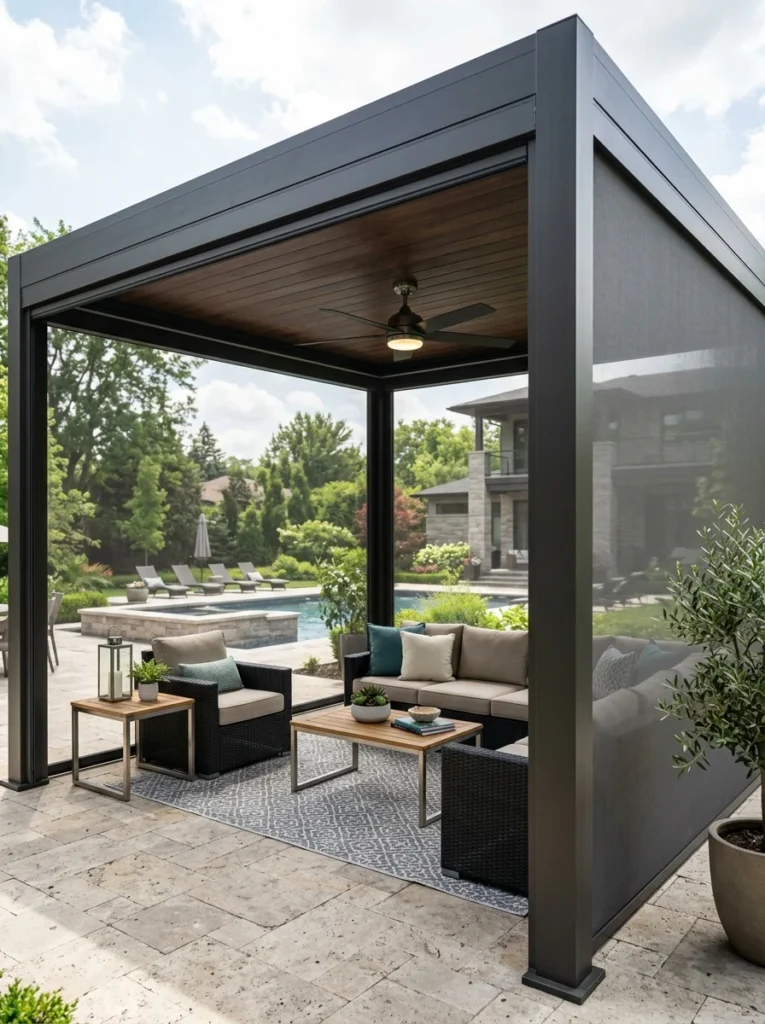
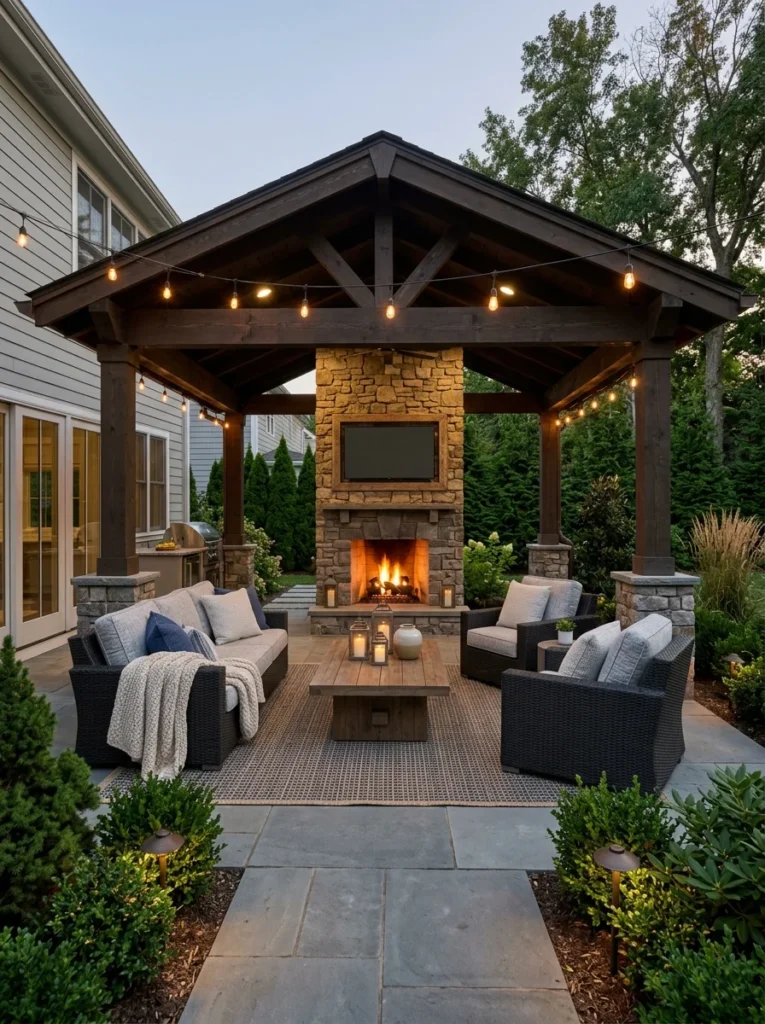
The single biggest factor in year-round usability is overhead protection from rain and snow, since even a heated space is miserable to sit in during a downpour. A solid-roof pergola, an attached patio cover, or a full covered porch extension all serve this purpose, though the right choice depends on your budget and how much of the space you want fully enclosed versus simply covered. Even a partial cover over the main seating area, leaving the rest of the space open, meaningfully extends the number of days the space stays usable across the year, particularly in climates with frequent but not necessarily prolonged rain.
Add a reliable heat source for cooler months
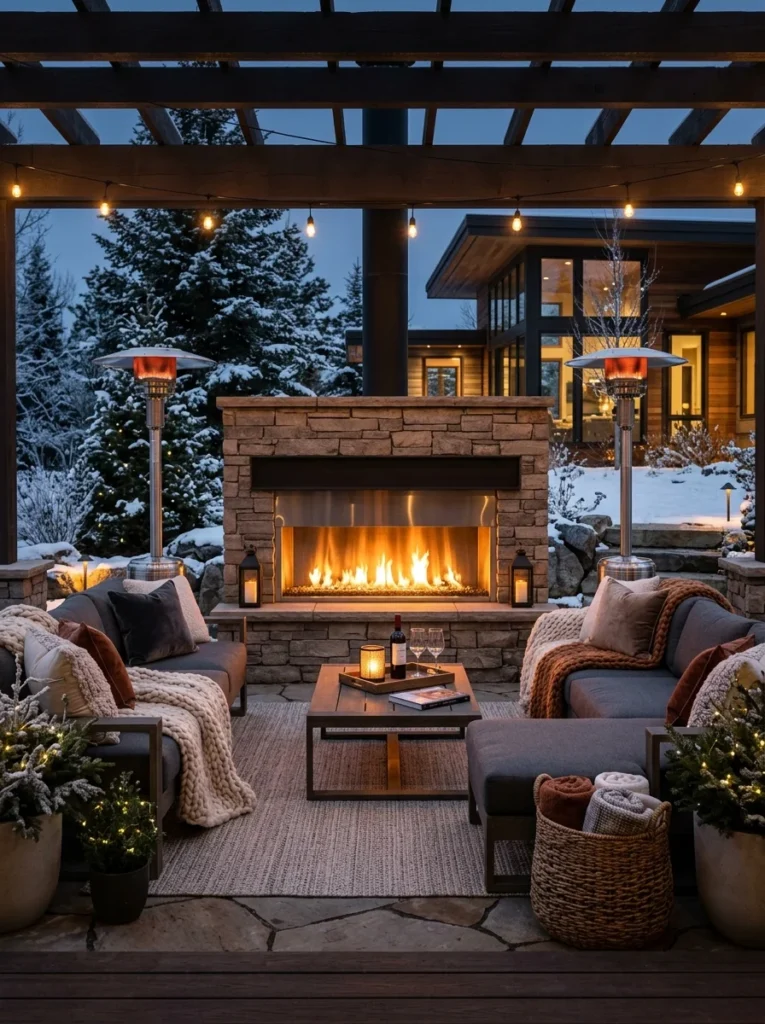
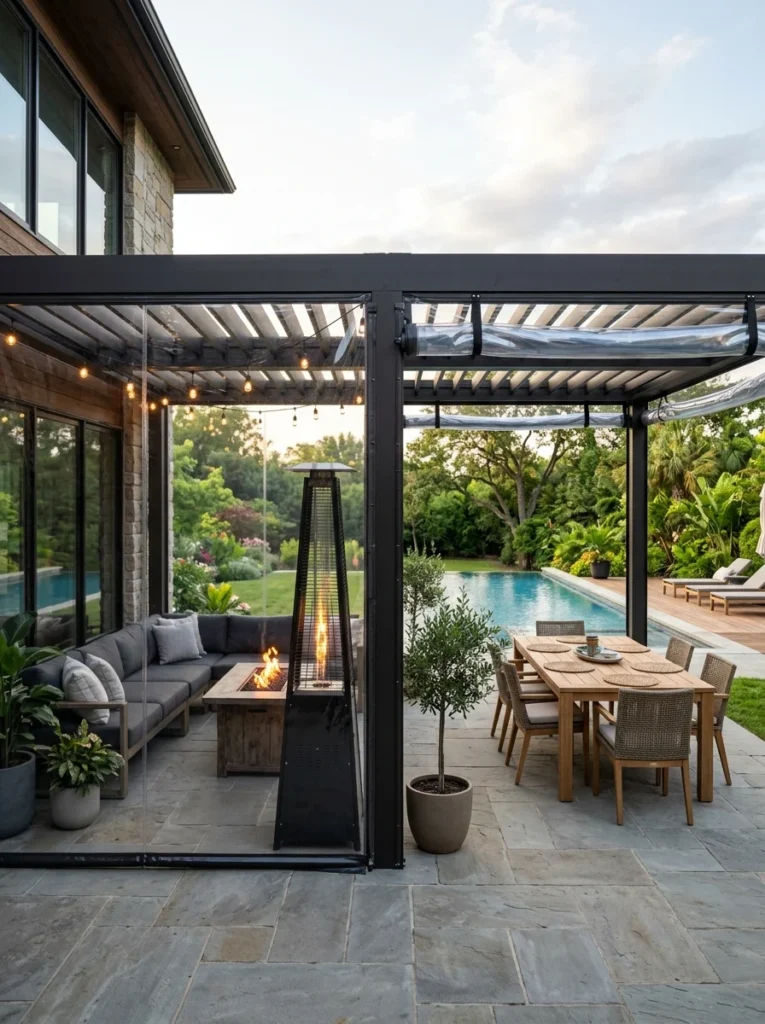
A heat source is what actually makes cold-weather use realistic rather than just theoretically possible. A fire pit or fireplace, whether wood-burning or gas, offers both warmth and a natural gathering point, while overhead or standing patio heaters provide more targeted, adjustable heat across a wider seating area without requiring an open flame. For very cold climates, in-floor radiant heating built into a covered patio or three-season room offers the most consistent warmth, though it requires more upfront installation than a portable or built-in heater option.
Consider walls or wind-blocking elements
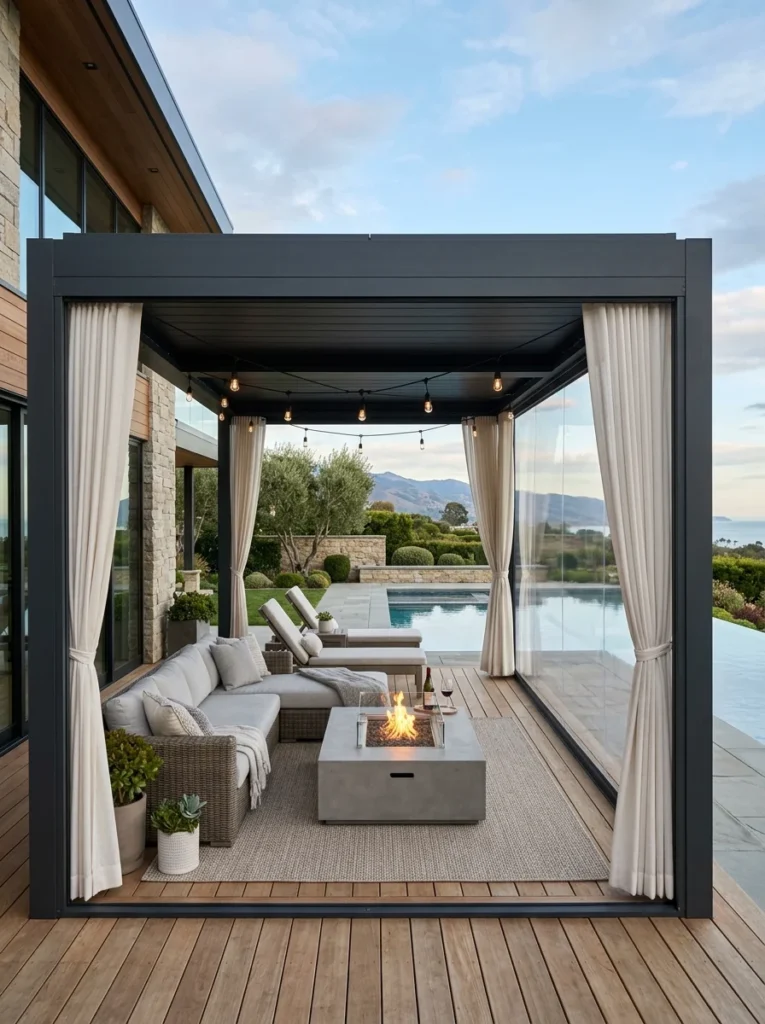
Wind, more than temperature alone, often determines whether an outdoor space feels usable in cooler months, since a heat source loses much of its effectiveness in an open, exposed area with consistent wind. Retractable or fixed clear vinyl panels, outdoor curtains, or a partial wall built into the pergola or patio structure all reduce wind exposure while still preserving much of the open, outdoor feeling the space is meant to have. In particularly windy climates, this addition can matter as much as the heat source itself for genuine cold-weather comfort.
Choose furniture built for genuine year-round exposure
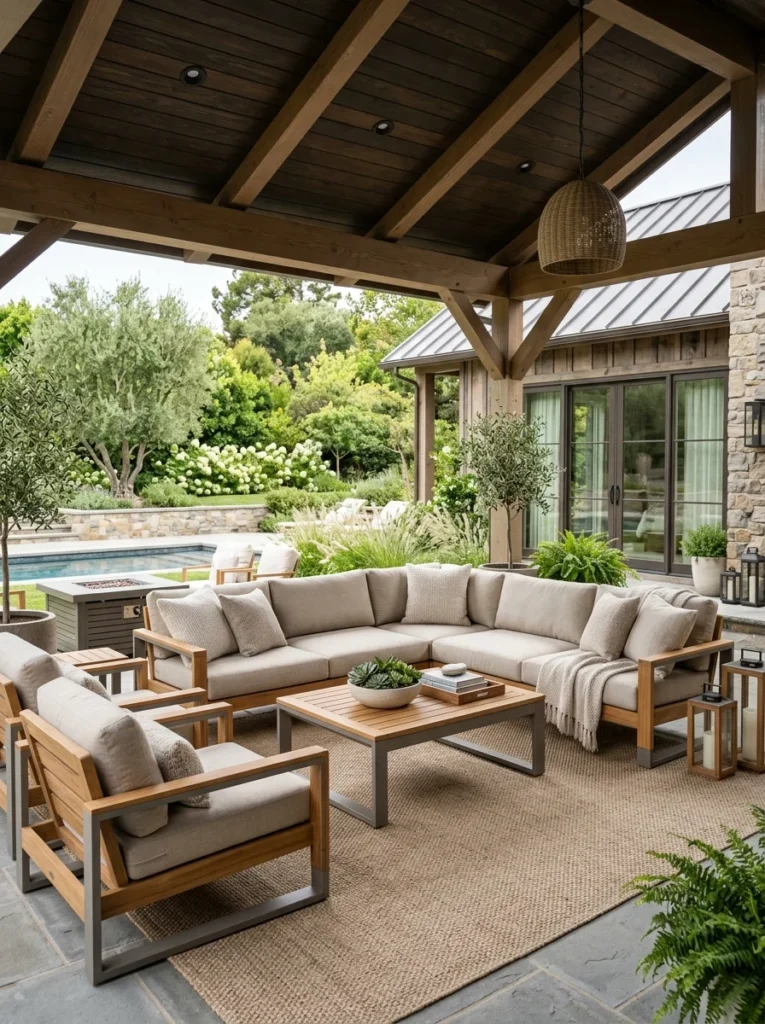
Furniture that’s fine for occasional summer use may not hold up to sustained exposure across all four seasons, particularly through freeze-thaw cycles or prolonged damp conditions. Materials like teak, aluminum, and quality all-weather wicker or resin, discussed in more detail in dedicated furniture material guides, tend to perform best for a space meant to stay outfitted year-round rather than being packed away seasonally. Cushions specifically should use quick-dry foam and solution-dyed, mildew-resistant fabric, since they face far more cumulative moisture exposure in a four-season setup than furniture only used during a single dry season.
Layer textiles for a cozy, season-adaptable feel
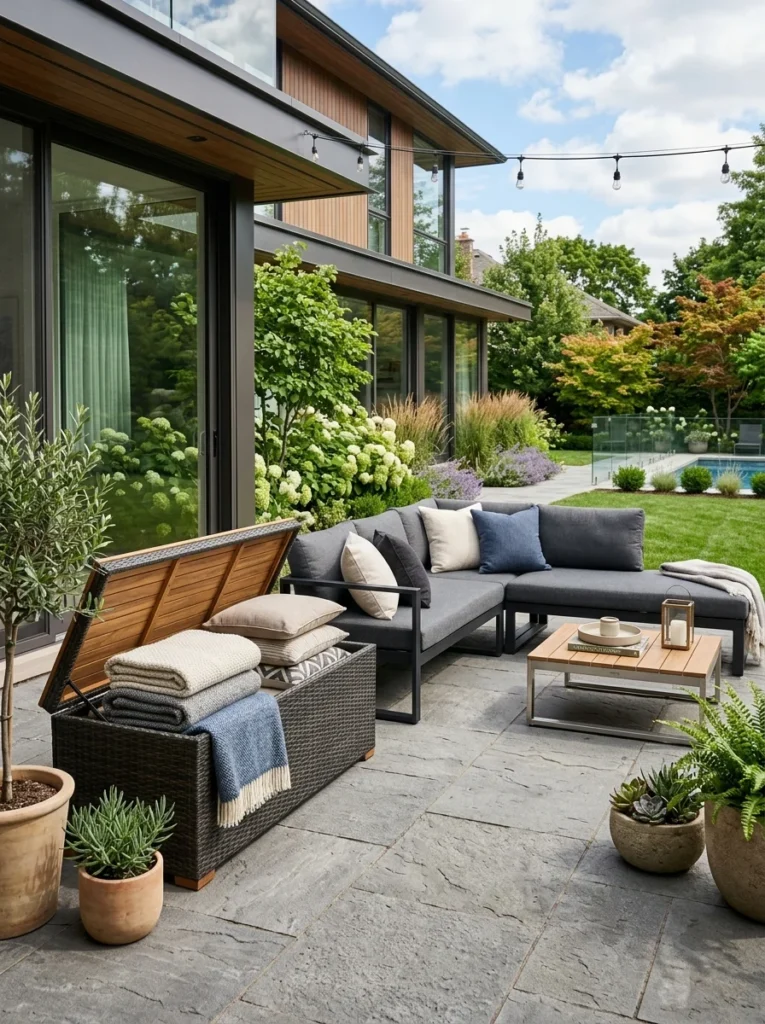
Outdoor-rated blankets, kept in a weatherproof storage box or bench right in the space, let you add warmth on a chilly evening without needing to run inside for extra layers. Swapping lighter, breathable cushion covers in summer for deeper, richer-toned or heavier-textured ones in cooler months is a simple, inexpensive way to keep the space feeling seasonally appropriate rather than static year-round, similar to how you might change bedding or throw pillows indoors with the seasons.
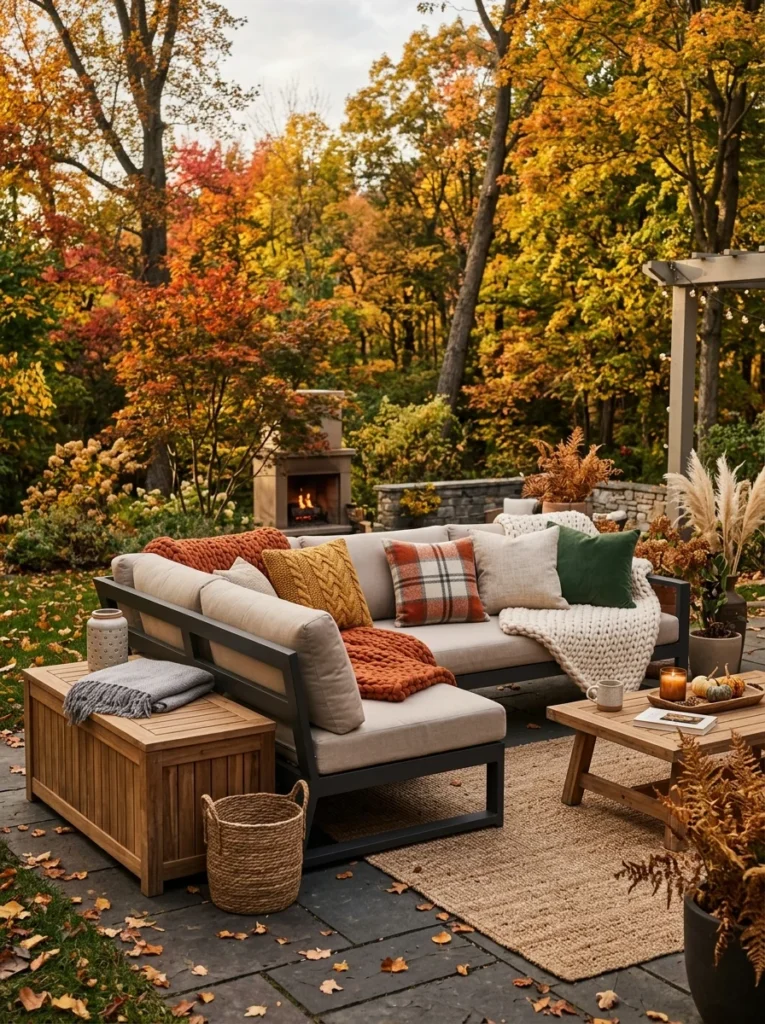
Include lighting suited to shorter winter days
As daylight hours shrink in colder months, a well-lit outdoor space becomes even more important for maintaining regular use into the evening. Layered lighting, overhead fixtures for general illumination, task lighting near any cooking or reading area, and warmer ambient string lights or lanterns for atmosphere, keeps the space inviting well after sunset, which arrives considerably earlier in winter than in summer.
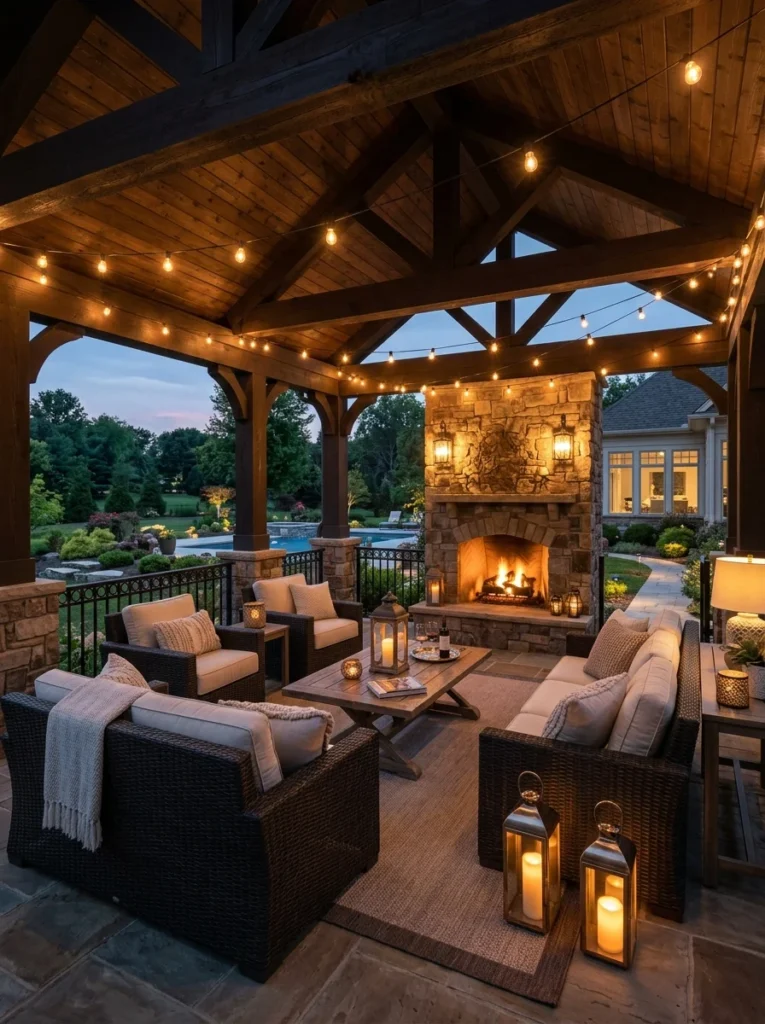
Add rugs and flooring that handle temperature extremes
A durable outdoor rug adds warmth and comfort underfoot during cold months while still holding up to summer heat and occasional rain exposure. If you’re installing new flooring as part of a larger four-season project, materials like porcelain tile or well-sealed concrete handle temperature swings and moisture more reliably than materials prone to cracking or warping with seasonal freeze-thaw cycles.
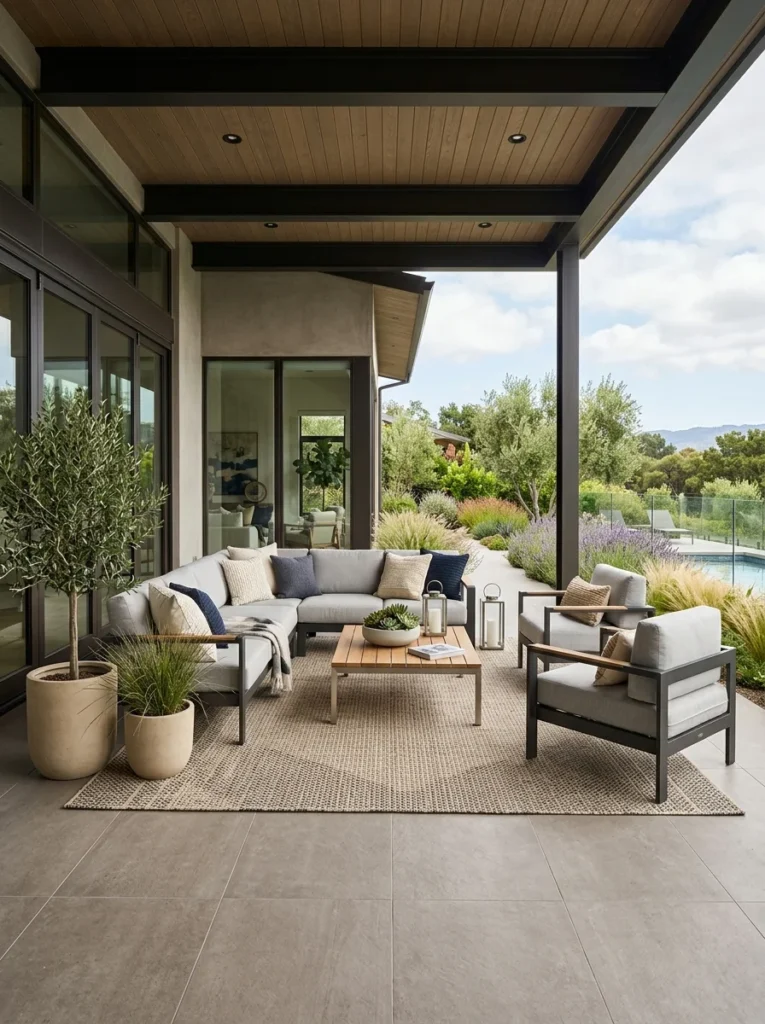
Incorporate greenery that works across seasons
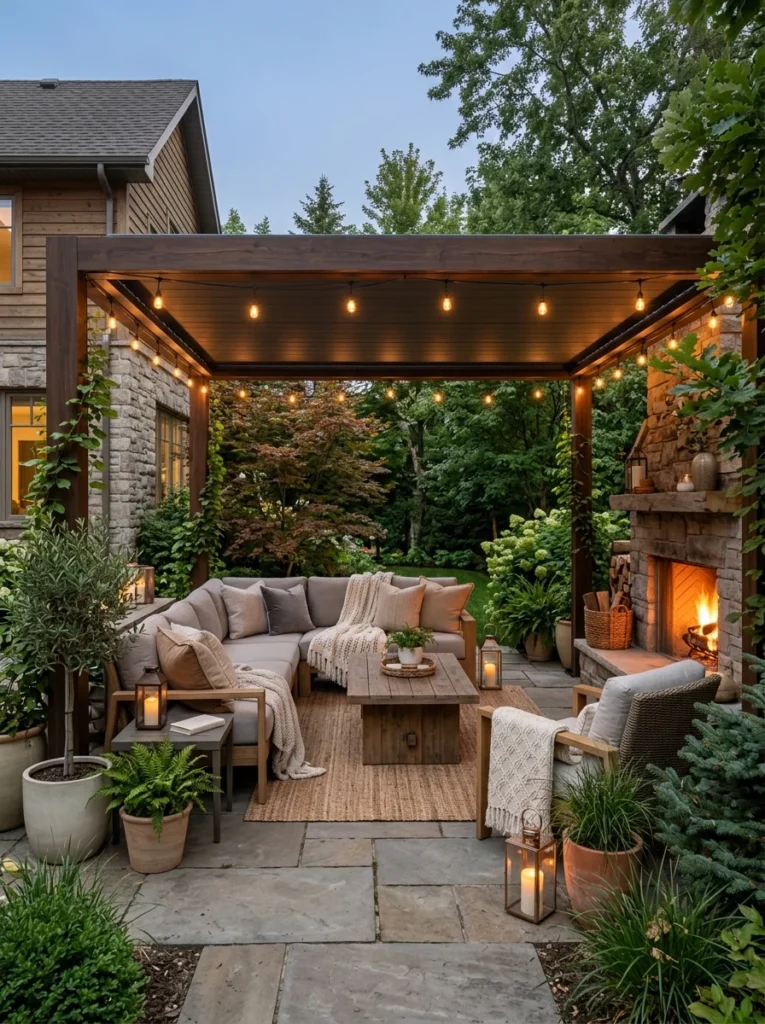
Evergreen shrubs, ornamental grasses that hold their structure through winter, and a few cold-hardy potted plants keep the space feeling green and alive even when deciduous plants and summer annuals have died back. Mixing in a few plants specifically known for winter interest, colorful stems, berries, or interesting bark, gives the space something worth looking at even in the coldest months rather than a purely brown, dormant landscape surrounding your seating area.
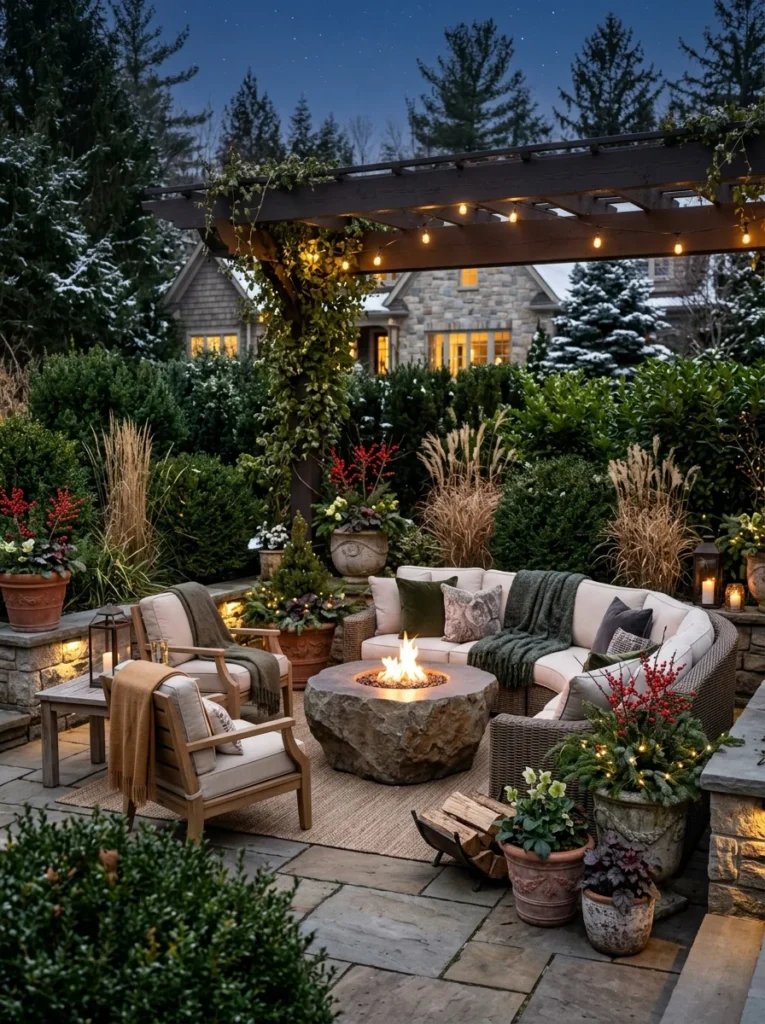
Plan for seasonal storage of what can’t stay out
Even with weather-resistant choices throughout, some items are still better stored during the harshest months, extra cushions, decorative textiles, or particularly delicate decor pieces. A weatherproof deck box or nearby indoor storage space keeps these items accessible for quick seasonal swaps without needing to fully dismantle and rebuild the space’s look every few months.
Add screening to manage bugs across warmer months
A four-season space still needs to be genuinely pleasant during peak insect season, which is often overlooked when the focus is mainly on cold-weather usability. Retractable or fixed screens along an open pergola or covered patio keep mosquitoes and other insects out while still allowing airflow, and they can typically be paired with the same track system used for clear winter panels, meaning one structural addition serves both a summer and winter purpose. A ceiling fan installed in a covered space also helps deter insects through consistent airflow while doubling as useful cooling during hot, humid months when heat is the last thing the space needs.
Phase the project to match your budget
Converting a seasonal outdoor space into a genuine four-season living room rarely needs to happen as one large expense, and treating it as a multi-year project can make the investment far more manageable. A reasonable phasing approach starts with overhead cover, since that has the single biggest impact on usability, followed by a heat source, then wind-blocking elements, and finally the furniture, textile, and decor upgrades that round out the space. Spreading these additions across a couple of years, rather than trying to fund everything in a single season, let us evaluate what was actually making the biggest difference before committing to the next, more expensive addition.

Weigh permanent structures against flexible, removable options
Before committing to a fully permanent enclosure, it’s worth considering how your needs might change and whether a more flexible, removable solution might serve you just as well at a lower cost. Retractable screens, clear vinyl panels that roll up and store away, and portable heaters all offer much of the comfort of a permanent structure without the same upfront investment or long-term commitment to one fixed configuration. This flexible approach also makes sense if you’re not entirely certain how much winter use the space will actually see once it’s set up, since it’s easier to add more permanent elements later than to remove an expensive structure that turned out to be more enclosure than you actually wanted.
A four-season space in a mild, temperate climate might need little more than a covered structure and a bit of heat for the occasional cool evening. A four-season space in a climate with harsh, snowy winters requires a more substantial approach, likely full enclosure with clear panels, radiant or robust heating, and materials specifically rated for significant temperature swings and moisture from snow and ice. Being honest about your specific climate’s demands, rather than copying a design meant for a milder region, ensures the investment actually delivers year-round use rather than just slightly extending one or two extra weeks at each end of the season.
Common four-season outdoor living questions
What’s the most important addition for year-round outdoor use?
Overhead cover from rain and snow is generally the most foundational addition, since even a heated space becomes unusable during active precipitation without some form of shelter. Heat and wind-blocking elements are the next priorities once cover is addressed.
Do I need to fully enclose the space to use it year-round?
Not necessarily. A well-covered space with a reliable heat source and some wind protection, like retractable panels or outdoor curtains, can extend usability significantly without requiring a fully enclosed, glass-walled structure, which involves considerably more cost and construction.
What furniture material works best for year-round outdoor use?
Teak, aluminum, and quality all-weather wicker or resin tend to hold up best to sustained, year-round exposure across varying temperatures and moisture levels, particularly when paired with quick-dry, mildew-resistant cushion fabric.
Is a four-season outdoor space worth it in a mild climate?
Yes, even in a mild climate, a covered space with some heat and wind protection can extend usable months considerably compared to a completely open, uncovered setup, since rain and occasional cool evenings are still limiting factors even where winters aren’t especially harsh.
Should I install permanent enclosures or flexible, removable ones?
If you’re uncertain how much winter use the space will actually see, flexible options like retractable screens, roll-up clear vinyl panels, and portable heaters offer much of the comfort at a lower upfront cost and commitment. Permanent enclosures make more sense once you’ve confirmed the space genuinely gets regular use across seasons and you’re ready to invest in a fixed configuration.
A genuine four-season outdoor living room comes down to addressing the specific barriers to comfort in each season, rain and snow with cover, cold with heat and wind protection, then choosing furniture, textiles, and greenery that hold up to sustained, varied exposure rather than a single mild season. None of these additions need to happen all at once; ours came together gradually over a couple of years, each addition making the space just a little more usable than before.
That space that used to close for half the year now sees regular use in every season, including a few surprisingly pleasant evenings by the heater in the middle of winter that we never would have attempted in its original, uncovered, unheated form. If you’re starting this process yourself, begin with cover and heat; those two additions alone will likely extend your usable season more than anything else on this list, and everything else can follow gradually as you learn exactly how the space wants to be used through each part of the year.