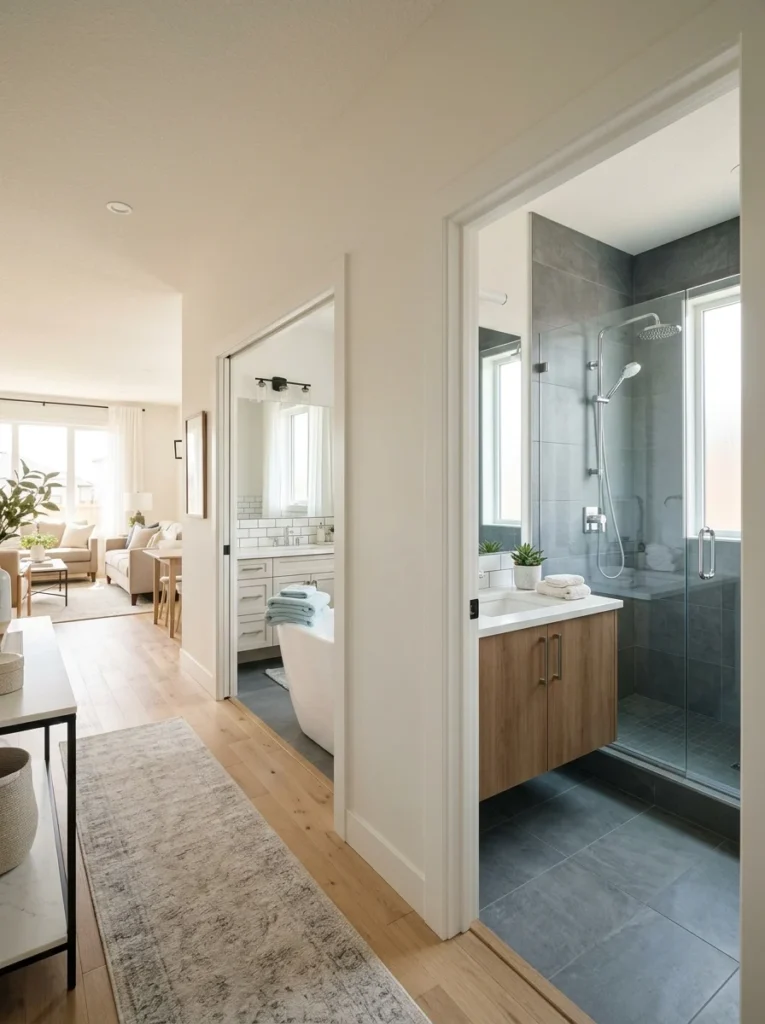
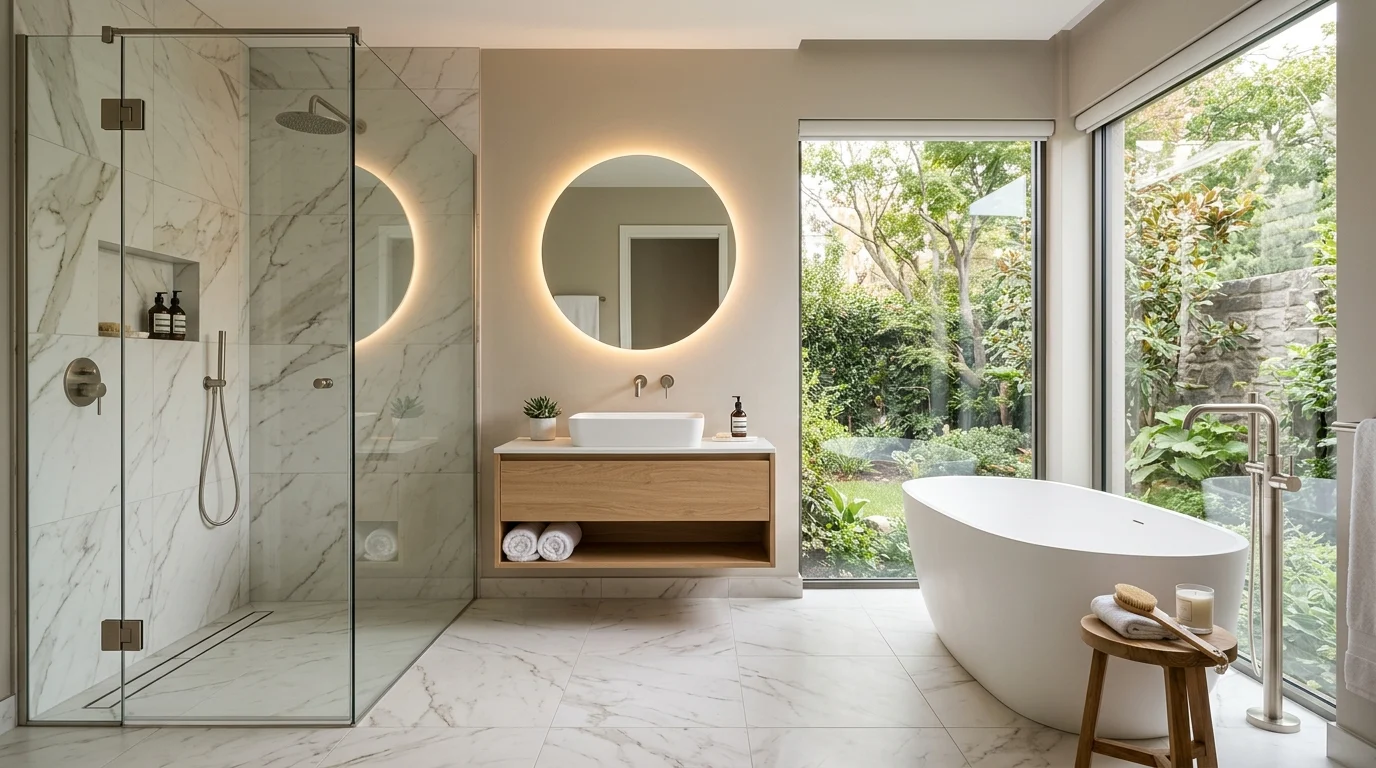
When my parents renovated their bathroom a couple of years ago, they went back and forth on this exact decision for weeks. My dad wanted a big walk-in shower with a rain head, my mom didn’t want to give up her nightly bath. They ended up compromising in a way that surprised both of them, and watching them work through the pros and cons taught me more about this decision than any showroom visit ever could. If you’re standing at the same crossroads in your own renovation, the right answer depends less on what’s trending and more on how you actually use your bathroom day to day.
This isn’t a decision with one universally correct answer. It depends on your household, your daily routine, your budget, and even your home’s resale expectations in your area. Below is an honest look at both options, where each one genuinely shines, where it falls short, and how to think through the decision for your own specific situation rather than just following whatever look is popular this year.
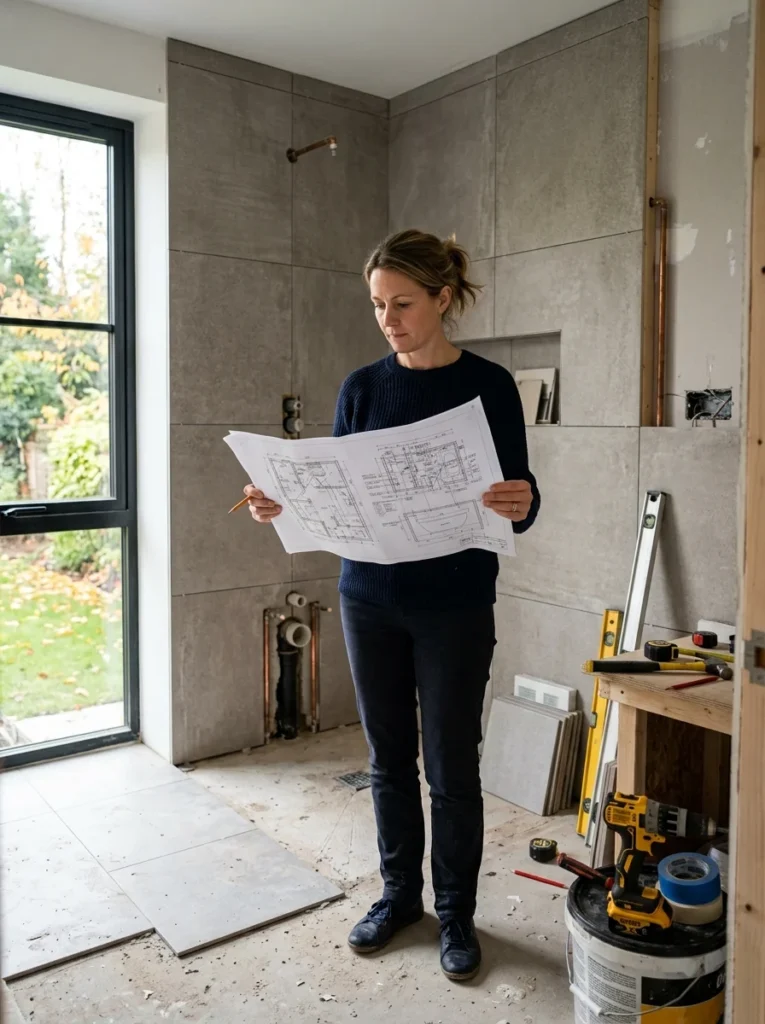
The case for a walk-in shower
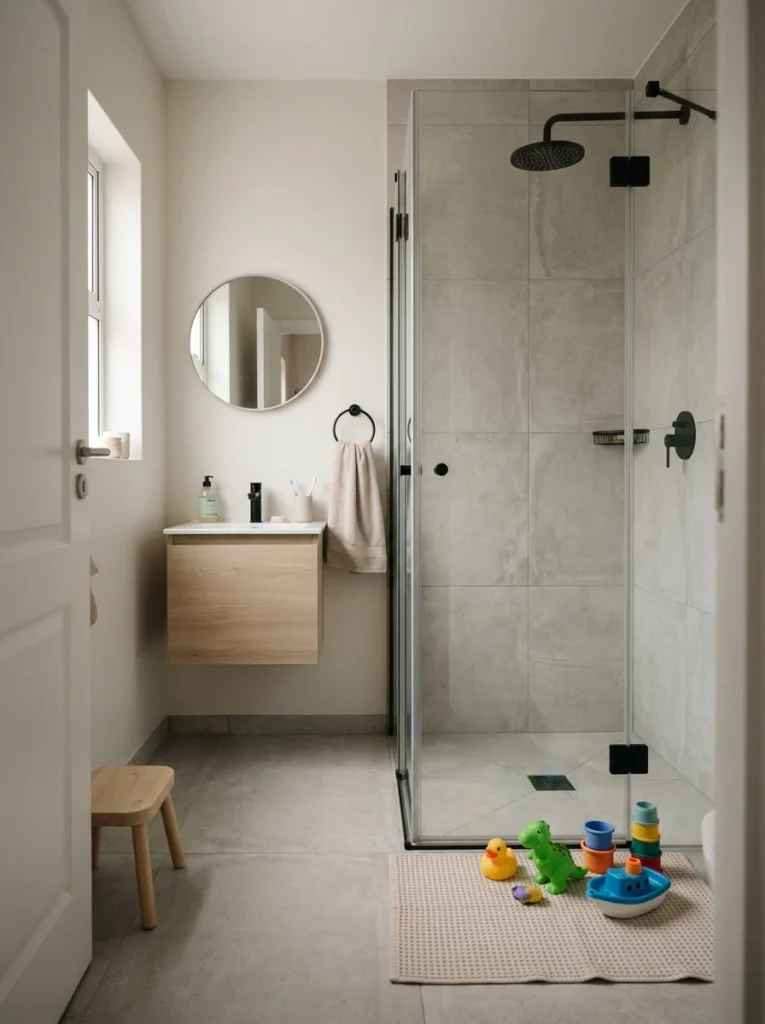
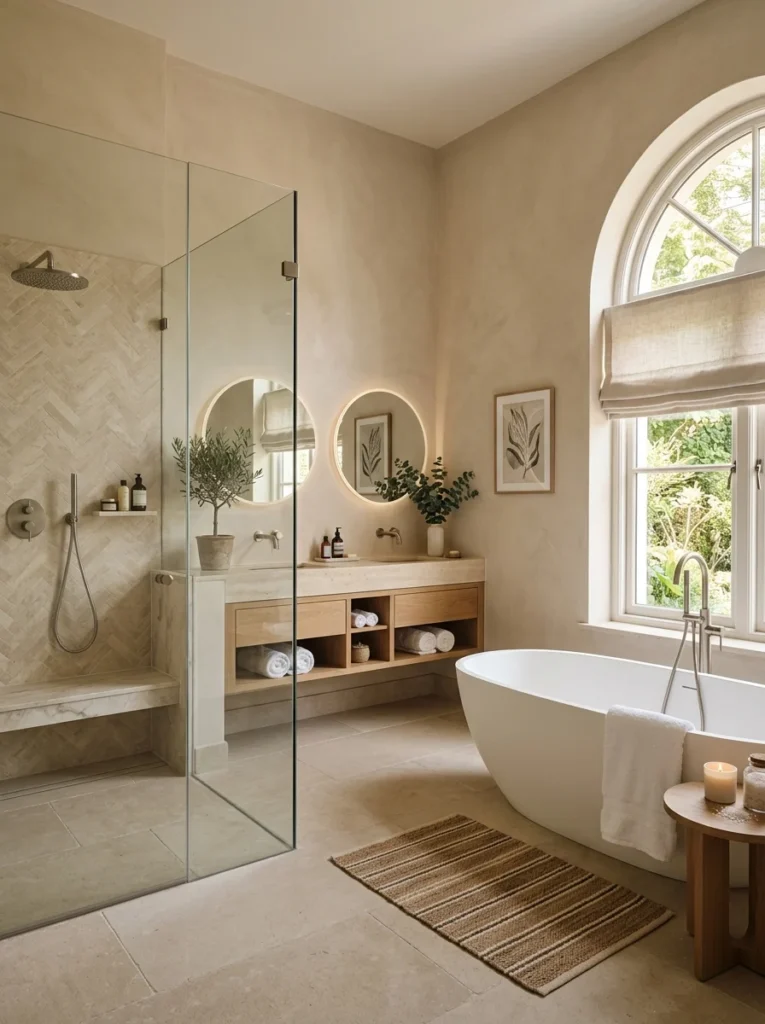
A walk-in shower has become the default choice in a lot of modern renovations, and for good reason. It takes up less visual bulk than a tub, works well in bathrooms of almost any size, and feels distinctly more contemporary, especially with a frameless glass panel and a large-format tile. For anyone who showers daily and rarely, if ever, takes a bath, a walk-in shower is simply a better match for how the space actually gets used. It’s also significantly easier and safer to step into, which matters more than people expect, especially for anyone with mobility concerns or for a household planning to stay in the same home for decades.
Walk-in showers also tend to be easier to keep clean, since there’s no deep basin to scrub and no caulked seam around a tub to maintain. A well-designed walk-in shower with a linear drain and a slight slope in the floor tile sheds water efficiently and dries faster than a tub-shower combination, which can help reduce mildew buildup over time.
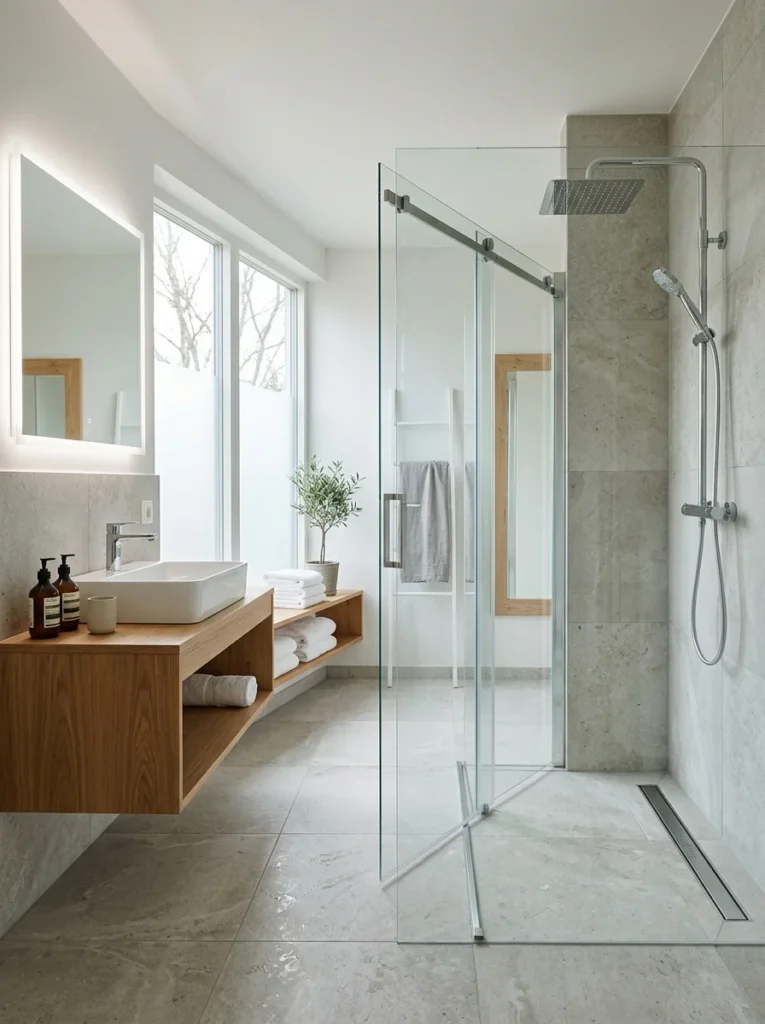
Where a walk-in shower falls short
The biggest drawback of a walk-in shower is that it eliminates the option of a bath entirely, unless your bathroom is large enough for both. For households with young children, a bathtub is often far more practical for bath time, and many buyers with kids specifically look for at least one tub in the home when shopping. A frameless glass walk-in shower can also cost more than a standard tub-shower combination once you factor in the glass panel, a linear drain, and any additional waterproofing behind the tile, so it’s not always the cheaper option it’s sometimes assumed to be. Finally, in a smaller bathroom, converting to a walk-in shower doesn’t always create more usable space than a tub-shower combination would, since the shower still needs its own reasonable footprint to function comfortably.
The case for a bathtub
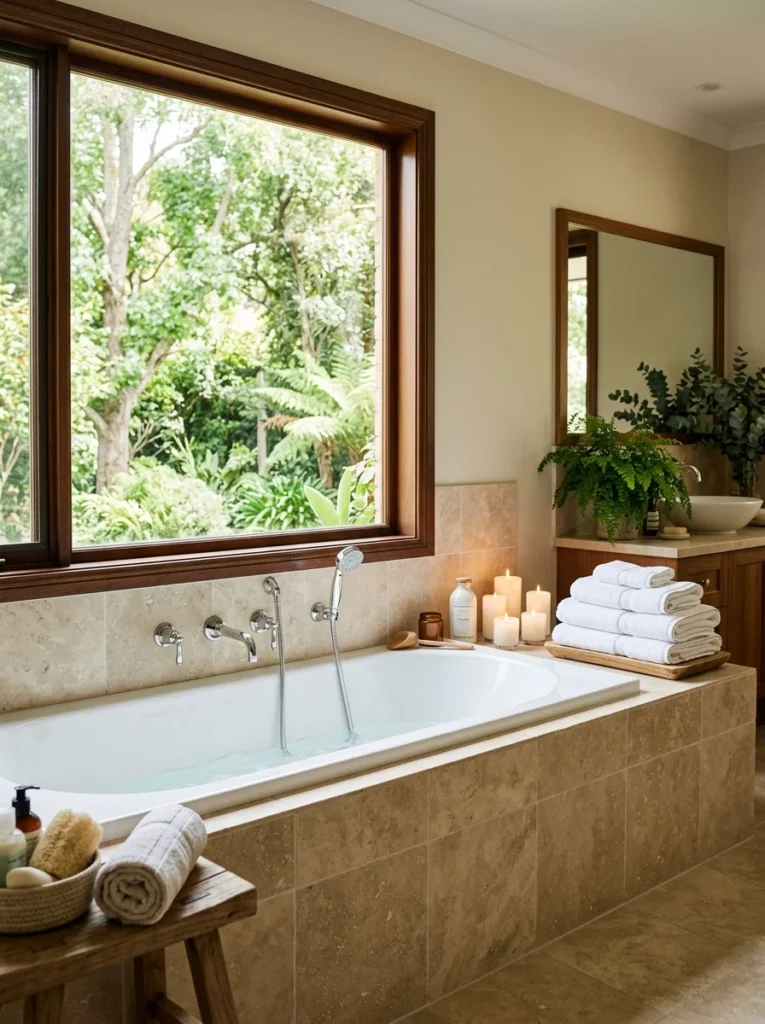
A bathtub remains the more practical option for households with young children, since bathing a toddler is far easier and safer in a tub than trying to maneuver them in an open shower. Baths are also simply preferred by some people as a way to relax and unwind, and no walk-in shower can fully replicate that experience. From a resale perspective, having at least one bathtub somewhere in the home, even if it’s not the primary or primary suite bathroom, is still a common expectation among buyers in many markets, particularly families house-hunting with children.
A standard alcove tub with a shower surround is also generally the most budget-friendly option for a renovation, since it’s a widely available, standard-size fixture that doesn’t require custom glass or specialized waterproofing beyond what’s already common practice. For anyone renovating on a tighter budget, keeping a tub-shower combination is often the most cost-effective way to update a bathroom without a significant increase in scope.
Where a bathtub falls short
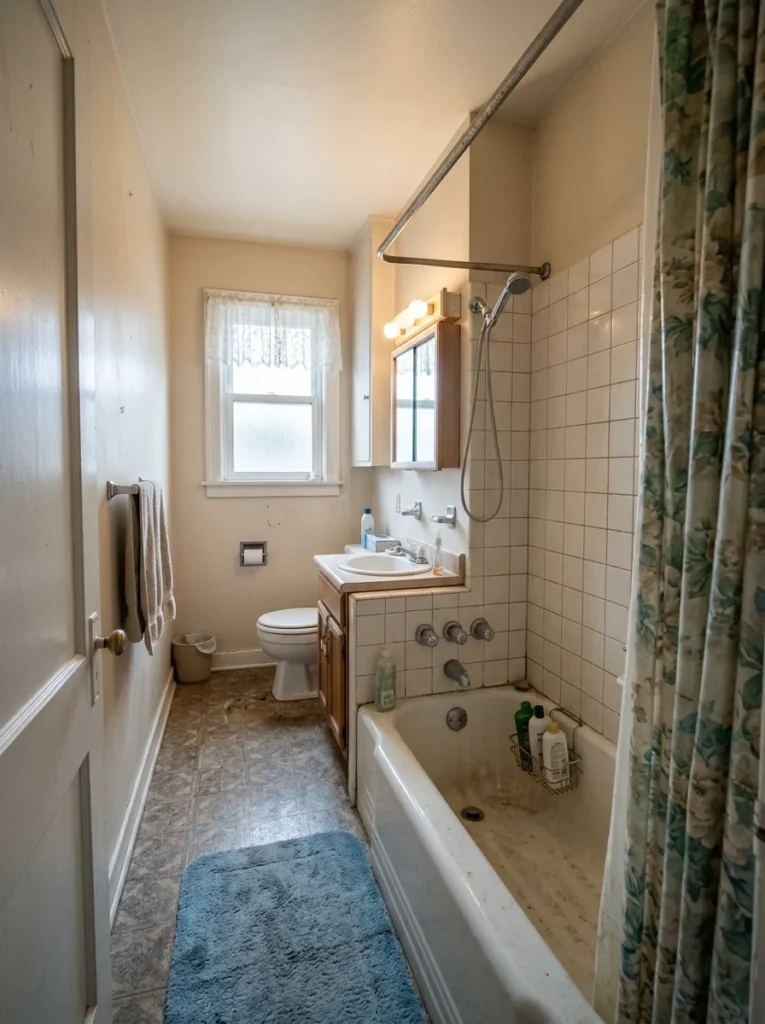
A rarely used bathtub is, in practice, wasted space in a household that showers daily and never bathes. Stepping over a tub wall is also less accessible than stepping into a curbless or low-threshold shower, which becomes a bigger consideration as homeowners age in place or if anyone in the household has mobility limitations. Bathtubs, particularly ones with a shower curtain rather than a glass enclosure, can also feel more dated stylistically compared to a sleek glass-enclosed shower, which matters if updating the overall look of the bathroom is a priority in the renovation.
How to think about resale value
Resale considerations depend heavily on your specific housing market and the makeup of typical buyers in your area. In markets with a lot of families and young children, removing every single bathtub from a home can genuinely narrow your buyer pool, since many family buyers specifically look for at least one tub. In markets or neighborhoods geared more toward retirees, empty nesters, or single professionals, a well-designed walk-in shower can be a stronger selling point than a bathtub. If your home has more than one full bathroom, a common and often recommended approach is keeping at least one tub, usually in a secondary or guest bathroom, while converting the primary or ensuite bathroom to a walk-in shower for the owners’ daily use.
How to think about your household’s actual habits
Set aside trends for a moment and think honestly about the last month. How many times did anyone in your household actually take a bath, versus shower? If the answer is rarely or never, and there’s no plan for young children or aging in place considerations, a walk-in shower is very likely the better use of the space and the renovation budget. If baths are a genuine, regular part of someone’s routine, or if you’re planning for young children in the near future, keeping a tub, even a compact one, is worth prioritizing over pure style trends.
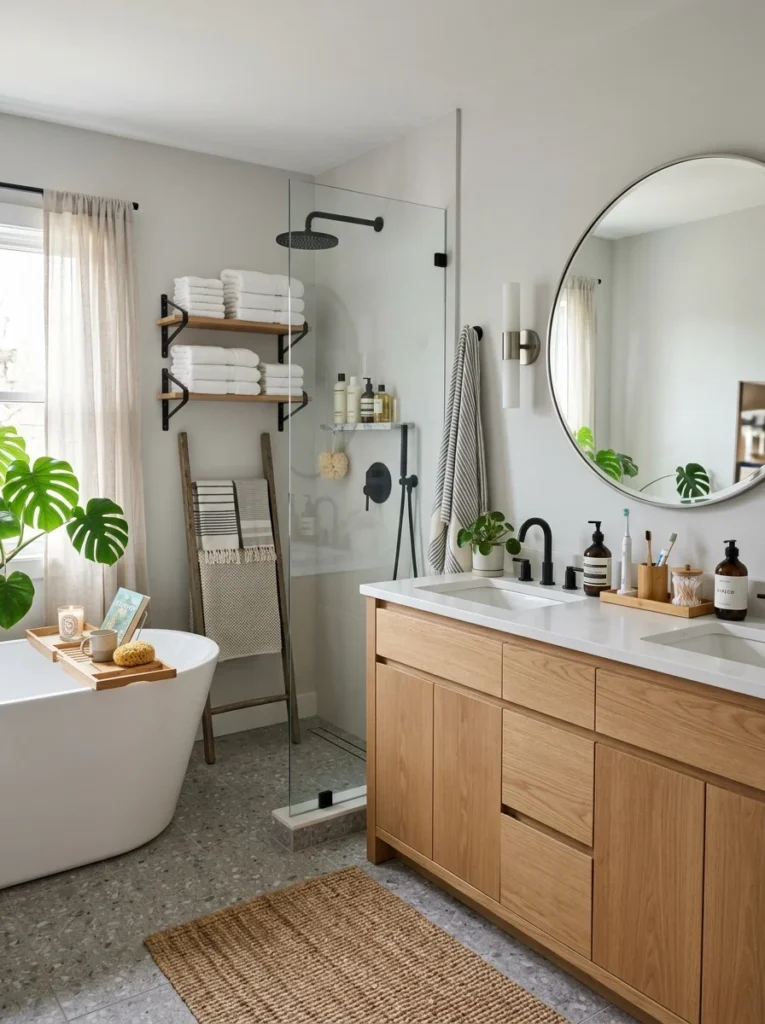
Considering a combination or a secondary bathroom
If your home has more than one bathroom, you don’t necessarily have to choose just one option for the whole house. Converting your primary or most-used bathroom into a walk-in shower for daily convenience, while keeping a tub-shower combination in a secondary bathroom for baths, kids, or resale flexibility, gives you the best of both without compromising in either room. If you only have a single bathroom in the home, the decision carries more weight, and it’s worth leaning toward whichever option matches your household’s actual daily habits rather than what looks best in photos.
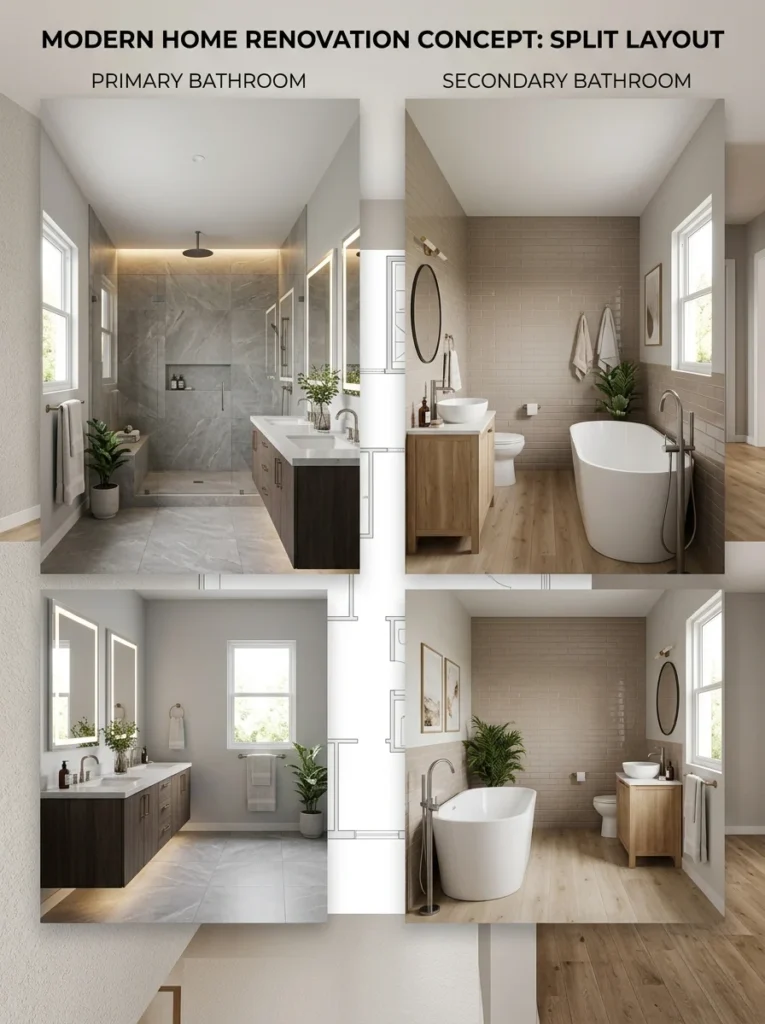
Budget and space considerations
In a smaller bathroom, a standard tub-shower combination is often the more space-efficient option, since it combines both functions into one footprint without needing extra room for a separate shower enclosure. In a larger bathroom, there’s usually enough space to consider either option, or even both, without either one feeling cramped. On budget specifically, a standard tub-shower combination is typically the least expensive route, while a fully custom walk-in shower with frameless glass, a linear drain, and higher-end tile tends to sit at the higher end of the renovation budget, though a simpler walk-in shower with a basic glass panel and standard tile can still be relatively affordable.
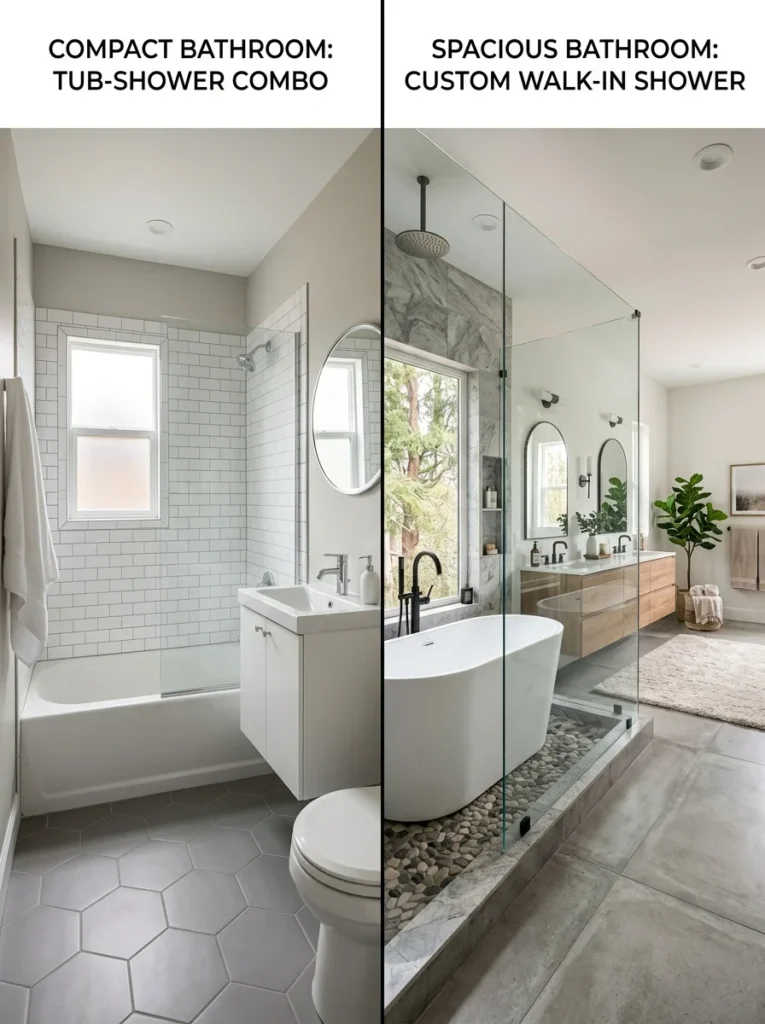
Comparing long-term maintenance
Maintenance is often overlooked in this decision, but it matters over the years you’ll actually live with the choice. A walk-in shower with a glass panel needs regular squeegeeing and occasional descaling to prevent water spots and soap scum buildup, but it avoids the caulk seam around a tub that eventually needs to be redone every few years as it wears, cracks, or discolors. A tub-shower combination has fewer glass surfaces to maintain but more grout and caulk lines where mildew can develop if the space isn’t ventilated well. Neither option is maintenance-free, but a walk-in shower with a well-installed linear drain and quality tile tends to hold up with less visible wear over a decade than a standard tub surround, which often starts looking dated or worn well before it actually needs replacing.
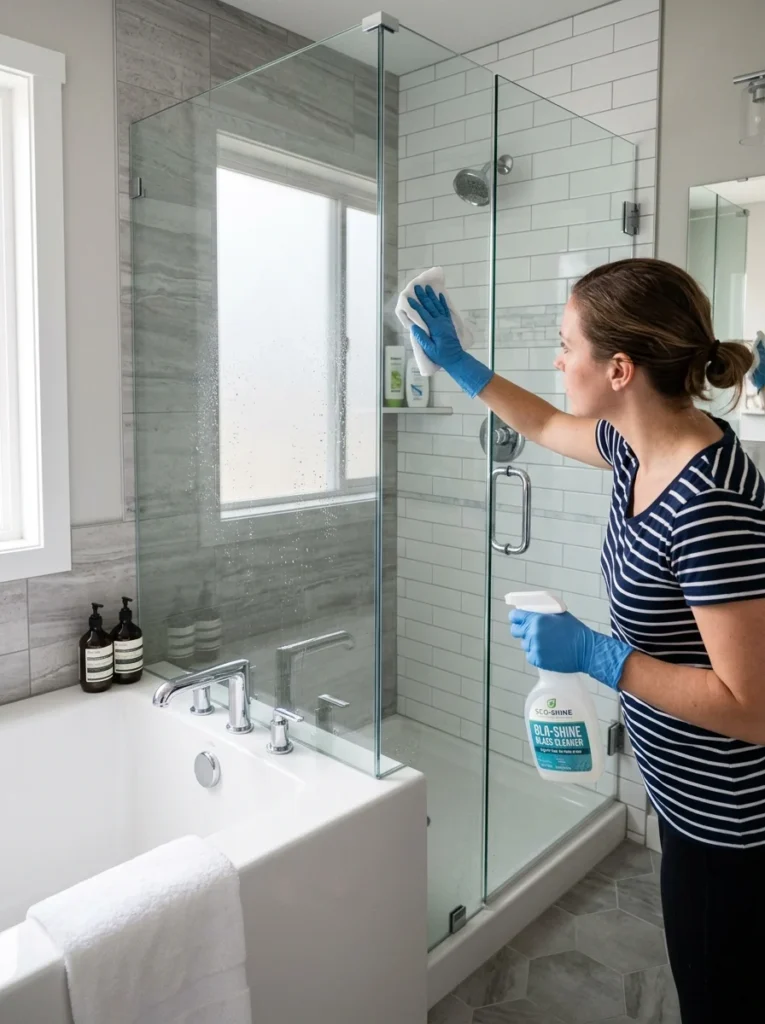
How each option affects the overall look of the room
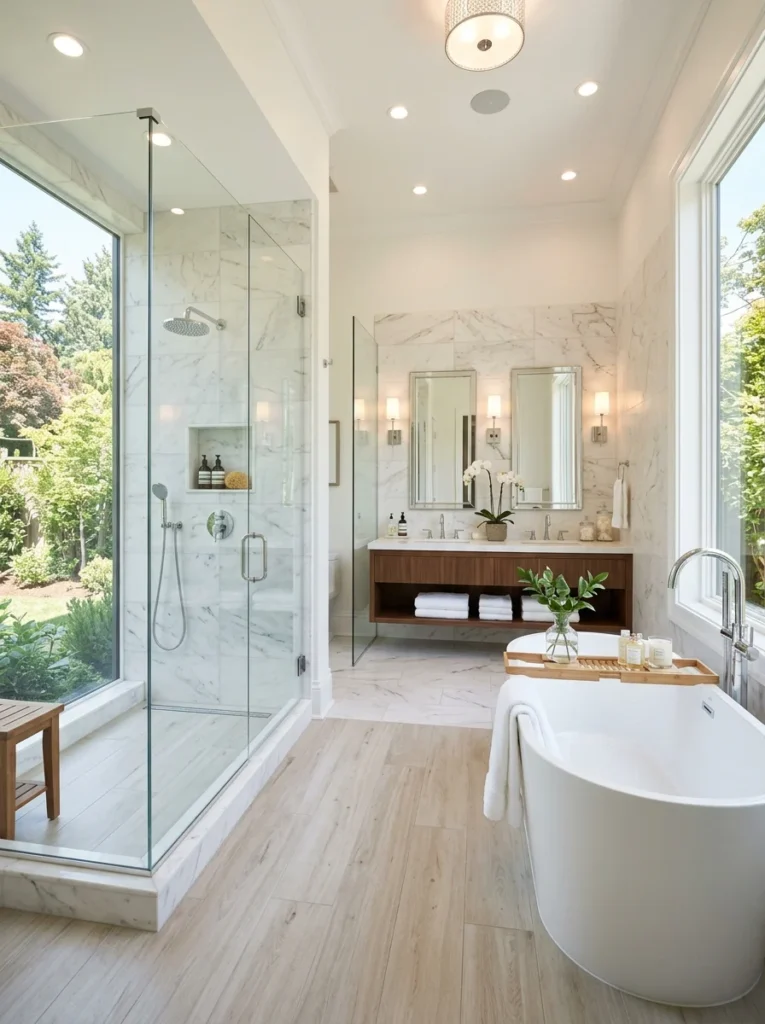
Beyond function, the two options tend to shape the whole design of a bathroom differently. A walk-in shower with frameless glass creates an open, airy feel, since there’s no solid tub wall or curtain breaking up the sightline, which is part of why it reads as more modern in photos and showrooms. A freestanding or built-in tub, on the other hand, can serve as a striking focal point in a larger bathroom, giving the room a more traditional or spa-like character that a shower alone doesn’t replicate. Neither look is objectively better; it comes down to which aesthetic fits the rest of your home and your own taste, separate from the purely practical considerations already covered above.
Common walk-in shower vs. bathtub questions
Does removing a bathtub hurt home resale value?
It depends on your local market. In areas with many family buyers, having at least one bathtub somewhere in the home is often still expected, so removing every tub can narrow your buyer pool. In markets geared toward retirees or single professionals, a well-designed walk-in shower can be just as appealing, or more so, than a bathtub.
Is a walk-in shower more expensive than a bathtub?
A custom walk-in shower with frameless glass and higher-end finishes is often more expensive than a standard tub-shower combination, but a simpler walk-in shower with a basic glass panel and standard tile can be comparably priced. A standard alcove tub with a shower surround typically remains the most budget-friendly option overall.
Is a walk-in shower safer than a bathtub?
Generally yes, particularly a curbless or low-threshold walk-in shower, since there’s no tub wall to step over, which reduces the risk of slips for anyone with mobility concerns or for households planning to age in place in the same home.
Can I have both a tub and a walk-in shower in the same bathroom?
Yes, if the bathroom has enough square footage, a separate tub and walk-in shower can both fit, which is common in larger primary bathrooms. This gives you the flexibility of a bath option while still having a dedicated, efficient shower for daily use.
Should I consider aging in place when choosing between the two?
If you plan to stay in your home long-term, a curbless or low-threshold walk-in shower is generally the safer, more future-proof choice, since it removes the need to step over a tub wall as mobility changes with age. Adding a built-in bench and grab bars to a walk-in shower during the renovation, even if you don’t need them yet, is far cheaper than retrofitting them later and can make the space usable for decades without another renovation.
Match the choice to how you actually live
There’s no universally correct answer to walk-in shower versus bathtub, only the answer that’s correct for your specific household, budget, and bathroom size. Households that shower daily and rarely bathe, especially without young children in the picture, are usually well served by a walk-in shower. Households with kids, a genuine bath habit, or specific resale concerns in a family-oriented market often do better keeping at least one tub somewhere in the home. If you have more than one bathroom to work with, a mixed approach often solves the dilemma entirely.
My parents, in the end, kept a tub in their secondary bathroom and converted their primary ensuite into the walk-in shower my dad wanted, which meant nobody had to give anything up. That’s often the real answer to this debate: not choosing the trendier option, but figuring out which combination actually fits how your household lives, day in and day out.