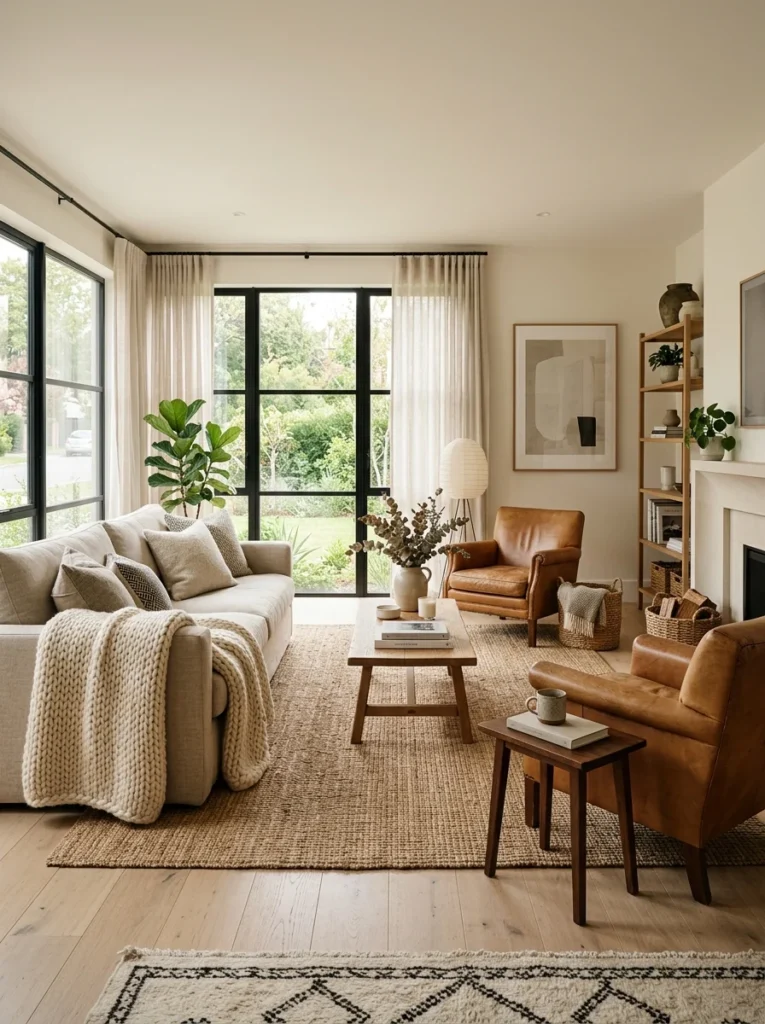
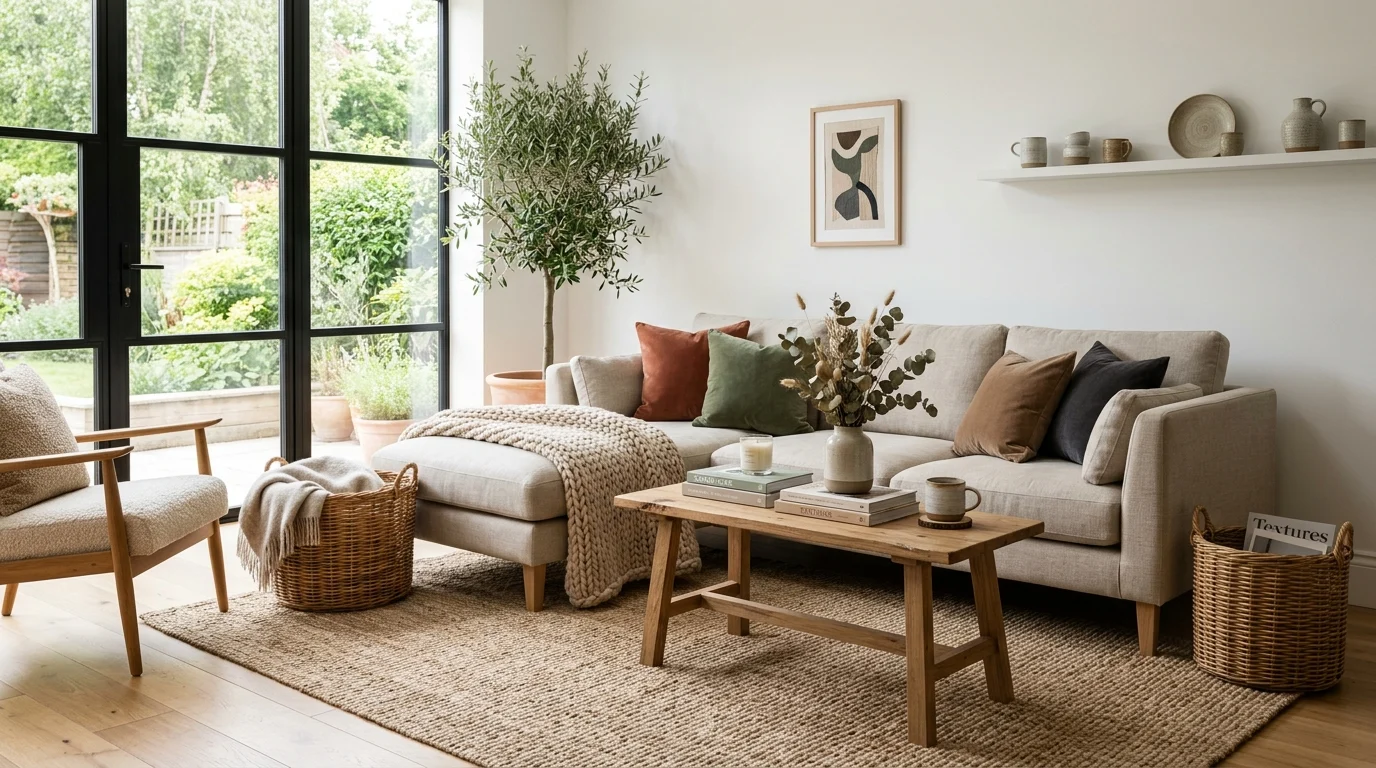
After reading that texture was the secret to a genuinely cozy, layered living room, I went a little overboard, a chunky knit throw, a shaggy rug, a velvet pillow, a rattan basket, a woven wall hanging, all crammed into one small room within the same month. Instead of feeling rich and inviting, the room ended up feeling chaotic and strangely exhausting to sit in, like every surface was competing for attention at once. It took stepping back and actually understanding the principles behind successful texture mixing, rather than just piling on every textured item I liked individually, before the room actually started feeling the layered, cozy way I’d originally pictured.
Texture is genuinely one of the most effective tools for making a living room feel warm and considered rather than flat and generic, but it has to be layered with some restraint and structure, or it tips over into visual clutter fairly quickly. Here’s how to actually get the balance right.
Understand what texture is actually doing in a room
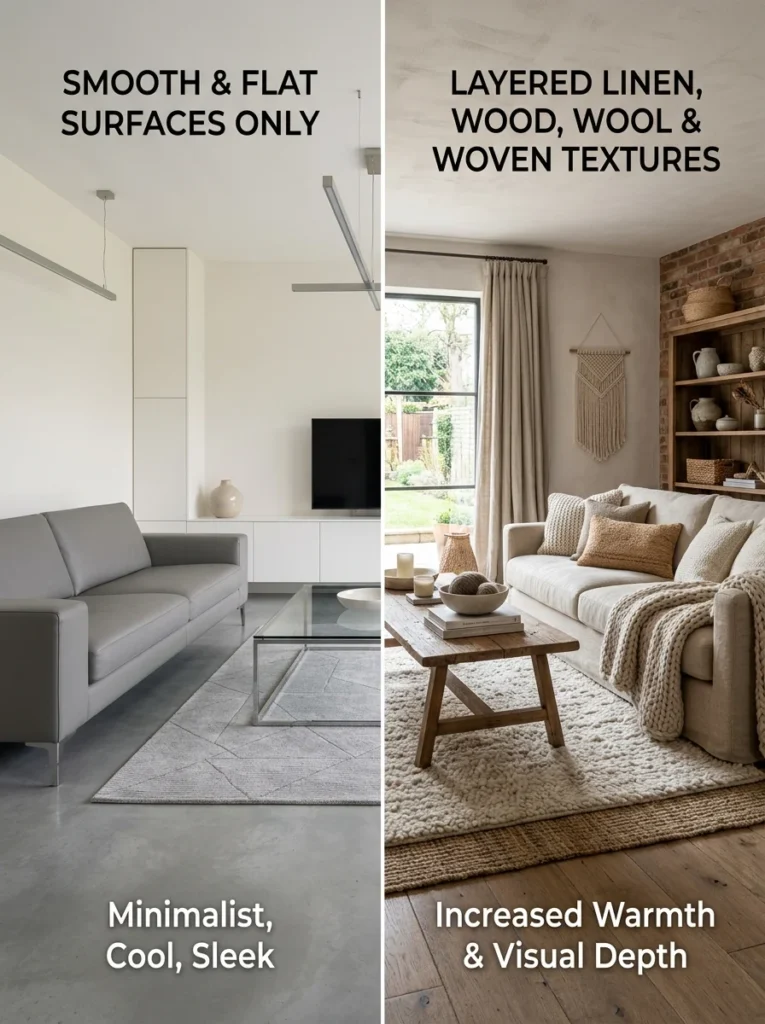
Texture refers to the tactile quality of a material, how rough, smooth, soft, or nubby it feels and appears, and it adds visual depth and interest to a room independent of color or pattern. A room built entirely from smooth, flat surfaces, glossy paint, smooth cotton, polished wood, tends to feel cold and one-dimensional even with a beautiful color palette, while a thoughtfully layered mix of textures adds warmth and richness that color alone can’t achieve. Understanding this distinct role texture plays helps explain why it matters, and also why overdoing it creates the opposite, overwhelming effect rather than the intended cozy one.
Limit yourself to three or four distinct textures per room
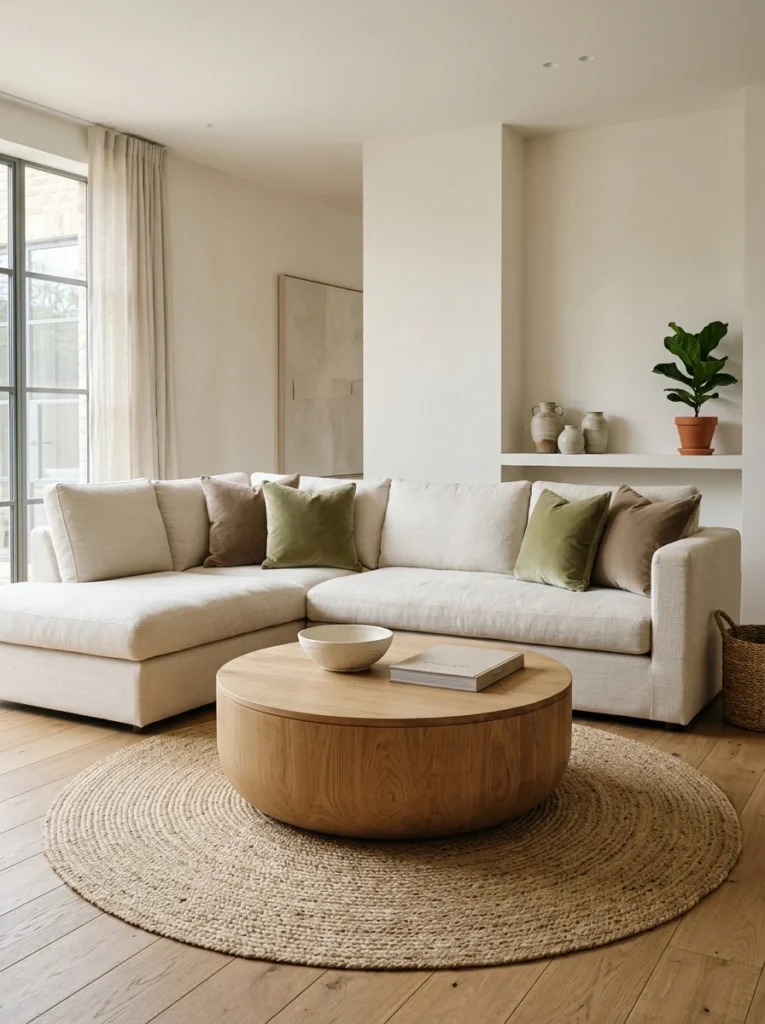
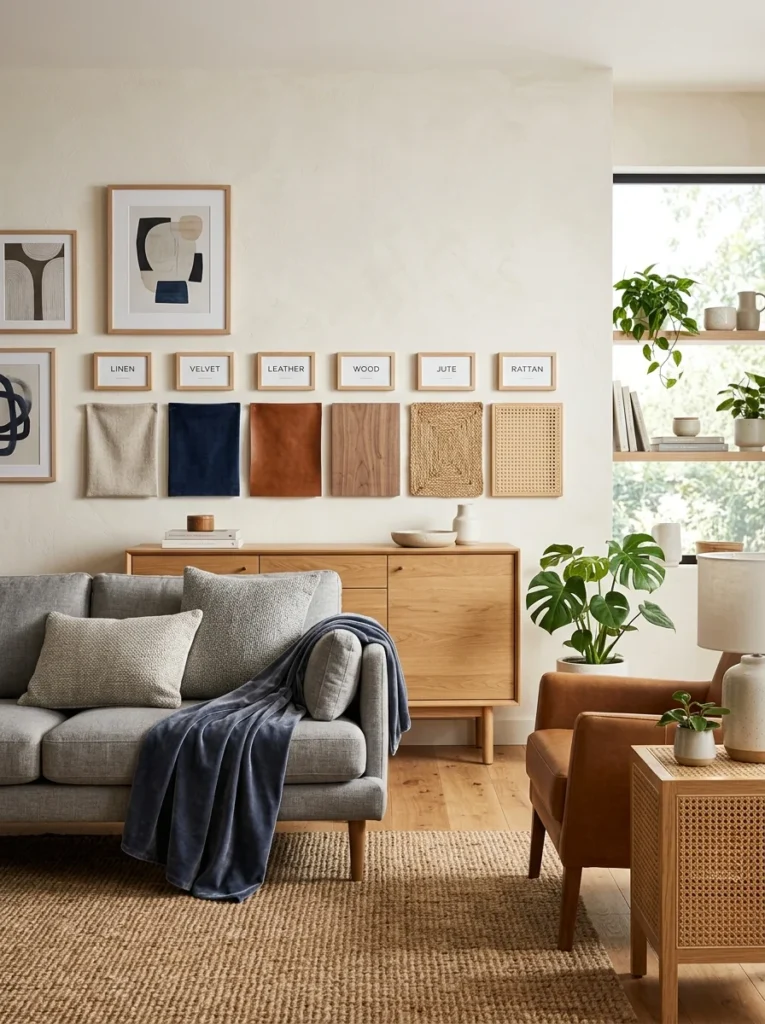
One of the most reliable ways to avoid a busy, cluttered look is capping the total number of genuinely distinct textures in the room to roughly three or four, a soft woven throw, a smooth leather or velvet accent, a natural wood grain, and perhaps one rougher, more rustic texture like jute or rattan. Beyond this range, even beautiful individual textures start competing with each other for attention rather than working together, which is essentially what happened in my own overcorrected first attempt at this.
Choose one dominant texture and let the others support it
Rather than treating every textured element as equally important, choosing one dominant texture, a large area rug’s texture, or a substantial sofa fabric, and letting smaller accents, pillows, a throw blanket, a woven basket, support and complement that dominant choice creates a sense of hierarchy that a room with many competing, equally weighted textures doesn’t achieve. This mirrors how a well-composed room generally works with color too, one dominant tone with supporting accents, rather than every element demanding equal visual attention.
Balance rough textures with smooth ones
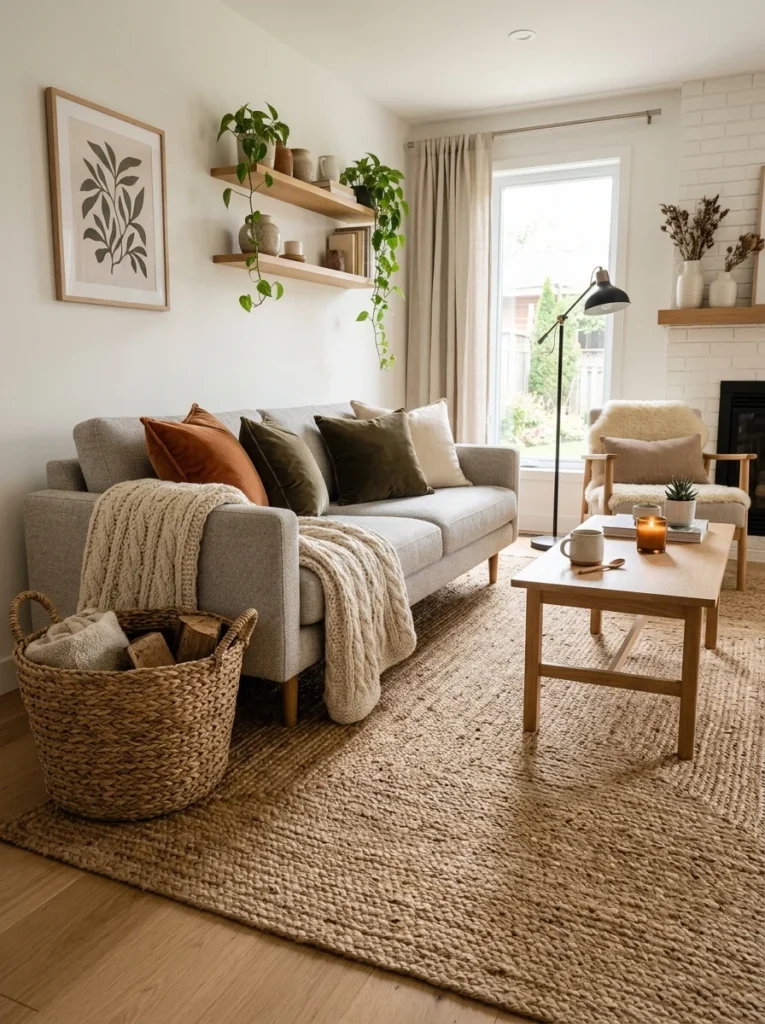
A room that leans entirely toward rough, nubby, or heavily textured materials, chunky knits, rattan, jute, exposed wood grain, can start to feel visually heavy and busy even within a reasonable total texture count. Balancing these rougher textures with at least one or two smoother, more refined materials, a sleek leather accent chair, a smooth ceramic lamp base, a polished wood coffee table, creates contrast that keeps the overall look feeling intentional and composed rather than uniformly rugged.
Keep pattern separate from texture when layering
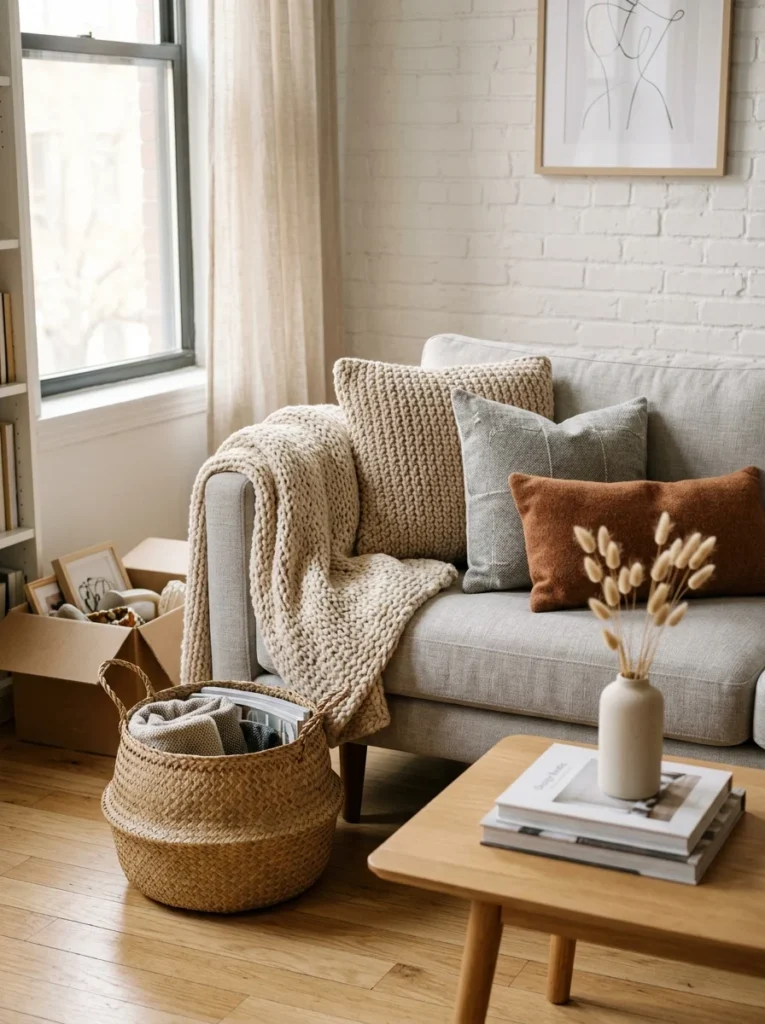
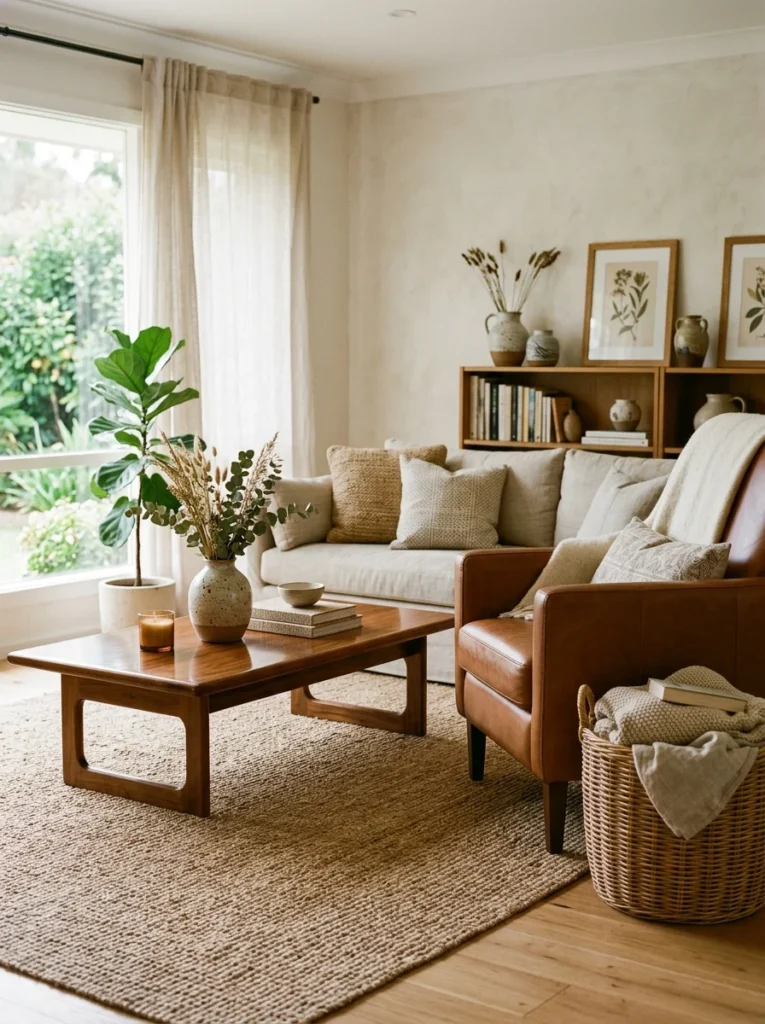
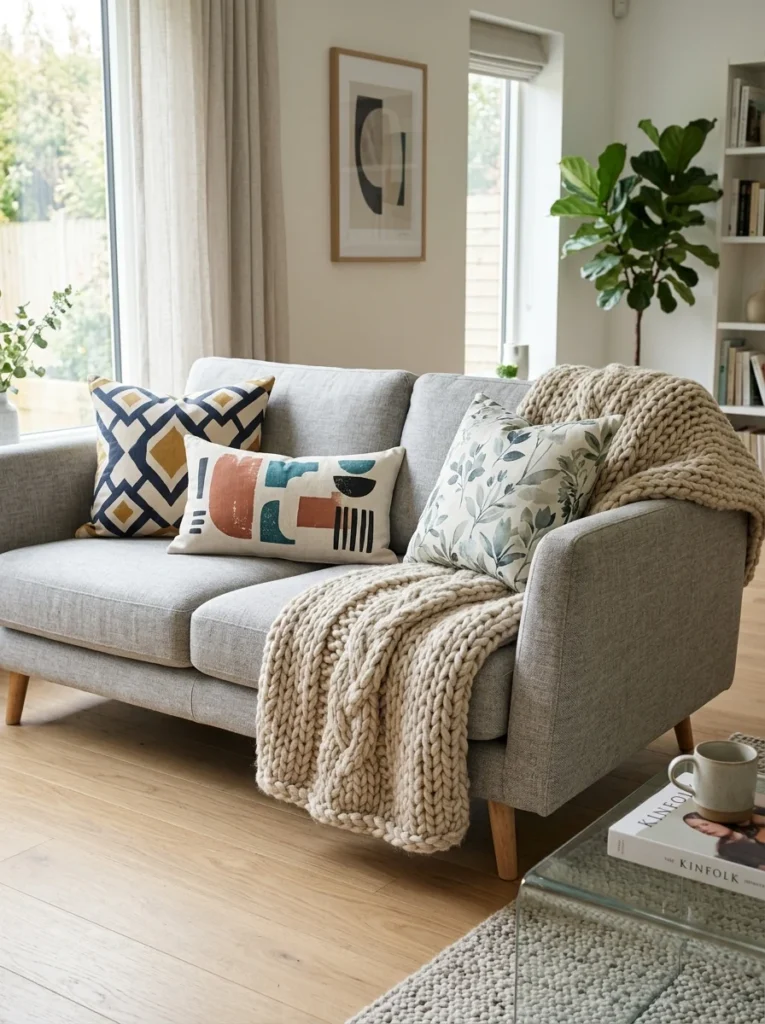
It’s easy to conflate texture and pattern, but treating them as two separate layering decisions helps prevent an overwhelming result. A heavily textured item, a chunky knit throw, for example, generally works best in a solid color rather than also carrying a bold pattern, since combining significant texture and significant pattern in the same piece asks a lot of visual attention from a single object. Reserving pattern for flatter, smoother-textured items, a patterned but smooth-woven pillow cover, for instance, lets each layering tool, texture and pattern, do its own distinct job without both competing in the same spot.
Stick to a cohesive color palette even while varying texture
Varying texture significantly while also varying color and pattern widely is where a room tips most easily into feeling busy and chaotic. Keeping the color palette relatively restrained, two or three coordinating tones, while allowing more freedom in the texture of the materials within that palette, lets you achieve a rich, layered look without the visual noise of many different colors and textures all competing simultaneously. This is essentially the same principle used successfully in the earlier texture-limiting guidance, just applied specifically to how texture and color interact together.
Layer textures at different heights and surfaces
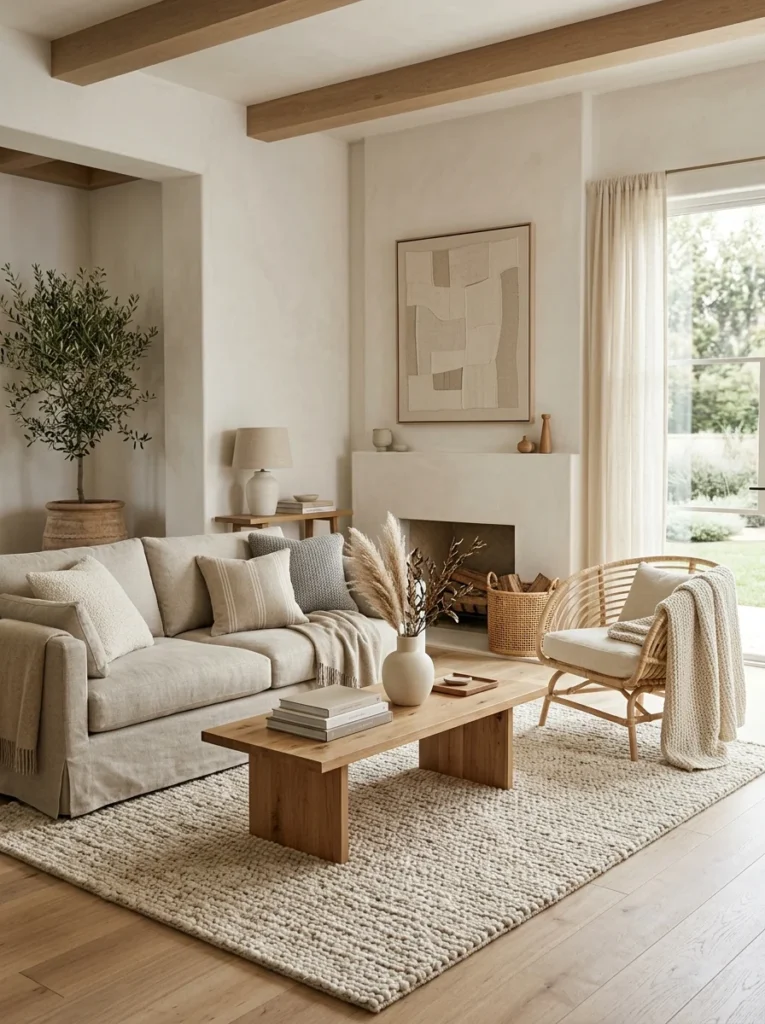
Distributing textured elements across different surfaces and heights in the room, a textured rug at floor level, a smooth wood coffee table above that, a woven basket beside the sofa, a textured throw draped over the arm, creates a sense of natural, layered depth rather than concentrating all the textural interest in one single spot, like an overloaded accent pillow arrangement, while leaving the rest of the room flat and textureless by comparison.
Use texture to draw attention to a specific focal point
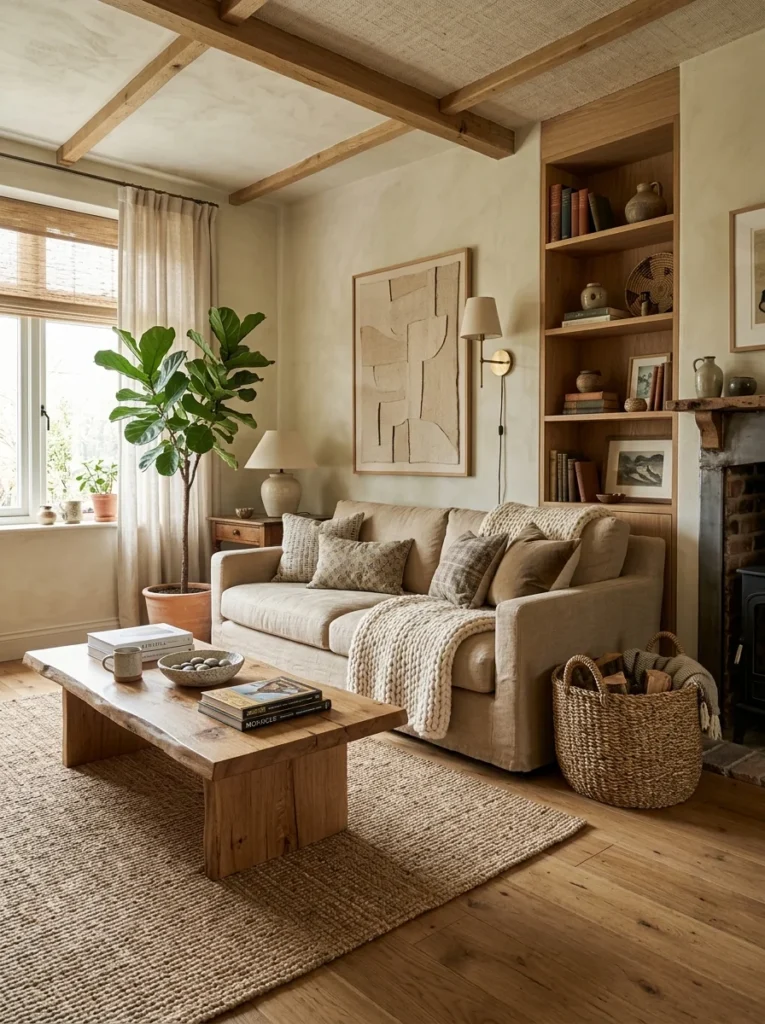
Rather than distributing texture completely evenly throughout the room, concentrating a bit more textural interest around a specific focal point, a textured accent wall, a substantial woven light fixture, a particularly interesting textured chair, gives the eye somewhere clear to land and creates a sense of intentional design rather than texture simply scattered throughout without any clear hierarchy or purpose.
Consider the room’s overall style when choosing which textures to mix
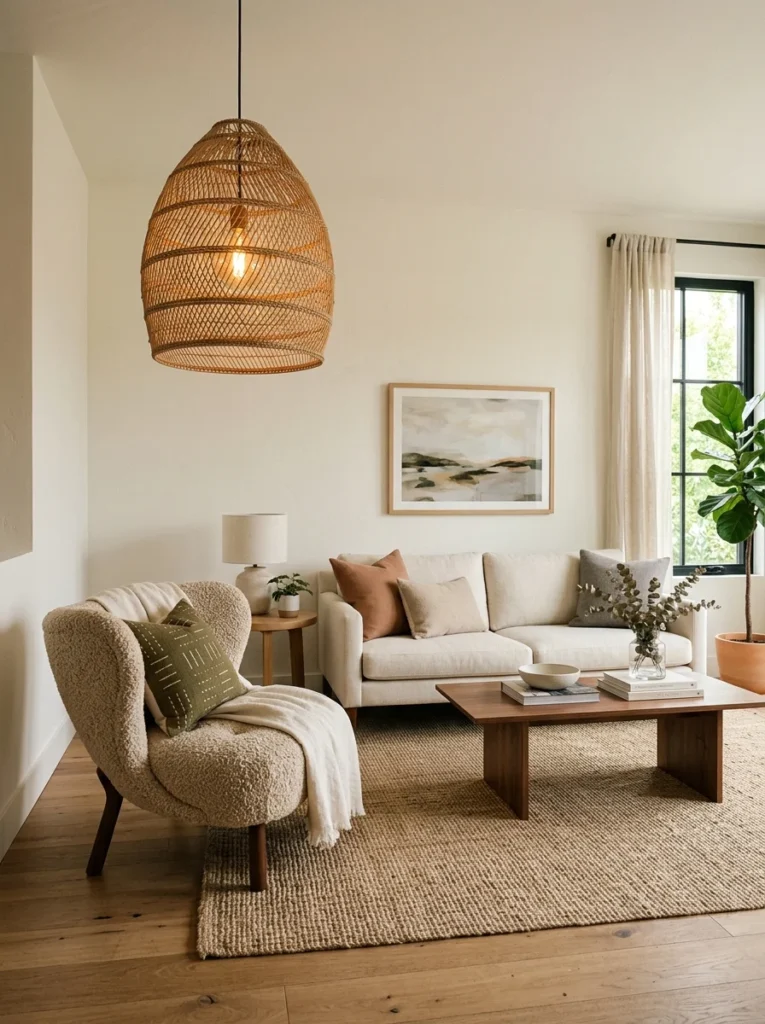
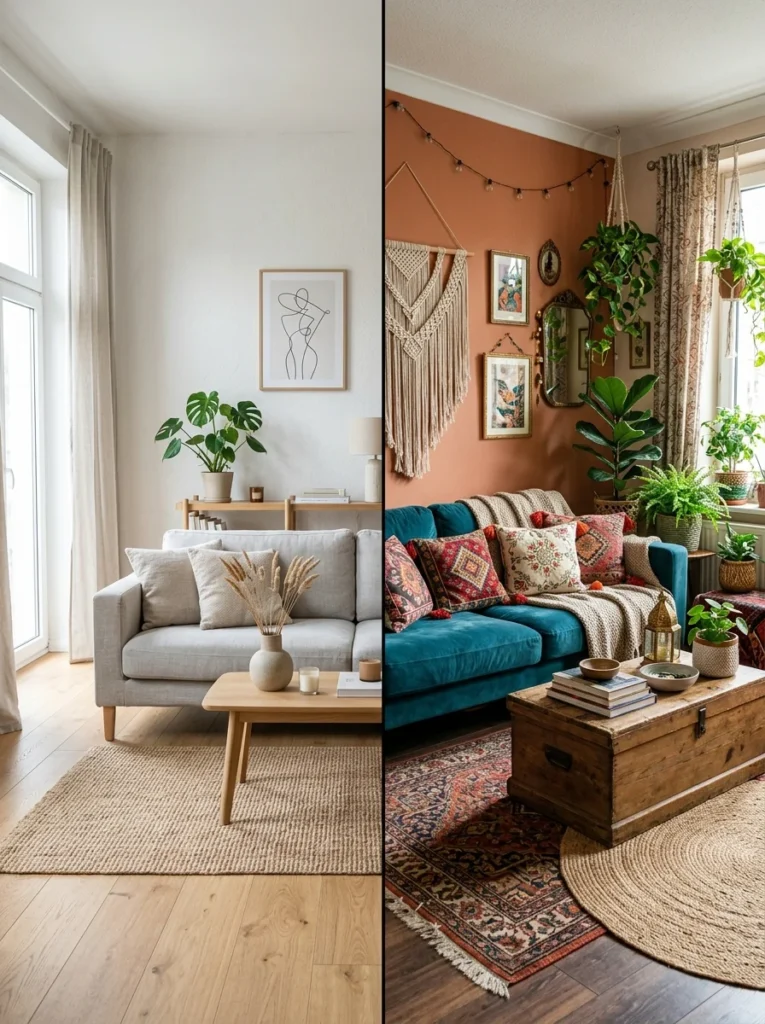
A modern, minimalist room generally supports a more restrained approach to texture, smooth wood, subtle linen, one accent of a rougher material, while a more bohemian or eclectic style can support a wider, bolder range of mixed textures without necessarily feeling busy, since that broader mix is actually consistent with the style’s overall design language. Being honest about which broader style direction your room is working within helps calibrate how much texture variety actually reads as intentional versus simply cluttered for that specific aesthetic.
Edit ruthlessly once the room is assembled
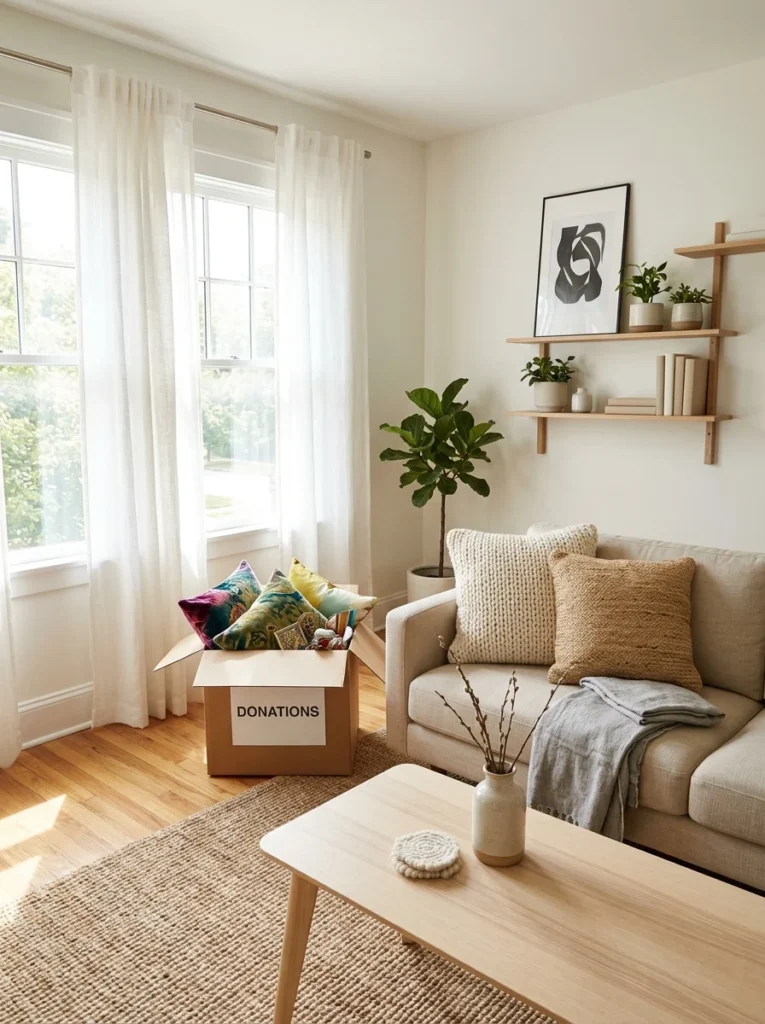
After bringing in your chosen textured elements, step back and honestly assess whether every single piece is actually earning its place, or whether the room would look calmer and more composed with one or two items removed. This editing step is often the one people skip, adding item after item without ever subtracting, which is precisely the mistake that turned my own first attempt at this into an overwhelming mess rather than the cozy, layered room I’d actually pictured.
Swap smaller textured accents seasonally rather than everything at once
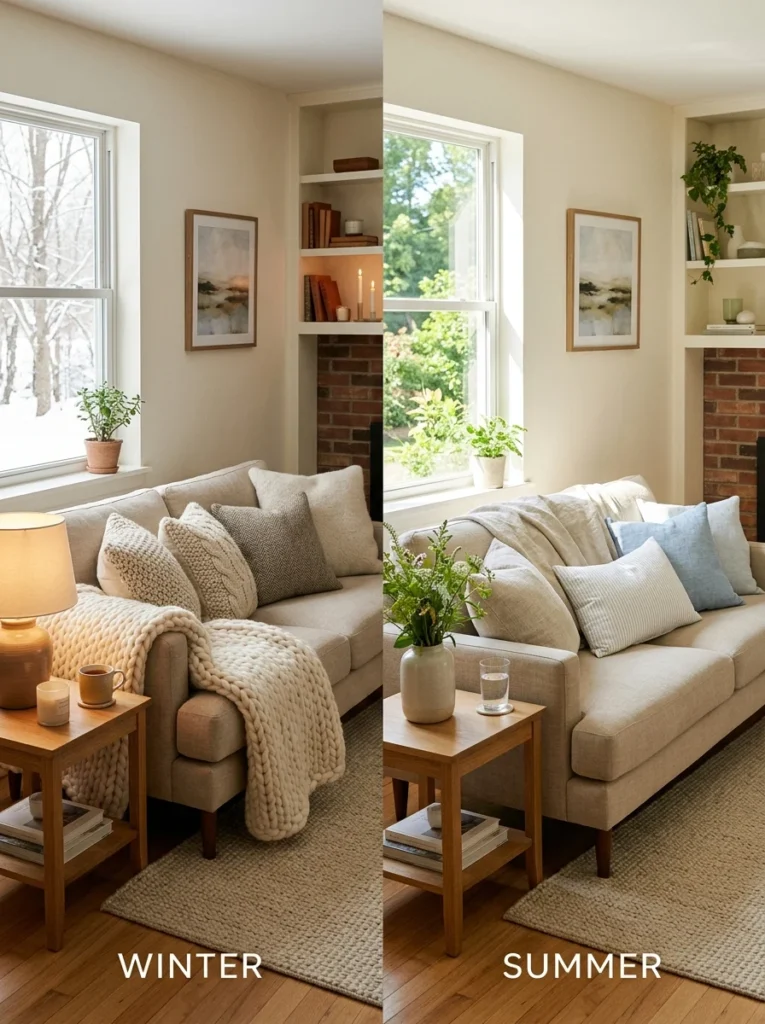
Rather than committing to one fixed textural mix year-round, swapping out smaller, easily changed accents, a chunky knit throw and darker, heavier pillow covers in cooler months, replaced with lighter linen or cotton textures in warmer months, keeps the room feeling fresh and appropriately seasonal without requiring a full redesign each time. Keeping the larger, more expensive textured investments, a rug, a sofa’s upholstery, relatively neutral and seasonally flexible means only the smaller, inexpensive accent pieces need rotating, which keeps this seasonal refresh manageable rather than an overwhelming undertaking every few months.
Consider specific texture pairings that reliably work well together
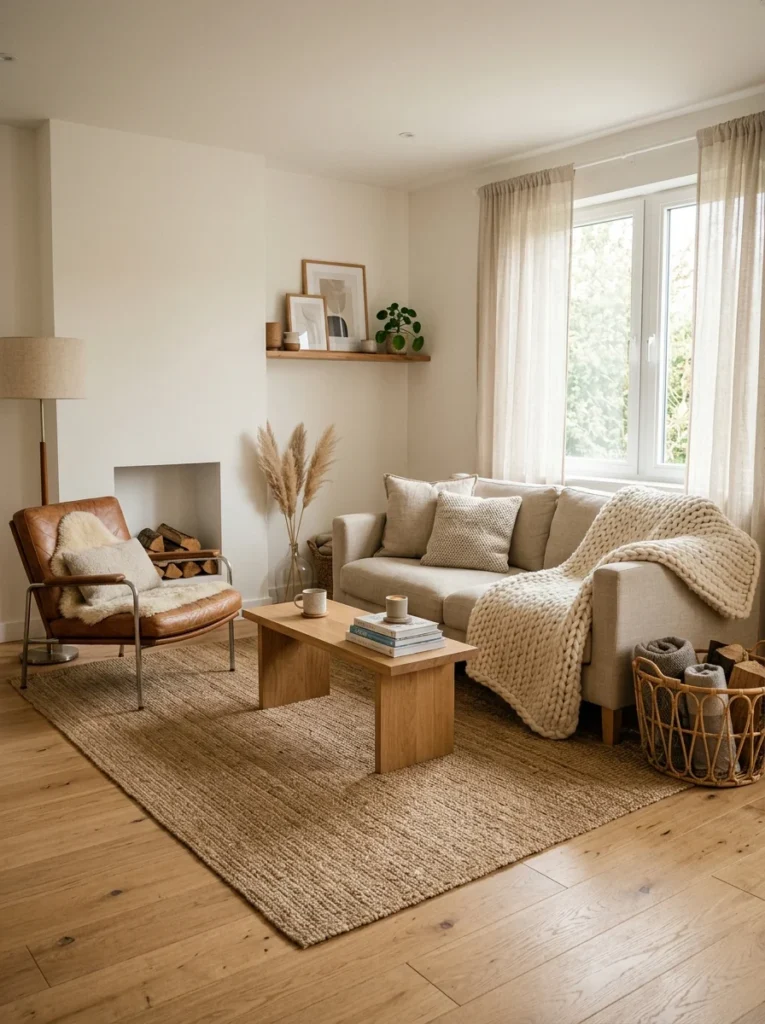
Certain textural combinations have a strong track record of working well without much additional thought: a smooth linen sofa paired with a chunky knit throw and a few leather accents, a sleek velvet accent chair balanced against a natural jute or sisal rug, or a polished wood coffee table sitting on a woven rattan base. Starting from one of these reliable, time-tested combinations, rather than assembling an entirely novel mix from scratch, gives you a dependable foundation to build from, and it’s a particularly useful starting point for anyone newer to texture mixing who wants a lower-risk way to begin experimenting.
Consider how lighting affects the way texture reads in a room
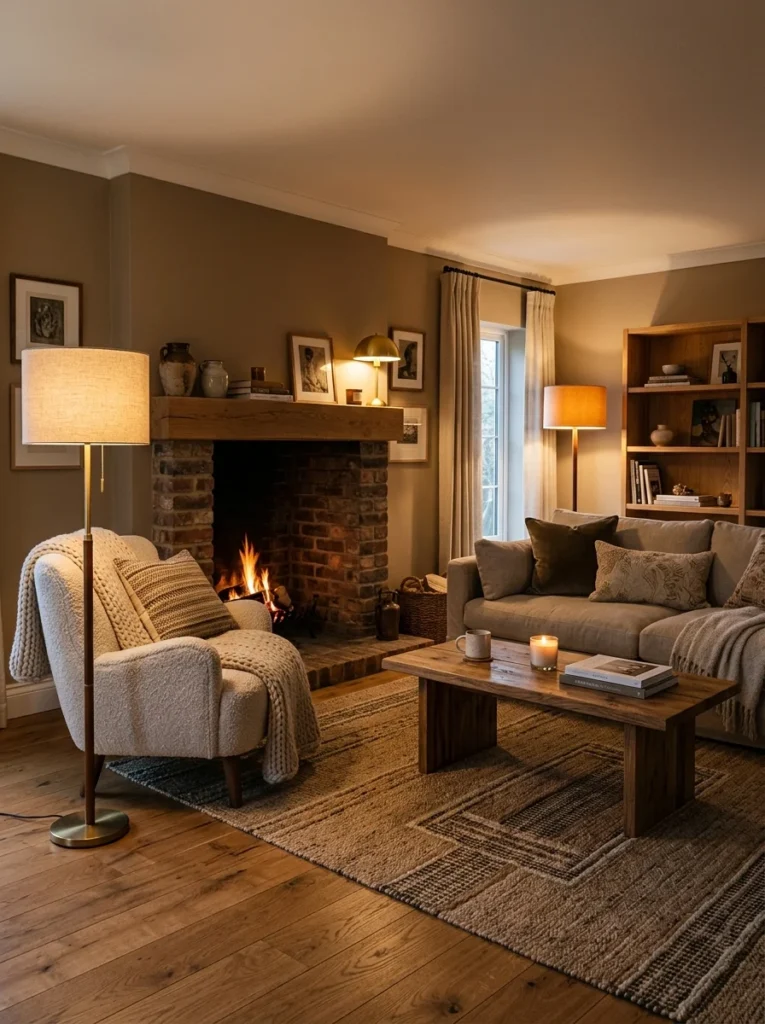
Texture relies heavily on light and shadow to actually register visually, since a nubby or woven material only reads as textured when light catches its surface variation, casting small shadows that a flat, evenly lit surface wouldn’t show. A room with only flat, overly bright overhead lighting can actually flatten the visual impact of carefully chosen textures, while warmer, more directional lighting, a floor lamp positioned to graze across a textured chair or rug, enhances how much depth and richness that texture actually contributes to the room. This is worth considering alongside the material choices themselves, since even a well-chosen textural mix can underperform visually under the wrong lighting conditions.
Common texture-mixing questions
How many different textures should a living room have?
Roughly three to four distinct textures generally works well for most living rooms, striking a balance between visual richness and a calm, cohesive look. Going beyond this range often starts to feel busy and competing rather than intentionally layered.
Can I mix bold patterns with heavy texture in the same piece?
It’s generally safer to keep pattern and heavy texture as separate layering tools rather than combining both in the same item. A heavily textured piece works best in a solid color, while pattern is better reserved for flatter, smoother-textured items.
Should I match textures throughout the whole room?
No, varying texture is actually the goal, but it should be balanced, rough materials paired with smoother ones, rather than uniform. The key is keeping the color palette relatively cohesive while allowing more freedom in the texture variety within that palette.
What’s the biggest mistake people make when mixing textures?
Adding too many distinct textures without ever editing or removing any, and combining significant texture variety with significant color and pattern variety at the same time, are the most common mistakes, both of which tip a room from richly layered into visually cluttered.
Texture done with restraint, not restriction
Mixing textures successfully in a living room comes down to limiting the total variety to a manageable few, balancing rough materials with smoother ones, keeping pattern and heavy texture as separate decisions, and editing the finished room honestly rather than simply adding more. Done with this kind of restraint, texture adds genuine warmth and richness to a room; done without it, it can just as easily tip into visual chaos.
My own living room, once overwhelmed by too many competing textured pieces added all at once, now works with a simpler, more intentional mix, a textured jute rug, a smooth leather accent chair, and just one chunky knit throw, and it finally feels like the cozy, layered room I originally wanted rather than a cluttered one. If your own space feels similarly overwhelming, start by removing rather than adding; identifying which one or two textured pieces genuinely aren’t earning their place is often the fastest path back to a calmer, more considered room.