For the first two summers in our house, our backyard was basically just grass and a plastic patio set left behind by the previous owners. We kept saying we’d get around to fixing it up once we had a real budget for it, and two summers passed us by before I realized we were waiting for a number that was never actually going to feel comfortable to spend. So instead, I set a small, real budget, spread across a few weekends, and started making changes one at a time. By the end of that third summer, the same backyard had become the place we ate dinner most nights, without ever writing one large check for it.
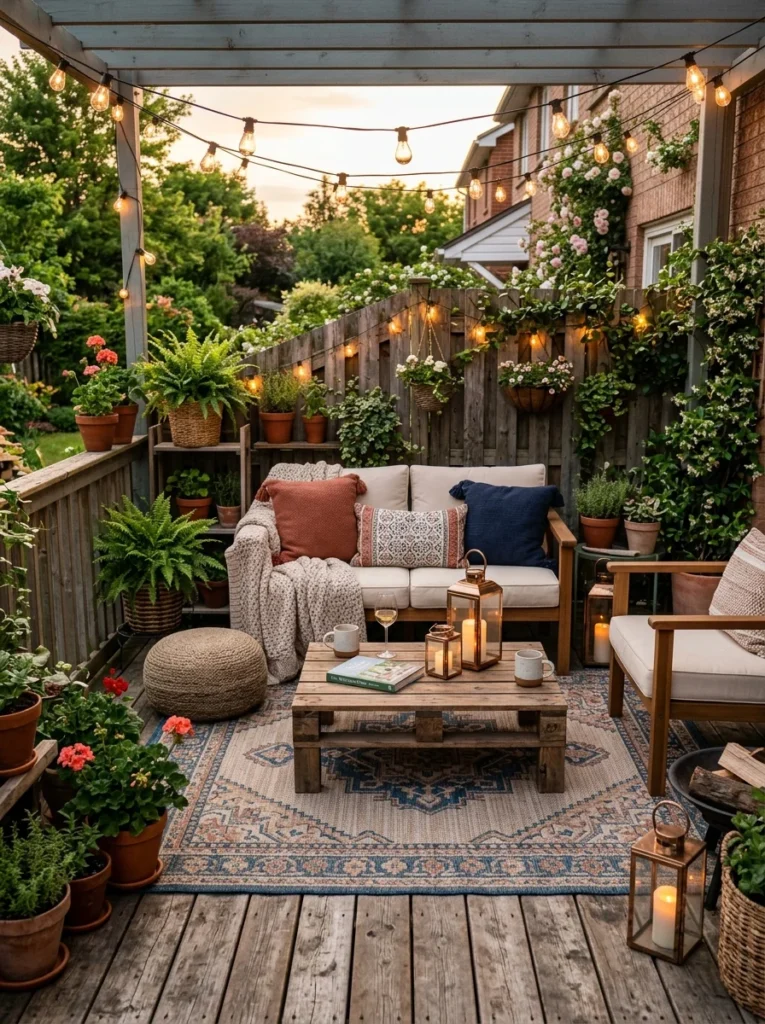
A cozy outdoor living space doesn’t require a full landscaping overhaul or a built-in kitchen to feel inviting. It comes down to a handful of deliberate choices, comfortable seating, good lighting, a bit of shade, and enough greenery to make the space feel intentional rather than leftover. Here’s how I’d approach it again, in the order that made the biggest difference for the least money.
Start by defining the space, even without construction
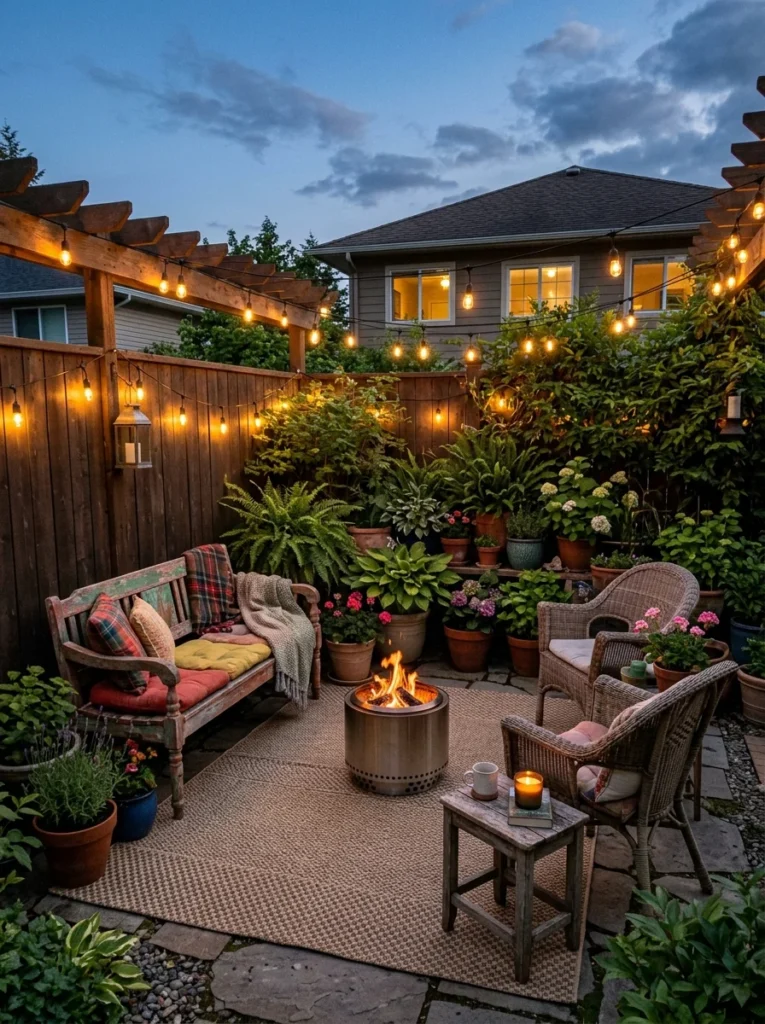
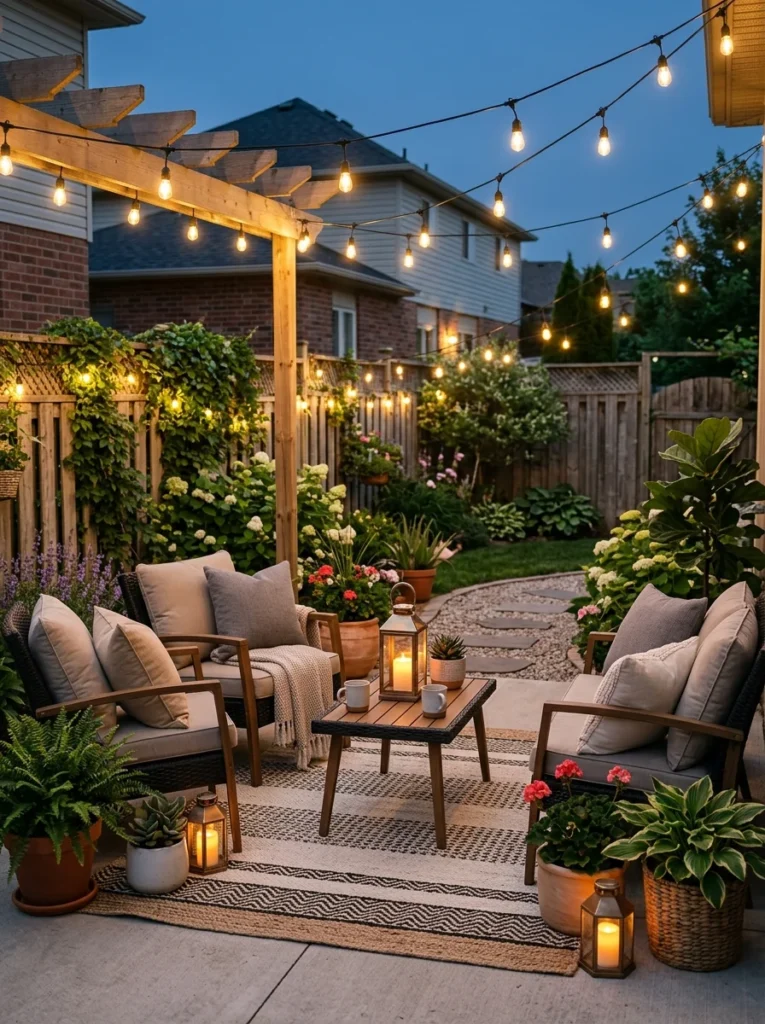
Before spending anything, it helps to visually define the area you want to use as your outdoor living space, rather than leaving it blending into the rest of the yard. An outdoor rug, a section of pavers, or even a simple border of potted plants can mark out a distinct “room” within a larger yard, which immediately makes the space feel more intentional and lived-in rather than like an unused corner of grass. This costs very little and gives every other purchase, furniture, lighting, decor, a clear boundary to work within, which also helps you avoid overbuying for a space that isn’t actually defined yet.
Choose secondhand or off-season furniture first
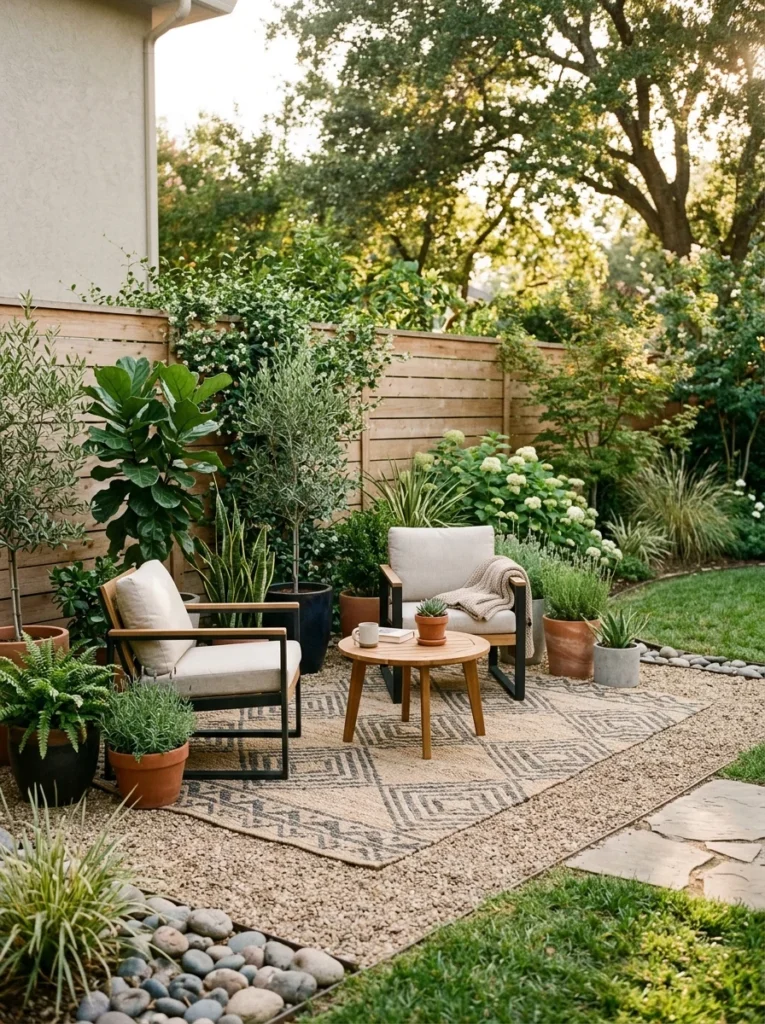
Furniture is usually the biggest expense in outdoor living, and it’s also the easiest place to save significantly without sacrificing comfort. Buying furniture at the end of summer, when retailers discount outdoor stock heavily to clear it before winter, can cut costs substantially compared to buying at the start of the season when demand is highest. Secondhand marketplaces are also worth checking regularly, since outdoor furniture is frequently sold by people moving or upgrading, often in good condition for a fraction of retail price. If a secondhand piece has a faded cushion or worn fabric, replacing just the cushion covers is far cheaper than replacing the whole piece and can make it look genuinely new.
Add comfort with textiles rather than expensive pieces
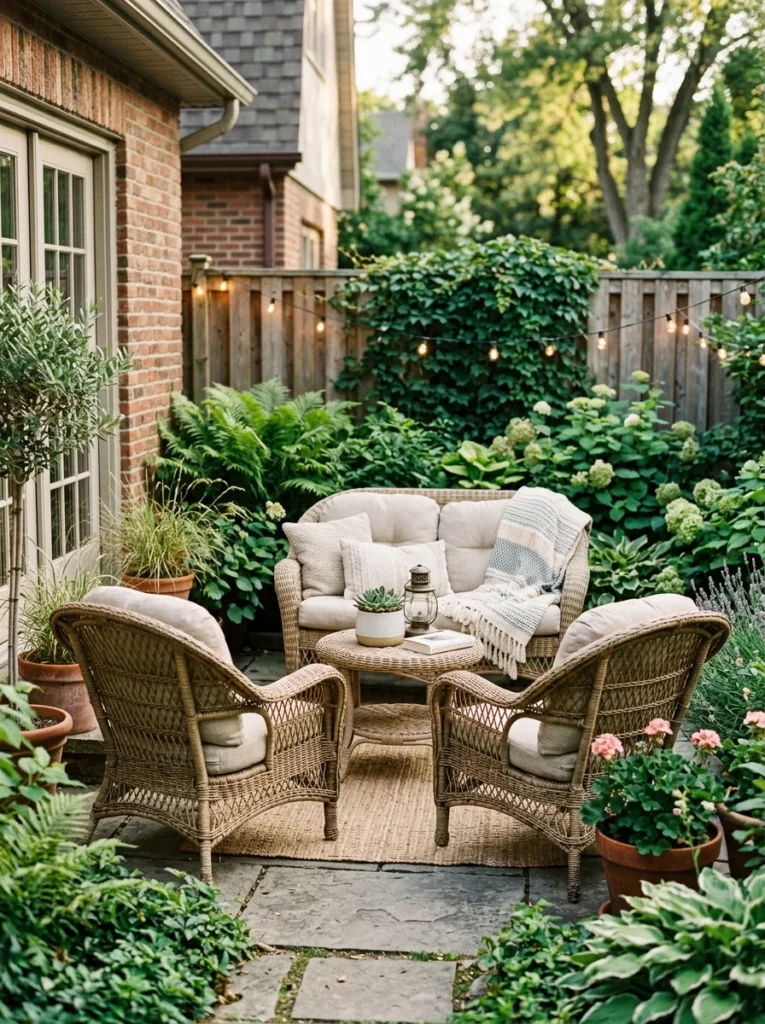
Outdoor cushions, a couple of weatherproof throw pillows, and a soft outdoor rug do more to make a space feel cozy than any single expensive furniture piece. These textiles are relatively inexpensive, easy to swap out seasonally, and immediately soften the look of even basic furniture, making a budget seating set feel considerably more put-together. Choosing a cohesive color palette across these textiles, rather than a mismatched assortment, ties the whole space together visually for very little additional cost.
Layer in lighting for evening use
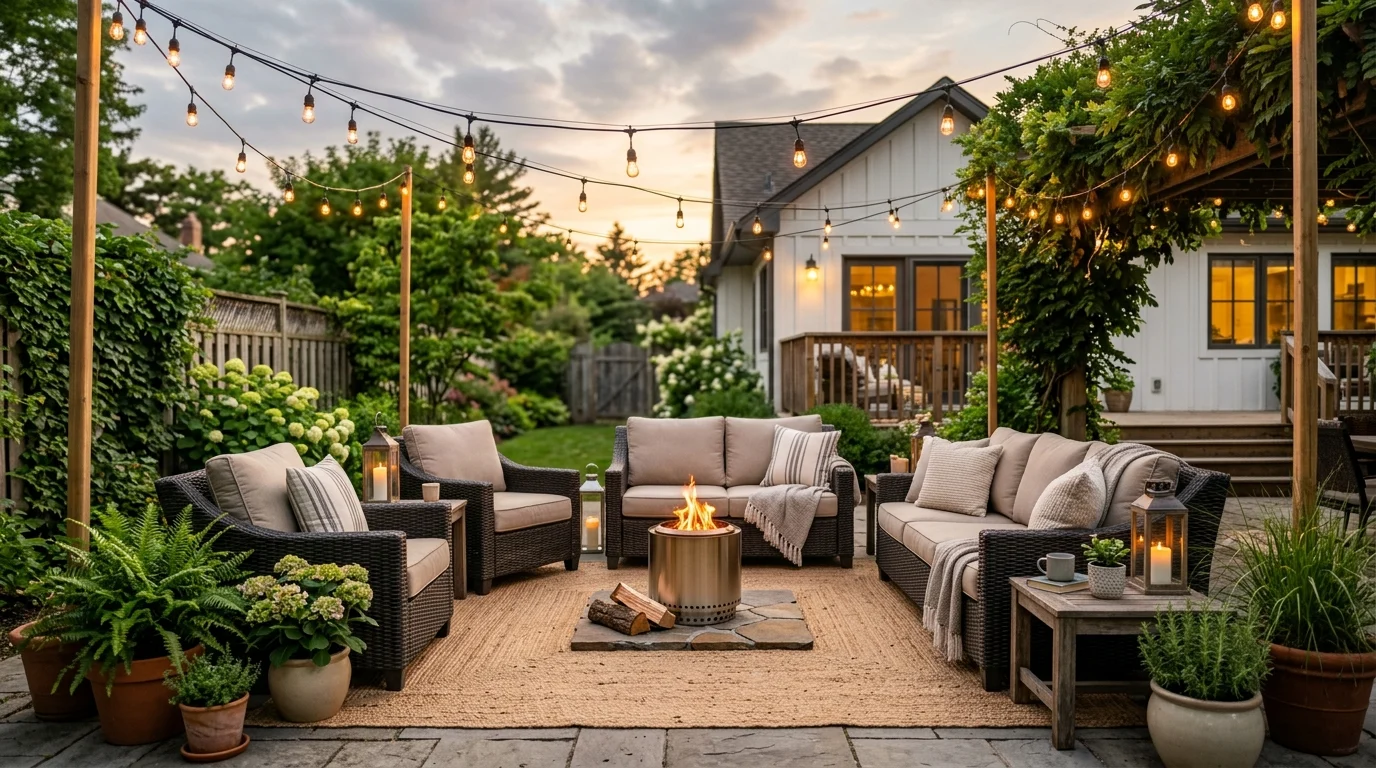
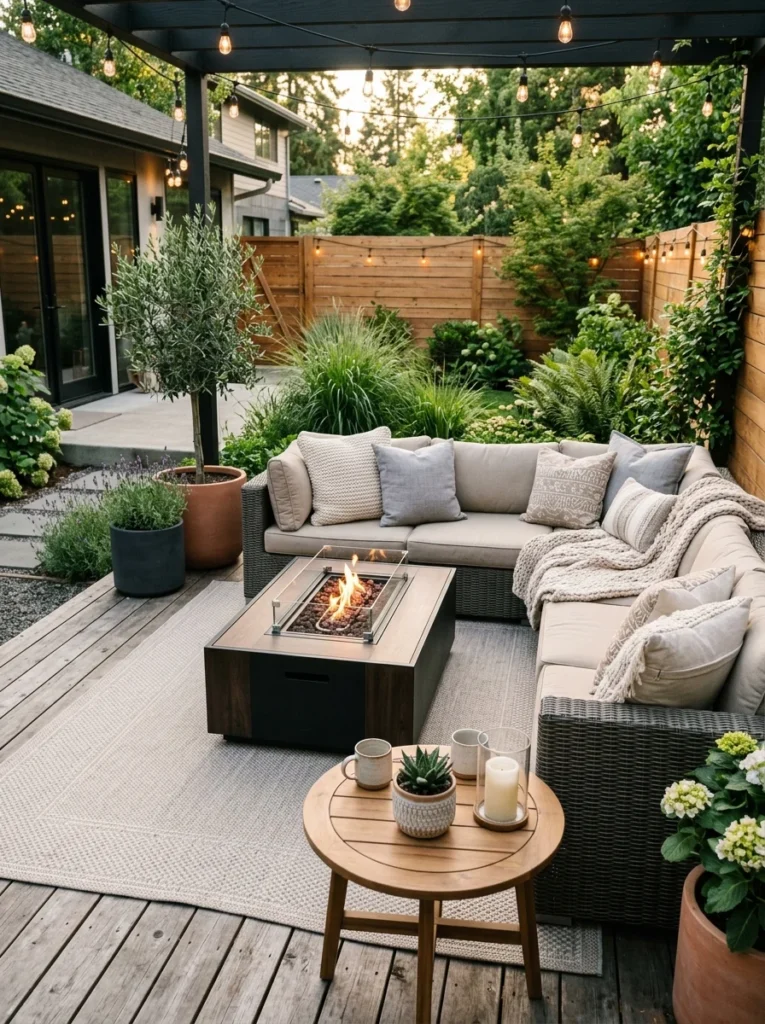
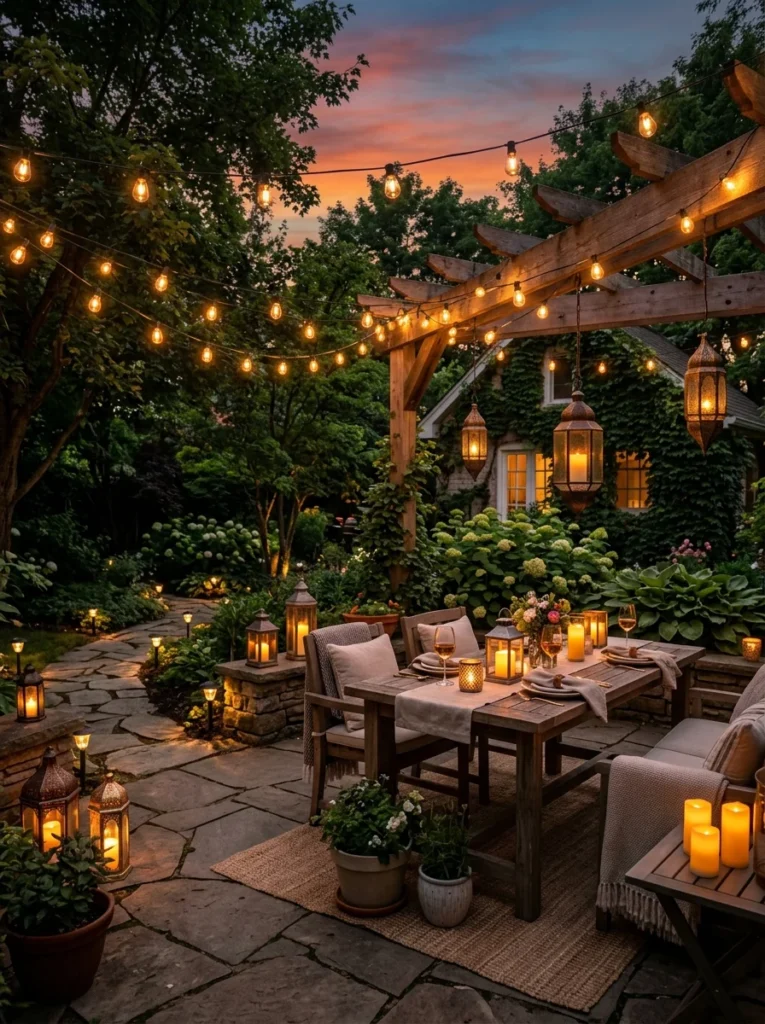
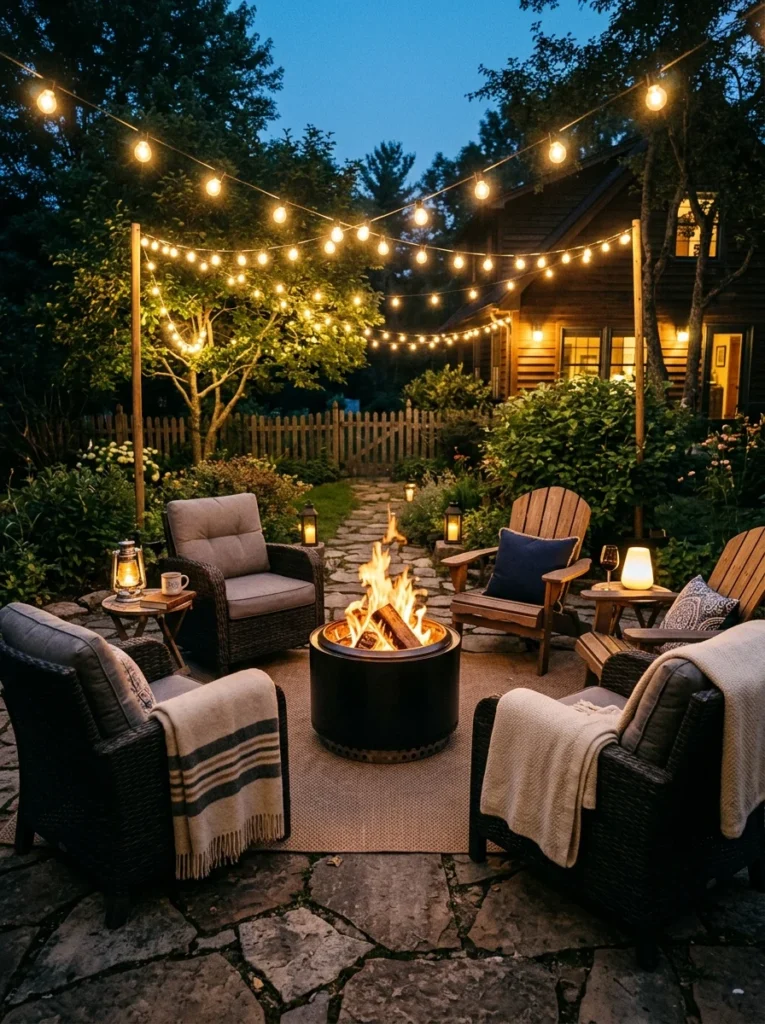
A backyard that looks fine during the day but goes completely dark at night loses a huge amount of its usable time. String lights are one of the cheapest, highest-impact additions available, and a single strand hung along a fence line, pergola, or between two posts instantly makes an outdoor space feel warmer and more inviting after sunset. Solar path lights along a walkway or garden bed add functional lighting without any wiring or electrician involved, and a few flameless candles or lanterns on a table add a softer, more intimate layer of light for evening dinners.
Add shade without a full structure
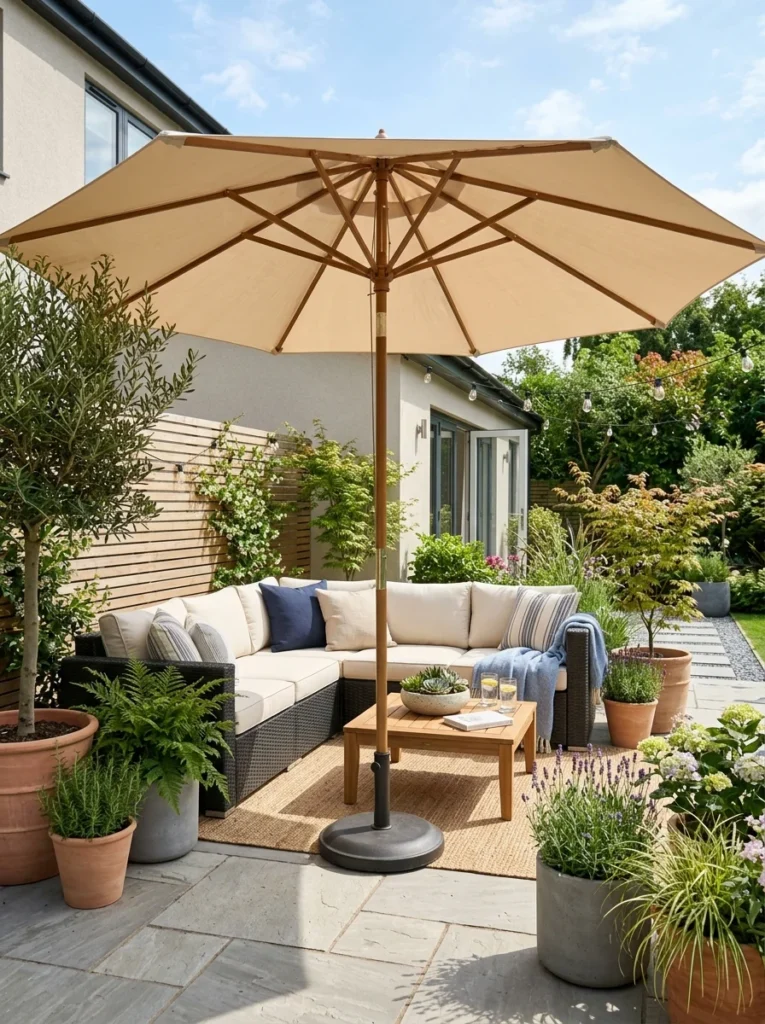
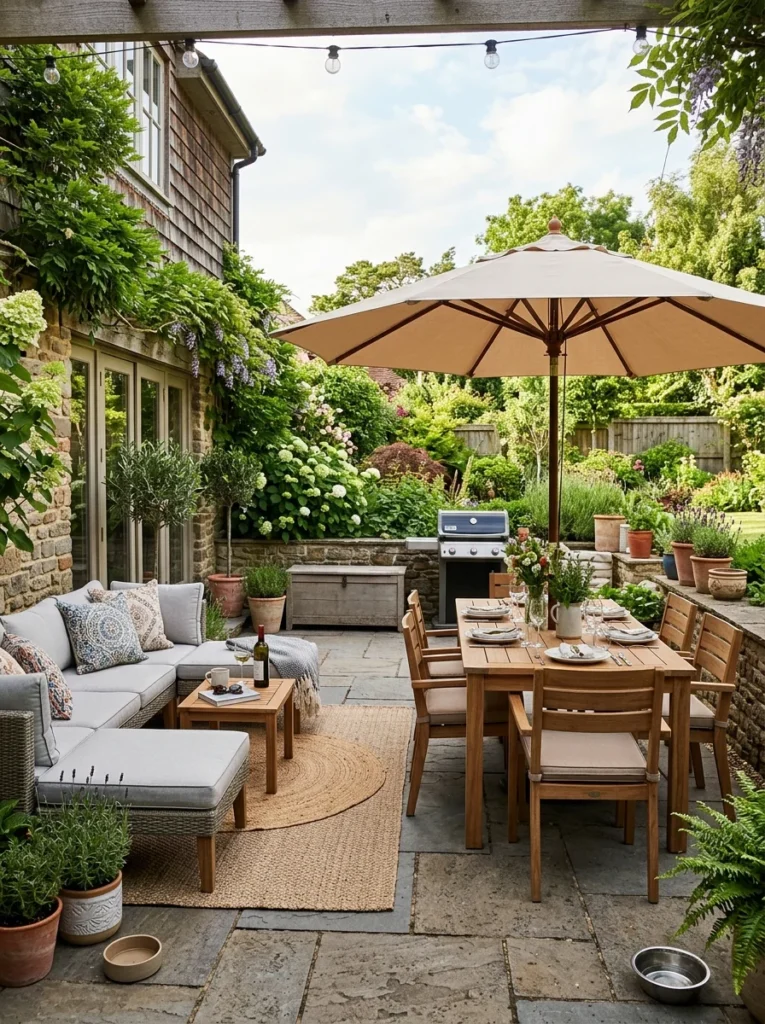
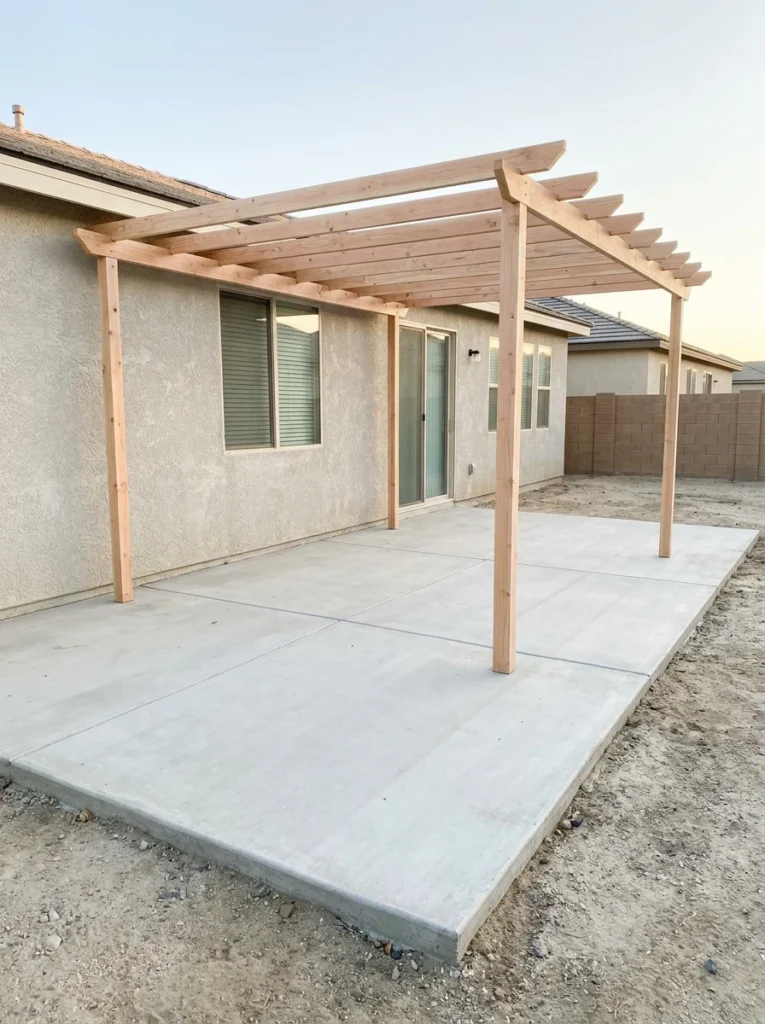
A built-in pergola or awning can transform a space, but it’s also one of the pricier upgrades on this list. Before committing to that expense, a large market umbrella, a simple shade sail anchored between two points, or even strategically placed potted trees can provide meaningful relief from direct sun for a fraction of the cost. If you do eventually want a permanent structure, starting with a temporary shade solution lets you test how the space actually gets used before investing in something fixed.
Use plants strategically, not everywhere at once
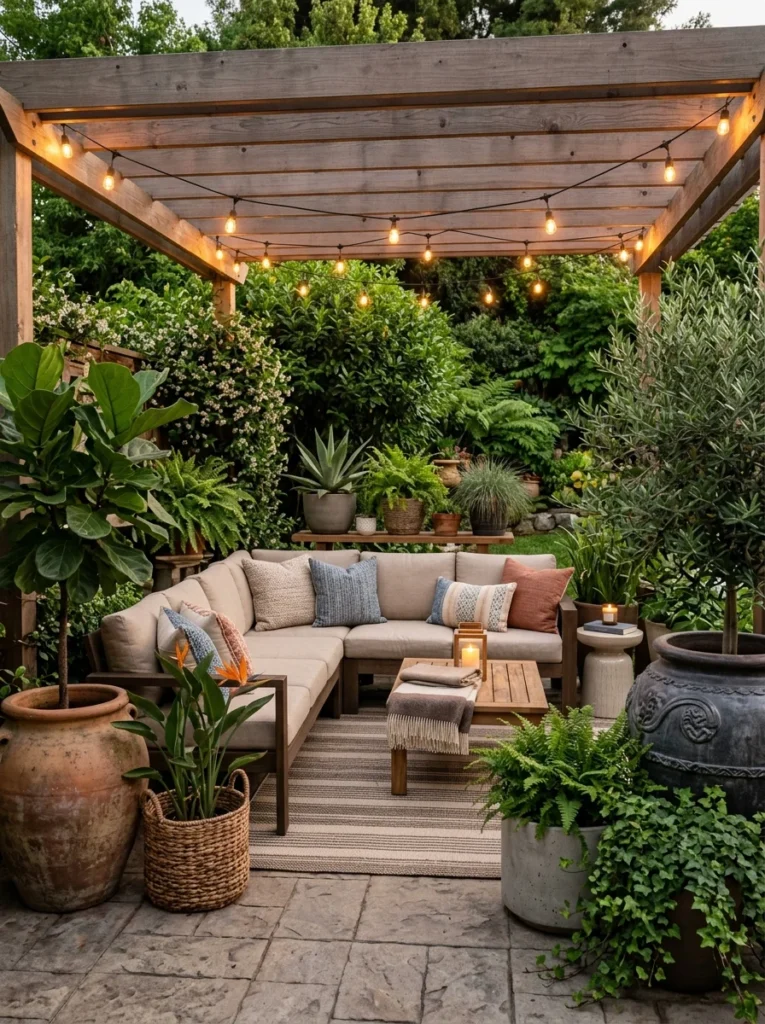
Greenery makes an outdoor space feel considerably more finished, but filling an entire yard with plants at once can get expensive fast, especially with larger or more mature specimens. Starting with a few well-placed, larger potted plants near the seating area creates an immediate sense of enclosure and coziness, while filling in the rest of the space gradually with smaller, less expensive plants or seeds over subsequent seasons spreads the cost out considerably. Perennials, which return year after year without needing to be replanted, are generally a better long-term value than annuals for the core structure of your outdoor greenery, even though they may cost slightly more upfront.
Repurpose and DIY where it makes sense
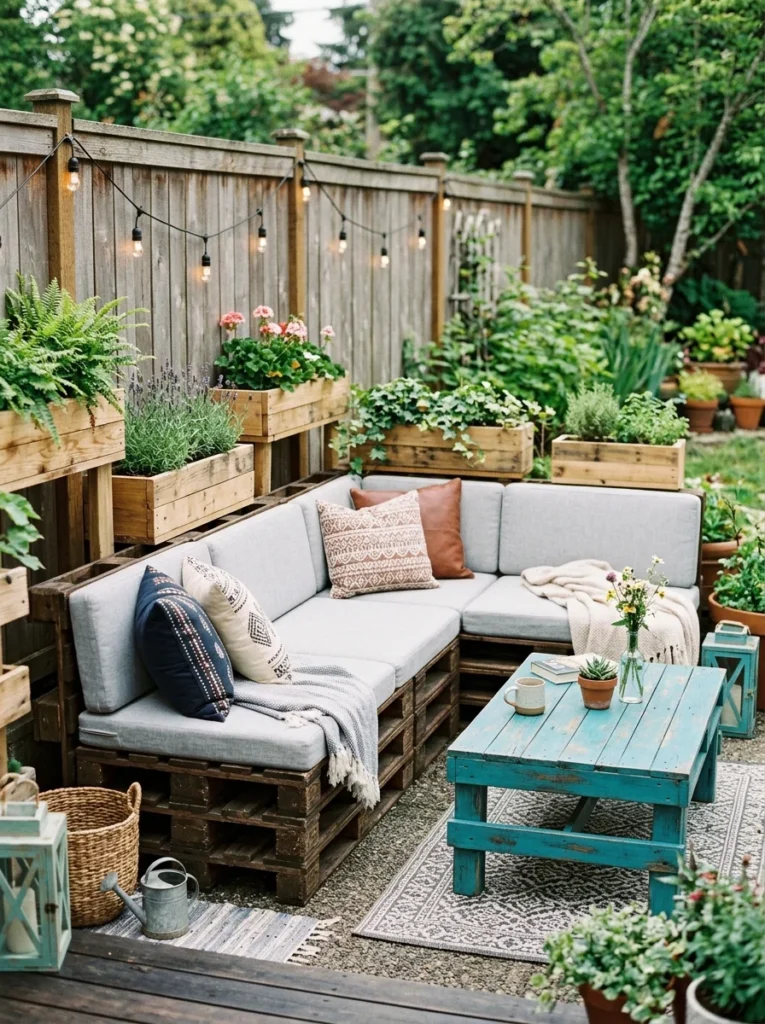
A wooden pallet, sanded and stained, can become a simple side table or even a small seating bench with minimal tools and cost. Painting or restaining an existing but tired-looking piece of furniture, rather than replacing it, is another straightforward weekend project that meaningfully changes the look of the whole space. Building a simple raised planter box from inexpensive lumber is often cheaper than buying decorative planters of a similar size, especially if you need several of them to fill out a space.
Add a focal point that doesn’t require construction
A small, portable fire pit, one that simply sits on a fire-safe surface rather than requiring a built-in installation, adds warmth, ambiance, and a natural gathering point to an outdoor space for a relatively modest cost. A simple outdoor speaker for music, a small tabletop water feature, or even a distinctive piece of outdoor art can serve a similar purpose, giving the space a clear visual anchor without any construction involved.
Prioritize based on how you’ll actually use the space
Before buying anything, think honestly about how you expect to use the space: mostly evening dinners, weekend lounging, entertaining groups, or a quiet reading spot. This should shape your spending priorities directly. A space mainly used for evening meals benefits most from a sturdy table and good lighting first. A space meant for lounging benefits more from comfortable seating and shade. Spending your limited budget on what matches your actual habits, rather than spreading it evenly across every possible feature, gets you to a genuinely useful space faster.
Spread the budget across a season instead of one large purchase
One of the biggest mindset shifts that helped us was treating this as a gradual project rather than a single big purchase to save up for. Buying furniture one weekend, string lights the next, then a few plants the following month, spreads the cost out in a way that’s far easier to manage than committing to one large expense, and it also lets you adjust your plans as the space starts coming together and you learn what you actually want more or less of.
Consider simple DIY hardscaping for a defined footprint
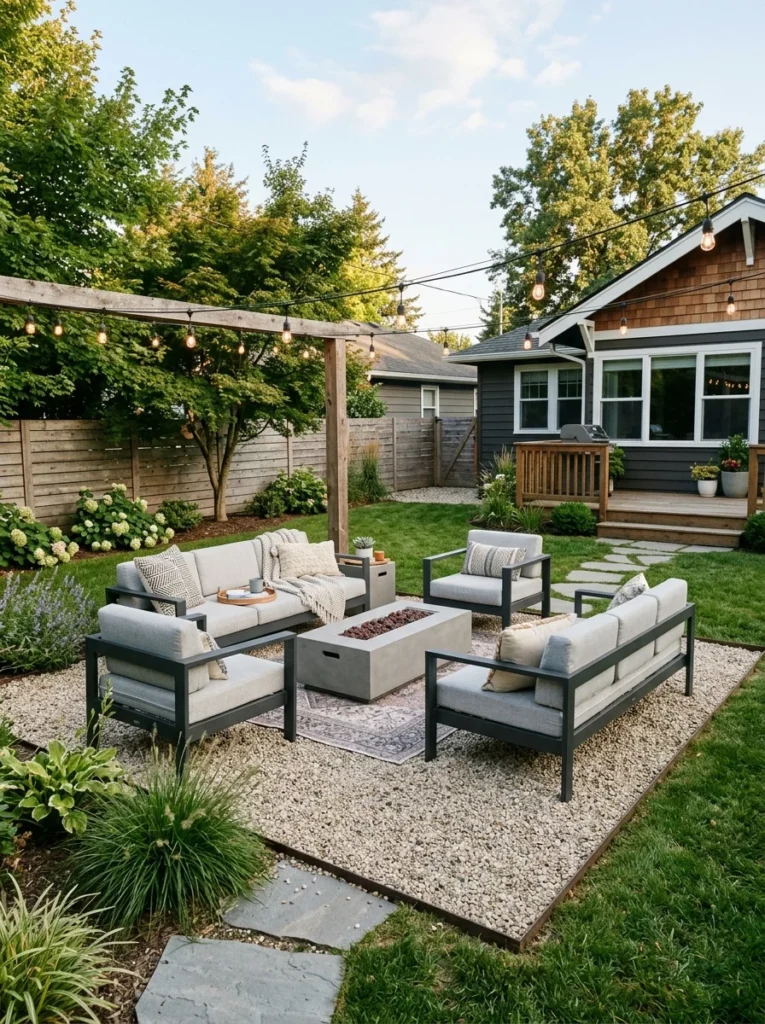
If the ground itself is uneven or unattractive, a simple gravel base or a small area of budget-friendly pavers can be installed as a weekend DIY project without hiring a landscaper, and it gives furniture a stable, defined footprint to sit on rather than uneven grass or dirt. Gravel in particular is one of the more affordable hardscaping options, and it drains well, which helps avoid the muddy patches that can develop under furniture placed directly on grass over a season of regular use. This step isn’t strictly necessary for a cozy space, but it does add a more finished, permanent feel to the area for a relatively modest cost compared to a full paved patio installed by a contractor.
Our first mistake was buying the cheapest possible furniture available, which faded and cracked within a single season, so we ended up replacing it anyway and effectively paying twice. Spending slightly more on furniture genuinely rated for consistent outdoor use, rather than the absolute cheapest option, saved money over time in our case. Our second mistake was buying too many small decorative items all at once before the core seating and shade were sorted, which left us with a cluttered space that still didn’t feel comfortable to actually sit in. Getting the fundamentals right first, seating, shade, lighting, made every decorative addition after that feel like it was building on something solid rather than trying to distract from what was missing.
Common budget outdoor living questions
What’s the cheapest way to make a backyard feel cozy?
String lights, a couple of outdoor cushions, and a defined seating area using an outdoor rug are among the cheapest changes with the biggest visual impact, all achievable for a relatively small combined cost without any construction involved.
Is secondhand outdoor furniture a good idea?
Yes, secondhand outdoor furniture, especially from marketplaces where people are moving or upgrading, can offer significant savings, and swapping out cushion covers or giving a piece a fresh coat of paint or stain can make it look considerably newer than its price suggests.
How much should I budget for a basic outdoor living space?
Costs vary widely based on furniture quality and size of the space, but spreading purchases across a season, buying furniture during off-season sales, and prioritizing lighting and textiles over expensive structures can create a genuinely comfortable space for considerably less than a full landscaping renovation.
Do I need a pergola or shade structure to make the space usable?
Not necessarily. A large market umbrella, a shade sail, or strategically placed plants can provide effective shade for a fraction of the cost of a built structure, and they let you test how the space gets used before committing to something permanent.
Should I install pavers or gravel before buying furniture?
It’s not required, but a simple gravel base or a small paver area gives furniture a stable, level footprint and helps avoid muddy patches forming under it over time. This is a reasonable weekend DIY project if the ground beneath your planned seating area is uneven, though it can also be added later once you know exactly how much space you need.
A budget-friendly outdoor living space comes down to prioritizing comfort, lighting, and a bit of shade first, then layering in greenery, decor, and focal points as time and money allow, rather than waiting for a large enough budget to do everything at once. Buying secondhand or off-season furniture, using textiles to soften the space, and treating the whole project as a gradual, seasonal process rather than one big purchase makes a genuinely inviting outdoor space achievable on almost any budget.
That plain patch of grass with a plastic table is long gone from our backyard now, replaced one weekend at a time with string lights, a secondhand seating set, and pots of greenery that have filled in nicely over a couple of seasons. If you’ve been waiting for a bigger budget before starting on your own outdoor space, start with just the lighting and a rug this weekend, and let the rest follow gradually from there, the same way ours did, one small purchase and one free evening at a time.