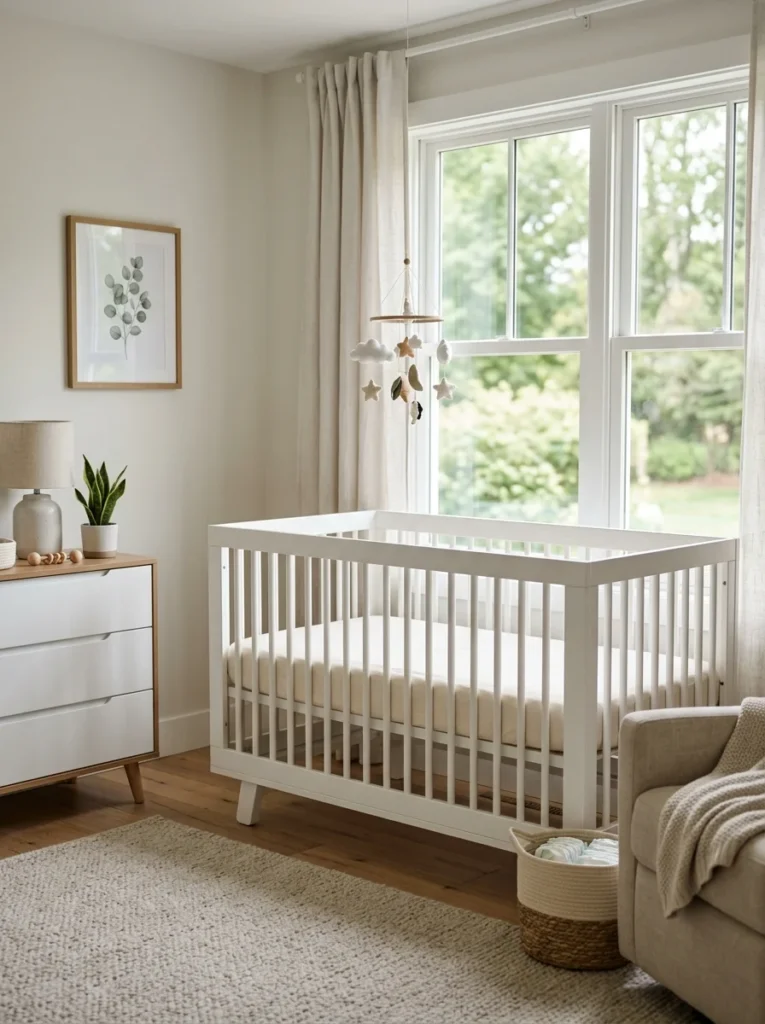
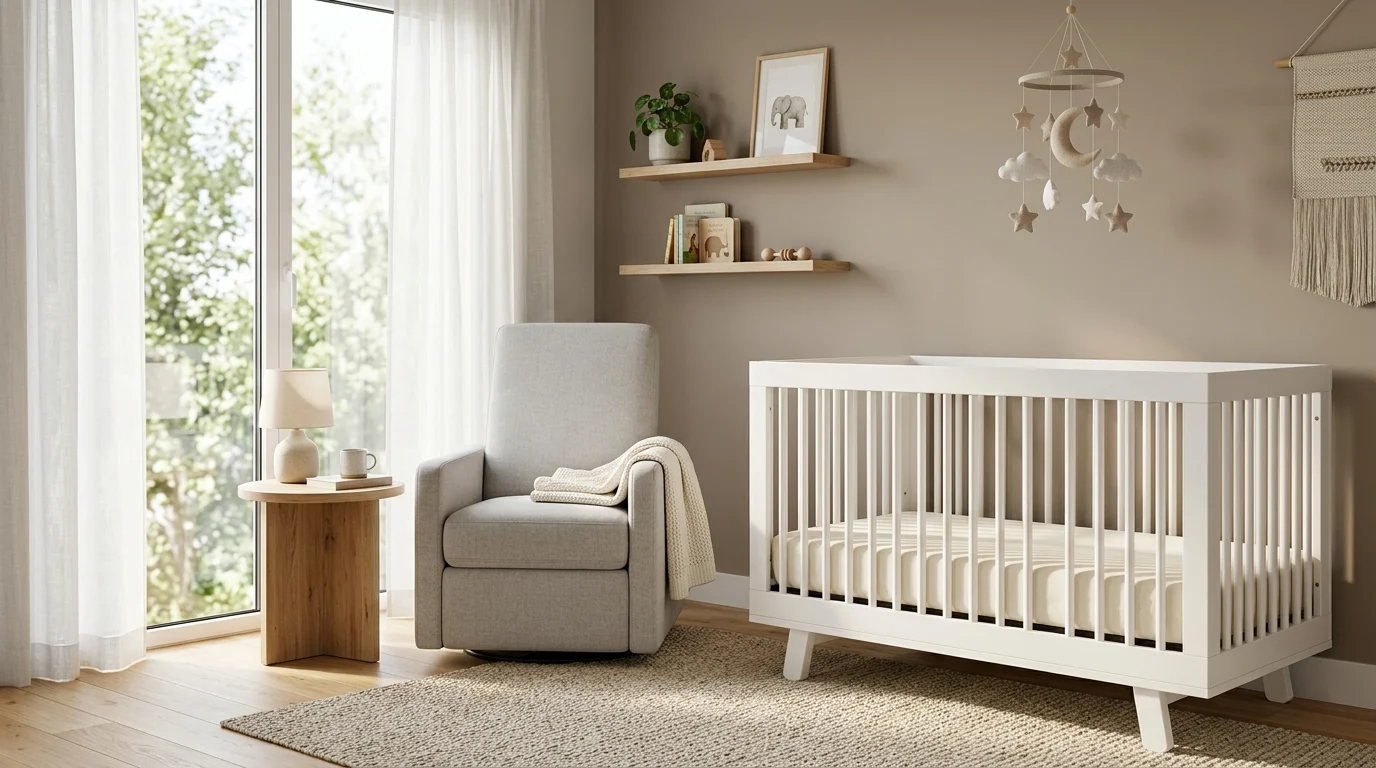
When we started shopping for our first crib, I initially approached it the same way I’d shop for any other piece of furniture, comparing styles and finishes and prices, until a friend who works in pediatric care gently pointed out that a crib is really a safety product first and a piece of furniture second. That reframing changed how I looked at every option after that conversation, pushing style and aesthetic preferences down the list well behind genuine safety verification, current standards, construction quality, honest recall history.
Choosing a crib is one of the more consequential purchases in setting up a nursery, precisely because of how much time an infant spends sleeping in it. Here’s how to actually evaluate that decision with safety as the genuine first priority.
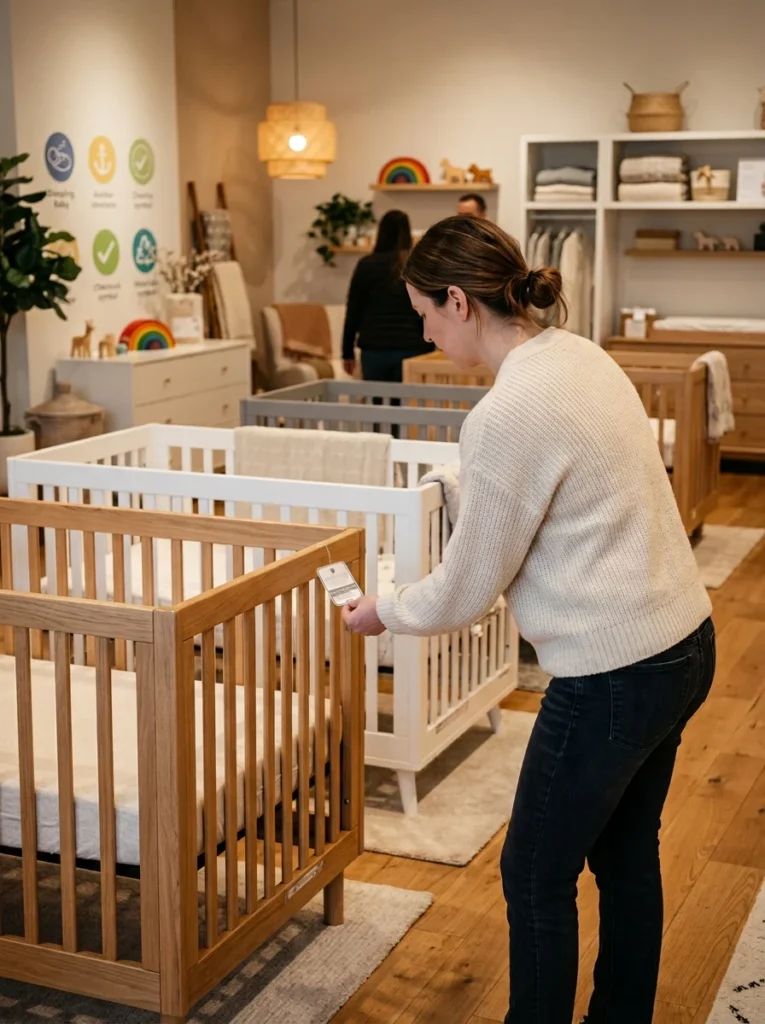
Confirm the crib meets current safety standards
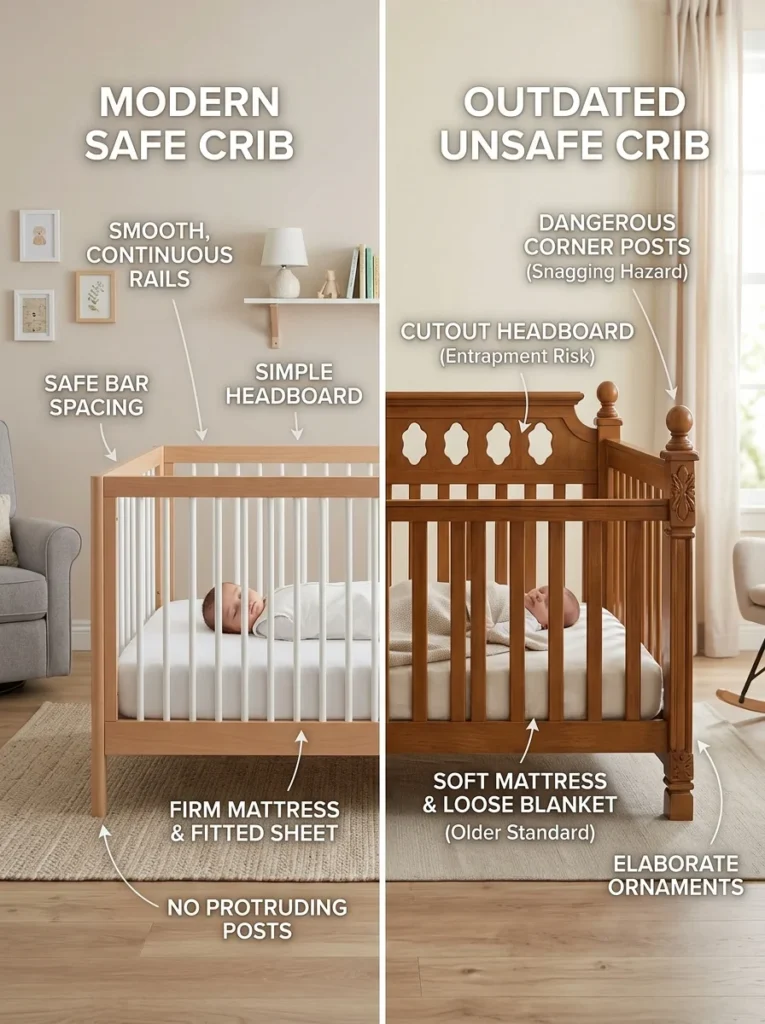
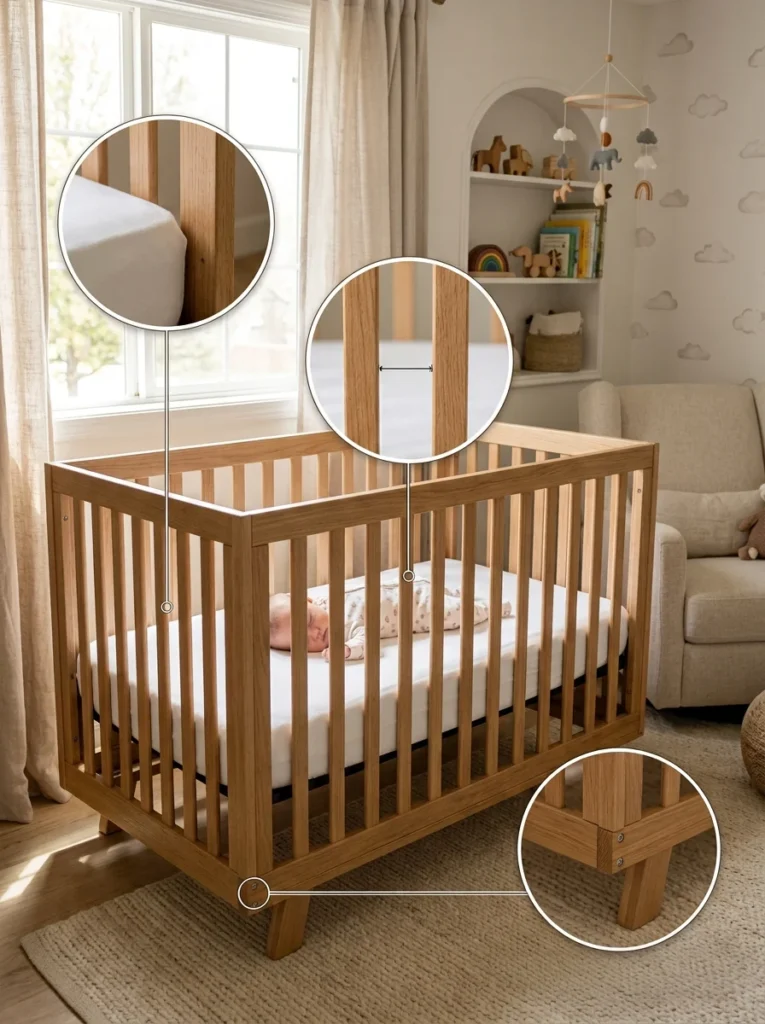
Current crib safety standards generally require slats spaced no more than roughly two and three-eighths inches apart, to prevent a baby’s body from slipping through while their head remains trapped, and prohibit the drop-side mechanism found in older crib designs, which has been linked to serious hazards and phased out of current manufacturing standards entirely. A crib manufactured and sold new today should meet these current standards by default, but this is worth actively confirming rather than assuming, particularly for any crib that isn’t from a well-established, reputable manufacturer.
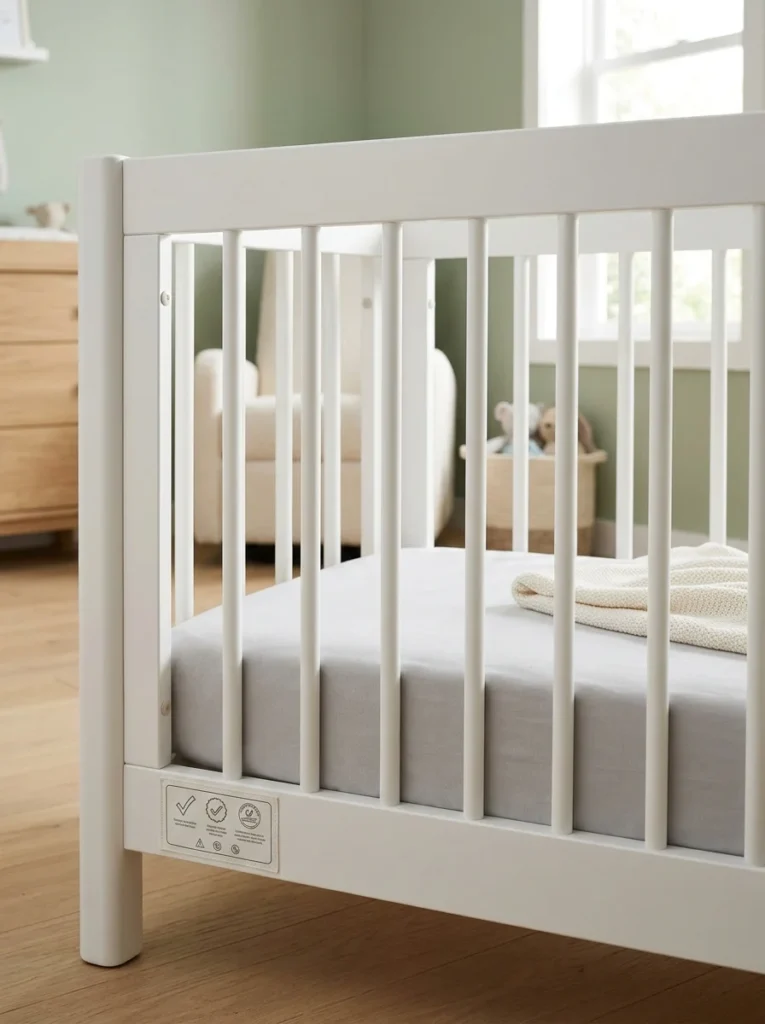
Check the mattress fit carefully
A properly fitting mattress should leave no more than the width of two fingers of gap between the mattress edge and the crib frame on any side, since a larger gap creates an entrapment hazard. This means the mattress and crib frame need to be matched carefully, either by purchasing a mattress specifically designed for your exact crib model or by carefully measuring and confirming compatibility if buying the mattress separately from a different source.
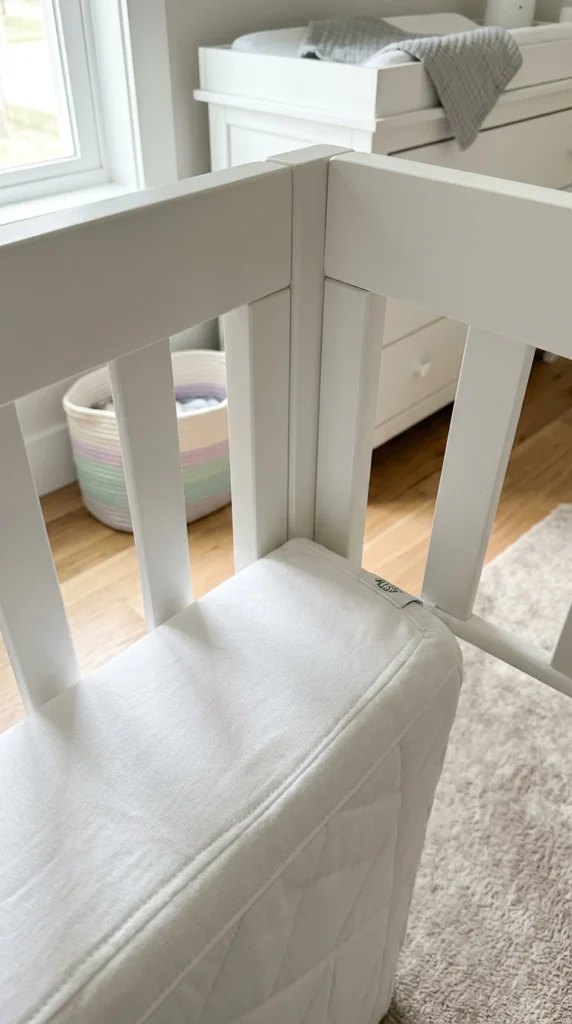
Verify the crib’s construction is sturdy and free of hardware issues
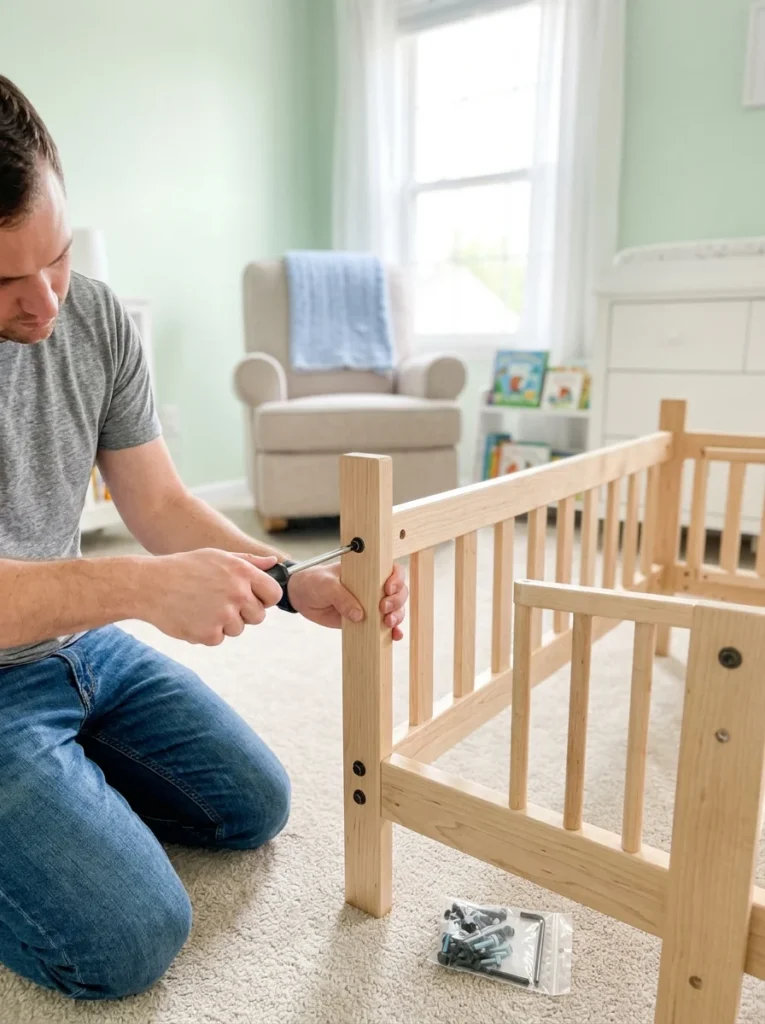
Before purchase or assembly, check that all hardware, screws, bolts, connecting pieces, are present, undamaged, and designed to be genuinely secure rather than loose or easily removable by a curious child as they grow. A sturdy crib shouldn’t wobble or shift when gently pushed from different angles once fully assembled, and any missing or damaged hardware should be replaced with manufacturer-approved parts rather than makeshift substitutes.
Check for any recall history before purchasing or using a crib
Checking the specific manufacturer and model against official recall databases is an essential step for any crib, but it’s especially critical for secondhand or older cribs, since recalls sometimes occur years after a crib was originally manufactured and sold. This step takes only a few minutes but addresses one of the more serious risks involved in crib selection, particularly for a crib obtained secondhand without the original packaging or documentation that might otherwise flag a known issue.

Avoid decorative cutouts, corner posts, and other older design features
Older crib designs sometimes included decorative corner posts or cutout designs in the headboard and footboard that have since been identified as entanglement or clothing-snag hazards and are no longer included in cribs meeting current safety standards. A crib with smooth, simple lines throughout, free of these older decorative elements, aligns better with what current safety guidance recommends, which is worth keeping in mind particularly when considering an older secondhand crib that might predate these updated design standards.
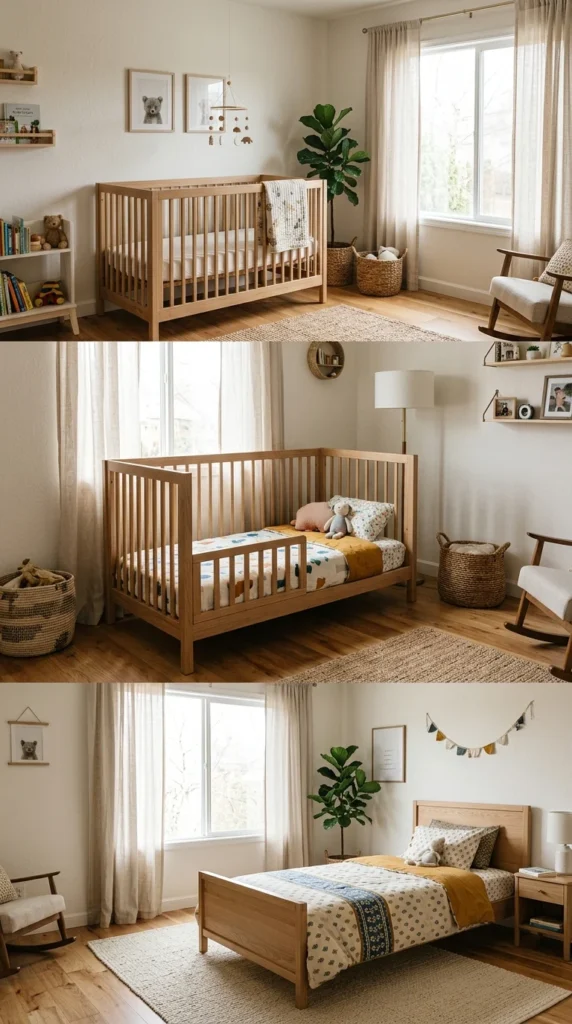
Consider a convertible crib for long-term value, while still prioritizing base safety
Many cribs today convert into a toddler bed and sometimes eventually a full-sized bed frame, extending the furniture’s useful life considerably beyond the crib stage alone. This convertibility is a genuinely useful feature to consider for long-term value, but it should be a secondary consideration weighed only among crib options that have already been confirmed to meet current safety standards, rather than a primary factor that overrides safety verification.
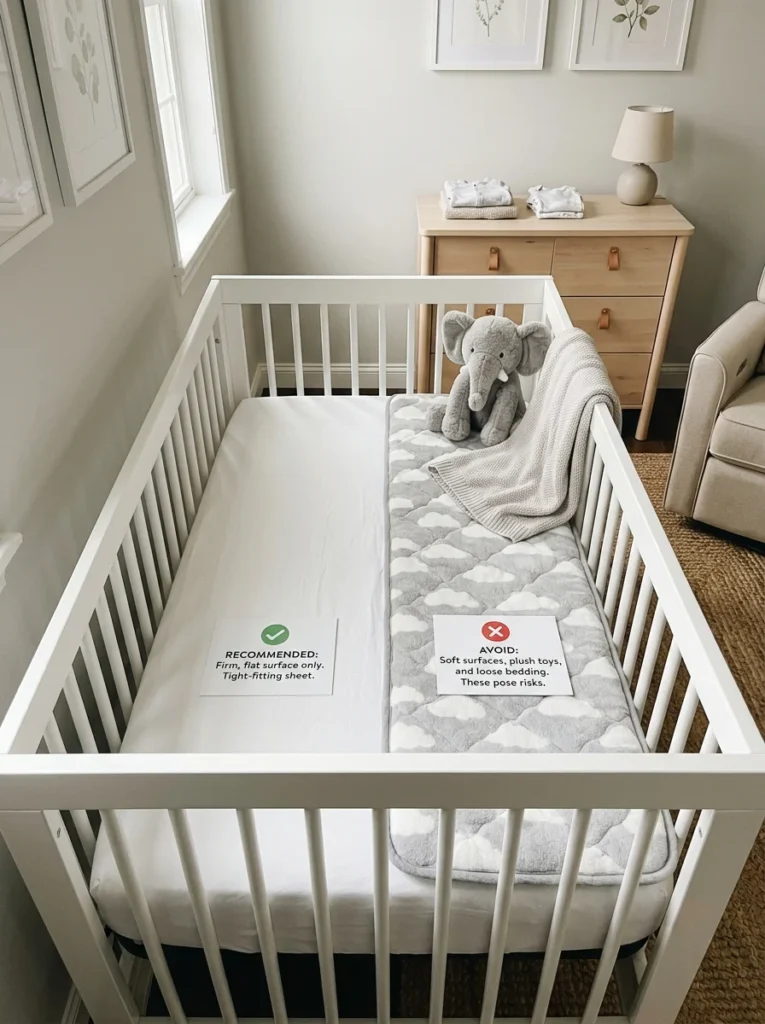
Choose a mattress that’s firm, not soft or plush
A firm mattress, rather than a soft, plush, or memory-foam style surface, is the generally recommended choice for infant sleep safety, since a softer surface has been associated with increased risk in infant sleep safety research. When selecting a mattress, whether purchased with the crib or separately, firmness should take priority over cushioning or plushness, even though a firmer surface might initially seem less immediately comfortable by adult standards.
Understand the difference between a standard crib and a mini crib
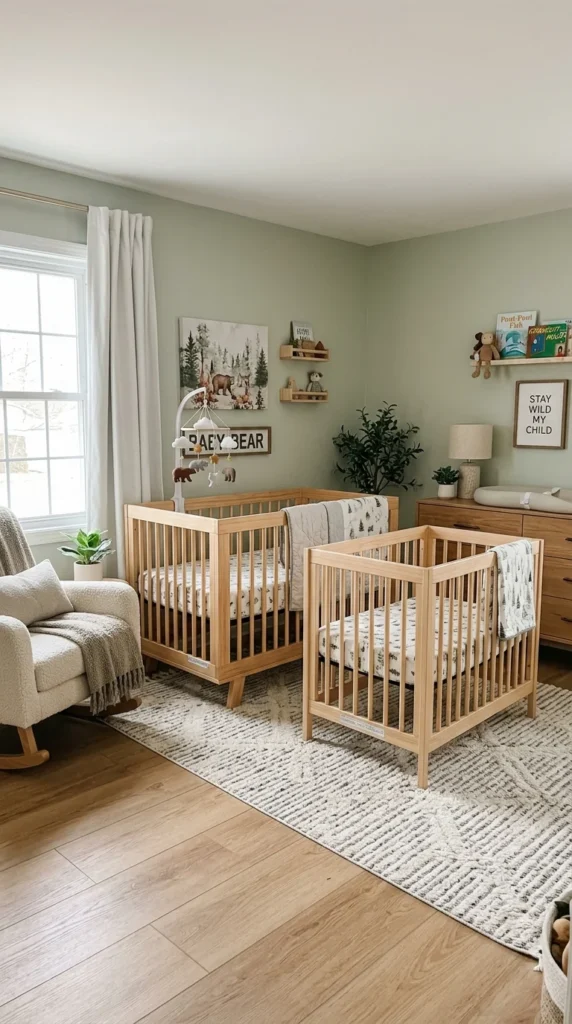
A mini crib offers a smaller footprint suited to compact spaces, while a standard full-sized crib offers more room for a growing infant and toddler and generally accommodates a wider range of compatible mattress and bedding sizes. Both can meet current safety standards equally well; the choice between them is primarily about your specific space constraints and how long you intend to use the crib before transitioning to a different sleep arrangement, rather than one option being inherently safer than the other.
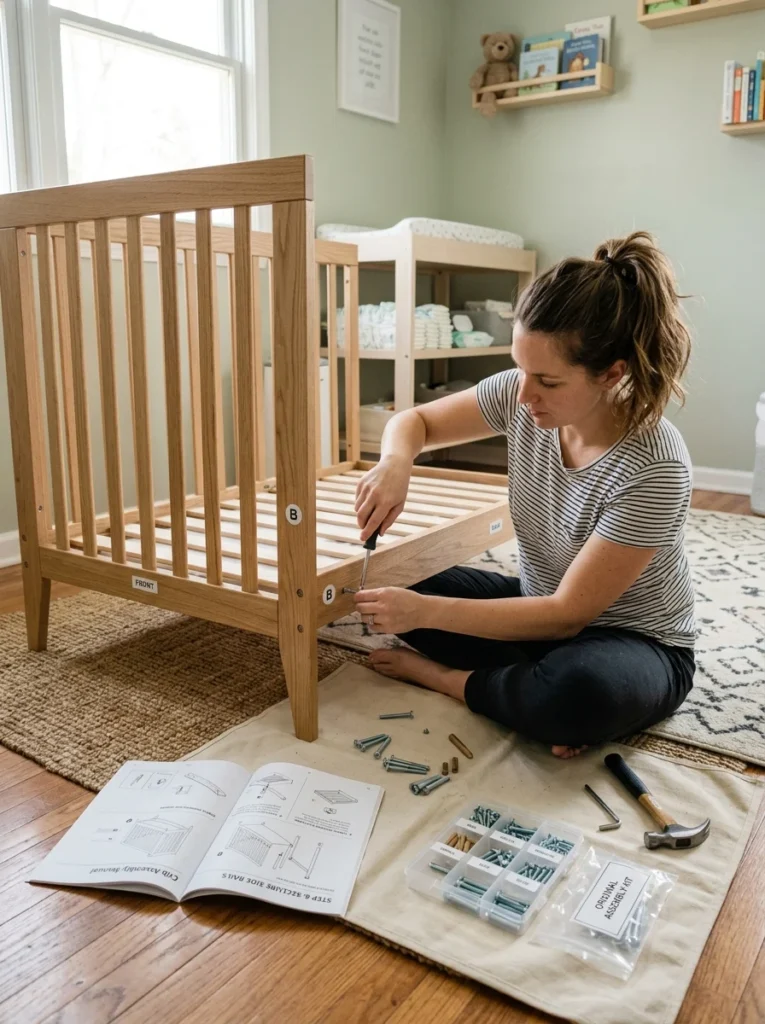
Assemble the crib exactly according to manufacturer instructions
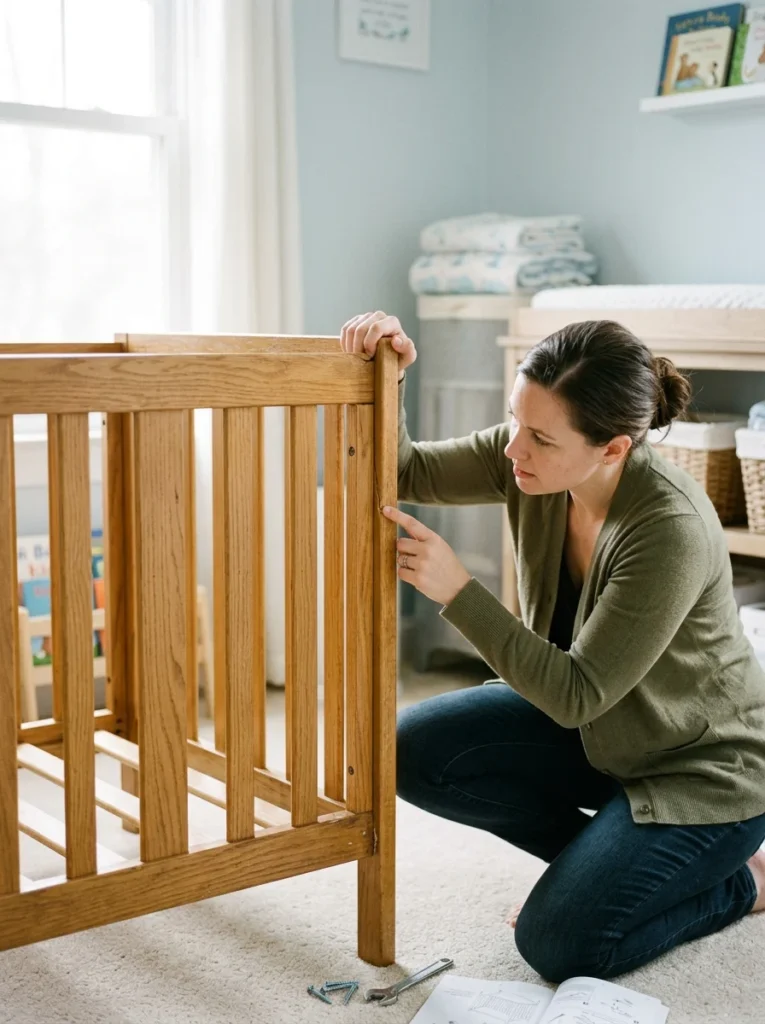
Skipping steps, substituting hardware, or assembling a crib based on general assumptions rather than following the specific manufacturer’s instructions precisely can compromise the crib’s structural integrity even if the crib itself is a genuinely safe, well-designed model. Keeping the instruction manual accessible for future reference, in case any part needs reassembly or a specific hardware question comes up later, is a simple step worth taking at the time of initial assembly.
Reassess crib safety as your child grows and becomes more mobile
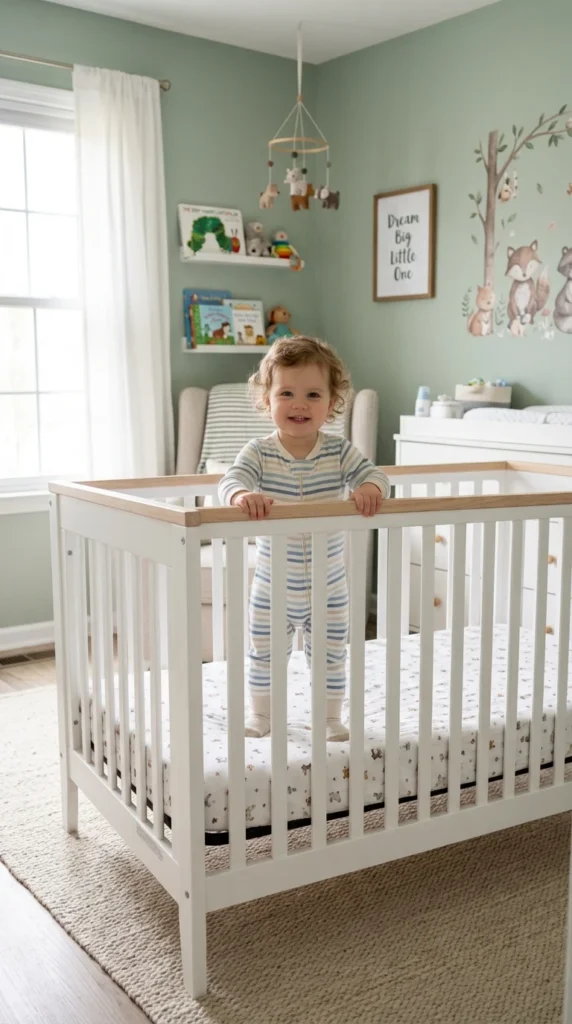
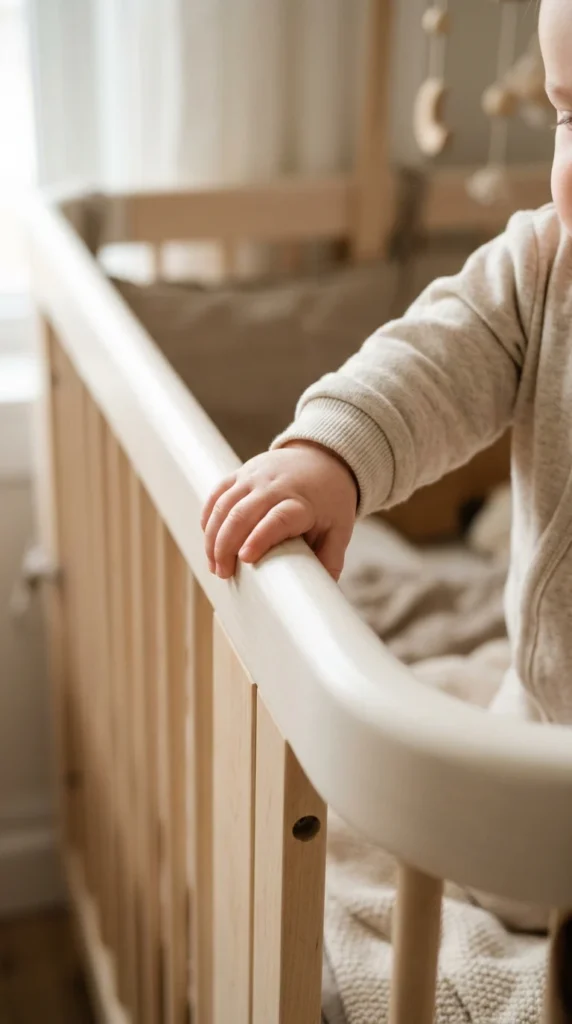
As a baby grows and begins pulling up to stand, lower the mattress height according to the manufacturer’s guidelines to maintain a safe crib rail height relative to the child’s increasing mobility and reach. Continuing to check the crib periodically for loose hardware, wear, or any developing instability as your child becomes more active within it is an ongoing safety task rather than a concern limited only to the initial newborn stage.
Be especially cautious with secondhand or inherited cribs
Beyond checking for recalls, a secondhand or inherited crib should be inspected thoroughly for any structural damage, missing parts, or signs of wear that could compromise safety, and ideally should come with its original manufacturer documentation confirming the model and manufacture date. If a secondhand crib’s safety and history genuinely can’t be confirmed with confidence, purchasing a new crib from a reputable manufacturer, while a larger upfront cost, removes this uncertainty entirely.
Consider the finish and materials used on the crib itself
Look for a crib finished with non-toxic paint or a low-VOC sealant, since a baby will spend considerable time in close proximity to the crib’s surfaces, including occasional teething on the rails as they grow older. Reputable manufacturers typically list this information clearly, and it’s worth confirming specifically rather than assuming any crib automatically meets this standard, particularly for less established or budget brands where this detail might not be as clearly documented.
Understand when a travel crib or portable playard is an appropriate alternative
A travel crib or portable playard, designed and certified for infant sleep, can serve as a legitimate alternative or supplement to a standard crib for travel, temporary arrangements, or smaller spaces, provided it’s used according to its specific manufacturer guidelines and, like any crib, checked against recall databases and current safety standards. These aren’t necessarily a lesser option safety-wise when a genuinely certified product is chosen and used correctly, but they do have their own specific usage guidelines that differ somewhat from a standard nursery crib, worth reviewing separately rather than assuming identical rules apply.

Research the specific manufacturer’s reputation and track record
Beyond checking any individual model against recall databases, researching a manufacturer’s broader track record, how they’ve historically responded to safety concerns, whether they have a pattern of repeated recalls versus an isolated incident, provides useful context beyond just the specific crib model you’re considering. A manufacturer with a strong, consistent safety record and transparent communication history offers additional peace of mind beyond what a single model’s current clean recall status alone can indicate.

What slat spacing is considered safe for a crib?
Current safety standards generally require slats spaced no more than roughly two and three-eighths inches apart, which prevents a baby’s body from slipping through the gap while their head remains trapped, a serious entrapment hazard associated with wider spacing.
Should I use a soft or firm mattress in a crib?
A firm mattress is the generally recommended choice for infant sleep safety, since softer, plush, or memory-foam surfaces have been associated with increased risk in infant sleep safety research, even though a firmer surface may initially seem less immediately comfortable.
Is it safe to use a secondhand crib?
It can be, provided you check the specific manufacturer and model against official recall databases, inspect it thoroughly for structural damage or missing parts, and ideally confirm its manufacture date and history through original documentation.
How do I know if a crib mattress fits properly?
A properly fitting mattress should leave no more than the width of two fingers of gap between the mattress edge and the crib frame on any side, since a larger gap creates a genuine entrapment hazard for an infant.
Is a travel crib as safe as a standard nursery crib?
A travel crib or portable playard specifically designed and certified for infant sleep can be a legitimate alternative when used according to its manufacturer guidelines, though it has its own specific usage rules that differ somewhat from a standard crib, worth reviewing separately.
Should I check a crib manufacturer’s overall track record, not just one model?
Yes, researching whether a manufacturer has a pattern of repeated recalls versus an isolated incident, along with how transparently they’ve historically communicated about safety concerns, provides useful additional context beyond a single model’s current clean recall status.
Choosing the right crib comes down to prioritizing genuine safety verification, current slat spacing and construction standards, a properly fitting firm mattress, a clean recall history, well ahead of style, finish, or convertibility features. These secondary considerations matter, but only among crib options that have already cleared the fundamental safety bar.
Our own crib search ended up taking considerably longer than I originally expected, precisely because I started checking recall databases and safety specifications for every model we liked rather than just choosing based on appearance, but that extra diligence gave us genuine confidence in the choice we made. If you’re currently shopping for your own crib, resist the urge to decide on style first; confirm the safety fundamentals for every option you’re considering, and let style be the tiebreaker among choices that have already passed that more important test.