
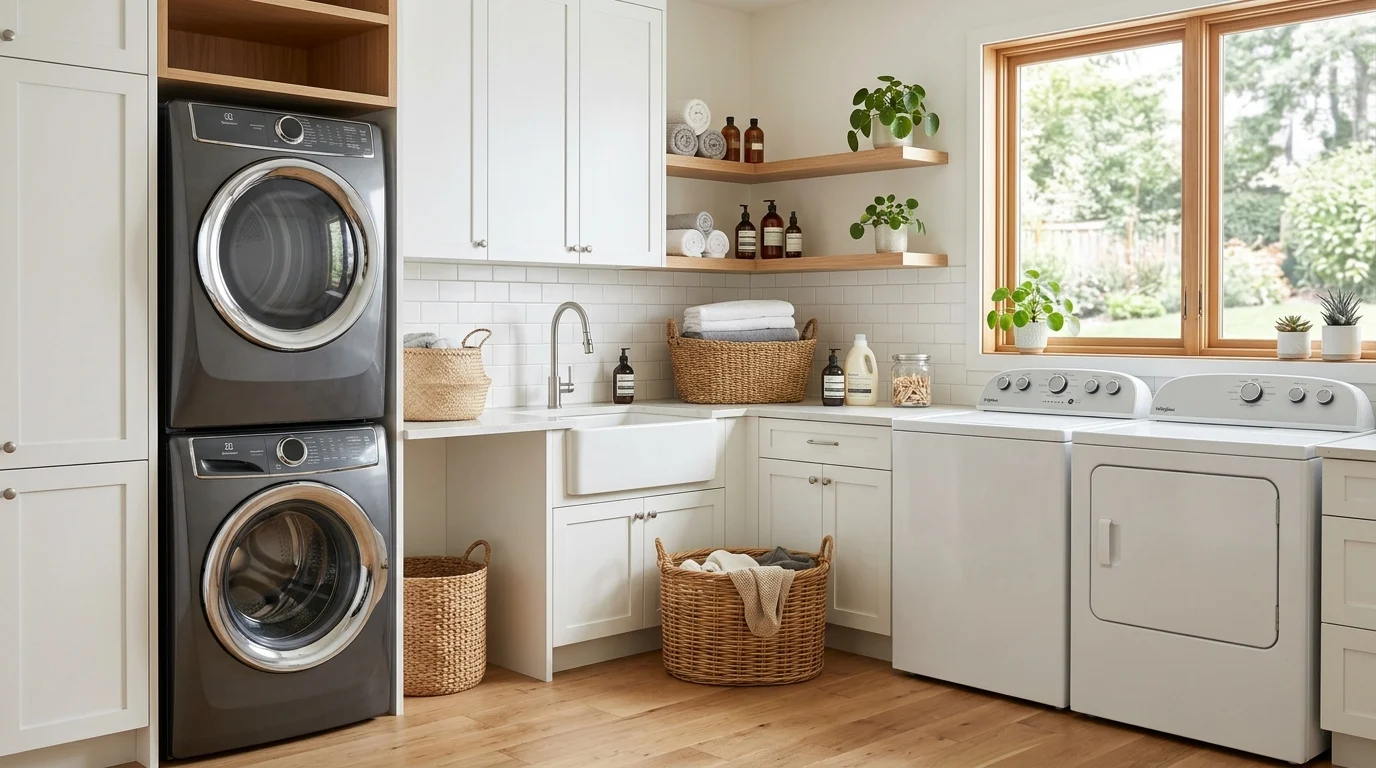
When our old top-load washer finally gave out after more than a decade of use, I assumed replacing it would be a quick, straightforward purchase. Instead, I spent an embarrassing number of evenings reading reviews and comparing specs, since it turned out front-load and top-load washers differ in far more ways than I’d originally assumed, water and energy use, capacity, noise, even how they smell after a few years of regular use. We ended up going with a front-load model, but understanding exactly why that made sense for our specific household, rather than just picking whichever was on sale, made me far more confident in the decision.
If you’re standing at the same decision point, here’s an honest comparison covering where each type genuinely excels and where it falls short, so you can match the choice to your own household’s actual needs rather than general marketing claims.

How each washer type actually works
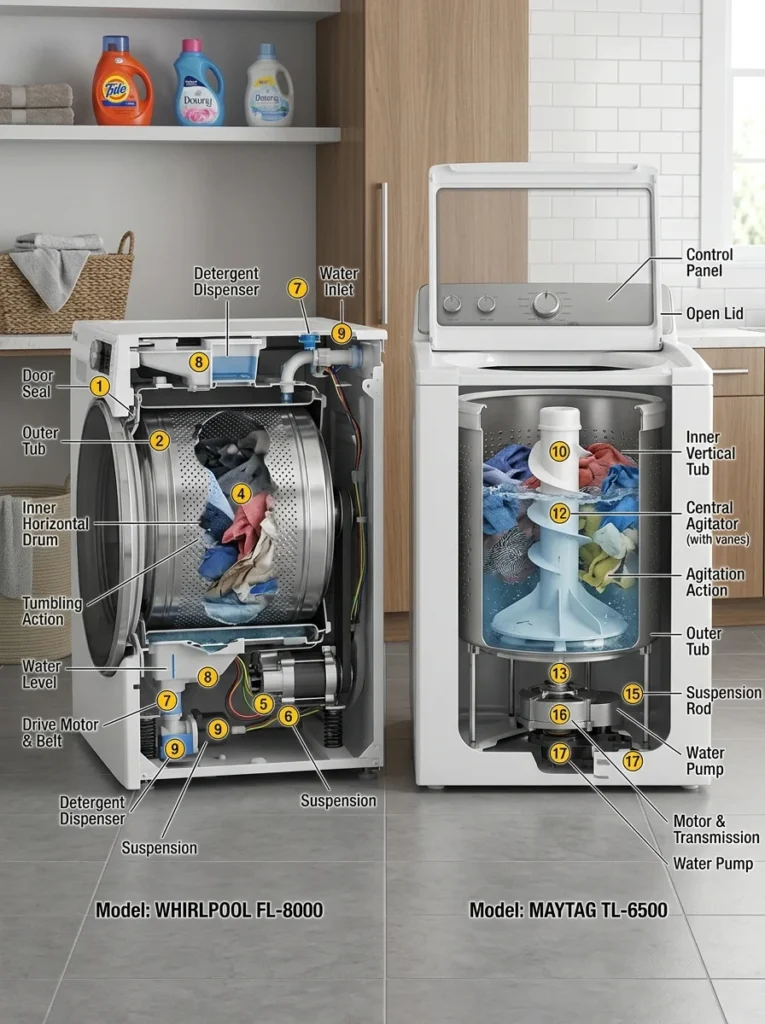
A top-load washer uses a central agitator or, in newer impeller designs, a low-profile disc to move clothes through the water, with the drum oriented vertically and loaded from the top. A front-load washer uses a horizontally oriented drum that tumbles clothes through a smaller amount of water, loaded through a door on the front of the machine, similar in basic mechanism to a commercial laundromat washer.
Water and energy efficiency: front-load generally wins
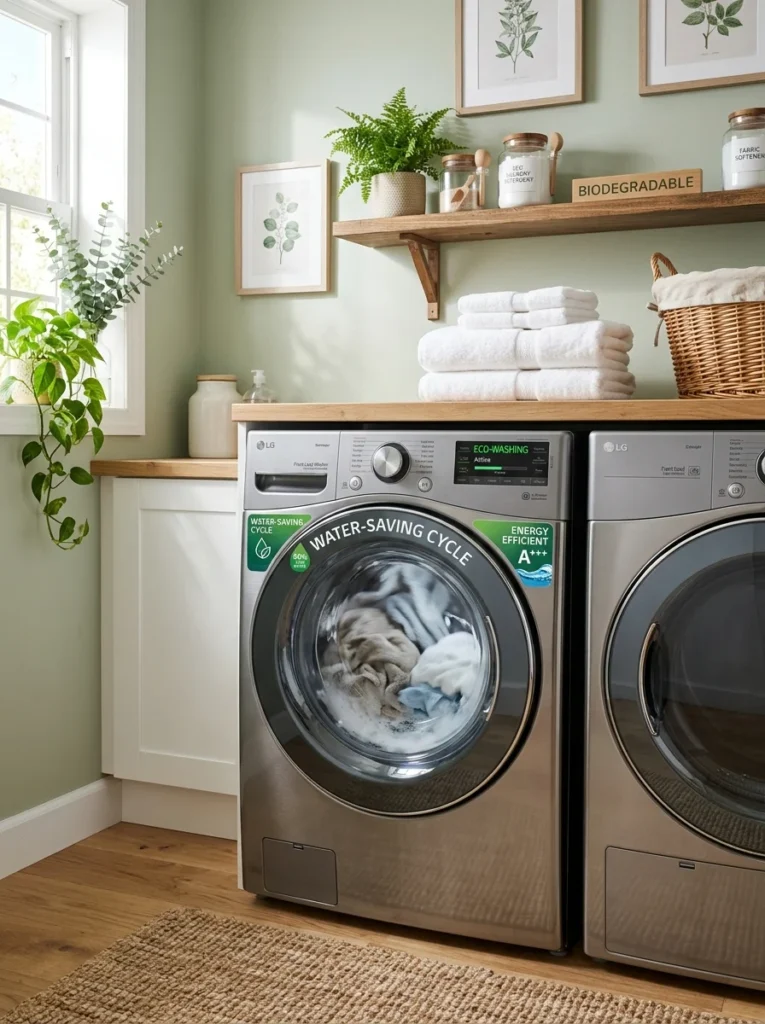
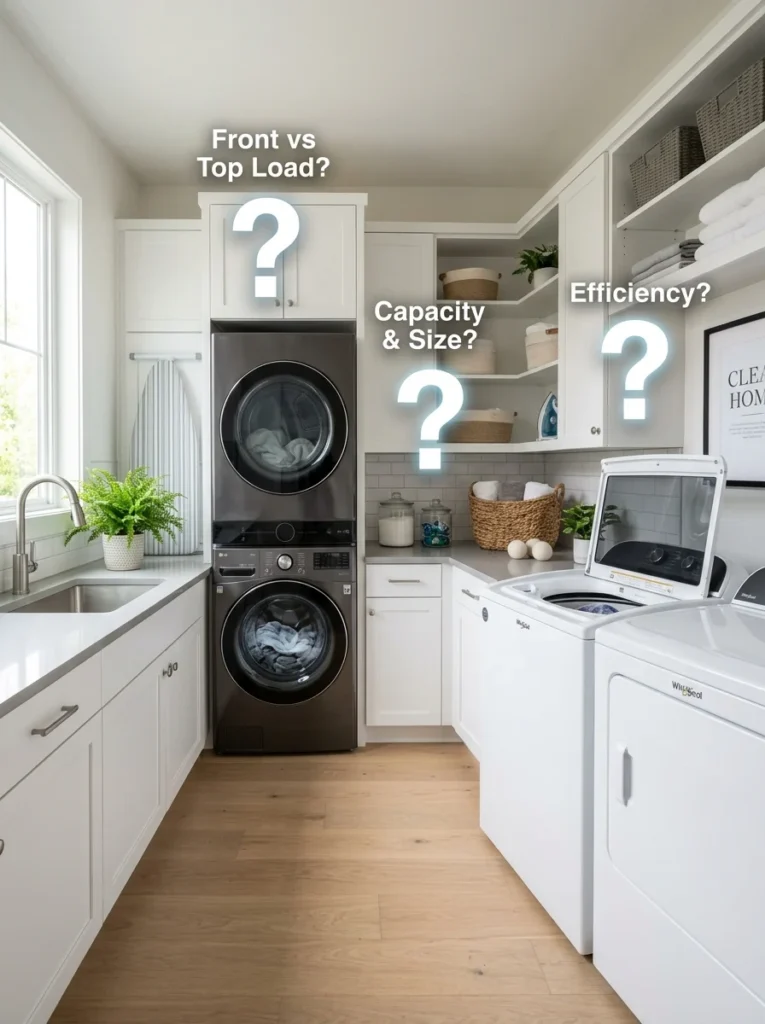
Front-load washers typically use significantly less water per cycle than traditional agitator-style top-load washers, since the tumbling mechanism doesn’t require fully submerging clothes the way an agitator design does. This lower water use also translates into less energy needed to heat that water, and combined with faster spin speeds that extract more moisture before drying, front-load washers generally result in both lower utility costs and shorter dryer times. Modern impeller-style top-load washers have narrowed this efficiency gap considerably compared to older agitator designs, though front-load models still generally lead in this category overall.
Capacity and load size considerations
Front-load washers generally offer larger drum capacity within a similar overall footprint, since they don’t need to accommodate a central agitator taking up space in the middle of the drum. This makes front-load models particularly well suited to households regularly washing bulky items like comforters or large loads of towels. Top-load washers, especially impeller models without a bulky agitator, have improved in this regard, but front-load washers still generally hold a capacity advantage for a given machine size.

Ease of loading and ergonomics
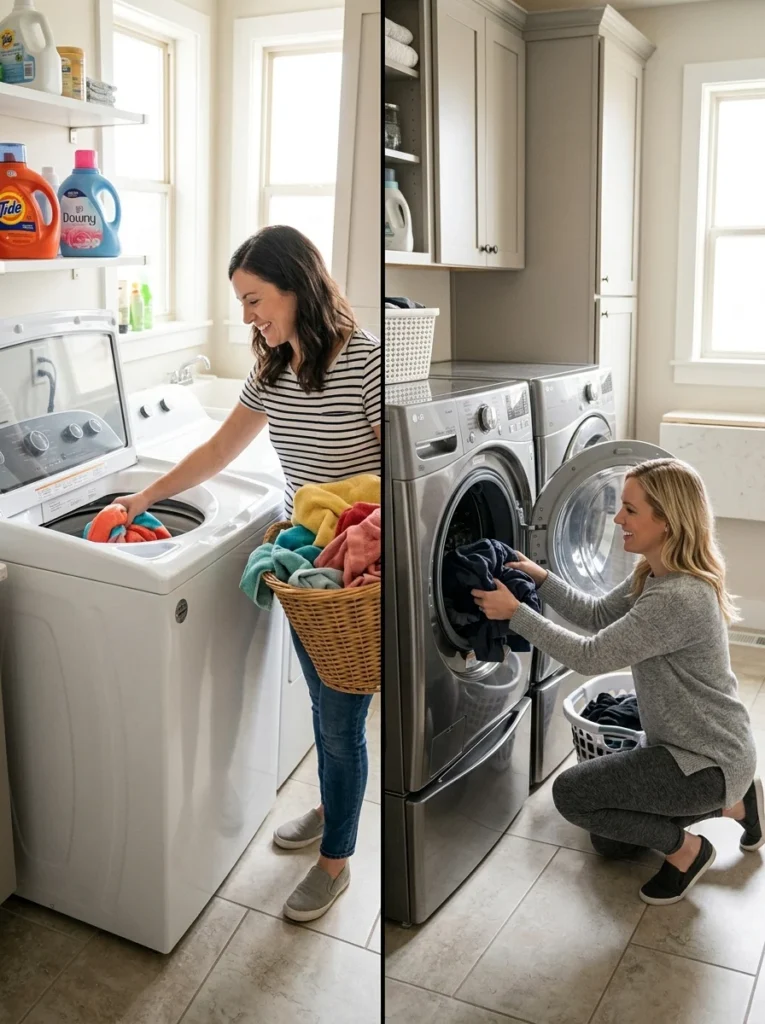
This is one of the more personal, household-specific considerations. Top-load washers don’t require bending down to load and unload, which some people find considerably easier on the back and knees, particularly older adults or anyone with mobility considerations. Front-load washers require bending to reach the drum, though this can be mitigated by installing the machine on a pedestal, which raises it to a more comfortable height at additional cost. If ergonomics and ease of loading are a significant priority in your household, this is worth weighing seriously against the efficiency advantages of a front-load model.
Noise and vibration differences
Front-load washers, particularly during their high-speed spin cycles, tend to produce more noticeable vibration and can be louder than top-load models, especially if the machine isn’t perfectly leveled or if it’s installed on an upper floor without adequate support. Top-load washers generally run quieter and produce less vibration, which can matter meaningfully if your laundry room is located near a bedroom, home office, or other space where noise during a wash cycle would be disruptive.
Mold and odor considerations specific to front-load models
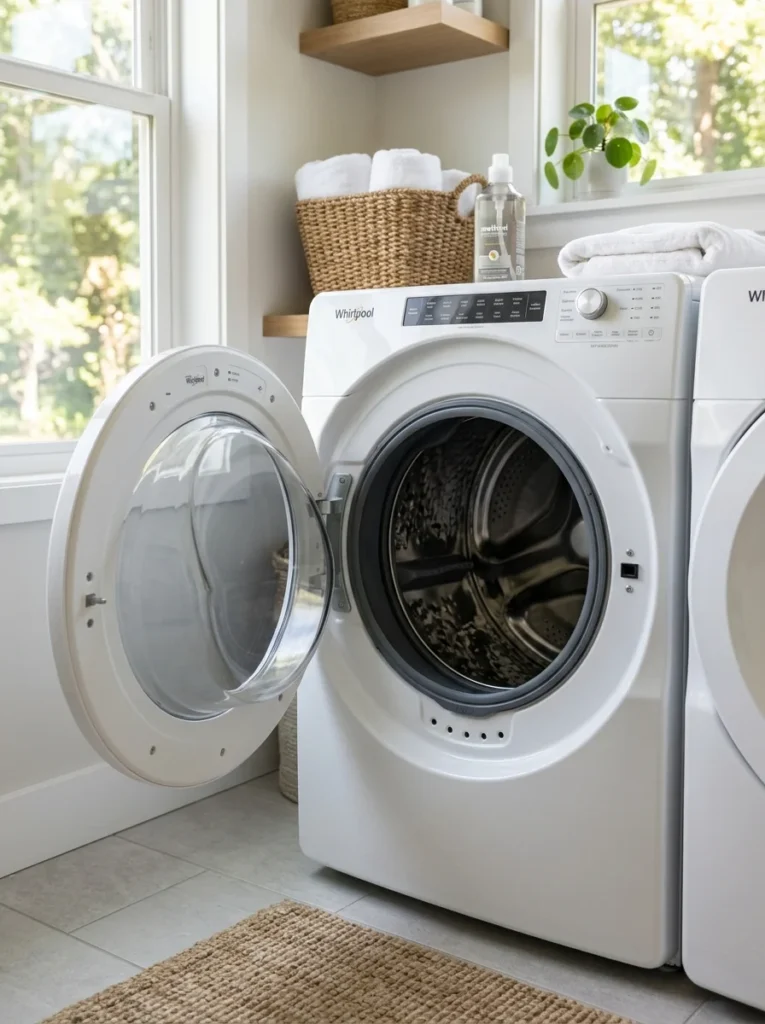
Front-load washers have a well-documented tendency to develop musty odors over time if not properly maintained, since their rubber door gasket and the enclosed drum design can trap moisture and detergent residue that doesn’t fully dry out between uses. Leaving the door open after each cycle to air out the drum, using the correct amount and type of detergent, generally a high-efficiency formula, and running an occasional cleaning cycle all meaningfully reduce this risk, but it does represent a genuine maintenance consideration that top-load washers largely avoid due to their more open, ventilated design.
Ability to add items mid-cycle
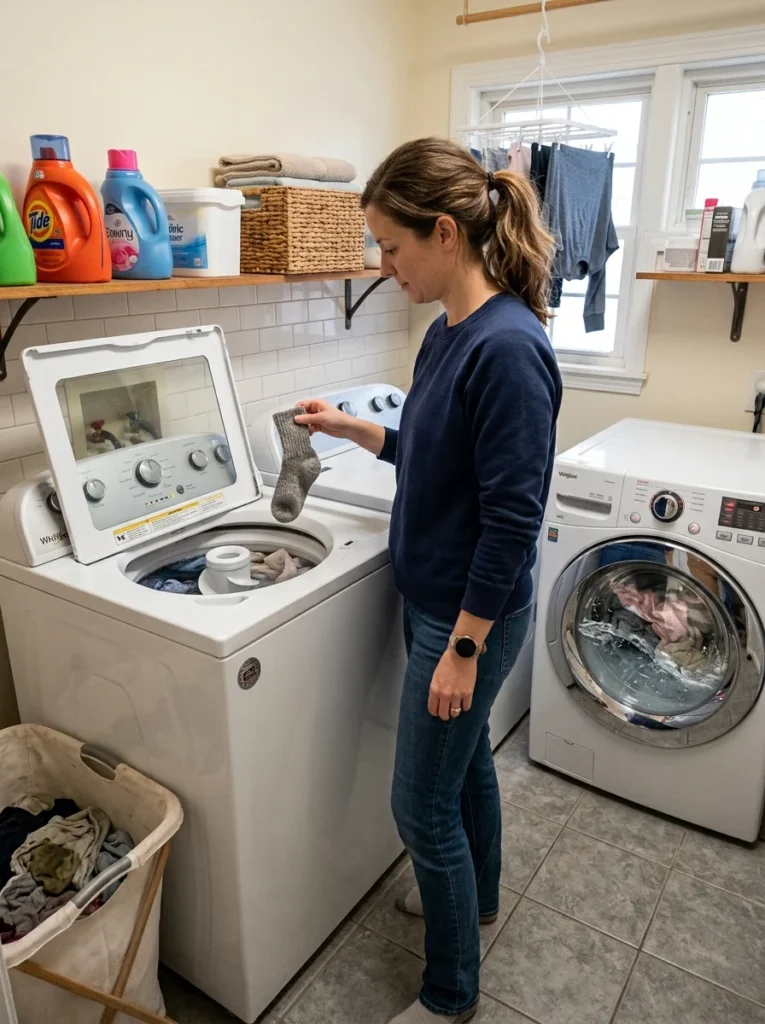
Many top-load washers allow you to pause the cycle and add a forgotten item partway through the wash, a convenience some households rely on regularly. Most front-load washers, due to their locking door mechanism and the amount of water already in the drum during a cycle, don’t offer this same flexibility, or only allow it during a narrow window early in the cycle, which is worth considering if this is a habit you’re used to relying on.
Cost comparison: which type is more affordable
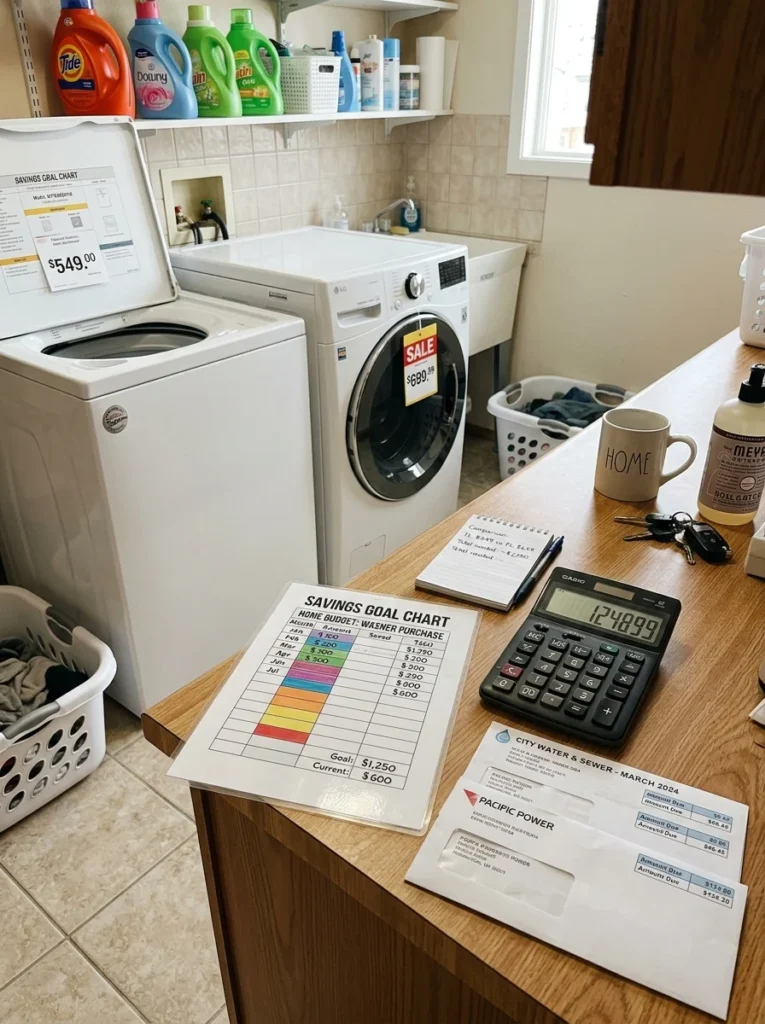
Front-load washers generally cost more upfront than comparable top-load models, though the gap has narrowed somewhat as front-load technology has become more mainstream. Over the machine’s lifespan, front-load models often offset some of this higher initial cost through lower water and energy bills, though the total savings depend heavily on your household’s laundry volume and local utility rates. If upfront cost is the primary constraint, a quality top-load washer remains the more immediately affordable option.
Stacking and space considerations
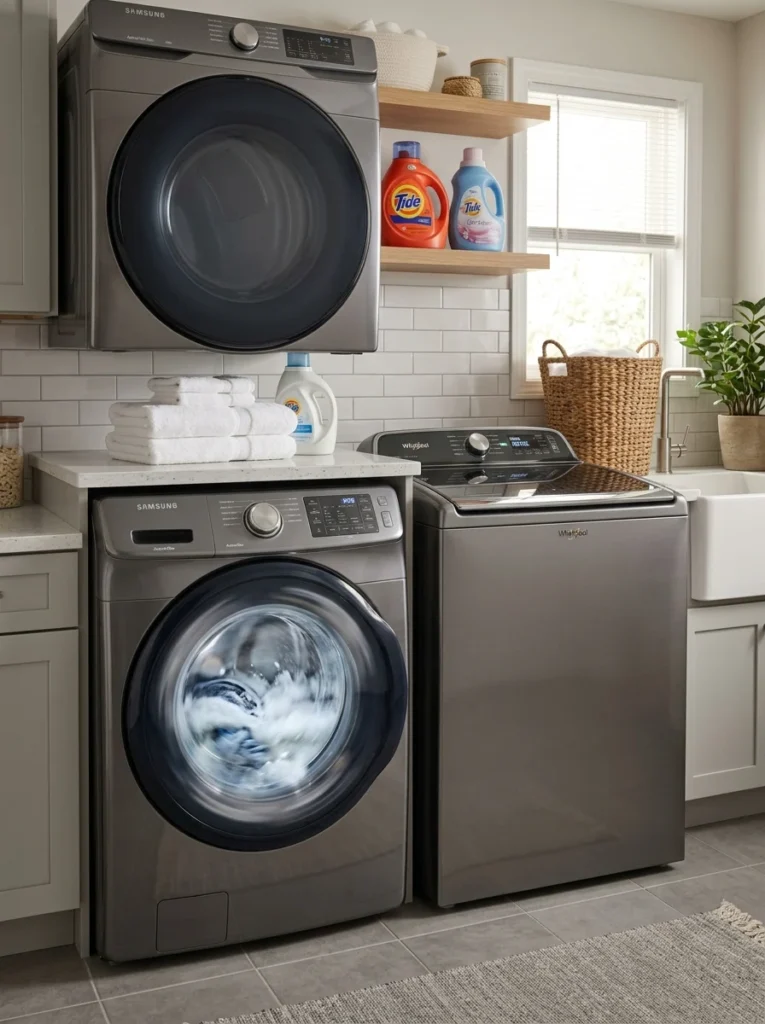
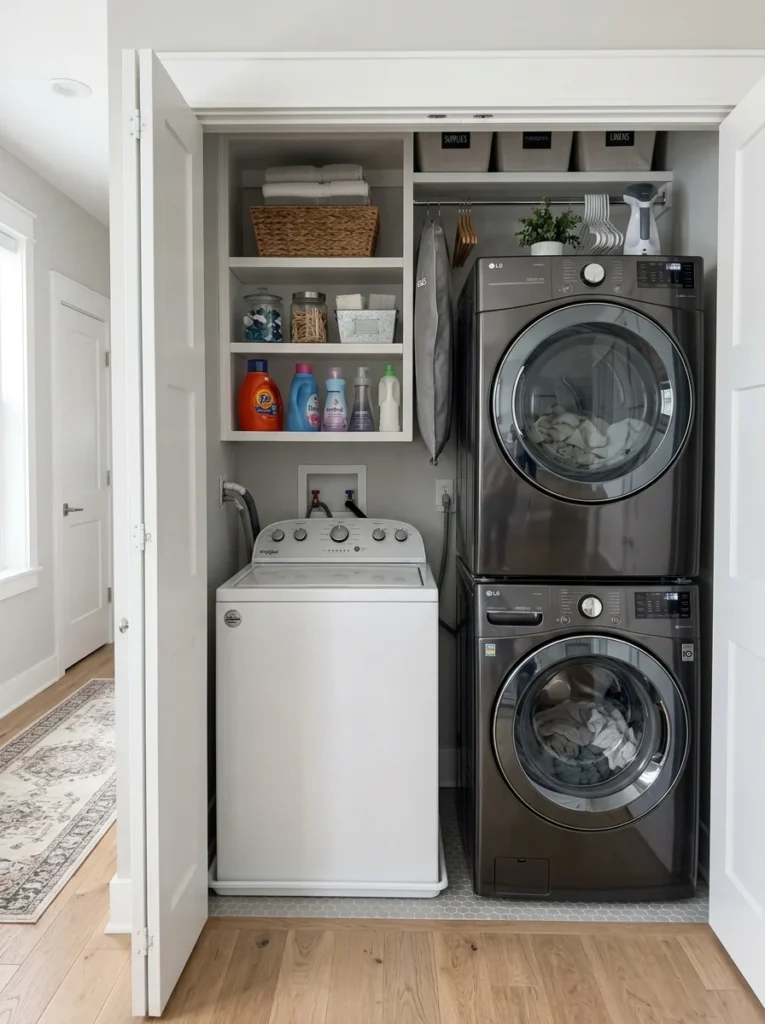
Front-load washers can typically be stacked with a compatible dryer using a stacking kit, which is a significant space-saving advantage in a smaller laundry closet or room where floor footprint is limited. Top-load washers generally cannot be stacked in this way due to their top-loading design, making front-load models the clear choice if a stacked configuration is necessary to fit your available laundry space.
Matching the choice to your household’s specific priorities
If your laundry room has limited floor space and would benefit from a stacked configuration, or if lower water and energy use is a priority, a front-load washer is generally the better fit, provided you’re willing to maintain it properly to avoid odor issues. If ease of loading without bending, quieter operation, or the ability to add forgotten items mid-cycle matters more to your household, or if minimizing upfront cost is the priority, a top-load washer, particularly a modern impeller model, remains a genuinely solid choice rather than an outdated one.

Comparing wash performance and fabric care
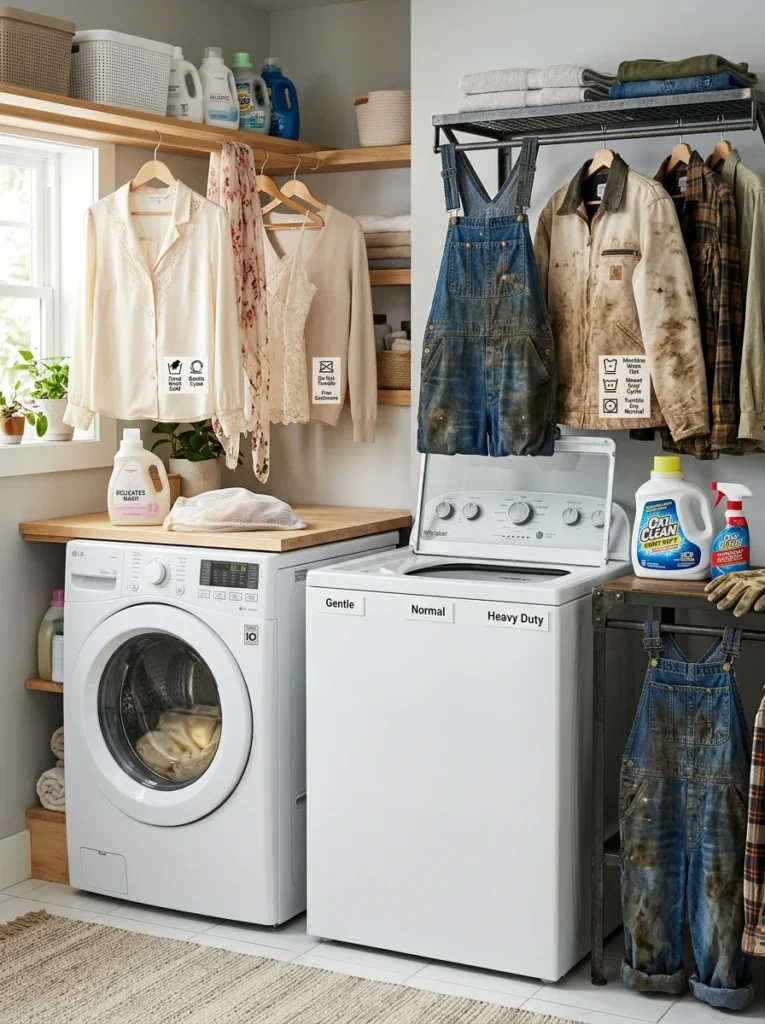
Front-load washers’ tumbling action is generally gentler on clothes than a traditional agitator’s twisting motion, which can cause more wear and tangling over repeated washes, particularly for delicate fabrics. Modern impeller-style top-load washers have closed much of this gap by replacing the aggressive central agitator with a lower-profile disc that moves clothes more gently through the water, though front-load washers still tend to have an edge for households doing frequent loads of delicate or specialty fabrics. For heavily soiled items, some people find a traditional agitator top-load washer provides slightly more aggressive cleaning action, though this comes at the cost of the gentler fabric treatment front-load and impeller models offer.
Typical lifespan and repair considerations
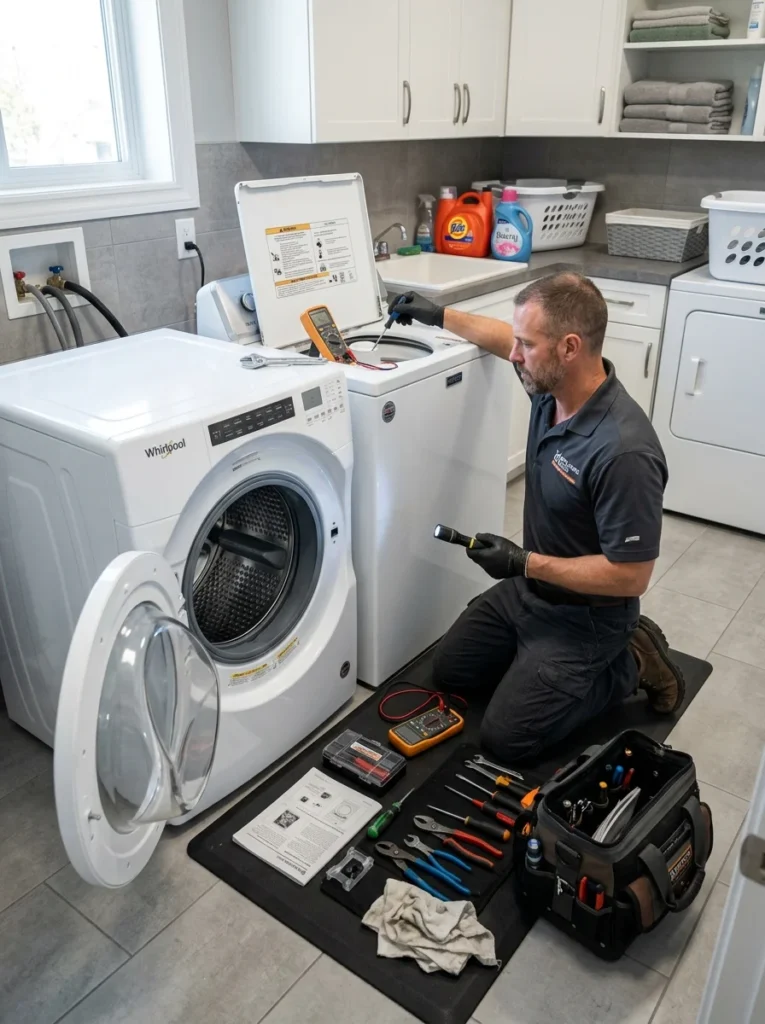
Both washer types can last a similar number of years with proper maintenance and reasonable use, though front-load washers, due to their more complex mechanisms, including the door seal, additional bearings, and more sophisticated electronic controls in many models, can sometimes involve higher repair costs when something does go wrong. Top-load washers, particularly simpler agitator models, tend to have fewer complex components that can fail, which can mean more affordable repairs, though this varies significantly by specific brand and model rather than being a strict rule across the entire category. Reading repair cost and reliability reviews for the specific model you’re considering, rather than relying purely on general assumptions about front-load versus top-load reliability, gives a more accurate picture before you buy.
Detergent requirements differ between the two types
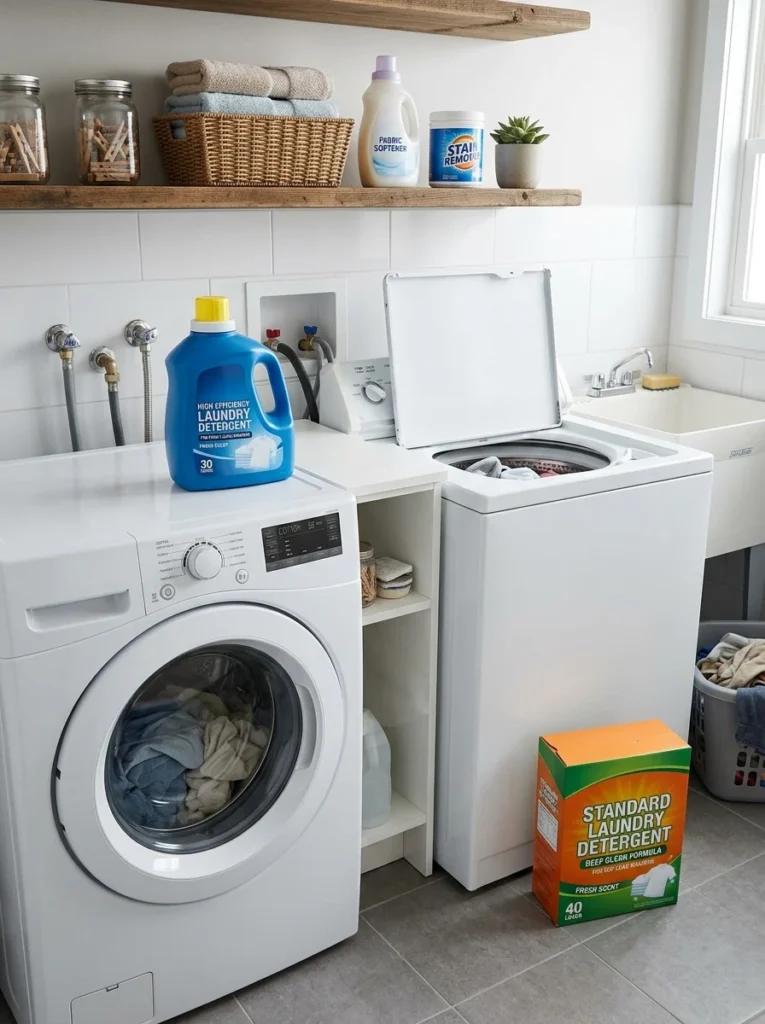
Front-load washers require high-efficiency detergent specifically formulated to produce fewer suds, since their tumbling, lower-water design doesn’t rinse away excess suds as effectively as a traditional top-load washer’s higher water volume does. Using regular, non-high-efficiency detergent in a front-load machine can lead to excessive suds, poor rinsing, and can actually contribute to the musty odor issues these machines are already somewhat prone to. Most modern top-load washers, particularly high-efficiency impeller models, also recommend or require HE detergent, though traditional deep-water agitator models are generally more forgiving of standard detergent formulations.
Common front-load vs. top-load washer questions
Which washer type uses less water and energy?
Front-load washers generally use less water and energy per cycle than traditional top-load washers, though modern impeller-style top-load models have narrowed this efficiency gap considerably compared to older agitator designs.
Why do front-load washers sometimes develop a musty smell?
The rubber door gasket and enclosed drum design can trap moisture and detergent residue that doesn’t fully dry between uses. Leaving the door open after each cycle, using the correct high-efficiency detergent, and running occasional cleaning cycles significantly reduce this risk.
Can I stack a top-load washer and dryer to save space?
No, top-load washers generally cannot be stacked due to their top-loading design. Front-load washers can typically be stacked with a compatible dryer using a stacking kit, making them the better option if a stacked configuration is necessary for your laundry space.
Is a front-load or top-load washer easier on my back?
Top-load washers don’t require bending to load and unload, which some people find easier, particularly those with mobility considerations. Front-load washers can be raised to a more comfortable height with an optional pedestal, but this adds to the overall cost.
Do I need special detergent for a front-load washer?
Yes, front-load washers require high-efficiency detergent formulated to produce fewer suds, since their lower water volume doesn’t rinse away excess suds as effectively as a traditional top-load design. Using the wrong detergent can lead to poor rinsing and contribute to musty odors over time.
Both front-load and top-load washers are genuinely solid choices, and the right one depends on your specific priorities: available space, water and energy costs in your area, physical ergonomics, noise tolerance, and how diligent you’re willing to be about maintenance. Neither type is a universally correct answer, despite front-load models often being marketed as the more modern, premium option.
Our own front-load washer has worked out well specifically because our laundry space benefited from the stacked configuration it allowed, and we’ve stayed on top of leaving the door open between cycles to avoid the odor issues it’s known for. If you’re replacing your own washer, spend a few minutes honestly assessing your space constraints, physical needs, and maintenance willingness before comparing specific models; that assessment will point you toward the right type far more reliably than reviews or sales alone, and it will save you the same evenings of second-guessing I spent before finally making our own decision.