
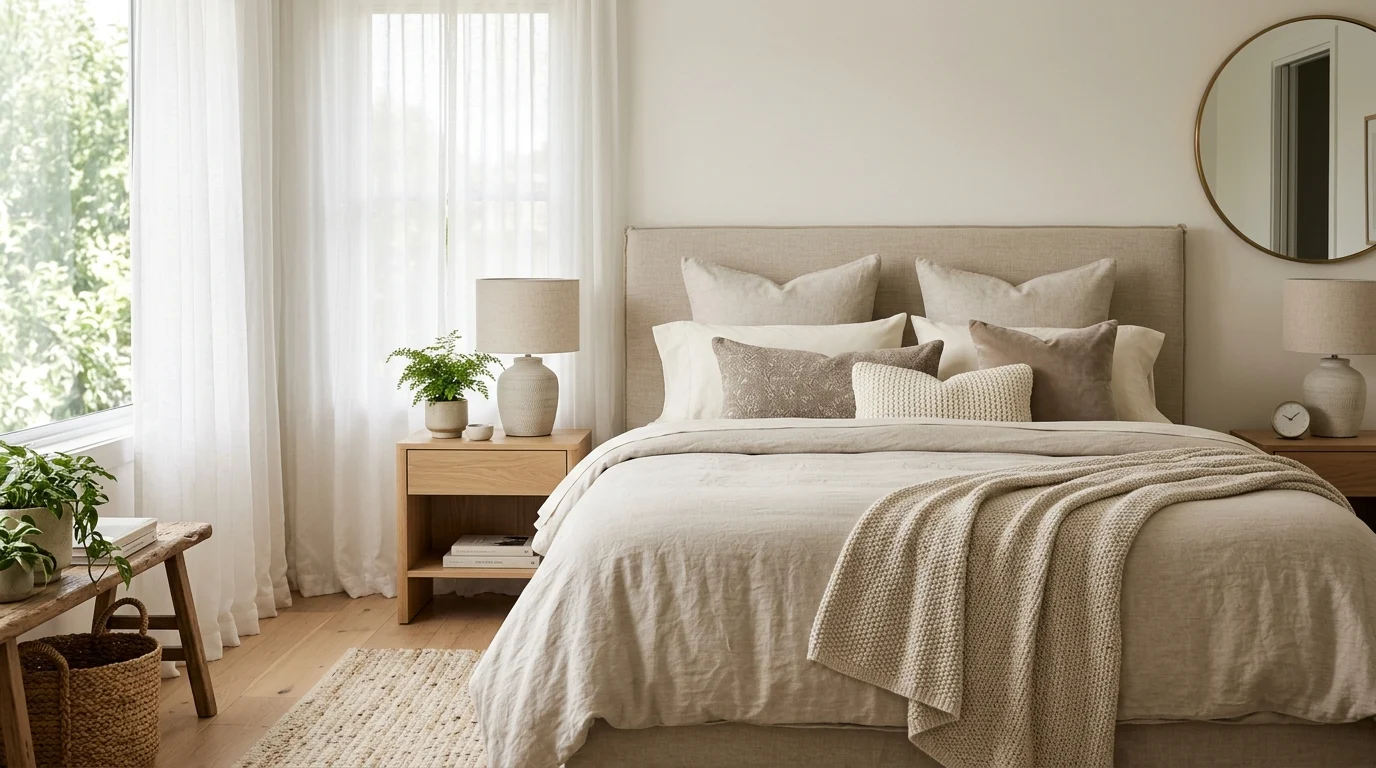
For years, my bed consisted of a fitted sheet, a duvet, and exactly two pillows, purely functional and, looking back, more than a little sad-looking compared to the beds I kept saving to a Pinterest board and never actually recreating. I assumed achieving that layered, hotel-like look required either a professional stylist or a level of natural taste I simply didn’t have. It turned out to be neither; it came down to a handful of specific principles about proportion, layering order, and pillow sizing that, once I understood them, I could apply myself in about twenty minutes each time I changed the sheets.
A well-styled bed doesn’t require an enormous budget or a dozen decorative pillows you’ll just toss on the floor every night. It comes down to understanding the layers, choosing the right pillow mix, and building the look from the bottom up. Here’s exactly how to do it.
Start with the foundation: sheets that actually look good
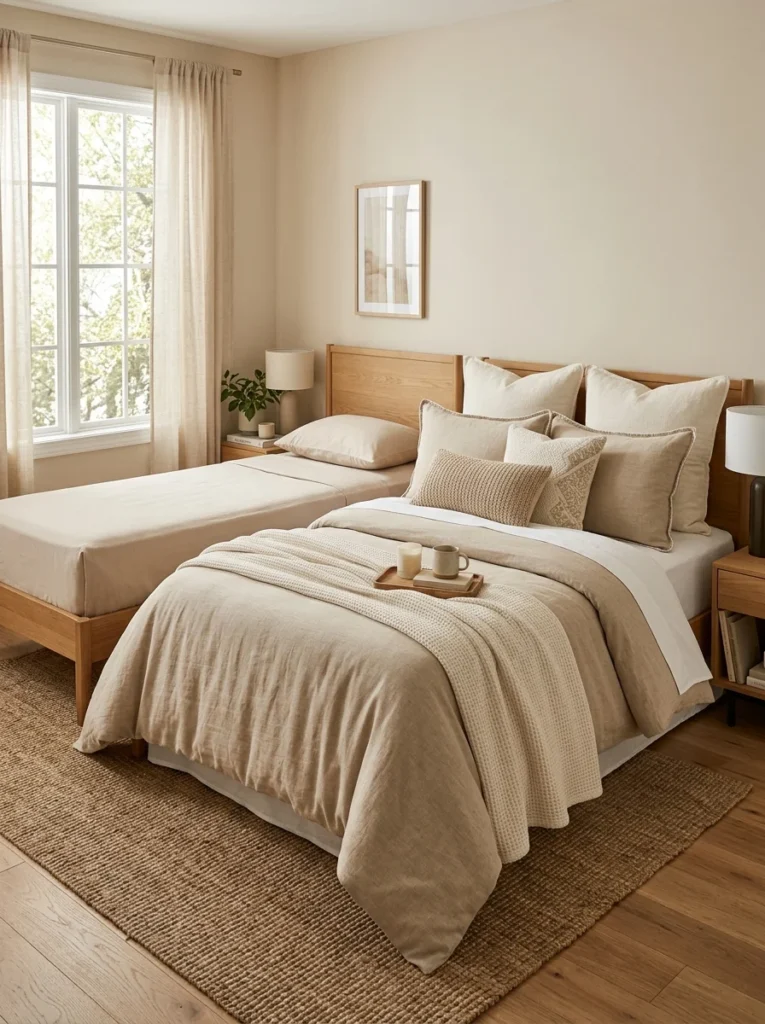
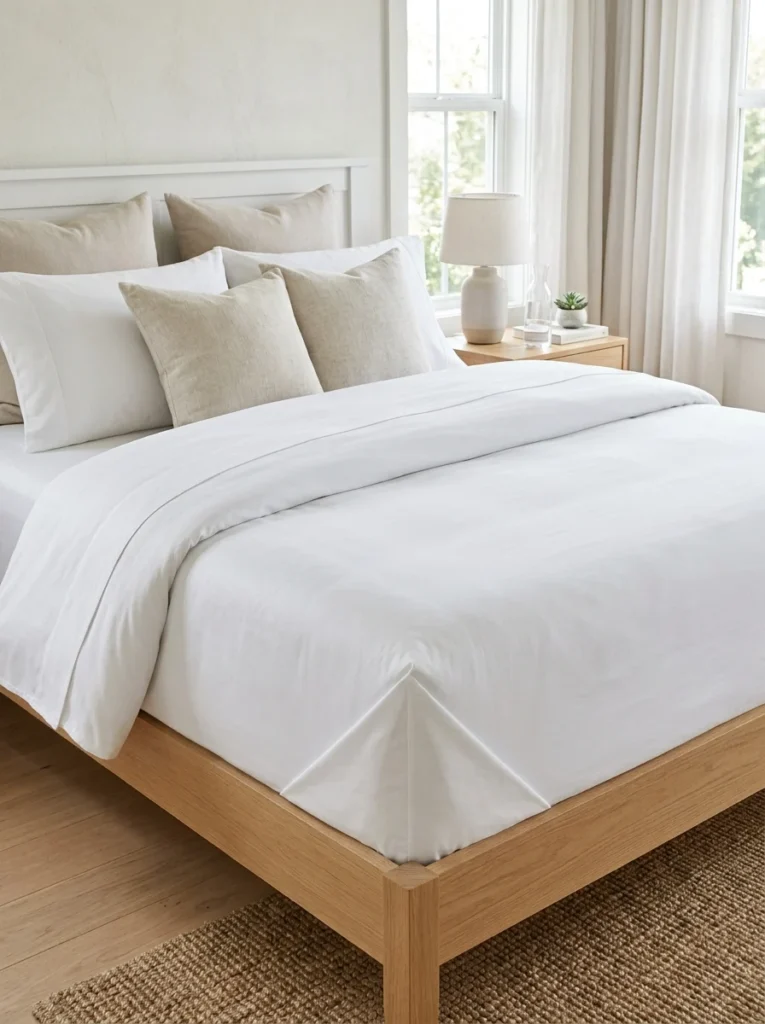
Before any decorative layering happens, the base sheets need to look intentional, not just functional. A fitted sheet with deep pockets that stays properly tucked, paired with a flat sheet in a coordinating or matching color, sets a clean foundation for everything layered on top. If your flat sheet tends to peek out messily at the edges, tucking it in with sharp hospital corners, folding the fabric neatly at each corner rather than just stuffing it under the mattress, immediately gives the whole bed a crisper, more polished starting point before a single pillow is added.
Choose a duvet or comforter with texture or subtle pattern
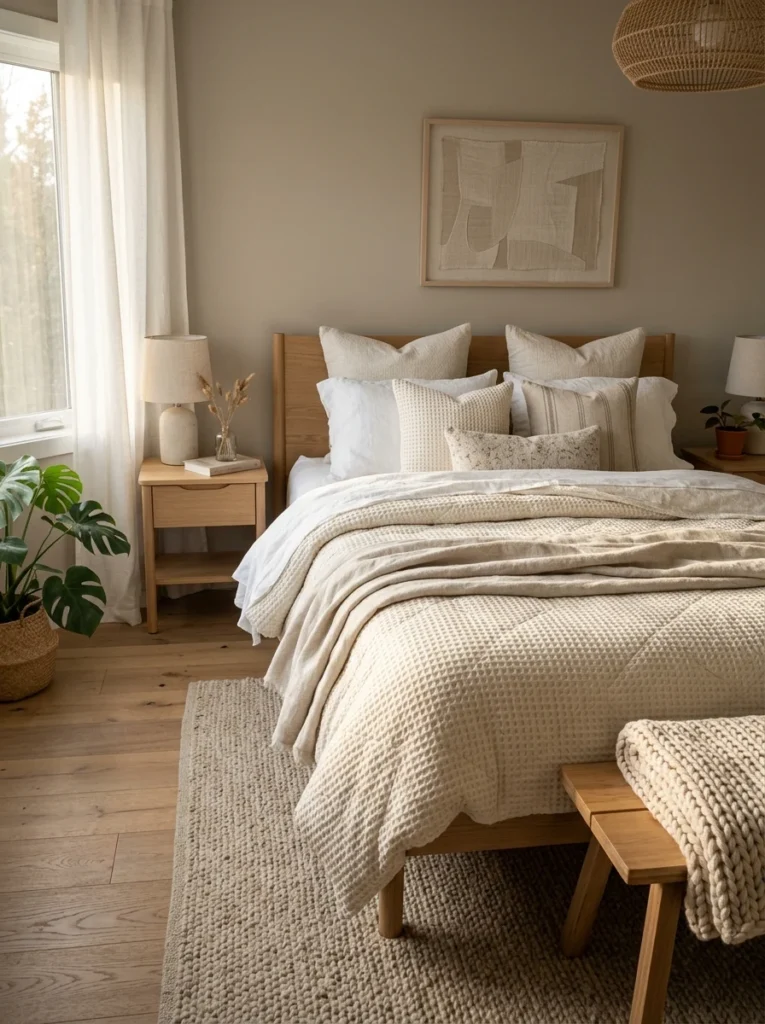
A completely flat, solid-color duvet can look fine, but adding a bit of texture, a subtle quilted pattern, a waffle weave, a textured jacquard, gives the bed visual interest even before pillows are layered on top. If you prefer a solid color for versatility, choosing one with a discreet woven texture rather than a completely flat, smooth surface adds depth without competing with the pillow layering you’ll build above it. A duvet cover in a neutral tone also gives you more freedom to change up pillow colors and patterns seasonally without needing to replace the largest, most expensive layer of the bedding.
Understand the three basic pillow categories
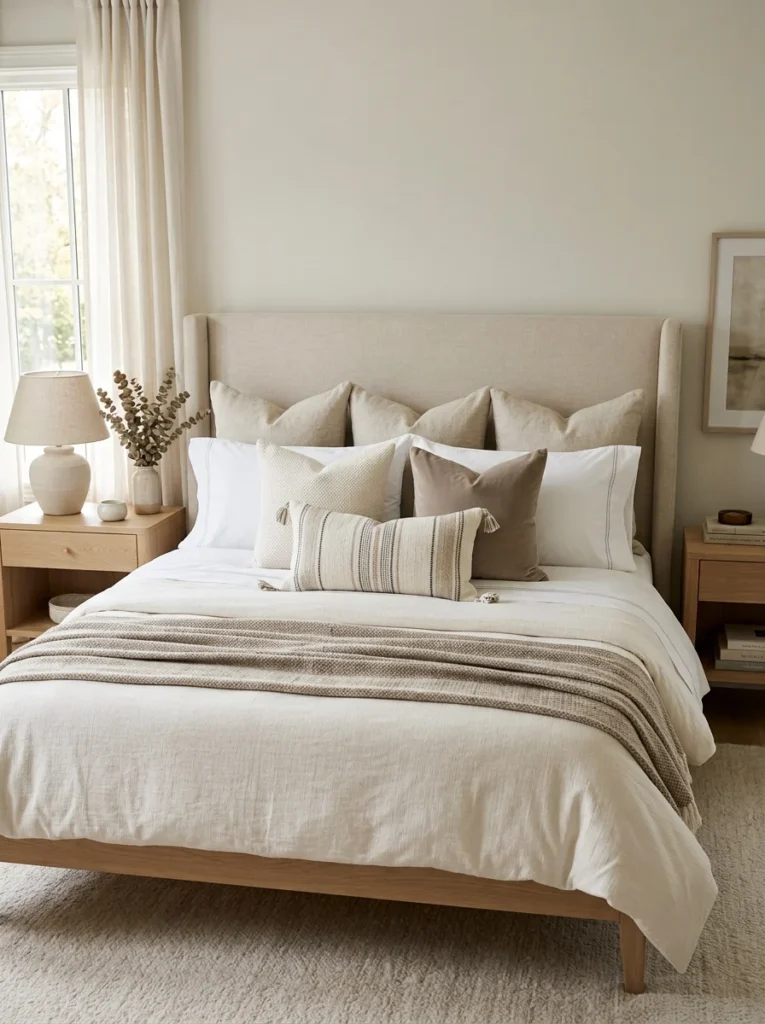
Layered bedding generally works with three categories of pillows, working from back to front. Sleeping pillows, the ones you actually sleep on, sit at the very back against the headboard, typically two standard or queen pillows in simple, coordinating shams. Euro shams, the large, square pillows, sit just in front of the sleeping pillows, adding height and a more substantial, layered look at the back of the arrangement. Decorative pillows and a lumbar pillow, smaller and more varied in shape, color, and pattern, sit in front of the euro shams, forming the visually interesting foreground layer that ties the whole look together.
Get the sizing and layering order right
Working from back to front and largest to smallest creates the layered depth that makes a styled bed look intentional rather than randomly assembled. Two large euro shams, typically twenty-six inches square, sit propped upright against the headboard or pillow backing. In front of those, two standard or king sleeping pillows in matching or coordinating shams sit slightly overlapping the euro shams. In front of those, one or two smaller decorative pillows, often eighteen to twenty inches square, and optionally one lumbar pillow, a long, narrow rectangular pillow, complete the front layer. This descending size order, from largest at the back to smallest at the front, is what creates the sense of depth and intentional styling that a flat, single-size pillow arrangement doesn’t achieve.
Choose a cohesive but not matching color palette
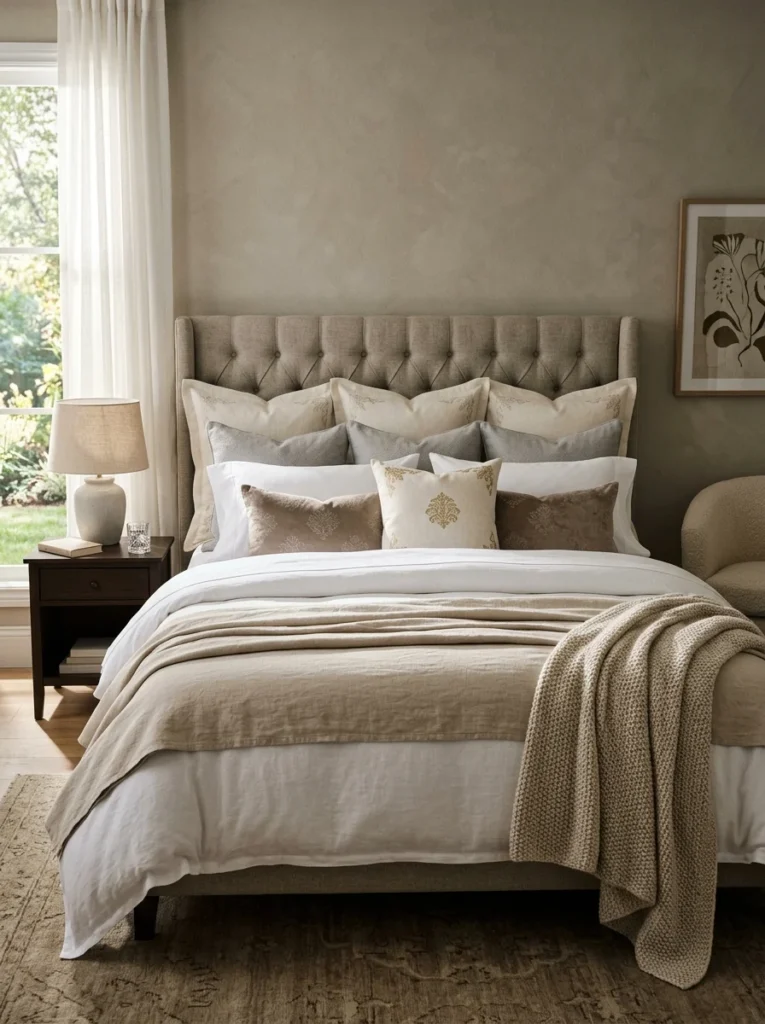
A bed where every pillow matches exactly can look flat and overly uniform, while a bed with wildly mismatched colors and patterns can look chaotic and unplanned. The middle ground, choosing two or three coordinating colors, and mixing solids, textures, and one or two patterned pieces within that palette, creates visual interest while still feeling cohesive. A common, reliable approach is choosing one dominant color for the largest pillows, a complementary secondary color for the sleeping pillow shams, and a patterned or textured accent for the smallest decorative pillow or lumbar pillow in front.

Mix textures for a richer, more layered feel
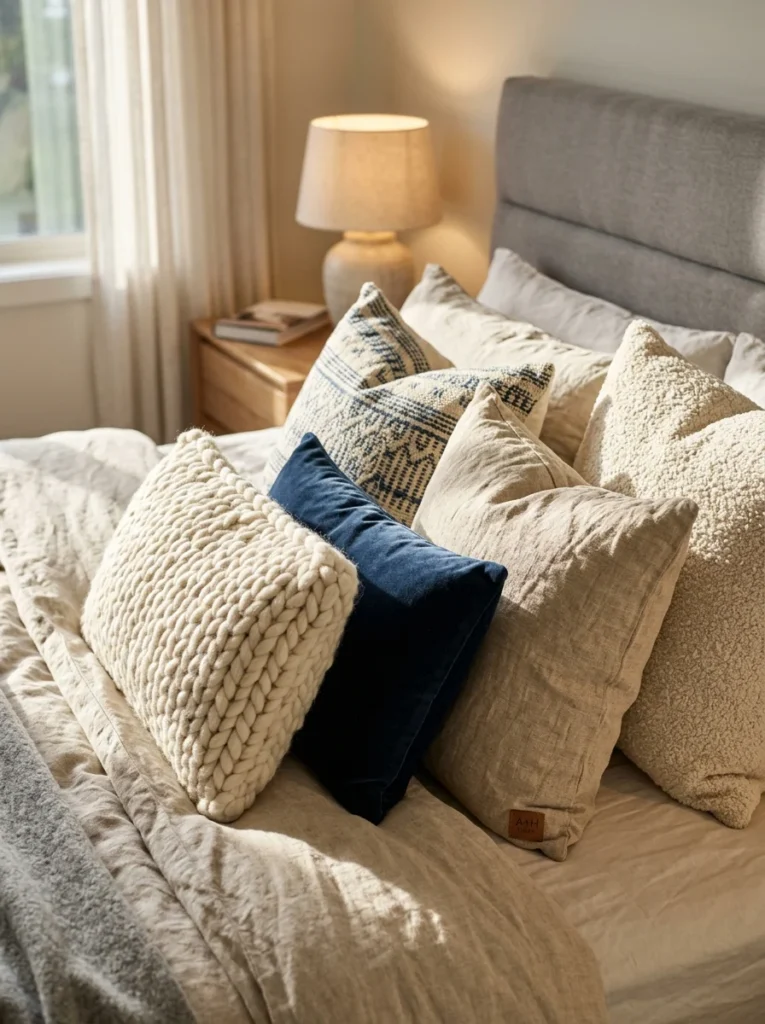
Beyond color, varying the physical texture of different pillow covers, a nubby linen alongside a smooth cotton sateen, a touch of velvet, a knit or woven texture, adds a tactile richness that a bed made entirely from one fabric type doesn’t achieve, even with a well-chosen color palette. This textural variety is part of what gives professionally styled beds their noticeably more luxurious feel compared to a bed where every pillow uses an identical fabric.
Add a throw blanket for an extra layer
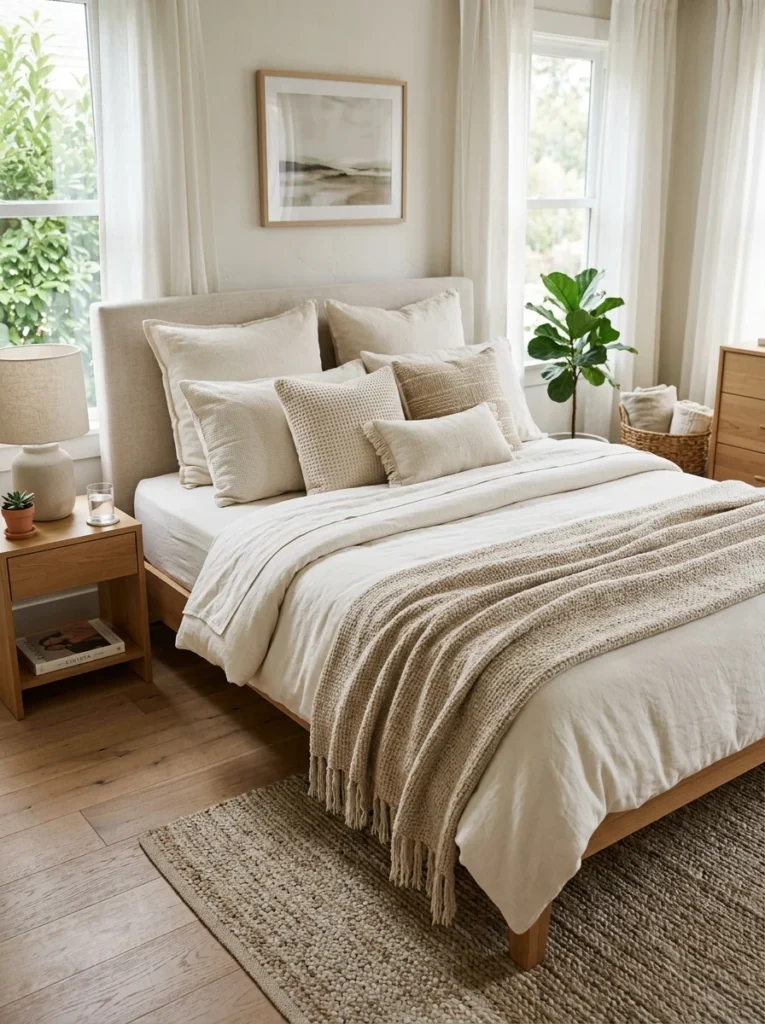
A folded or draped throw blanket across the foot of the bed adds another layer of texture and color, and it’s one of the simplest, most affordable ways to introduce a seasonal accent, a heavier knit throw in cooler months, a lighter woven cotton throw in warmer ones, without needing to change out the pillows or duvet cover themselves. Draping it loosely in a soft diagonal fold, rather than a stiff, perfectly square fold, tends to look more natural and less staged.
Don’t overdo the total pillow count
A common styling mistake is piling on far more pillows than the bed, or the person actually sleeping in it, can reasonably handle each night. Somewhere between five and seven total pillows, two sleeping pillows, two euro shams, and two to three smaller decorative and lumbar pillows, is typically the sweet spot for a full, layered look without becoming an genuine obstacle course to clear away every single night before sleep. Having a designated spot nearby, a bench at the foot of the bed, a nearby chair, or simply the floor beside the nightstand, makes the nightly removal and morning replacement routine quick rather than a nightly chore that eventually leads to abandoning the whole styled look.
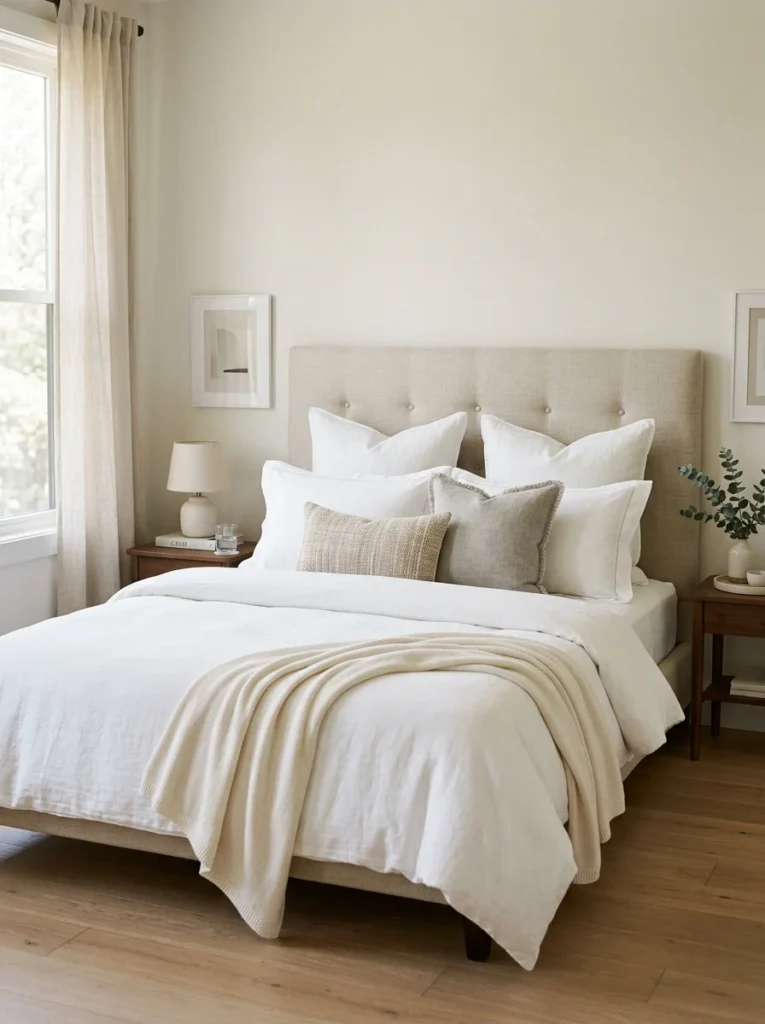
Consider your headboard when planning the arrangement
A tall, upholstered headboard gives euro shams something substantial to lean against, which helps the whole arrangement hold its shape and look intentional rather than slumping over throughout the day. A low or absent headboard means the pillow arrangement needs to rely more on the pillows’ own structure and firmness to stay upright, which is worth factoring in when choosing euro sham inserts, opting for a firmer fill that holds its shape well rather than a very soft, floppy insert that will collapse without a headboard’s support.
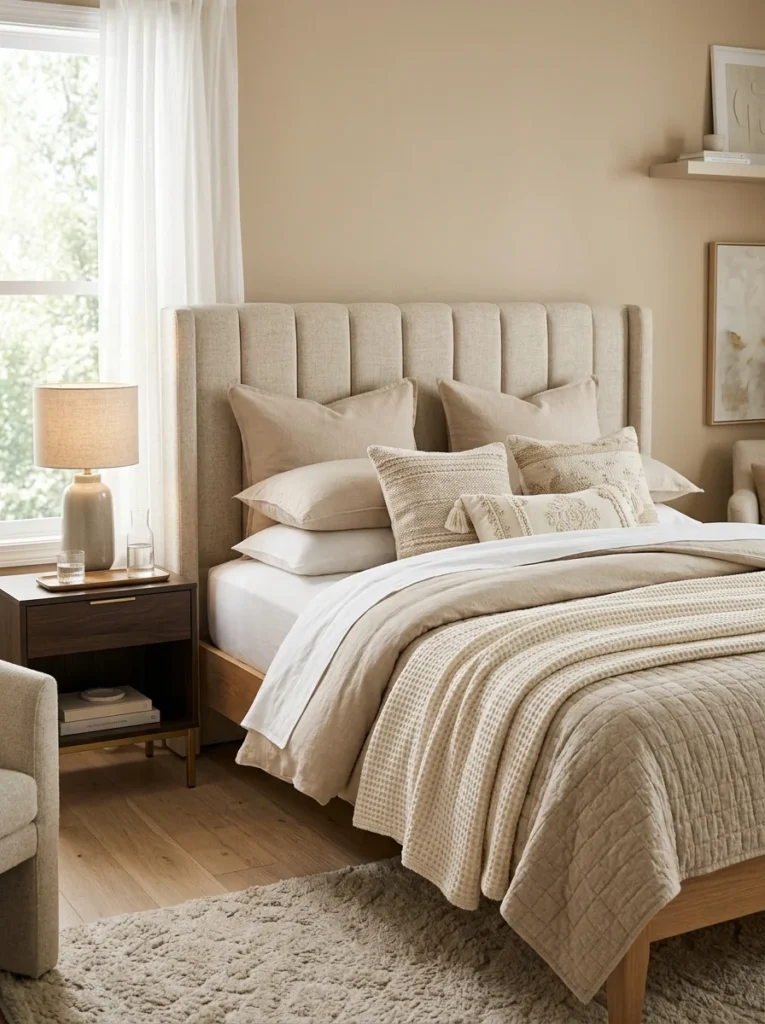
Refresh the look seasonally without a full overhaul
Once the foundational sleeping pillows, euro shams, and duvet are in a versatile neutral or simple palette, refreshing the bed’s look for a new season or simply a change of pace can come down to swapping just the smaller decorative pillow covers and the throw blanket, a relatively inexpensive and low-effort update compared to replacing the entire bedding set. Keeping a small rotating collection of decorative pillow covers in different colors and patterns lets you change the bed’s whole feel in a matter of minutes without an ongoing significant expense.
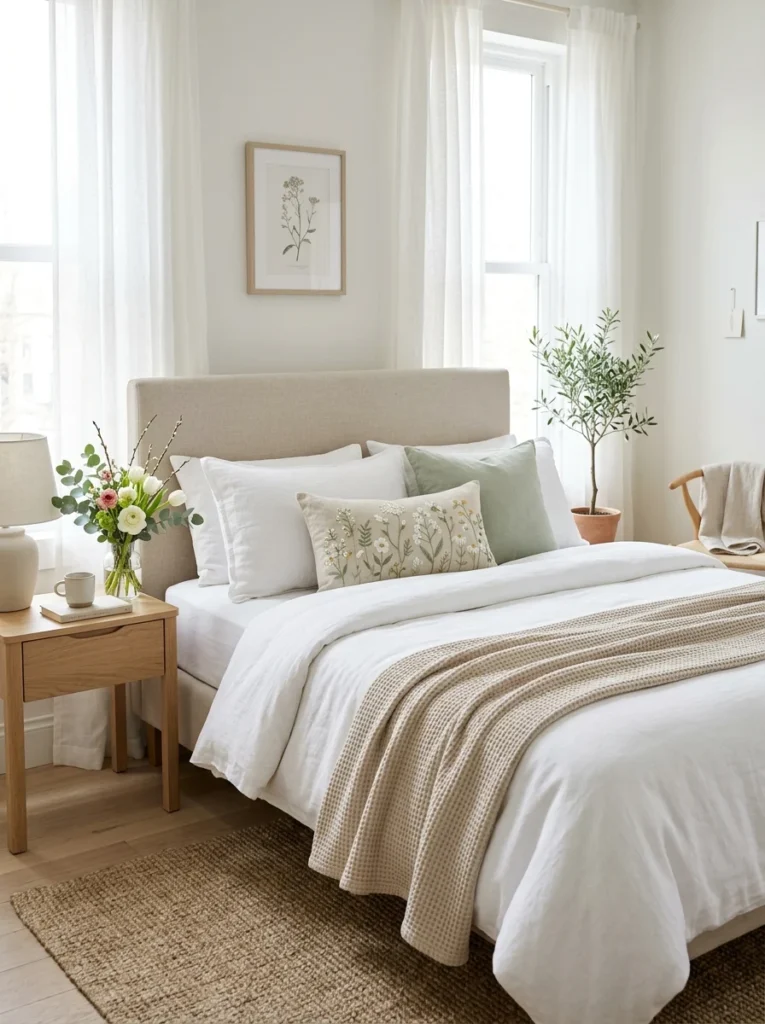
Invest in quality pillow inserts, not just covers
A beautiful decorative pillow cover can still look disappointing if the insert underneath is flat, lumpy, or the wrong size for the cover itself. Choosing an insert one to two inches larger than the cover’s stated dimensions, a twenty-inch insert for an eighteen-inch cover, for example, creates a fuller, more plump appearance rather than the slightly deflated look a same-size or smaller insert produces. For euro shams especially, a firm, higher-fill insert holds its shape and upright position against a headboard far better than a soft, minimally filled one, which tends to slump and lose the structured look shortly after arranging it.
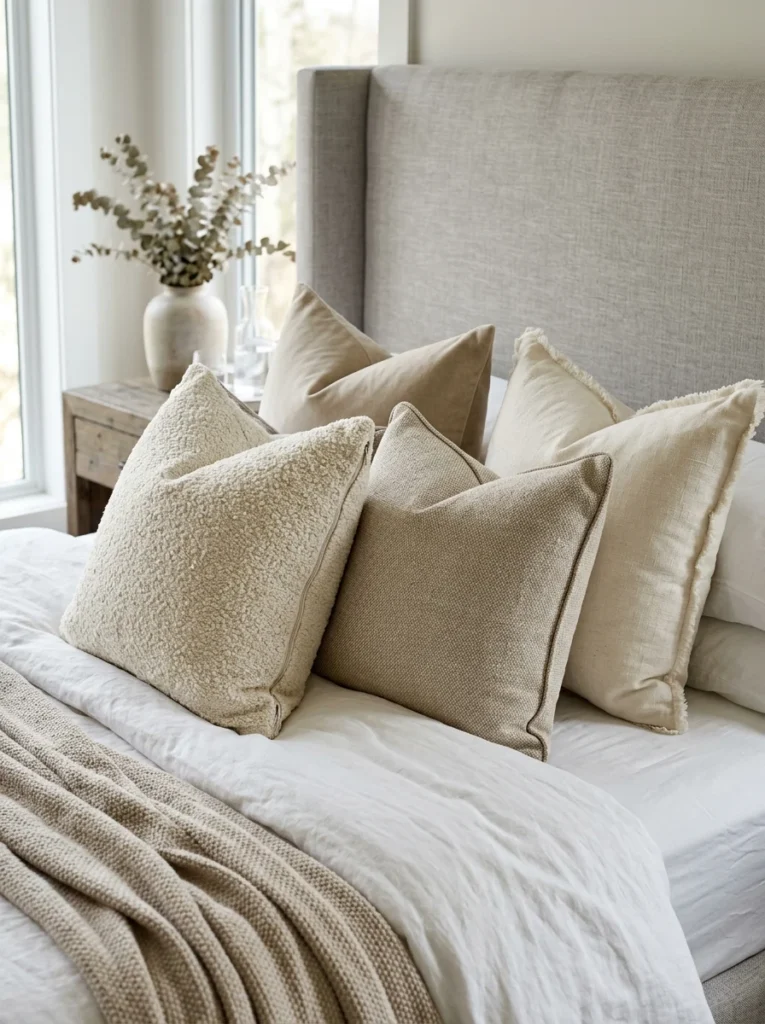
Factor in easy care when choosing fabrics
Decorative pillow covers and duvet covers see regular handling and occasional spills, so choosing washable, durable fabrics for at least the most frequently touched pieces saves considerable hassle compared to fabrics requiring dry cleaning or delicate hand-washing. Removable, zippered covers on both decorative pillows and euro shams make cleaning dramatically easier than pillows with sewn-shut or glued closures, allowing you to freshen up the look without replacing the entire pillow if a cover gets stained or simply needs a wash.
How many pillows should I actually put on a bed?
Somewhere between five and seven total pillows generally creates a full, layered look without becoming impractical to manage nightly. This typically includes two sleeping pillows, two euro shams, and two to three smaller decorative or lumbar pillows.
What size are euro shams compared to standard pillows?
Euro shams are typically twenty-six inches square, noticeably larger than standard sleeping pillows, which is what allows them to sit upright at the back of the arrangement and create the layered height that gives a styled bed its depth.
Do all my pillows need to match?
No, and in fact a bed where everything matches exactly can look flatter and less interesting than one with two or three coordinating colors, mixed textures, and one or two patterned accent pieces within a cohesive overall palette.
How do I keep a styled bed from becoming too much work every night?
Keeping the total pillow count reasonable, generally five to seven, and having a designated nearby spot to set decorative pillows each night, a bench, chair, or floor space by the nightstand, makes the nightly routine quick rather than a genuine chore that eventually leads to abandoning the styled look altogether.
Should pillow inserts be the same size as the covers?
Slightly larger inserts, generally one to two inches bigger than the cover’s stated size, create a fuller, plumper look than a same-size insert, which can appear flat or slightly deflated once placed inside the cover.
A genuinely well-styled bed comes down to understanding a simple layering order, largest pillows at the back working down to the smallest at the front, choosing a cohesive but varied color and texture palette, and not overloading the total pillow count beyond what’s practical to manage nightly. None of it requires professional styling expertise or an unlimited budget; it’s a formula that, once understood, takes about the same effort as making the bed plainly did before.
My own bed now has that layered, considered look I used to only save to a Pinterest board, built from a simple neutral duvet, two euro shams, and a small rotating collection of decorative pillow covers that let me refresh the whole look in a few minutes whenever I want a change. If your own bed still consists of just a duvet and two flat pillows, start with one pair of euro shams and one accent pillow; that alone will make a bigger difference than you’d expect before you invest in anything else.