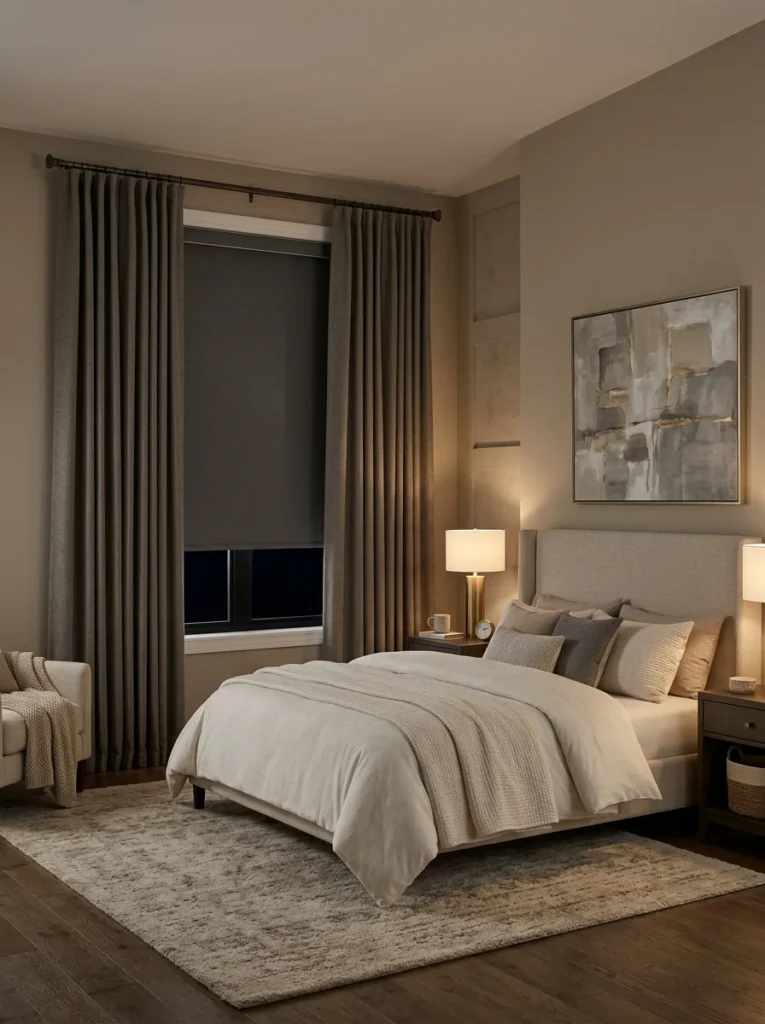
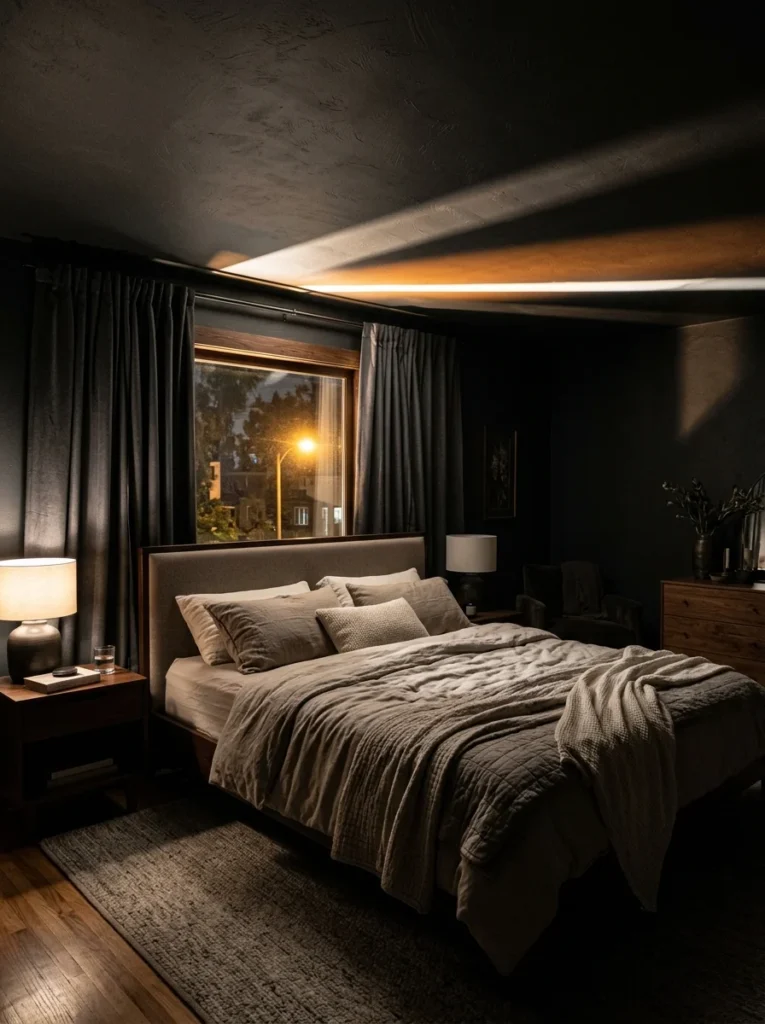
I bought my first pair of blackout curtains purely based on color, they matched the rest of the bedroom nicely, and assumed that was really all there was to it. It wasn’t until a streetlight directly outside our window kept casting a thin but persistent strip of light across the ceiling every single night, right through the gap where the curtains didn’t quite meet the wall, that I realized blackout curtains aren’t all created equal, and buying based on color alone had left me with curtains that technically qualified as blackout but functionally still let in more light than I wanted. Replacing them with a properly sized, properly hung pair made a genuinely noticeable difference to how quickly I fell asleep and how well I stayed asleep through the night.
If better sleep is the actual goal, not just a general blackout label on the packaging, there’s more to consider than color and fabric pattern. Here’s what genuinely matters when choosing blackout curtains, and how to avoid the light-leak mistakes that undermine even a technically correct blackout fabric.
Understand what blackout fabric actually means
Blackout curtains are constructed with a dense, tightly woven fabric, often combined with an additional lining layer, specifically designed to block light from passing through the material itself. This differs from simply a dark or heavy-looking curtain, since color and apparent thickness alone don’t guarantee actual light-blocking performance; a dark curtain without proper blackout construction can still let in a surprising amount of light, particularly with strong outdoor lighting or early morning sun. Genuine blackout curtains typically block somewhere in the range of ninety-nine percent of light passing directly through the fabric, though the room’s total darkness also depends heavily on sizing and installation, which matter just as much as the fabric itself.
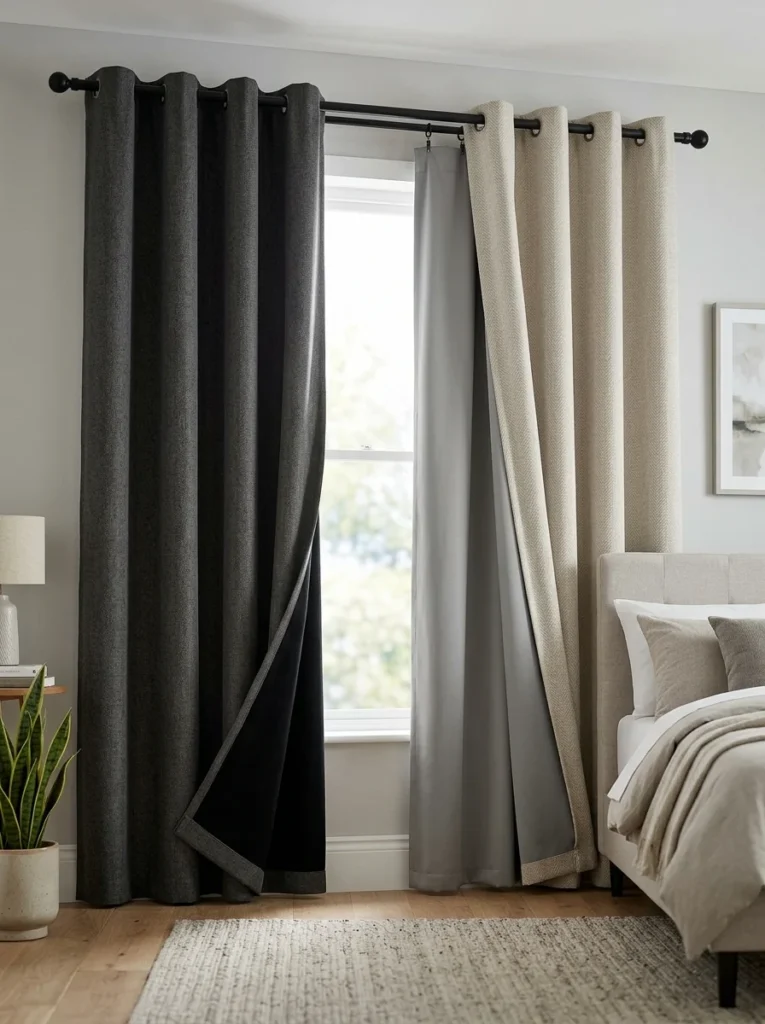
Check the specific blackout construction, not just the label
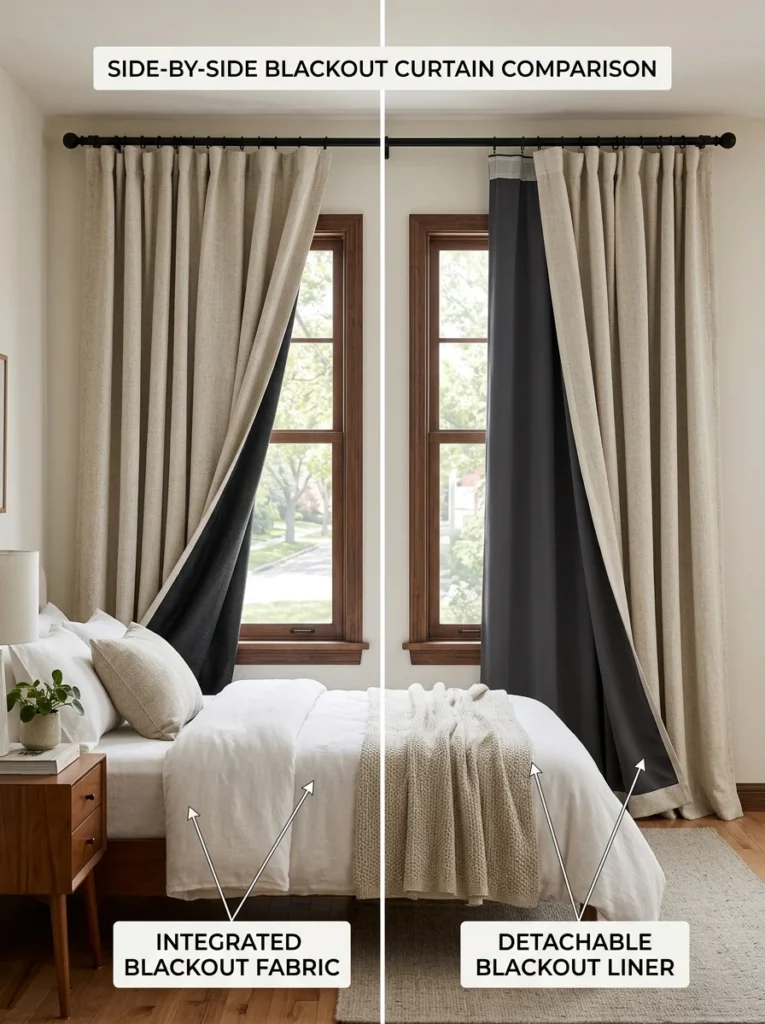
Blackout curtains generally come in a few different constructions: a triple-weave fabric with a foam or acrylic backing built directly into a single layer, or a standard decorative curtain paired with a separate, detachable blackout liner behind it. Triple-weave, built-in blackout curtains tend to offer the most consistent, reliable light blocking in a single panel, while a separate liner approach offers more flexibility in decorative fabric choice, since the liner does the actual light-blocking work while the visible front fabric can be chosen purely for appearance. Reading the specific product description rather than relying on the word “blackout” alone helps clarify which construction you’re actually getting.
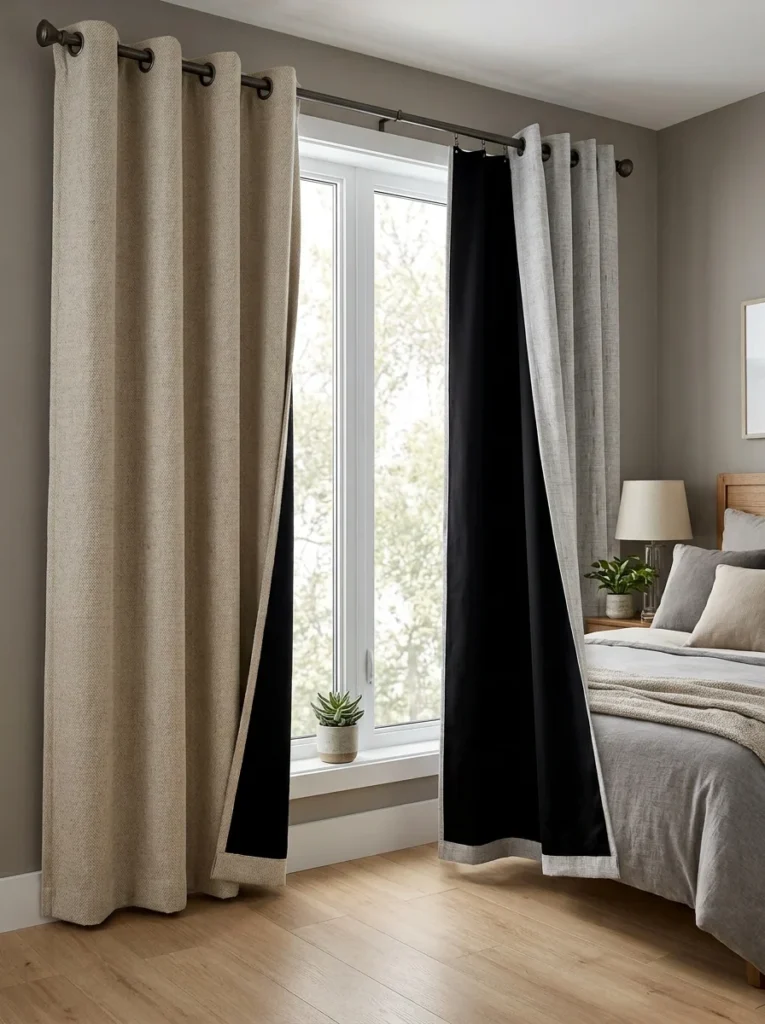
Size curtains wider than the window, not just to match it
One of the most common blackout mistakes, the one that undermined my own first attempt, is sizing curtains to match the window’s exact width rather than extending well beyond it. Curtains that end right at the window frame’s edges leave gaps on either side where outside light easily slips through, no matter how effective the fabric itself is at blocking direct light. Choosing curtain panels, and a curtain rod, that extend at least four to six inches beyond each side of the window frame, and ideally overlapping slightly in the middle when both panels are closed, closes these gaps and prevents the persistent light leaks that come from curtains sized too precisely to the window itself.
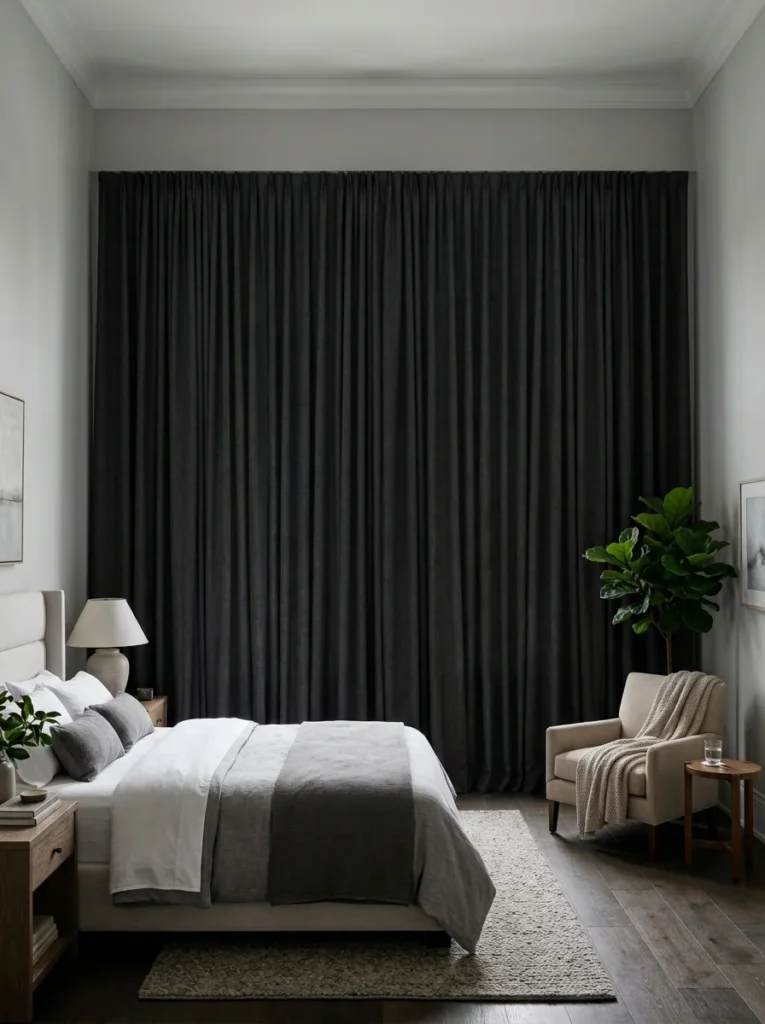
Mount curtains to cover the full height, floor to ceiling if possible
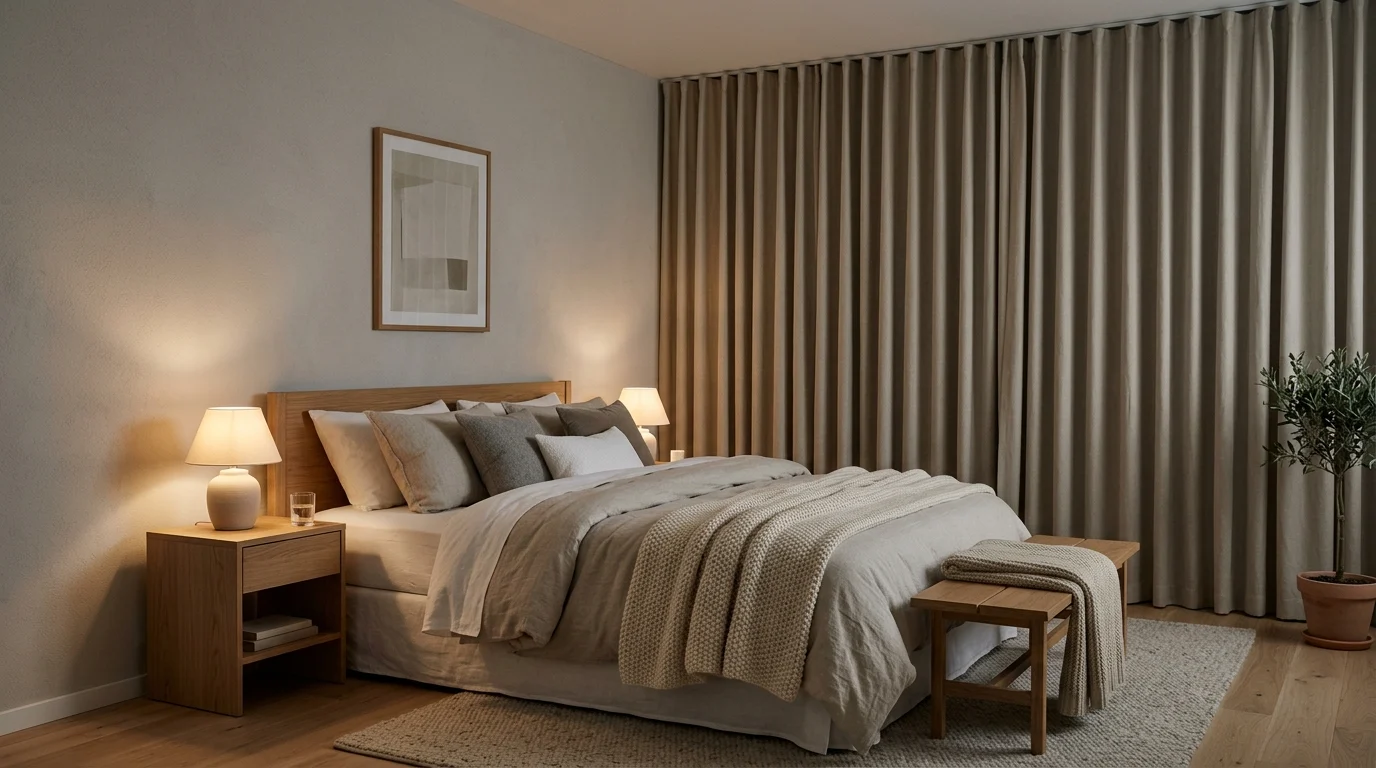
Similar to width, curtains that stop short of the floor or start well below the ceiling leave gaps at the top and bottom where light can enter, particularly noticeable with early morning sun angling in from below the horizon. Mounting the curtain rod as close to the ceiling as practically possible, and choosing curtain panels long enough to just graze or slightly pool on the floor, minimizes these vertical gaps considerably more effectively than curtains sized to end awkwardly partway down the wall or several inches above the floor.
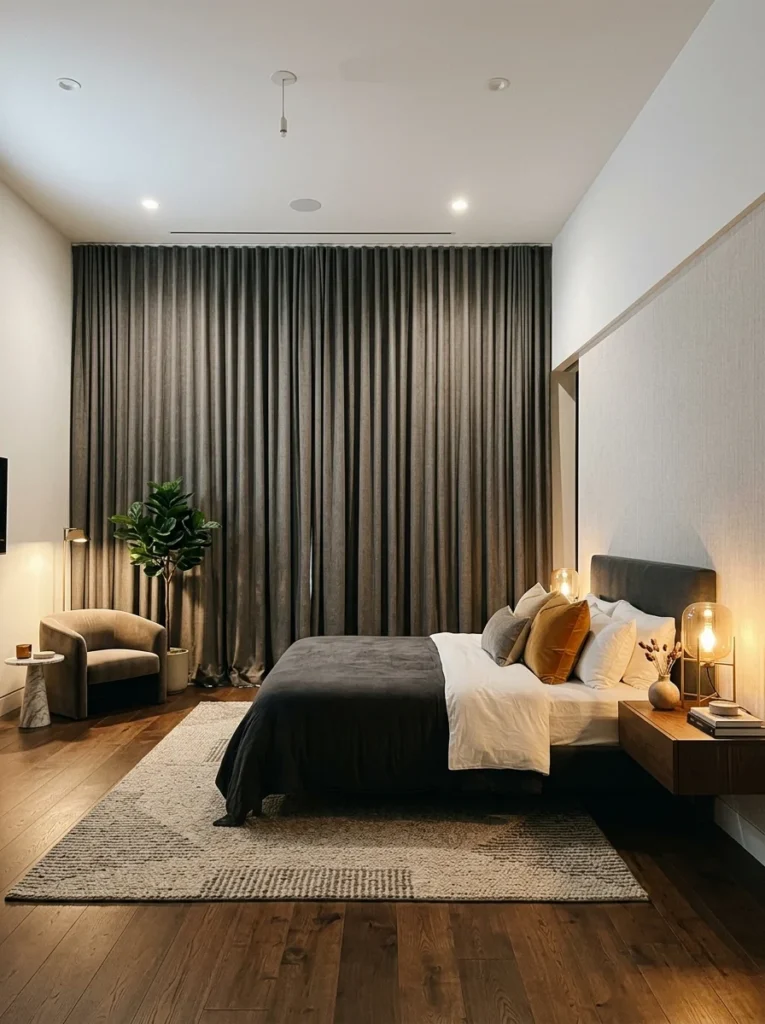
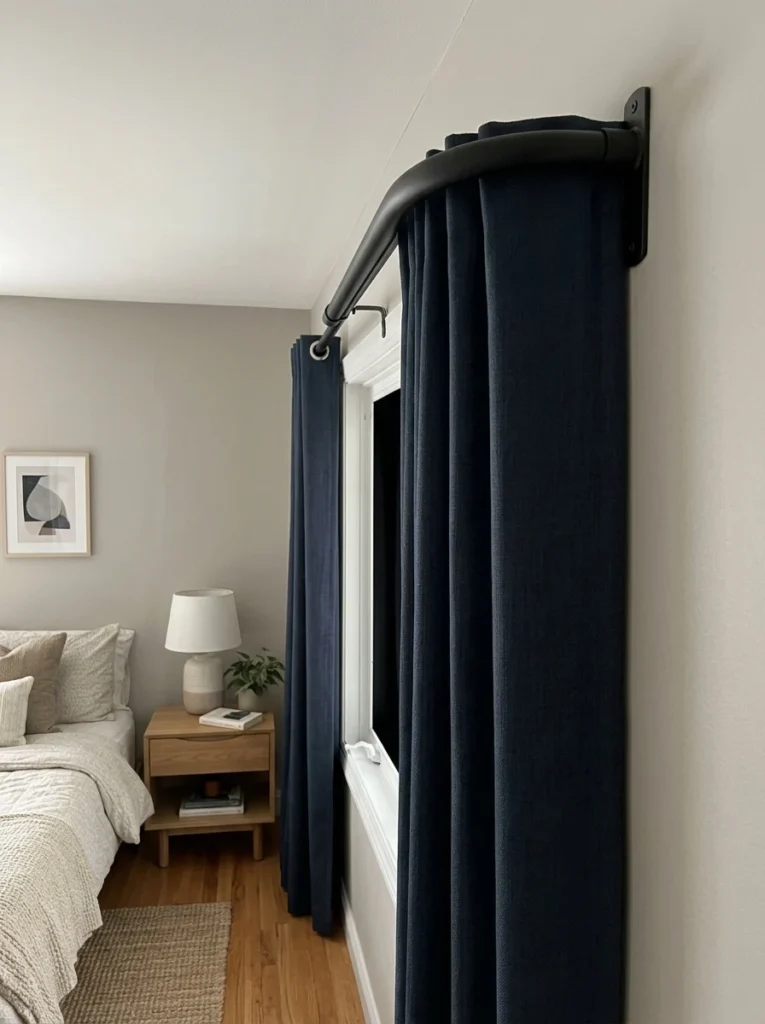
Consider a wraparound or French return rod for the sides
A standard straight curtain rod still allows a sliver of light to escape at the sides where the curtain fabric meets the wall at an angle rather than sitting flush against it. A wraparound or French return rod, which curves the last few inches of the rod back toward the wall, allows the curtain fabric to sit closer to flush against the wall surface, significantly reducing this particular type of side light leak that a standard straight rod doesn’t fully address, even with generously oversized curtain panels.
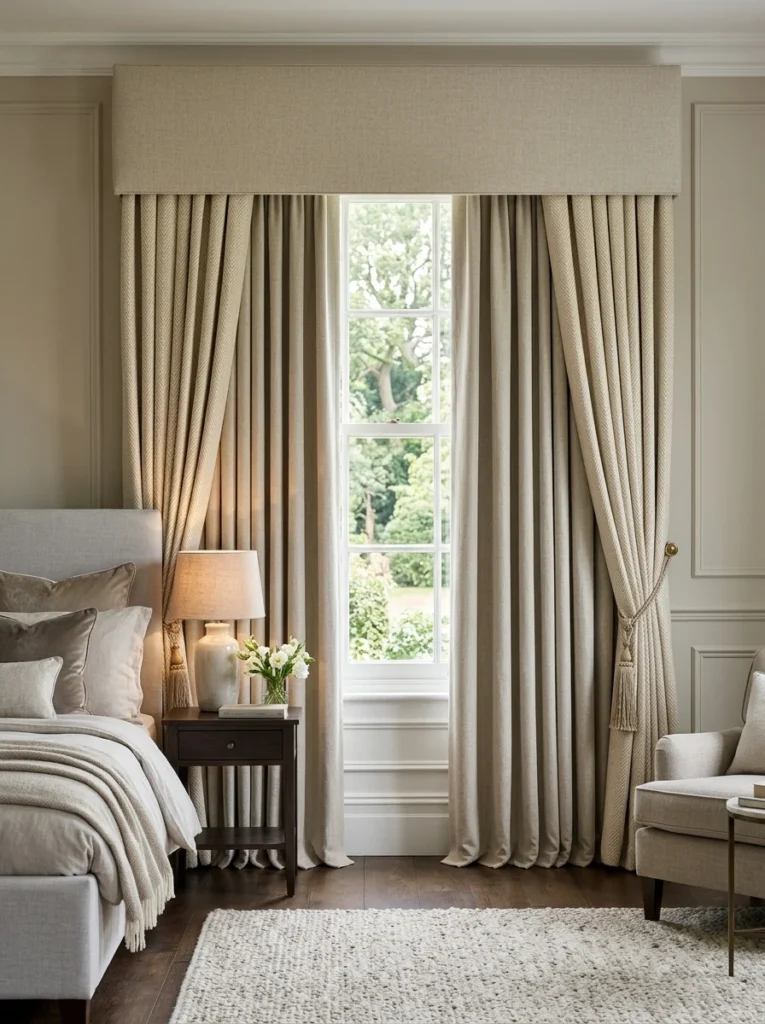
Layer blackout curtains with a valance or side panel for extra coverage
For particularly stubborn light leaks, especially from a very bright streetlight or a room with an unusually bright neighboring source, adding a fabric valance across the top of the curtain rod, or a fixed side panel along the curtain’s edges, provides an additional physical barrier against the small amount of light that even well-sized blackout curtains and hardware sometimes still allow to filter through. This is generally more of an advanced or targeted solution for rooms genuinely struggling with excess outside light rather than a standard requirement for every blackout curtain installation.
Think about thermal and sound benefits alongside light blocking
Many blackout curtains, due to their dense, layered construction, also offer meaningful thermal insulation, helping keep a room cooler in summer and warmer in winter by blocking some heat transfer through the window, along with modest sound dampening benefits from street noise or other outside sounds. If these secondary benefits matter to you beyond just light blocking, checking a curtain’s specific thermal and sound ratings, sometimes noted on product packaging or listings, helps identify options that perform particularly well in these additional areas rather than assuming all blackout curtains offer identical secondary benefits.
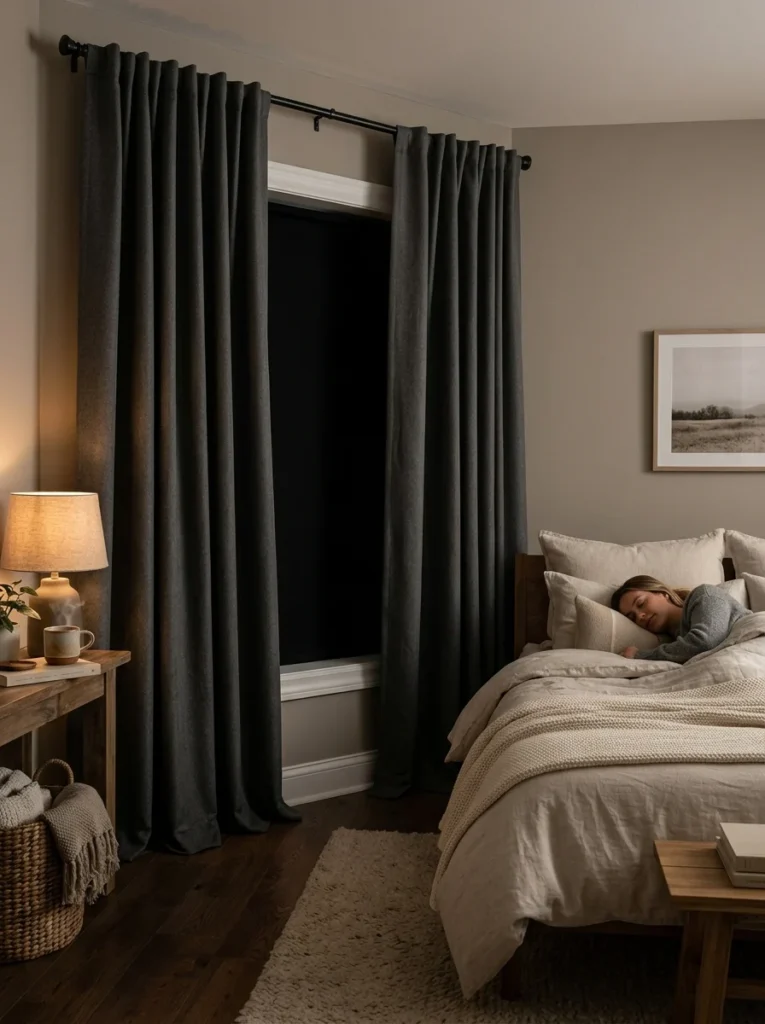
Choose a fabric and color that still fits your room’s style
Blackout construction no longer limits color and pattern options the way it once did; blackout curtains are now widely available in a broad range of colors, patterns, and even lighter-appearing fabrics with the blackout lining hidden on the reverse side. Choosing a color and style that fits your room’s existing design, rather than assuming blackout automatically means a heavy, dark, dated-looking curtain, means you don’t have to sacrifice style for genuinely effective light blocking.

Factor in ease of care and maintenance
Blackout curtains, due to their denser construction, sometimes require different care than lighter, standard curtains, machine washing may not be recommended for certain foam-backed constructions, while others are fully machine washable. Checking the specific care instructions before purchasing, particularly if you prefer curtains you can easily wash at home rather than needing dry cleaning, avoids an unwelcome surprise the first time the curtains need cleaning, especially since a foam-backed panel that shrinks or warps after an incorrect wash can compromise the very light-blocking fit you carefully sized in the first place.
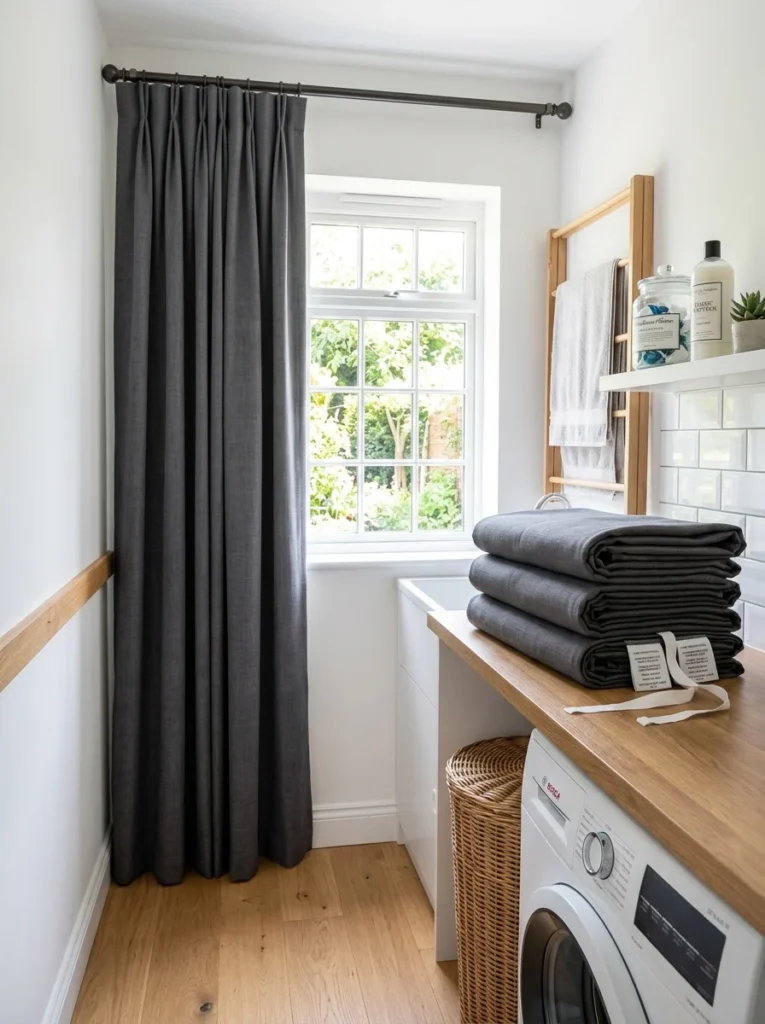
Mount the rod high above the window frame, not directly on it
Beyond simply extending the rod’s width, positioning it several inches above the top of the window frame, rather than mounted directly onto the frame itself, allows the curtain panel to fully cover the top of the window without a visible gap where morning light can creep in above the frame line. This higher mounting also has the visual side benefit of making the window appear taller and the ceiling feel higher, which is a common styling trick independent of the blackout function, but it serves a genuinely practical purpose here in eliminating one more potential light leak at the top of the window.
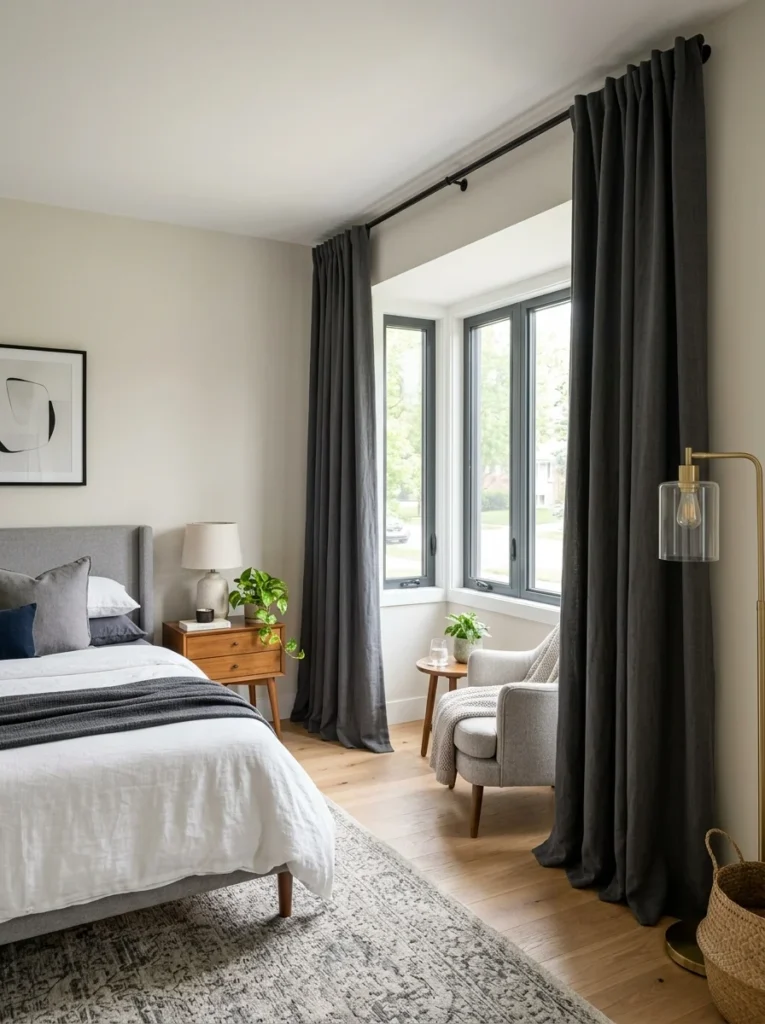
Combine blackout curtains with blinds or shades for maximum darkness
For rooms dealing with particularly intense outside light, a nearby streetlight, an unusually bright neighboring property, or a bedroom that also needs to function well for daytime sleep, such as for shift workers, layering blackout curtains over a set of well-fitted blinds or cellular shades mounted inside the window frame adds a second barrier that closes off any light still finding its way around the curtain’s edges. This combination approach costs more than curtains alone but offers meaningfully better light control for anyone whose sleep schedule or window situation makes standard blackout curtains alone insufficient.
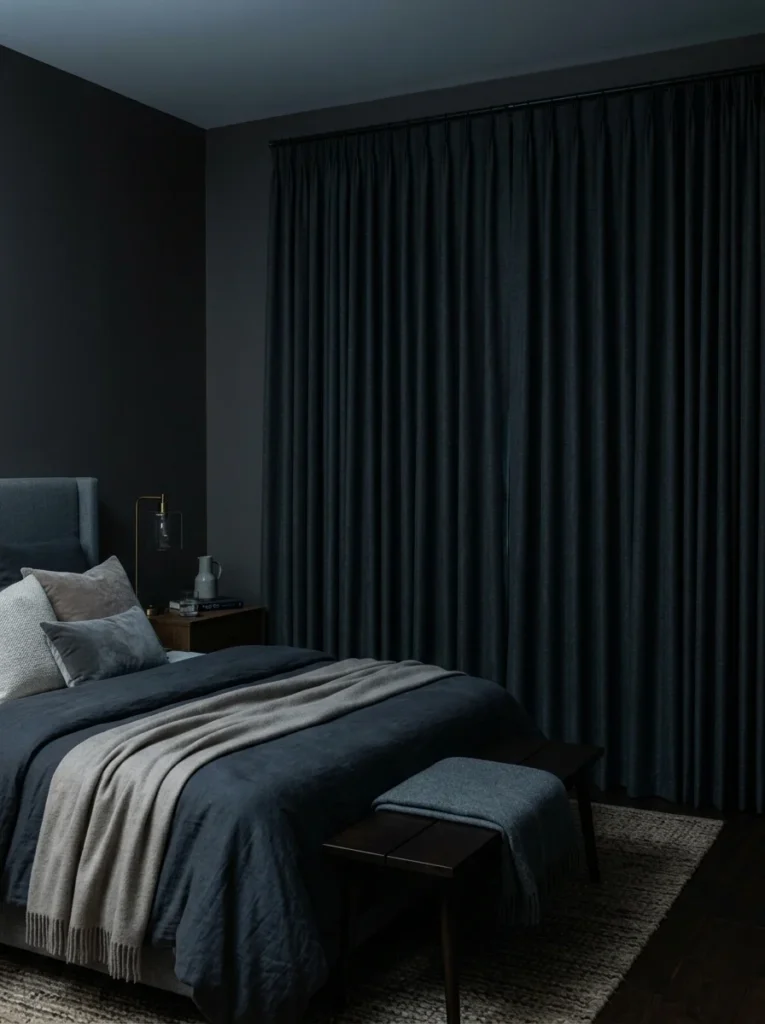
Do blackout curtains really block all light?
Quality blackout curtains typically block around ninety-nine percent of light passing directly through the fabric, though total room darkness also depends heavily on proper sizing and installation, since gaps around the edges of undersized curtains can still let in noticeable light regardless of the fabric’s own effectiveness.
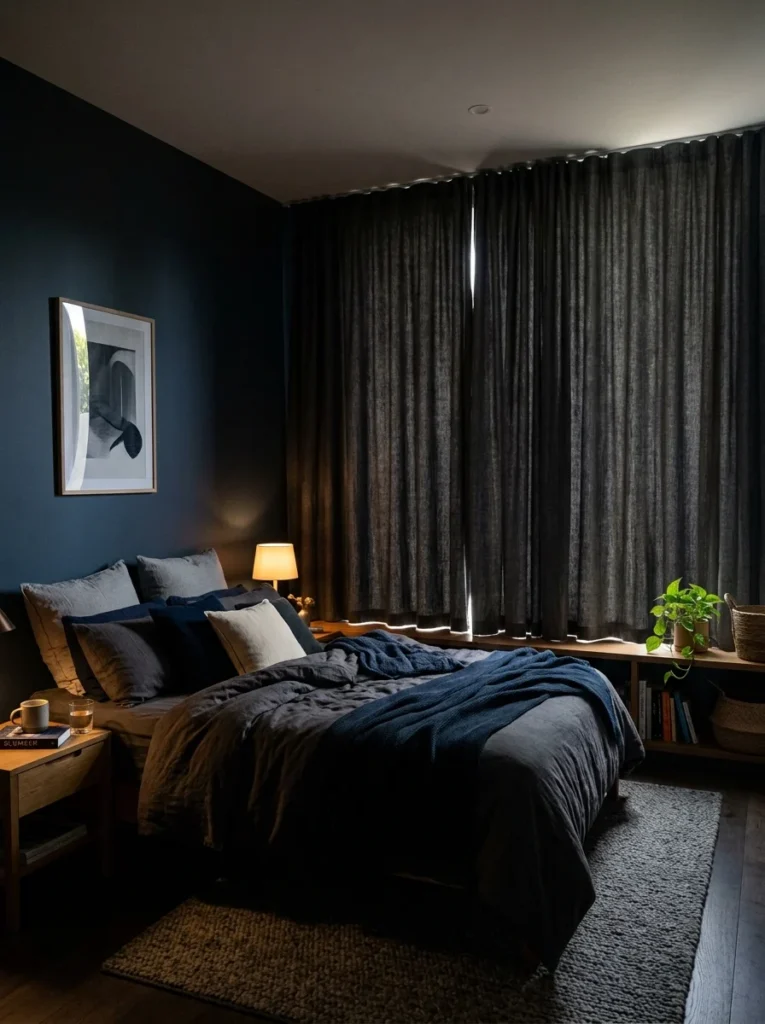
How much wider than my window should blackout curtains be?
Curtain panels and the rod itself should generally extend at least four to six inches beyond each side of the window frame, with panels ideally overlapping slightly in the middle when closed, to minimize light gaps at the sides.
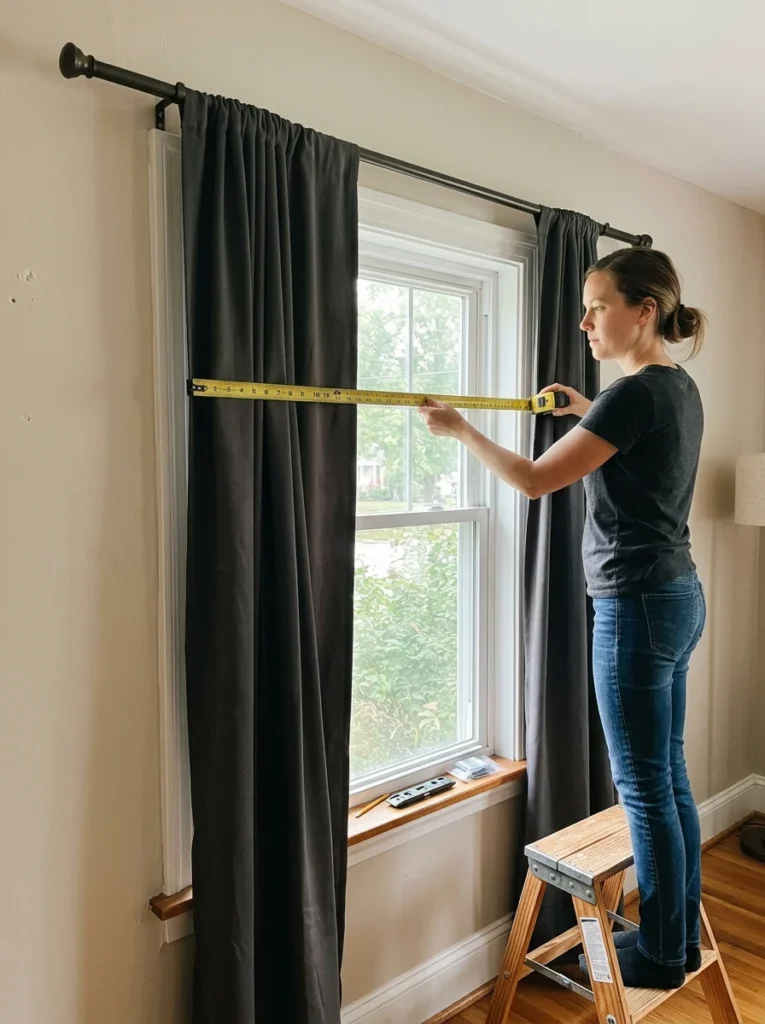
What’s the difference between blackout fabric and a blackout liner?
Blackout fabric has the light-blocking construction built directly into a single curtain panel, typically through a triple-weave and foam or acrylic backing, while a blackout liner is a separate, often detachable layer hung behind a standard decorative curtain, allowing more flexibility in the visible fabric’s color and pattern.
Can blackout curtains help with anything besides sleep?
Yes, many blackout curtains also provide meaningful thermal insulation, helping regulate room temperature, along with some sound dampening from outside noise, due to their generally denser, layered fabric construction compared to standard lightweight curtains.

Should I combine blackout curtains with blinds for a darker room?
For rooms with particularly intense outside light or for those needing daytime darkness, such as shift workers, layering blackout curtains over well-fitted blinds or cellular shades adds a second barrier against light finding its way around the curtain’s edges, offering meaningfully better control than curtains alone.
Genuinely effective blackout curtains for better sleep come down to more than just the fabric’s blackout rating; proper sizing well beyond the window frame, full-height coverage, and thoughtful hardware choices like a wraparound rod all matter just as much as the material itself in actually achieving a dark, sleep-friendly room. A technically correct blackout fabric, undersized or poorly mounted, still leaves the light gaps that undermine the entire point of choosing blackout curtains in the first place.
My own bedroom, once plagued by that persistent strip of streetlight across the ceiling, is now genuinely, reliably dark once the properly sized curtains are drawn, and the difference in how quickly I fall asleep has been noticeable ever since making that change. If you’re shopping for your own blackout curtains, measure your window’s width and height first, then size up generously beyond those numbers; that single decision will likely matter more to your actual sleep quality than any other choice on this list.