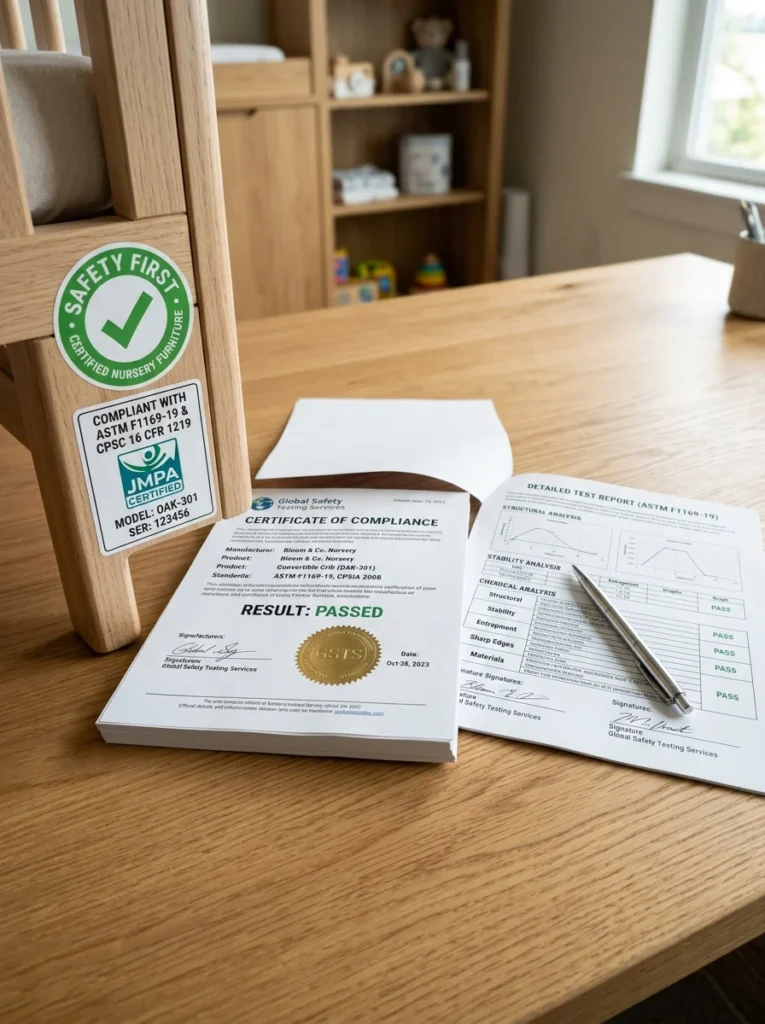
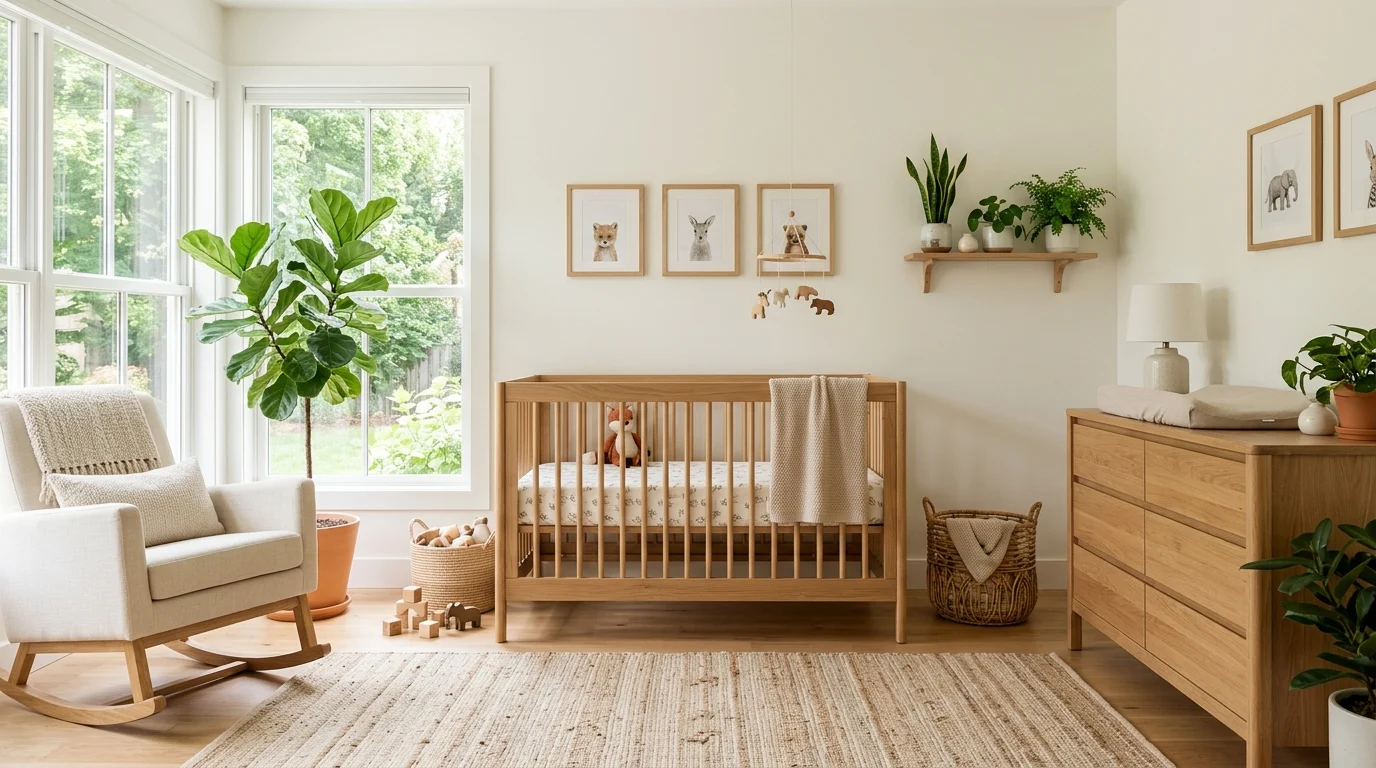
When I started shopping for our nursery furniture, I genuinely assumed any product marketed and sold for babies must already meet whatever safety standard mattered most, only to discover after some actual research that terms like non-toxic aren’t always regulated as strictly or consistently as I’d assumed, and that meaningful differences exist between products depending on their specific certifications, materials, and manufacturing processes. That research changed how I actually evaluated our options, moving well beyond simply trusting a general nursery-marketed label toward checking specific certifications and material information directly.
Choosing genuinely lower-toxicity paint and furniture for a nursery involves understanding a few specific things to look for, rather than relying purely on general marketing language. Here’s what actually matters.
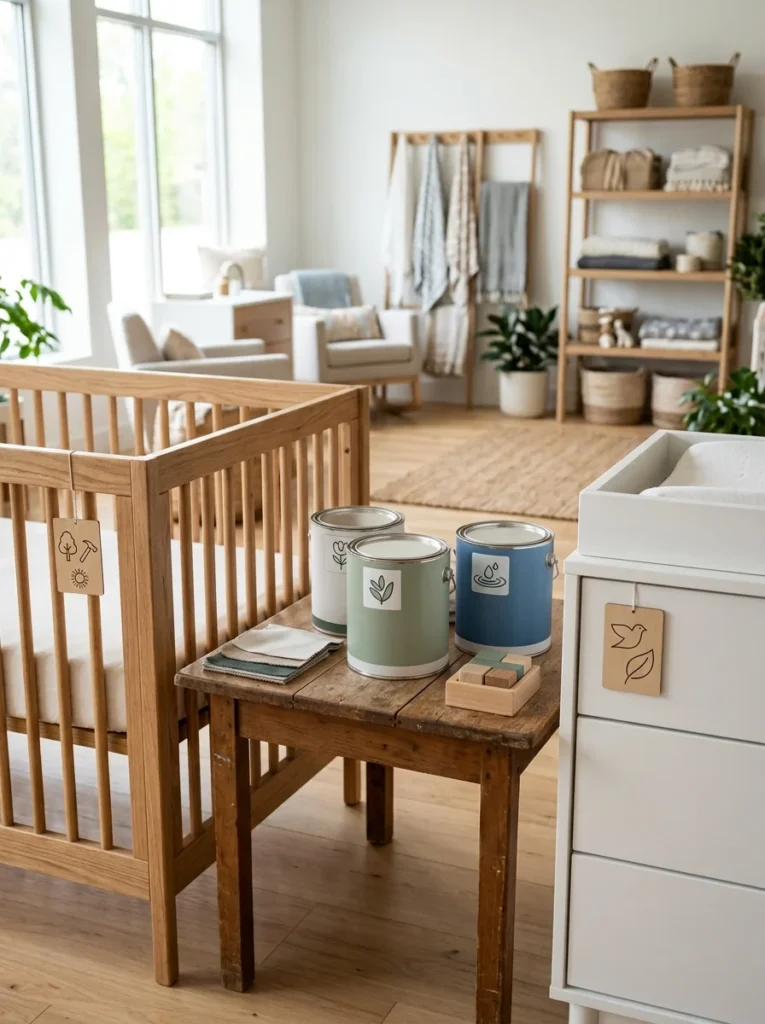
Understand what low-VOC and zero-VOC paint actually means
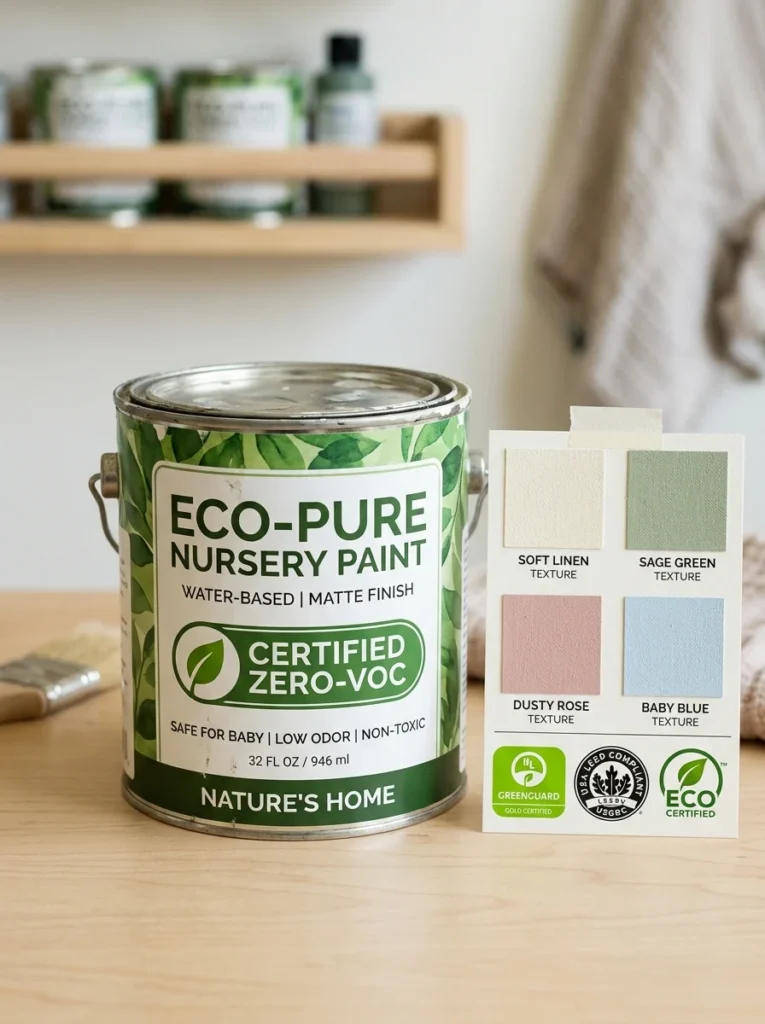
Volatile organic compounds, released by many traditional paints during and after application, can affect indoor air quality, and low-VOC or zero-VOC paint formulations are specifically designed to reduce or eliminate these emissions. Look for paint that’s specifically certified low-VOC or zero-VOC by a recognized testing standard rather than paint simply marketed with vague, unverified environmental language, since the specific certification is what actually confirms the reduced emissions claim rather than general marketing wording alone.
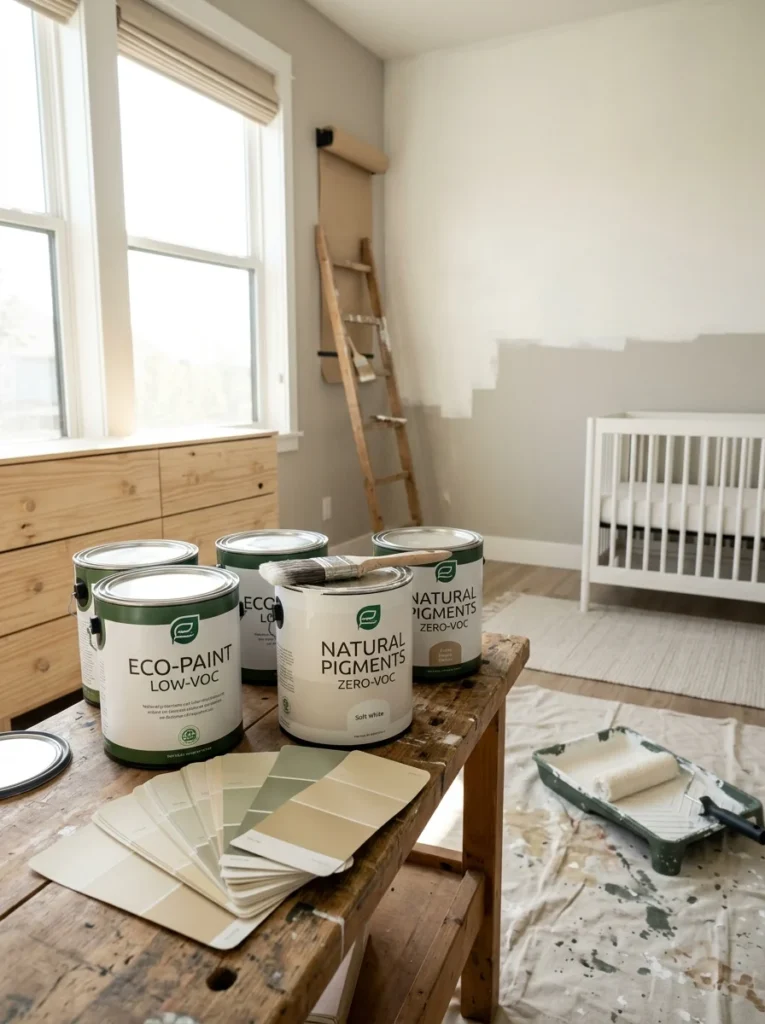
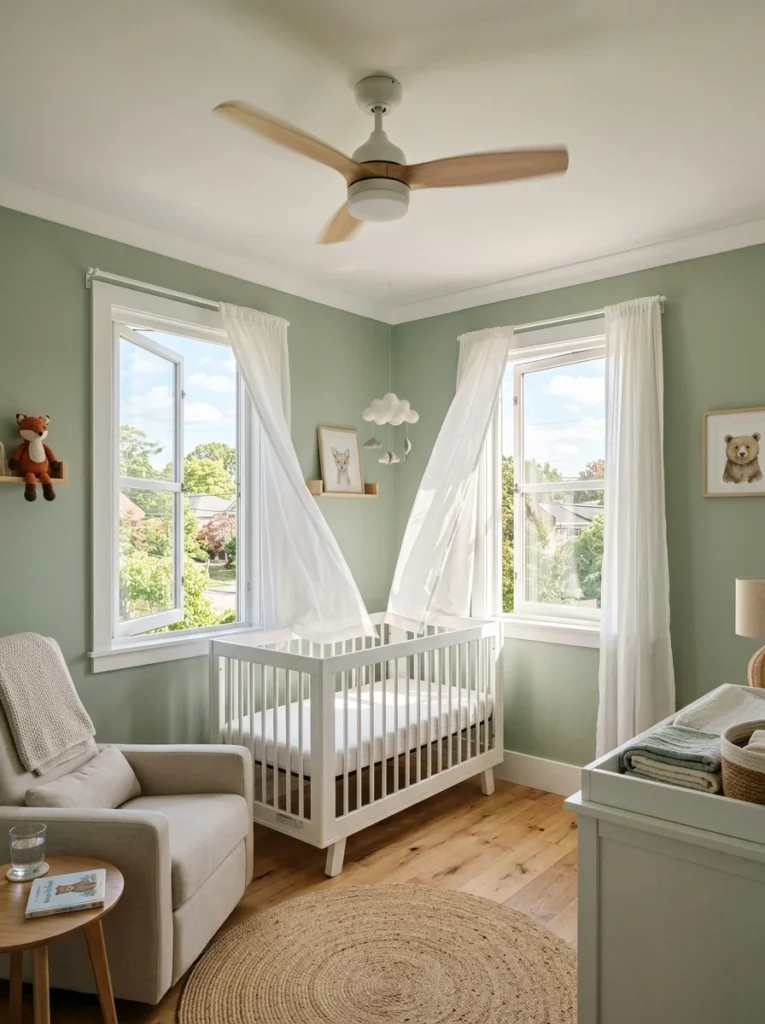
Allow adequate ventilation and curing time even with low-VOC paint
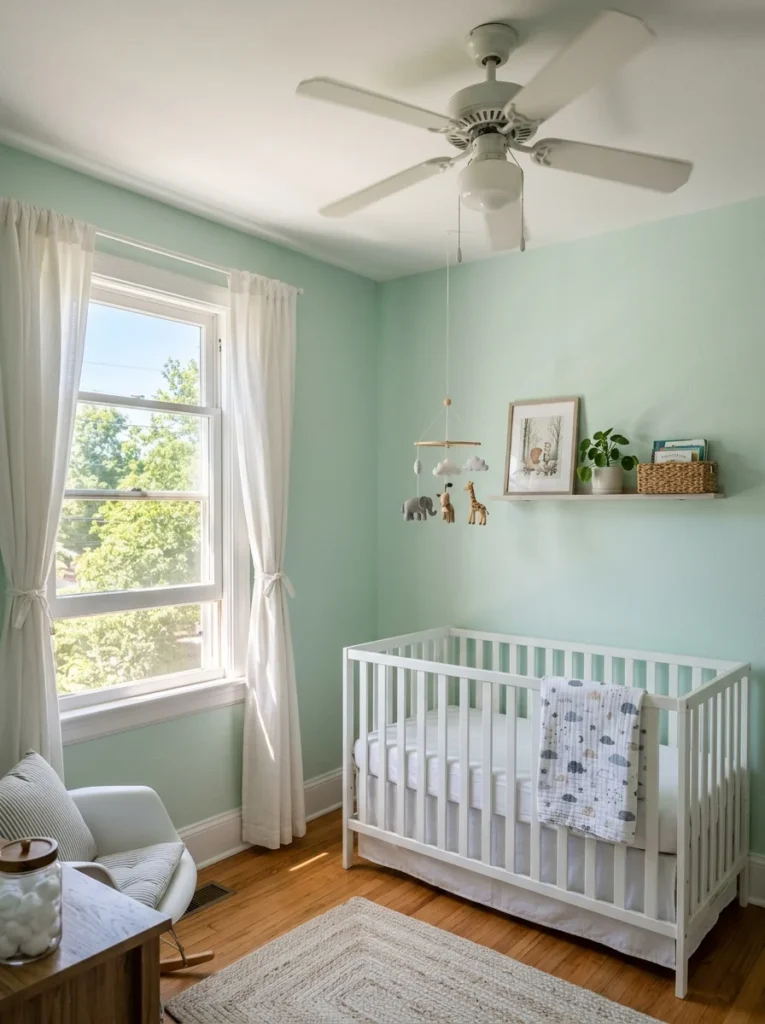
Even genuinely low-VOC paint benefits from proper ventilation during application and adequate time to cure fully before the room is used regularly, since emissions, even at reduced levels, are typically highest during the initial application and drying period. Painting a nursery well in advance of a baby’s expected arrival, rather than immediately before, gives the room adequate time for any residual emissions to dissipate fully before the space sees regular use.
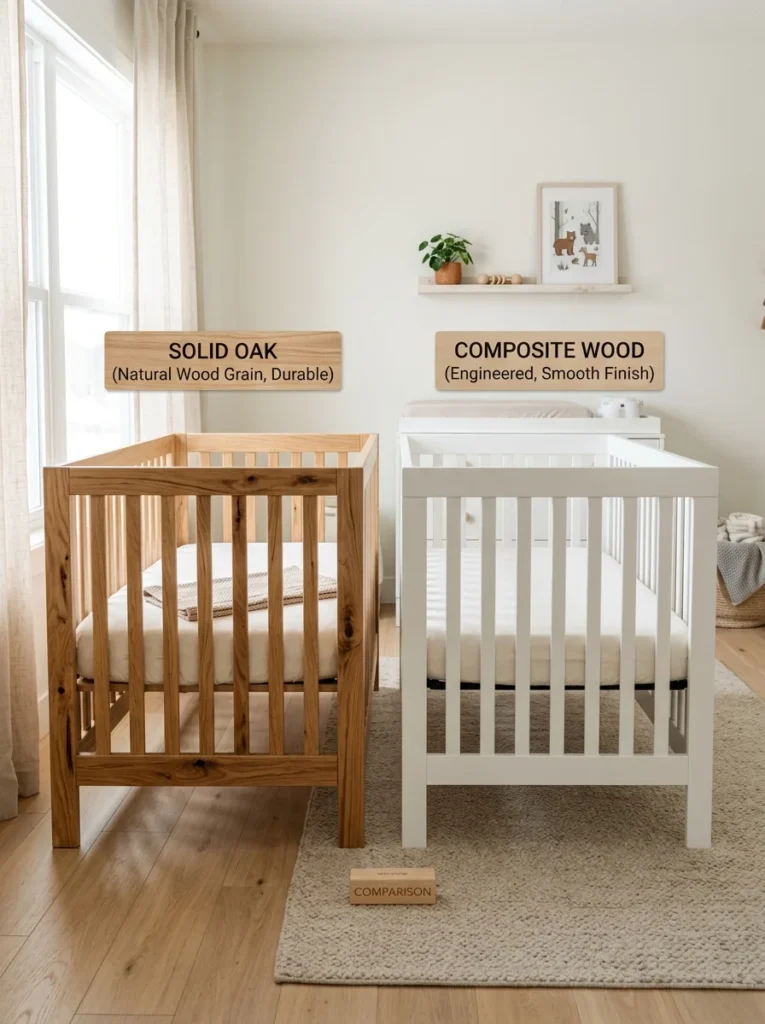
Look for solid wood furniture over particleboard or composite materials where possible
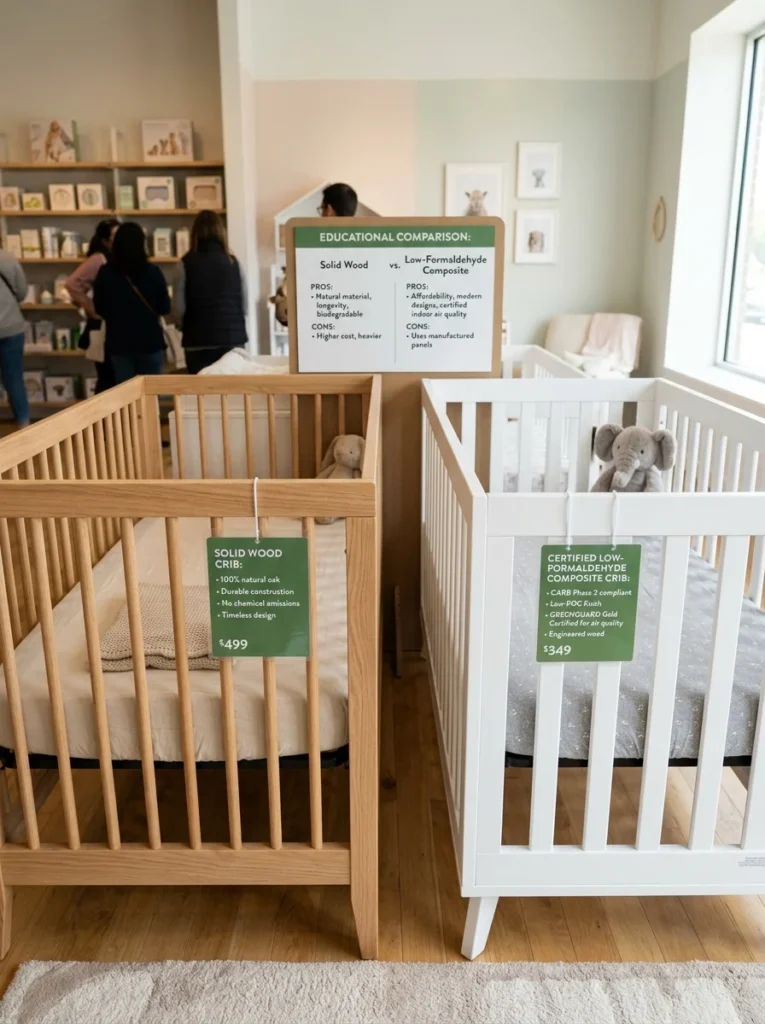
Solid wood furniture generally involves fewer added adhesives and resins than particleboard or composite wood products, some of which can contain formaldehyde-based adhesives that off-gas over time. While solid wood furniture often costs more, it also tends to be more durable, and for budget-conscious families, checking that any particleboard or composite furniture is specifically certified to meet low-formaldehyde emission standards offers a middle-ground option between full solid wood and completely uncertified composite materials.
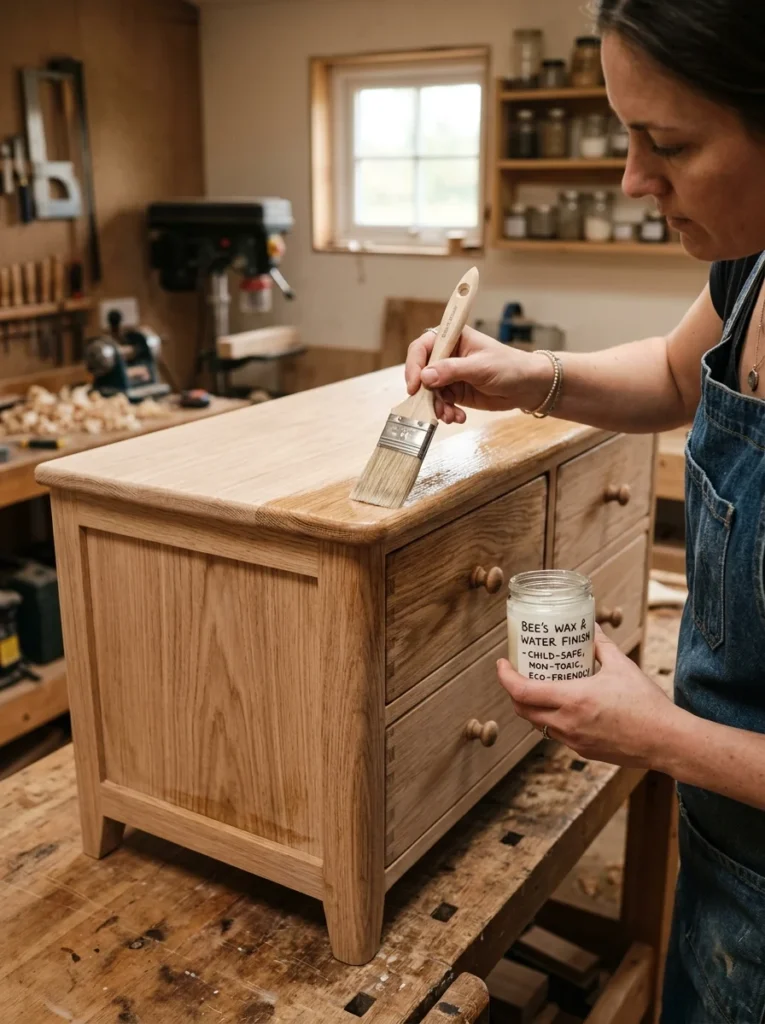
Check for furniture finishes free of harmful chemical treatments
Beyond the base material, the finish applied to nursery furniture, paint, stain, or a protective sealant, should ideally be free of harmful chemical treatments, water-based rather than solvent-based finishes generally involve fewer volatile emissions, and specifically child-safe certified finishes provide additional assurance beyond a manufacturer’s general marketing claims about safety.
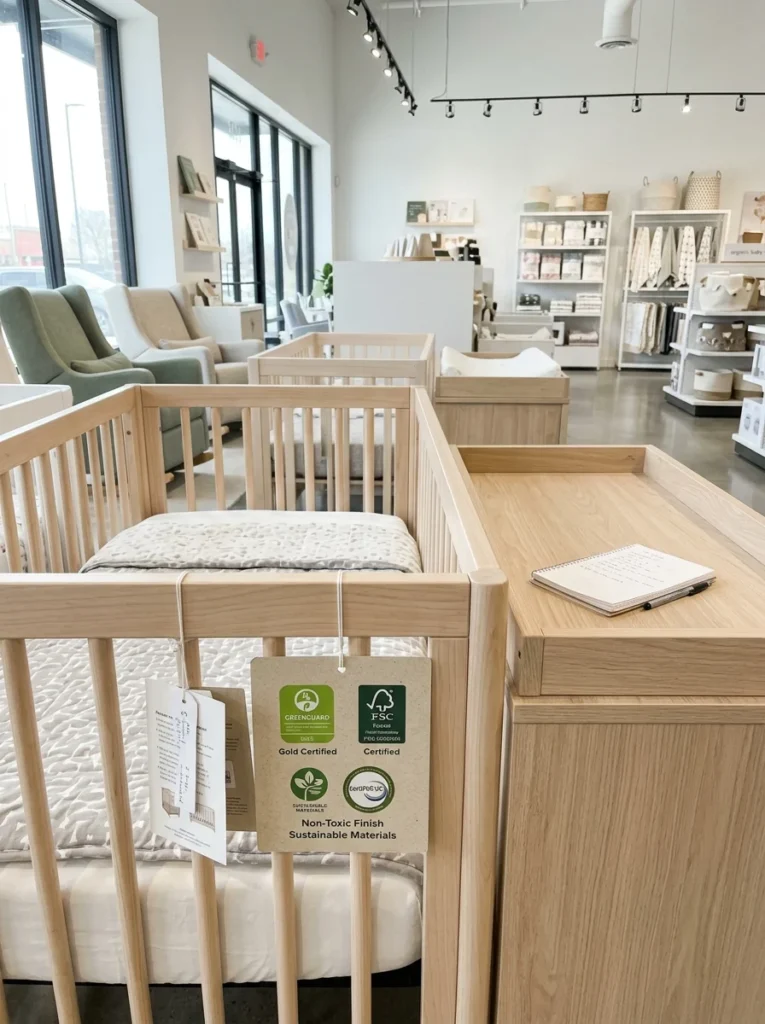
Research specific safety certifications rather than relying on vague labels
Look for furniture and paint products carrying recognized, specific safety or environmental certifications rather than general terms like eco-friendly or natural, which aren’t independently verified or standardized in the same way a specific certification is. Taking a few extra minutes to research what a given certification actually verifies, rather than assuming any positive-sounding label guarantees genuine safety, helps ensure your actual purchasing decisions are based on verified information rather than marketing language alone.
Consider secondhand furniture with appropriate caution
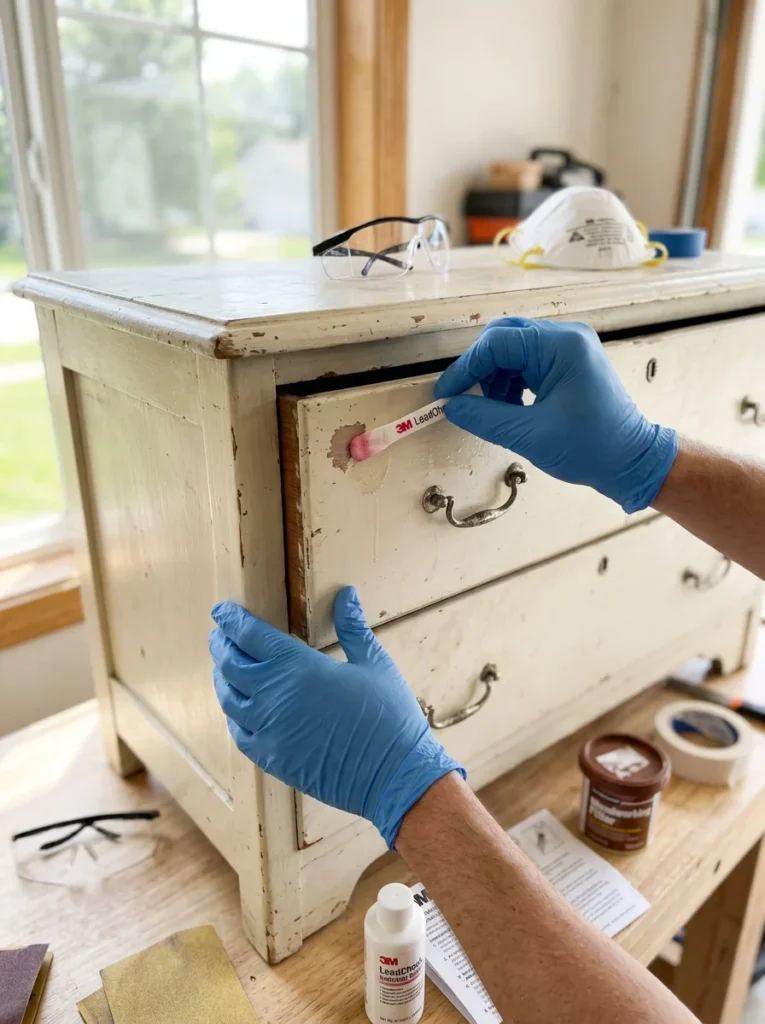
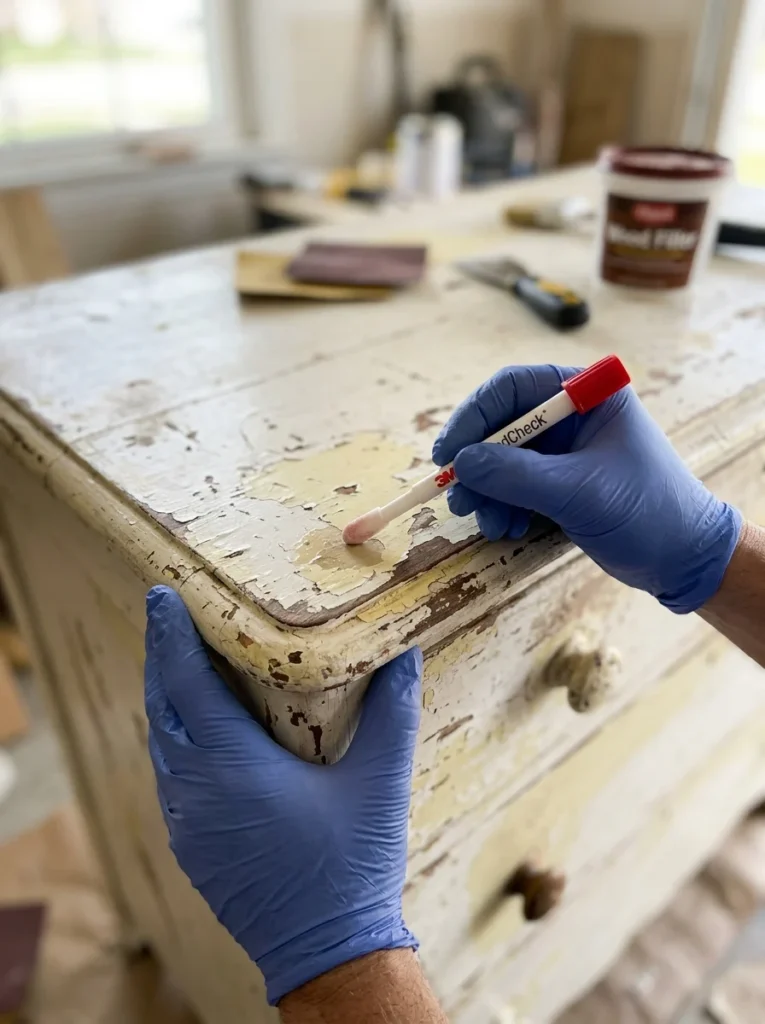
Older secondhand furniture may have been finished with paints or treatments that predate current safety standards, including potential lead-based paint on furniture manufactured before more recent regulations took effect. If choosing secondhand furniture, testing older painted pieces for lead content, using an inexpensive testing kit, and considering refinishing older pieces with a certified low-VOC paint or sealant addresses this concern directly rather than assuming an older piece is automatically safe simply because it’s structurally sound.
Choose bedding and textiles with similar care
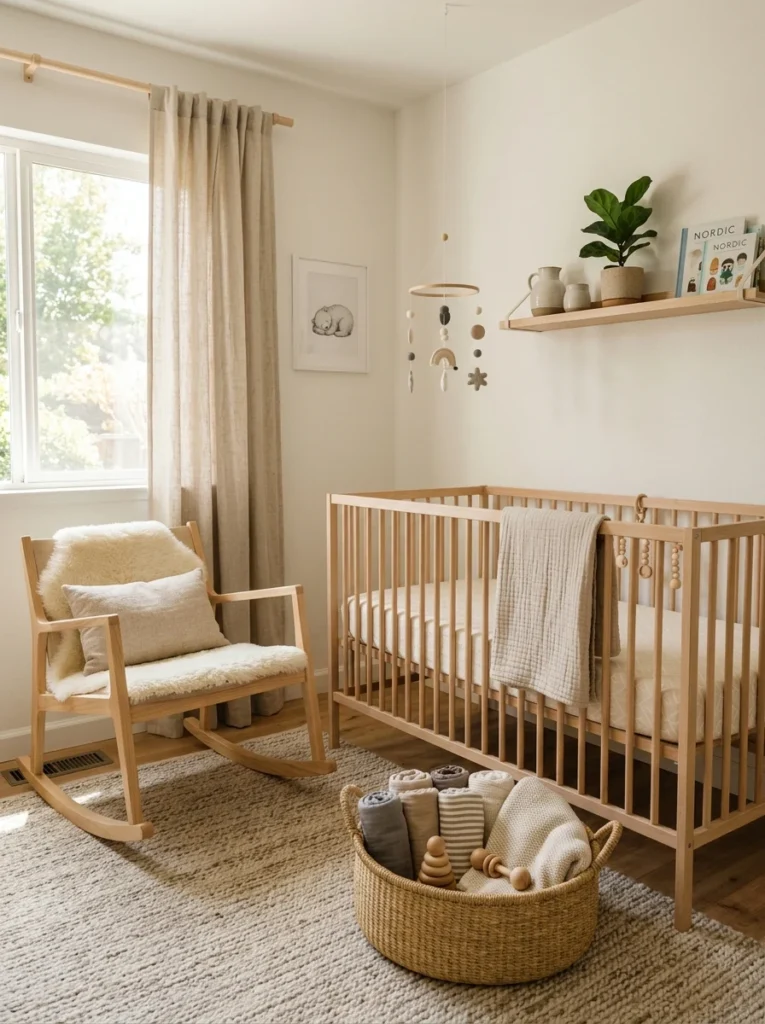
Beyond furniture and paint, nursery bedding, curtains, and rugs can also carry chemical treatments, particularly flame-retardant treatments on certain textiles, worth researching specifically if minimizing chemical exposure is a priority. Organic cotton or other natural fiber textiles, ideally with a specific relevant certification, offer an alternative to conventionally treated textiles for parents specifically prioritizing this consideration.
Air out new furniture and textiles before bringing them into regular use
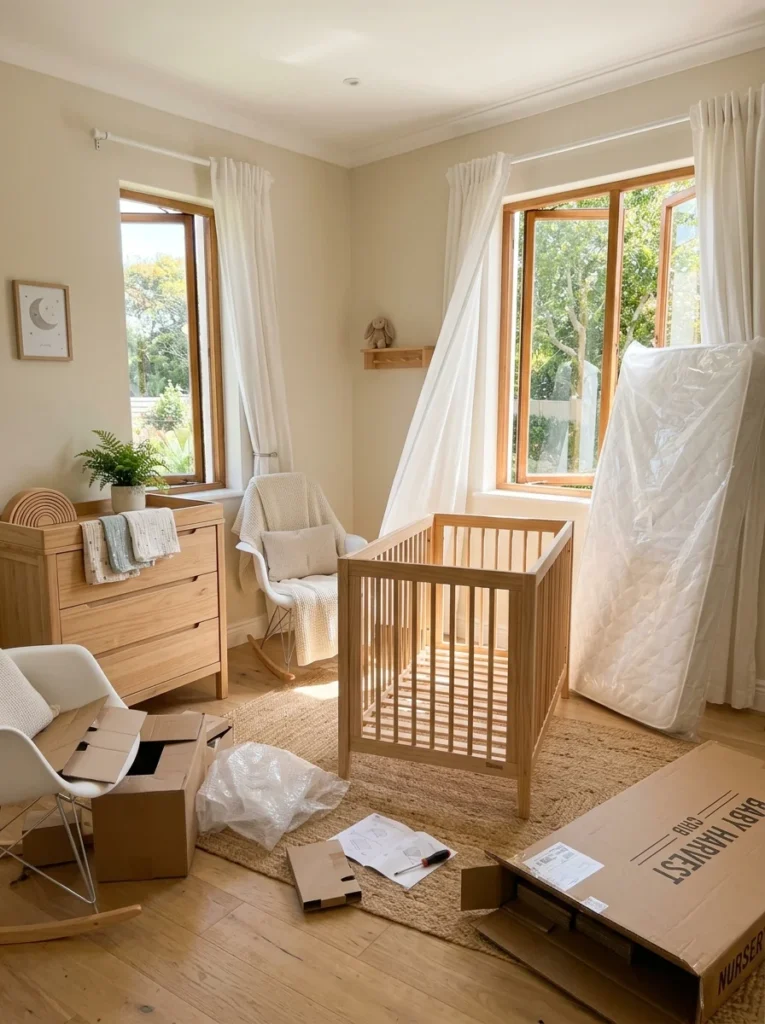
New furniture and textiles, even those meeting lower-toxicity standards, can benefit from being unpackaged and aired out in a well-ventilated space for a period before being used in the nursery regularly, since even certified low-emission products may have some initial off-gassing immediately after manufacturing and packaging that diminishes with time and airflow.
Balance genuine safety priorities against perfect, unattainable purity
It’s worth maintaining reasonable perspective throughout this process; achieving an absolutely zero-emission, entirely chemical-free nursery isn’t a realistic or necessary standard to hold yourself to, and reasonable, well-researched choices, low-VOC paint, solid wood or certified composite furniture, adequate ventilation, address the genuinely more significant considerations without requiring an impossible standard of complete purity that isn’t achievable or necessary in a typical home environment.
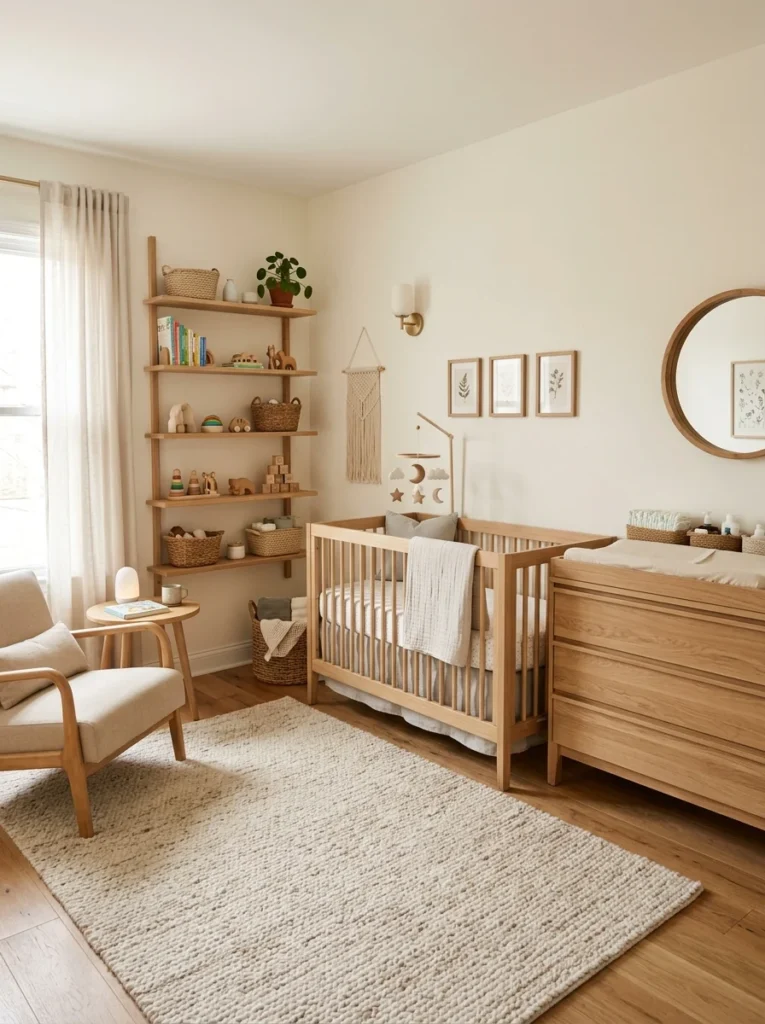
Research brands with a genuine track record of transparency
Beyond individual product certifications, researching whether a specific furniture or paint brand has a consistent track record of transparency about their materials and manufacturing processes, rather than vague or evasive answers when asked directly, provides additional confidence beyond what a single product’s certification alone can offer, similar to researching a crib manufacturer’s broader safety track record when making that specific purchase.
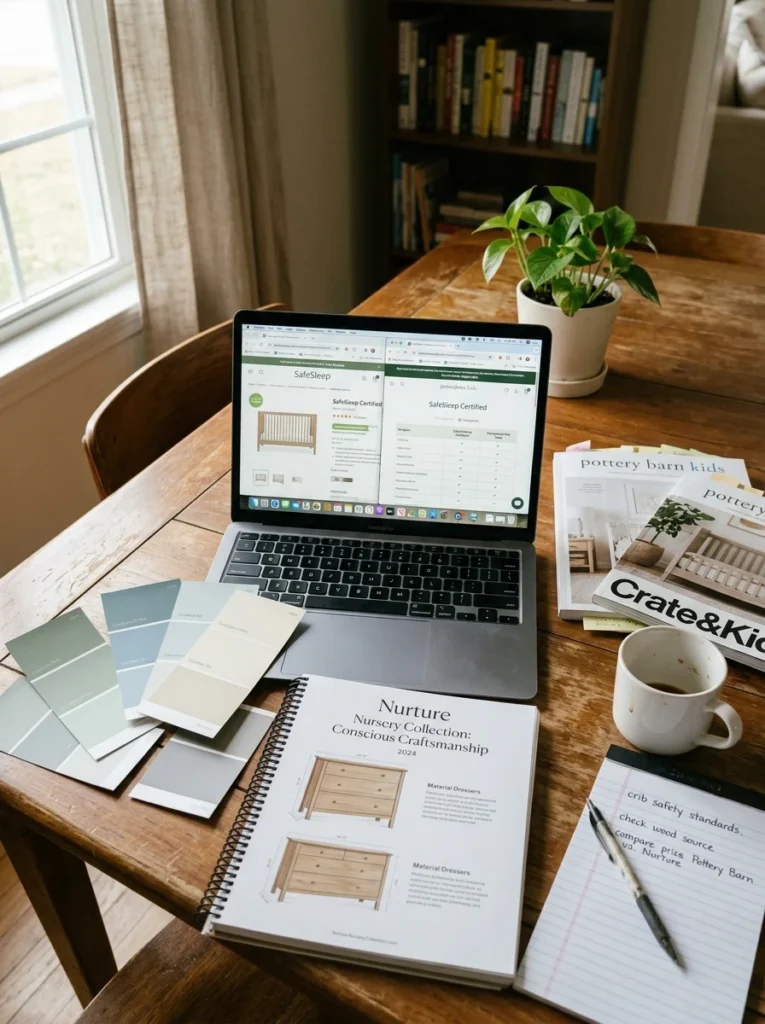
Consider mattress materials alongside furniture and paint
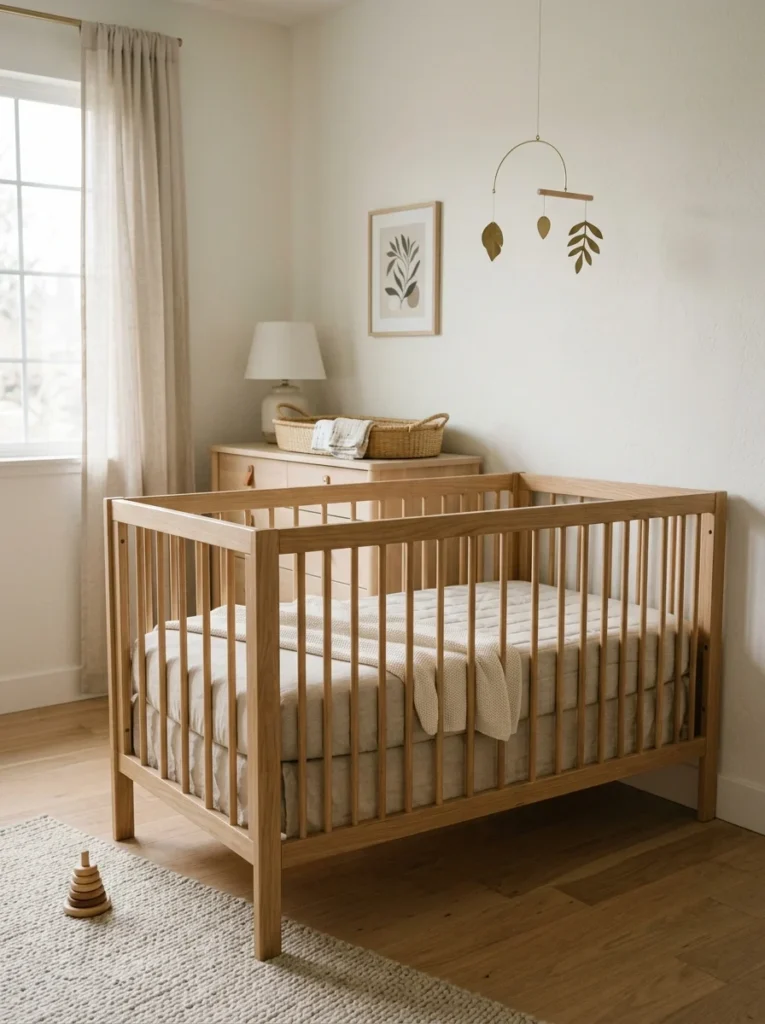
A crib mattress is a surface a baby spends enormous amounts of time in direct contact with, making its materials worth the same careful consideration as furniture and paint. Some crib mattresses use materials with fewer synthetic chemical treatments, and organic or natural material options exist for parents specifically prioritizing this consideration, though it’s worth confirming that any mattress choice, regardless of material, still meets current firmness and safety standards discussed in dedicated crib safety guidance, since firmness for safe sleep should never be compromised in favor of a specific material preference.
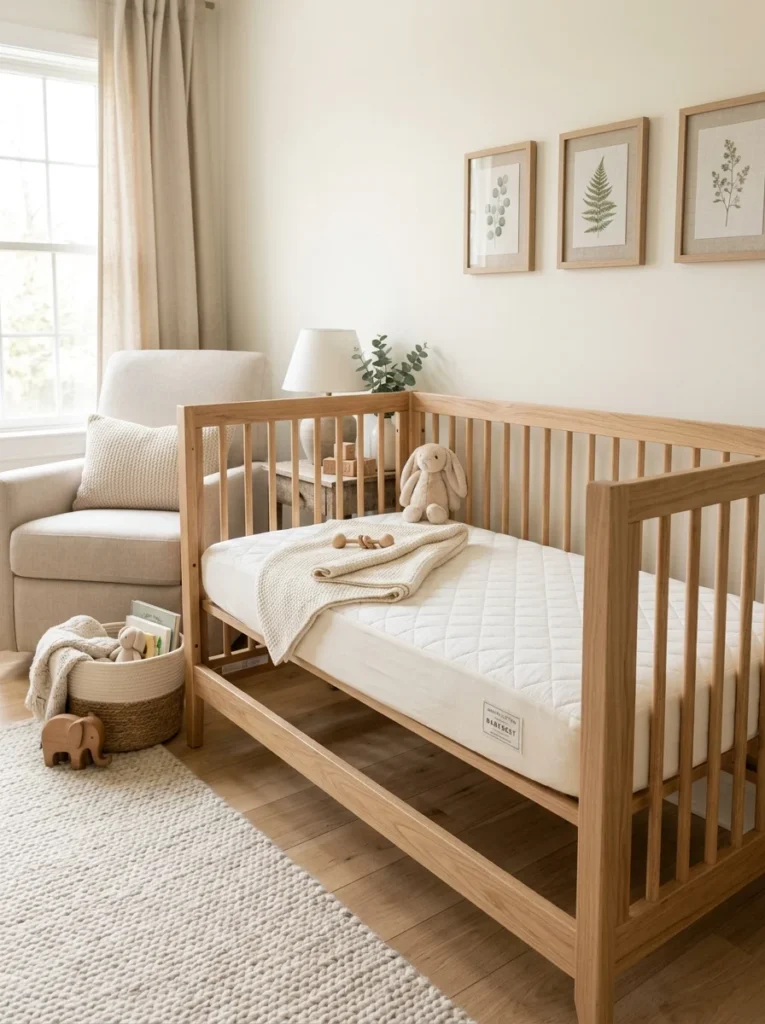
Think about flooring materials in addition to furniture and paint
If you’re installing new flooring in the nursery, certain flooring materials and their associated adhesives can also contribute to indoor air quality considerations, similar to paint and furniture finishes. Solid wood, certain natural fiber rugs, and specifically low-emission flooring products offer alternatives to materials with heavier chemical treatments, and allowing new flooring adequate time to off-gas and ventilate before regular use follows the same general principle already covered for paint and furniture.
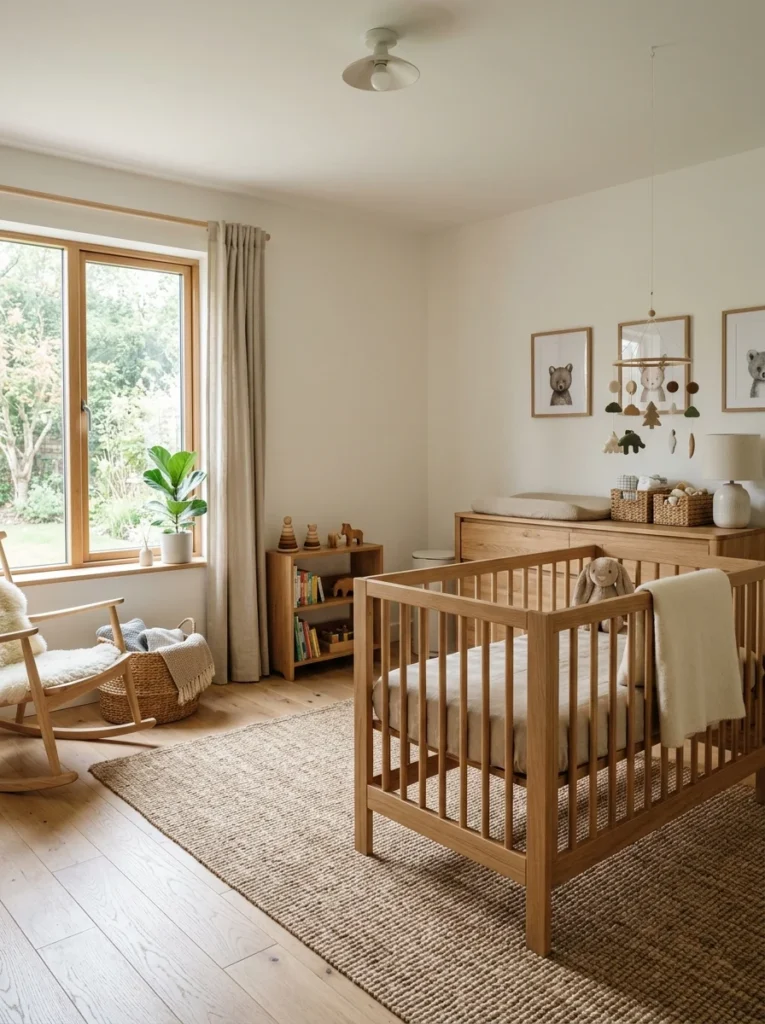
Don’t overlook cleaning products used regularly in the nursery
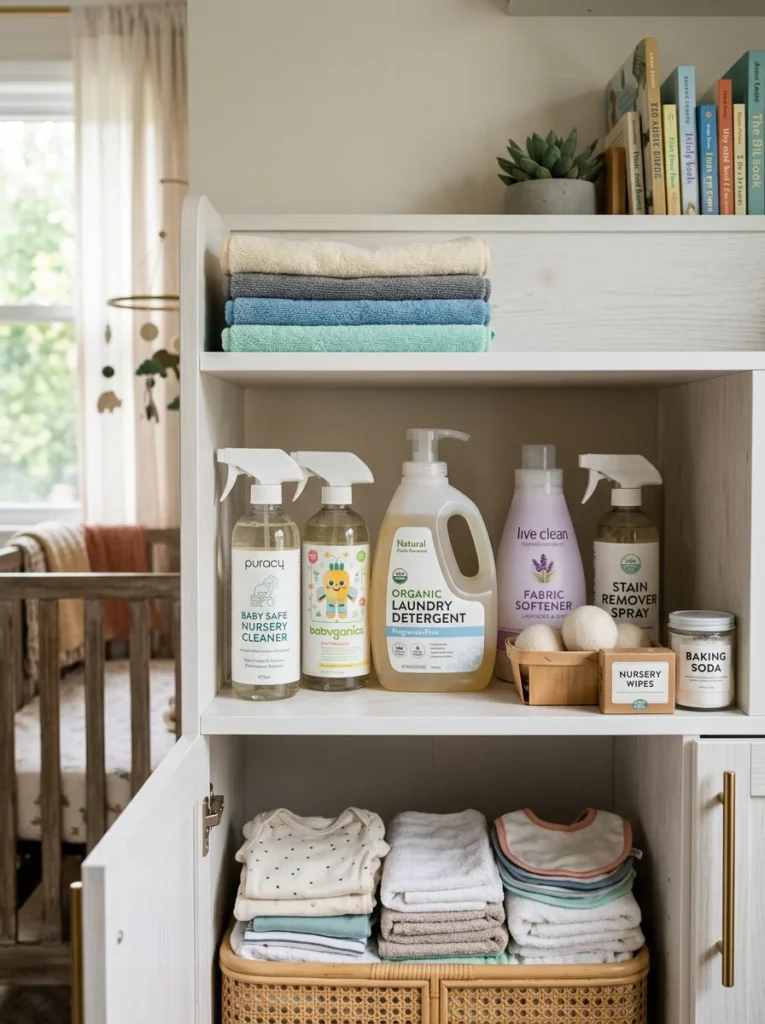
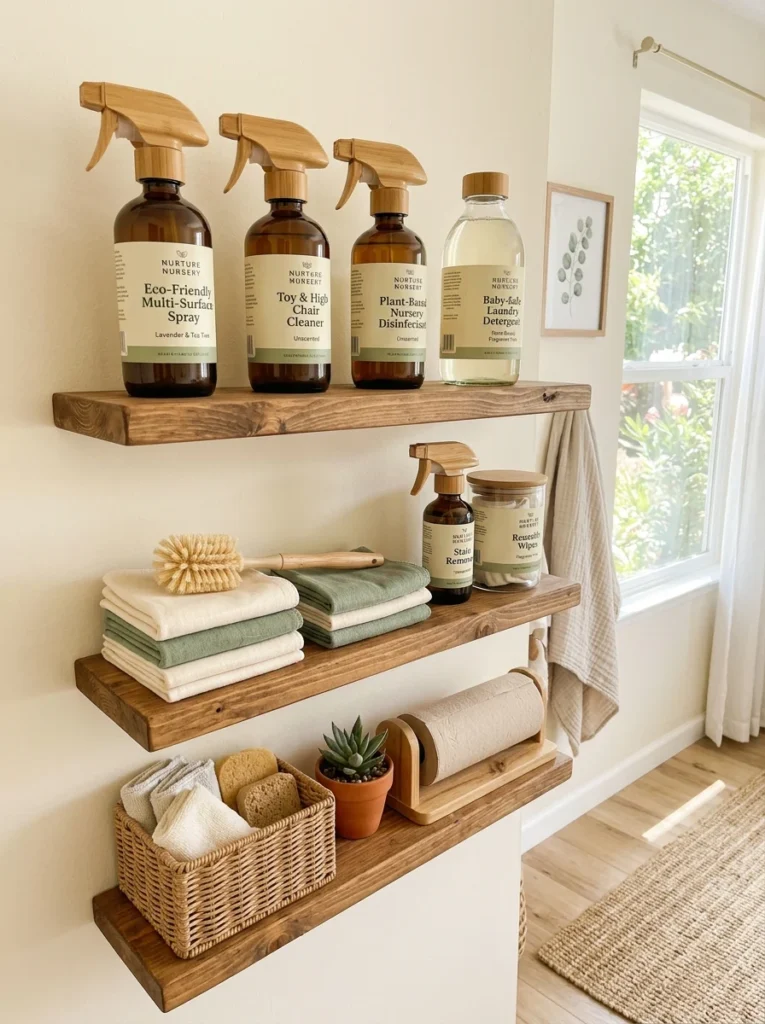
Beyond the room’s permanent materials, the cleaning products used regularly to maintain a nursery, wipes for surfaces, laundry detergent for bedding, general cleaning sprays, are worth the same consideration, since these products come into contact with the room and its contents on an ongoing basis rather than just during initial setup. Choosing products with simpler, more transparent ingredient lists, and specifically checking for any that might leave residue on surfaces a baby regularly touches or mouths, extends this broader safety consideration beyond the one-time furniture and paint decisions into ongoing daily maintenance.
Research third-party testing rather than relying on manufacturer claims alone
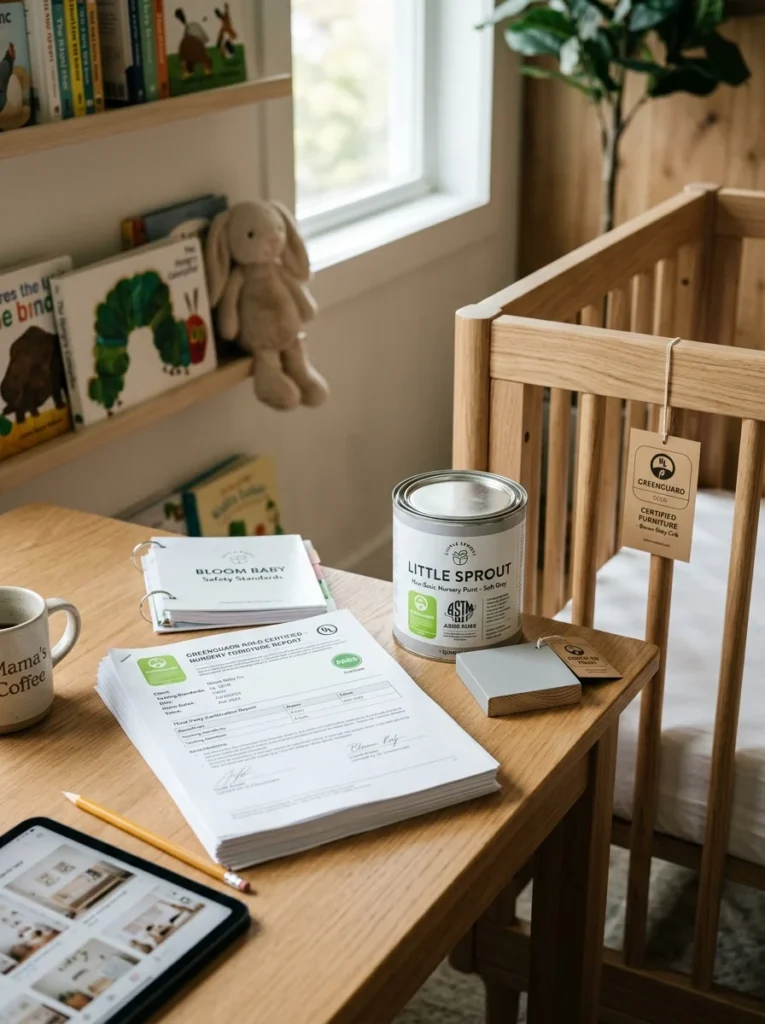
Independent, third-party testing and certification, rather than a manufacturer’s own internal claims about their product’s safety, provides a more reliable verification that a specific paint or furniture item actually meets the standards it claims to. Looking specifically for which organization performed any cited certification, and doing a small amount of research into that organization’s testing standards and credibility, adds another layer of confidence beyond simply trusting a label at face value.
What does low-VOC paint actually mean?
Low-VOC paint is specifically formulated and tested to reduce the volatile organic compounds released during and after application, which can affect indoor air quality. Look for paint specifically certified by a recognized testing standard rather than relying on general, unverified marketing language.
Is solid wood furniture always better than composite wood for a nursery?
Solid wood generally involves fewer added adhesives that can off-gas over time, but budget-conscious families can look for composite wood furniture specifically certified to meet low-formaldehyde emission standards as a reasonable middle-ground option.
Should I test secondhand nursery furniture for lead paint?
Yes, particularly for older furniture that may predate current safety regulations, since it could have been finished with lead-based paint. Inexpensive testing kits make this a straightforward precaution, and refinishing with a certified low-VOC paint addresses the concern if lead is detected.
How long should I air out a freshly painted nursery before using it?
Painting well in advance of a baby’s expected arrival, rather than immediately before, gives the room adequate time for even low-VOC paint’s initial emissions to dissipate fully, with proper ventilation during and after application further supporting this process.
Do crib mattress materials matter for indoor air quality?
Yes, since a baby spends significant time in direct contact with the mattress, some parents specifically choose organic or natural material options with fewer synthetic chemical treatments, though any mattress choice should still meet current firmness and safety standards regardless of material preference.
Should I worry about cleaning products used in the nursery too?
It’s worth considering, since cleaning products come into contact with the room and its contents on an ongoing basis rather than just during initial setup. Choosing products with simpler, more transparent ingredient lists extends the same safety consideration into regular daily maintenance.
Why does third-party certification matter more than a manufacturer’s own claims?
Independent, third-party testing provides more reliable verification than a manufacturer’s internal claims alone, since it isn’t influenced by the same incentives. Researching which specific organization performed a cited certification adds an additional layer of confidence beyond trusting a label at face value.
Choosing genuinely lower-toxicity paint and furniture for a nursery comes down to looking for specific, recognized certifications rather than vague marketing language, favoring solid wood or certified composite furniture, allowing adequate ventilation and curing time, and researching brands with a genuine track record of transparency. This approach addresses the considerations that matter most without requiring an unrealistic standard of complete chemical purity.
Our own nursery ended up furnished with a mix of solid wood pieces and a couple of certified low-formaldehyde composite items, painted with a genuinely certified zero-VOC paint applied well ahead of our due date, choices that came from actually researching specific certifications rather than trusting general nursery marketing at face value. If you’re currently furnishing your own nursery, take the same extra step of checking for specific certifications rather than assuming a product labeled for babies has already handled this consideration on your behalf.