

I spent years trying to build a consistent chore routine through pure willpower and good intentions, writing out schedules I’d follow enthusiastically for about a week before quietly abandoning them entirely. It wasn’t until I discovered habit stacking, the simple idea of attaching a new habit directly onto an existing one you already do automatically, that chores actually started sticking without feeling like a constant uphill battle against my own motivation. The shift wasn’t really about trying harder; it was about attaching new behaviors to routines my brain had already made effortless, rather than asking it to remember and prioritize an entirely separate, standalone task.
Habit stacking works because it leverages existing neural pathways rather than building entirely new ones from scratch. Here’s how to actually apply this technique to make household chores feel considerably more automatic.
Understand the basic formula behind habit stacking
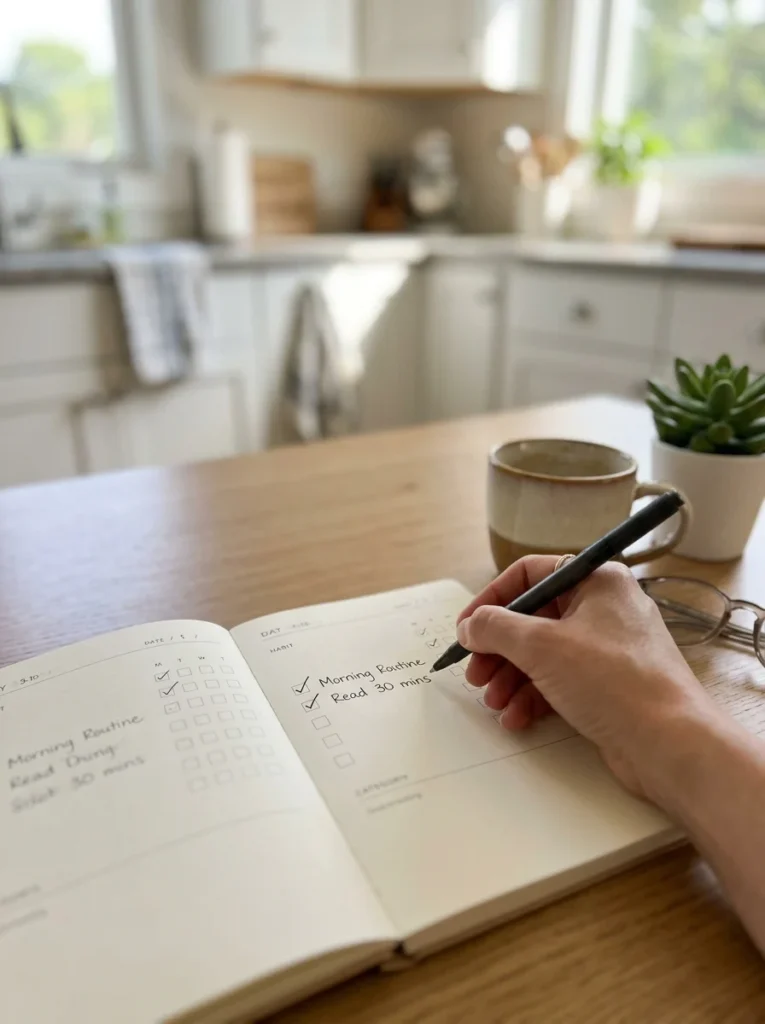
The core structure is simple: after I do this existing habit, I will do this new habit. The existing habit serves as a reliable trigger, a cue your brain already recognizes and acts on automatically, which then prompts the new behavior immediately following it. This structure removes the need to consciously remember a new habit throughout the day, since it becomes attached to something you’re already doing without needing to think about it.
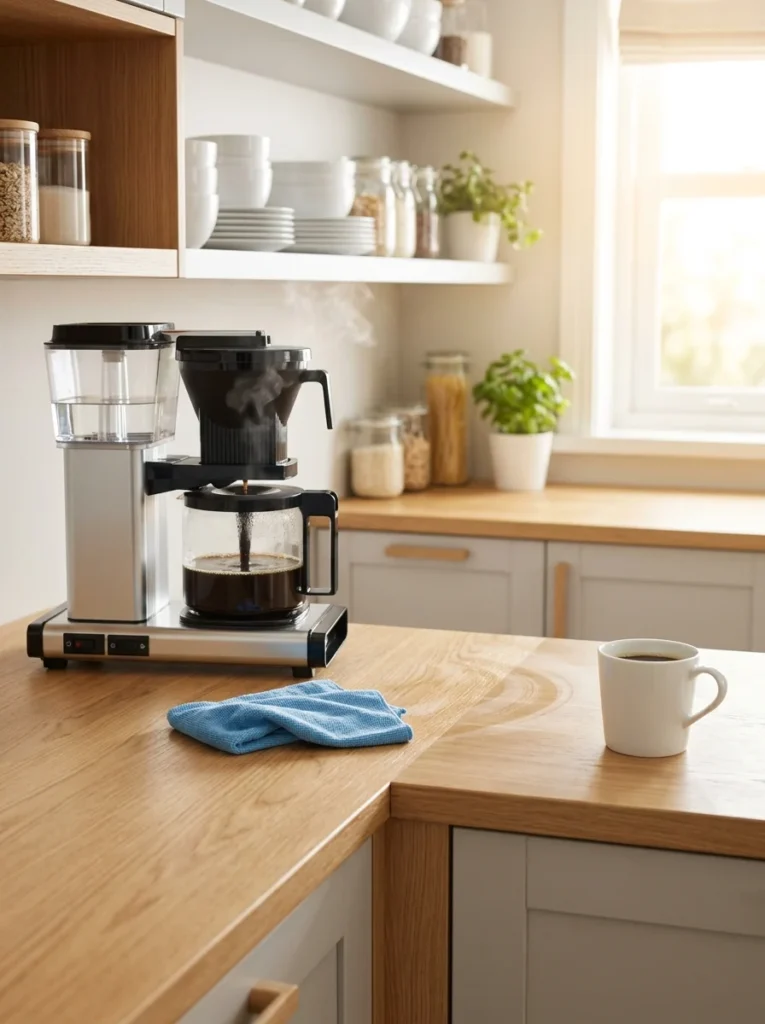
Stack a quick kitchen wipe-down onto your coffee routine
Since making coffee or tea is already an automatic morning habit for many people, attaching a thirty-second countertop wipe-down while the coffee brews turns a task that might otherwise be postponed into something that happens consistently every single morning without requiring any separate thought or decision.

Stack laundry folding onto a favorite show or podcast episode
Rather than treating laundry folding as a standalone task requiring dedicated, undistracted time, attaching it specifically to watching a favorite show or listening to a podcast episode you were going to enjoy anyway turns a chore into something that happens alongside an activity you’re already looking forward to, making the combined activity feel considerably less like pure obligation.

Stack a quick tidy onto arriving home from work or errands
Attaching a brief, five-minute tidy, hanging up a coat, putting away shoes, clearing anything left on a counter, directly to the act of arriving home, before sitting down or getting distracted by anything else, prevents the common pattern where these small tasks get postponed indefinitely once you’ve settled in and lost the initial momentum of just walking through the door.

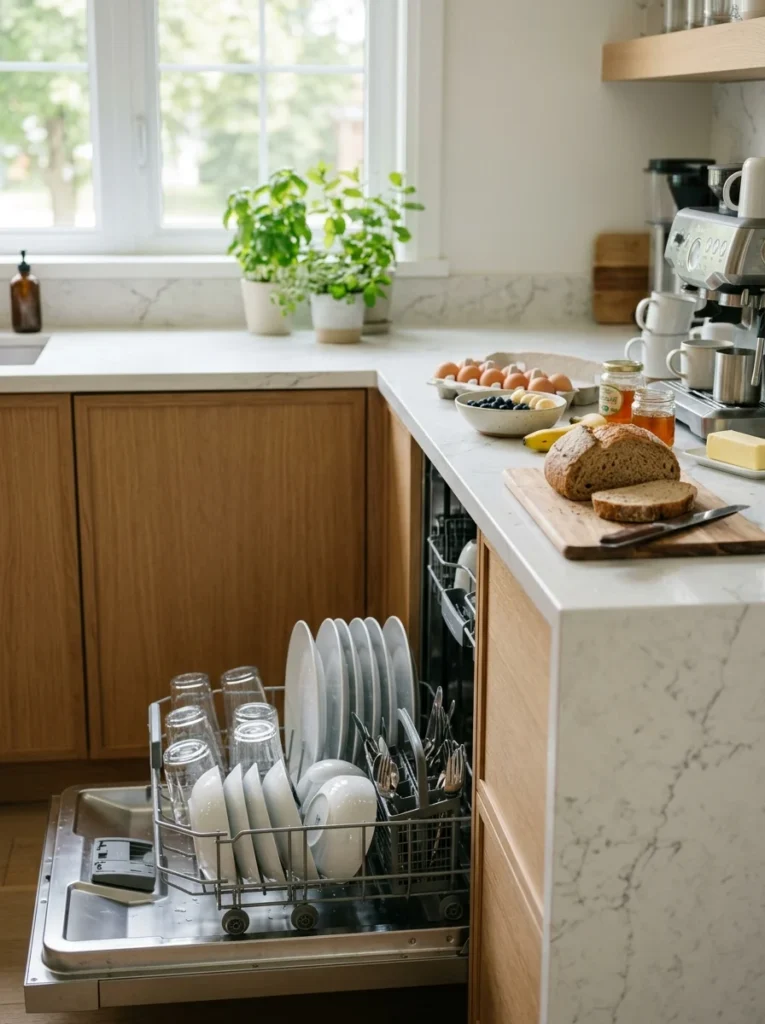
Stack dishwasher unloading onto your morning coffee or breakfast prep
Unloading a clean dishwasher first thing, attached to the existing habit of making breakfast or coffee, ensures the dishwasher is ready to receive the day’s dirty dishes as they accumulate, rather than sitting full and blocking dishes from being loaded throughout the day, which often leads to dishes piling up in the sink instead.
Stack a bathroom quick-clean onto your shower routine
Since you’re already in the bathroom and already wet during a shower, quickly wiping down the shower walls or door with a squeegee immediately afterward, before drying off and leaving the room, takes advantage of the fact that you’re already there and prevents this specific task from requiring a separate, deliberately scheduled cleaning session later.

Stack mail sorting onto walking through the door
Attaching immediate mail sorting, recycling junk mail, filing anything important, directly to the moment you bring mail inside, rather than setting it down to deal with later, prevents the common accumulation of an ever-growing, unsorted mail pile that eventually requires a much larger, more tedious sorting session.

Stack a nightly reset onto your existing bedtime routine
Attaching a brief home reset, similar to the daily tidying habit covered in dedicated guides on that topic, directly onto an already-established bedtime routine, right after brushing your teeth, for instance, leverages a habit you’re already reliably doing every single night to anchor the new tidying behavior.

Stack watering plants onto your morning routine
If you have household plants, attaching a quick watering check to an already-existing morning habit, right after feeding a pet or making breakfast, ensures this easily forgotten task happens consistently rather than being remembered only sporadically whenever a plant’s condition becomes noticeably dire.

Choose stable, genuinely consistent existing habits as your anchors
The effectiveness of habit stacking depends heavily on choosing an existing habit that’s genuinely stable and consistent in your own life as the anchor point; attaching a new habit to something you do inconsistently yourself provides a much weaker, less reliable trigger than attaching it to something you do without fail every single day.

Start with just one or two stacked habits rather than overhauling everything at once
Attempting to stack numerous new habits onto existing routines simultaneously often overwhelms the whole system and increases the likelihood that none of the new habits actually stick. Starting with just one or two genuinely manageable stacked habits, allowing them to become truly automatic before adding more, tends to produce more durable, lasting results than an ambitious attempt to overhaul an entire routine all at once.
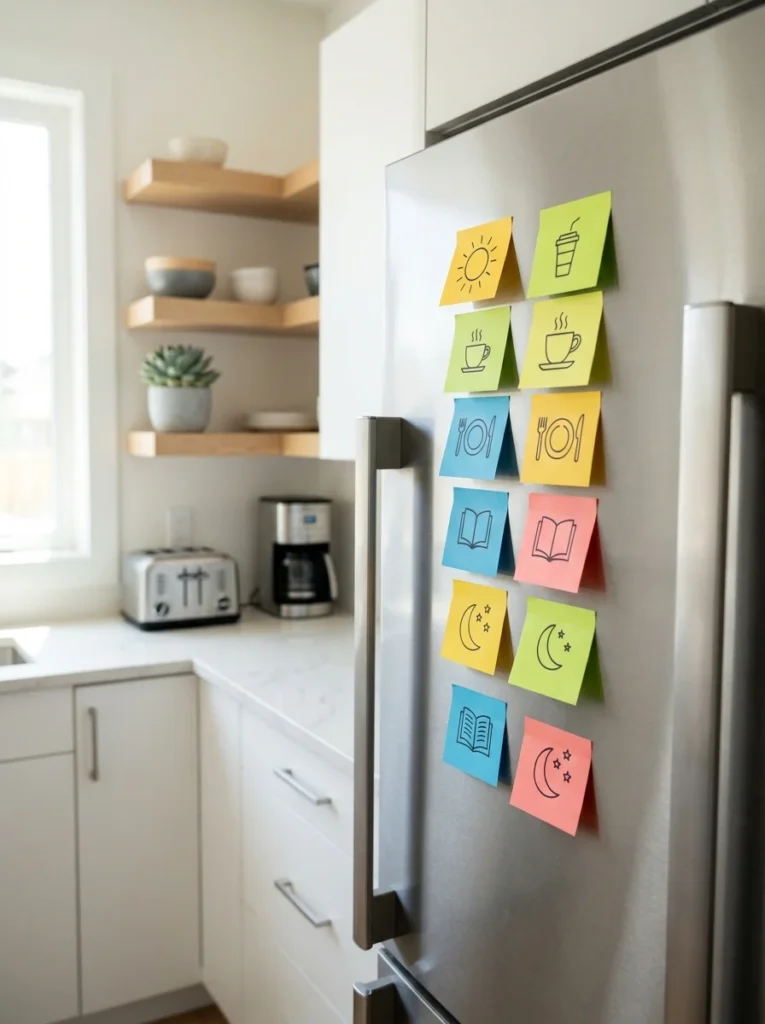
Use visual cues to reinforce a stacked habit during the early adjustment period
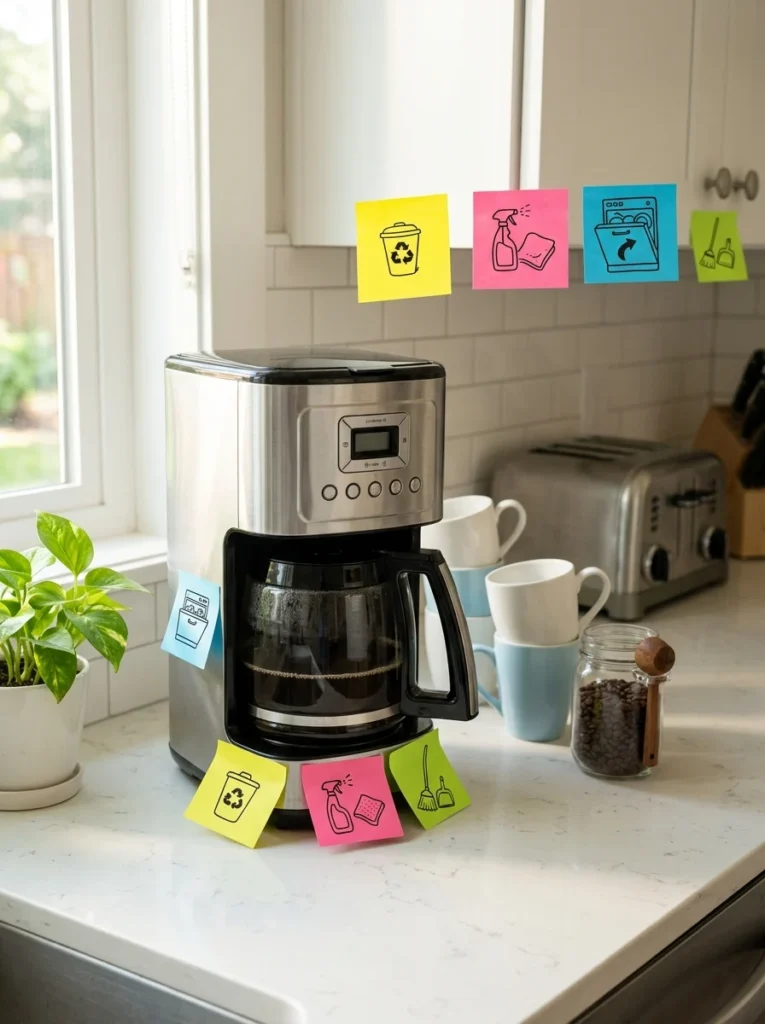
In the first few weeks of establishing a new stacked habit, before it becomes genuinely automatic, a small visual reminder, a sticky note near the coffee maker, an object placed deliberately somewhere you’ll notice right after the anchor habit, can help bridge the gap until the new behavior no longer requires this kind of external prompt. Removing the visual cue once the habit feels genuinely automatic prevents becoming dependent on the reminder indefinitely rather than the habit itself taking hold.
Stack habits for other household members, not just yourself
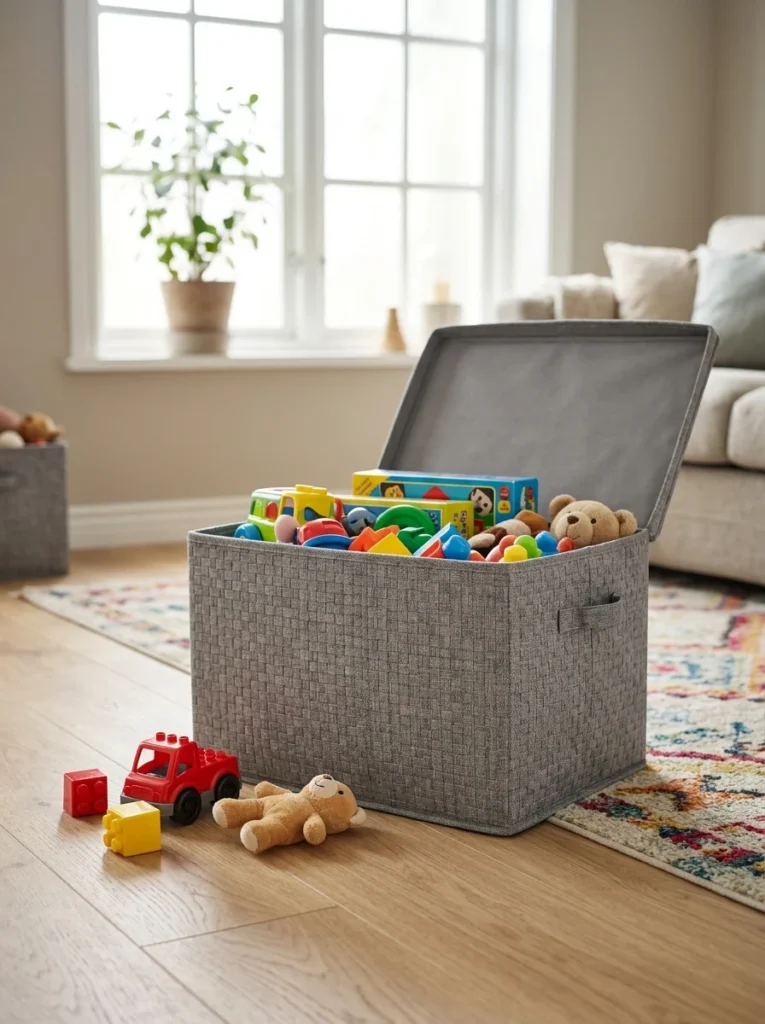
The same habit stacking principle can be introduced for children or other household members, attaching a specific small chore to an already-established routine they reliably follow, putting toys in a bin right after finishing a bath, hanging up a school bag immediately upon walking through the door, which tends to build the habit more effectively in others than a verbal reminder repeated inconsistently throughout the week.
Stack habits around transitions between activities, not just fixed times
Beyond time-based routines like morning or bedtime, habit stacking works well attached to activity transitions, immediately after finishing a meal, right before leaving a room you won’t return to for a while, immediately upon receiving a package. These transition-based stacks can be just as reliable as time-based ones, since the trigger is the completion of one activity rather than a specific clock time, which can be useful for chores that don’t fit neatly into a fixed daily schedule.

Be patient with the adjustment period before a stack feels automatic
Like any new habit, a stacked chore typically requires several weeks of conscious repetition before it genuinely becomes automatic rather than something you have to actively remember to do even with the anchor habit in place. Expecting this adjustment period, rather than assuming a stacked habit should feel effortless from the very first attempt, helps prevent discouragement and premature abandonment during the weeks when it still requires genuine, deliberate attention.

Adjust or replace a stack that isn’t working rather than abandoning the technique entirely
If a specific habit stack consistently isn’t working, perhaps the chosen anchor habit isn’t actually as consistent as assumed, or the new behavior doesn’t logically fit right after it, adjusting the specific pairing, trying a different anchor or a different new habit, tends to be more productive than concluding the whole technique doesn’t work for you personally based on one unsuccessful attempt.

What makes habit stacking more effective than a regular to-do list?
Habit stacking attaches a new behavior to an existing, already-automatic habit, which removes the need to consciously remember the new task throughout the day, unlike a to-do list that still requires active recall and decision-making each time.
How many new habits should I stack at once?
Starting with just one or two stacked habits, rather than attempting to overhaul an entire routine simultaneously, tends to produce more durable results, since trying to stack too many new behaviors at once often overwhelms the system and reduces the likelihood any of them genuinely stick.
What if my existing habits aren’t very consistent themselves?
Habit stacking works best when attached to a genuinely stable, consistent existing habit, since an inconsistent anchor provides a much weaker trigger. Choosing your most reliable existing daily habits as anchor points improves the technique’s overall effectiveness.
Can habit stacking work for household chores specifically, not just personal habits?
Yes, attaching specific chores, wiping counters while coffee brews, folding laundry during a favorite show, tidying immediately upon arriving home, to existing daily routines works just as effectively for household tasks as it does for personal habits like exercise or reading.
What if a specific habit stack just isn’t working for me?
Adjusting the specific pairing, trying a different anchor habit or a different new behavior, tends to be more productive than concluding the whole technique doesn’t work based on one unsuccessful attempt, since the issue is often the specific pairing rather than habit stacking itself.
Can habit stacking help teach chores to kids?
Yes, attaching a specific small chore to an already-established routine a child reliably follows, like putting toys away right after finishing a bath, tends to build the habit more effectively than repeated verbal reminders throughout the week.
Habit stacking makes household chores feel considerably more effortless by attaching them directly to routines you’re already doing automatically, rather than asking yourself to remember and prioritize entirely separate new tasks through willpower alone. Starting with just one or two stacked habits, anchored to genuinely stable existing routines, tends to produce far more lasting results than an ambitious, all-at-once overhaul.
The chore routine that finally stuck for me looks almost invisible from the outside now, a countertop wipe during coffee, laundry folded during a show I was watching anyway, a mail sort the moment I walk through the door, none of it feeling like separate, effortful tasks anymore. If your own chore attempts keep quietly falling apart despite genuine good intentions, try attaching just one small task to something you already do without fail every day, and let that single successful stack become the foundation for building on from there.