

I bought my first adult mattress based almost entirely on a single showroom test, lying on it for maybe ninety seconds before deciding it felt fine and completing the purchase. Within a few months I was waking up with genuine discomfort, and it took a considerable amount of research afterward to understand that a mattress purchase involves far more specific considerations, size relative to your actual bedroom and sleeping habits, firmness relative to your sleep position and body type, than a brief showroom lie-down can reasonably reveal. That research changed how I approached my next mattress purchase entirely, and the difference in genuine comfort and sleep quality since has been considerable.
Choosing the right mattress size and firmness involves more specific, personal factors than most people initially realize. Here’s how to actually think through both decisions.

Consider your room size and layout when choosing mattress size
Beyond simply fitting through the door, a mattress size should leave reasonable walking space around the bed and allow other essential furniture, a dresser, nightstands, to fit comfortably in the room without everything feeling cramped. Measuring your specific bedroom and mapping out the intended furniture layout before choosing a mattress size prevents the common mistake of purchasing the largest size that technically fits the room without considering how the finished, furnished room will actually feel to move through daily.

Factor in who’s actually sleeping in the bed
A queen size generally suits a single sleeper who wants extra room or a couple willing to share a moderately sized space, while a king or California king provides considerably more individual space for couples, particularly those who move around during sleep or share the bed with a pet or child regularly. Being honest about your actual sleeping arrangement, rather than choosing based purely on what seems standard, helps match the size decision to genuine daily use.

Understand the general firmness scale and what it actually means
Mattress firmness is typically described on a scale from soft to extra firm, with medium-firm often cited as a broadly comfortable middle ground for many sleepers, though genuine preference varies considerably based on body weight, sleep position, and simple personal preference. Understanding that this scale is somewhat subjective between different manufacturers, a medium firmness from one brand can feel noticeably different from another brand’s medium, means relying on the specific label alone isn’t always a fully reliable guide without an actual test.
This variability is worth keeping in mind specifically when comparing mattresses across different brands, rather than assuming a numerical or descriptive firmness rating translates identically from one manufacturer to another.
Match firmness to your primary sleep position
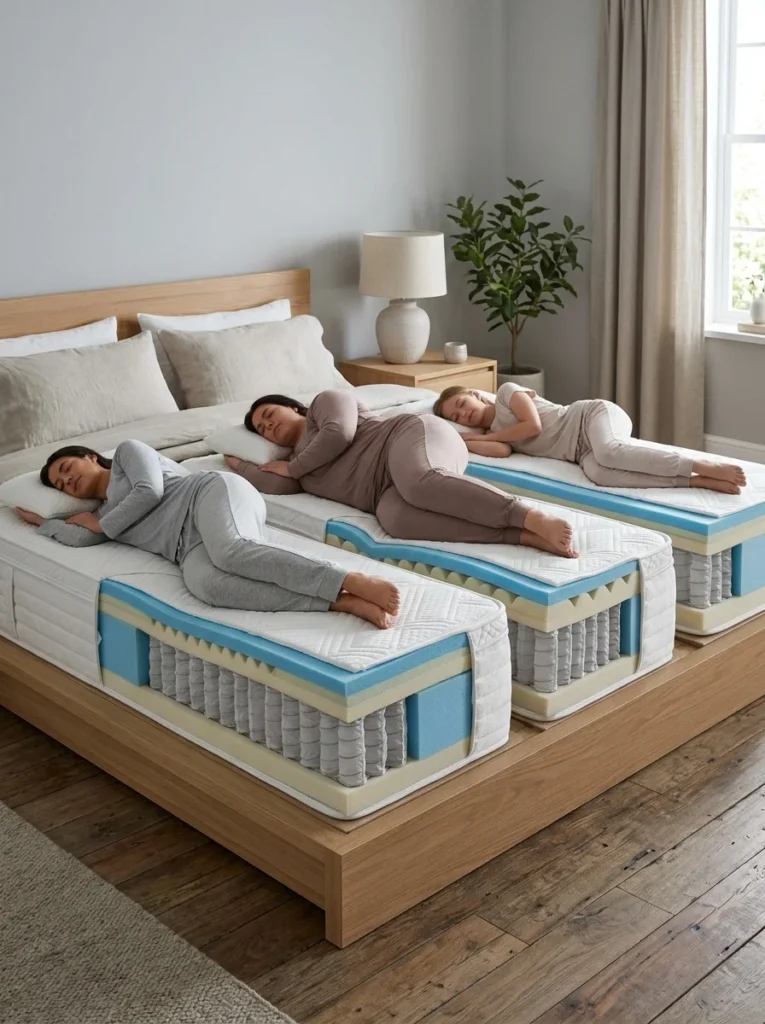
Side sleepers generally benefit from a slightly softer mattress that allows the shoulder and hip to sink in somewhat, relieving pressure at these specific contact points, while back and stomach sleepers often do better with a firmer surface that provides more consistent spinal support without excessive sinking in the middle. Since many people shift between positions throughout the night, considering your predominant position, rather than trying to accommodate every possible position equally, tends to guide this decision more effectively.

Consider body weight when evaluating firmness options
A heavier body weight generally requires a firmer mattress or one with more substantial support layers to avoid excessive sinking, while a lighter body weight may find a very firm mattress uncomfortably hard, since there’s less weight to compress the surface and reveal its more supportive layers underneath. Mattress manufacturers increasingly account for this by offering different firmness recommendations based on weight ranges, worth checking specifically rather than assuming one general firmness recommendation applies universally regardless of body weight.
Test mattresses for longer than a brief showroom lie-down
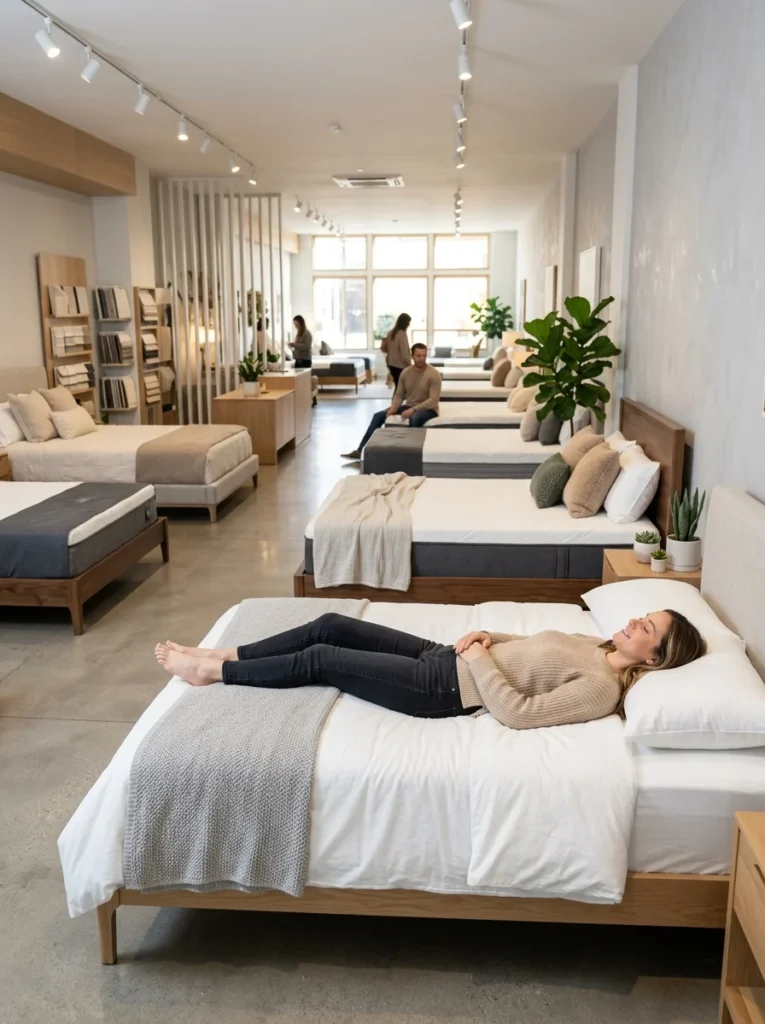
A genuine test of mattress comfort requires more than the ninety seconds I gave my own first purchase; spending at least ten to fifteen minutes lying in your actual typical sleep position, ideally trying several different mattresses back to back for comparison, gives a considerably more accurate sense of a mattress’s actual feel than a brief, cursory lie-down ever could.
Take advantage of trial periods when purchasing online
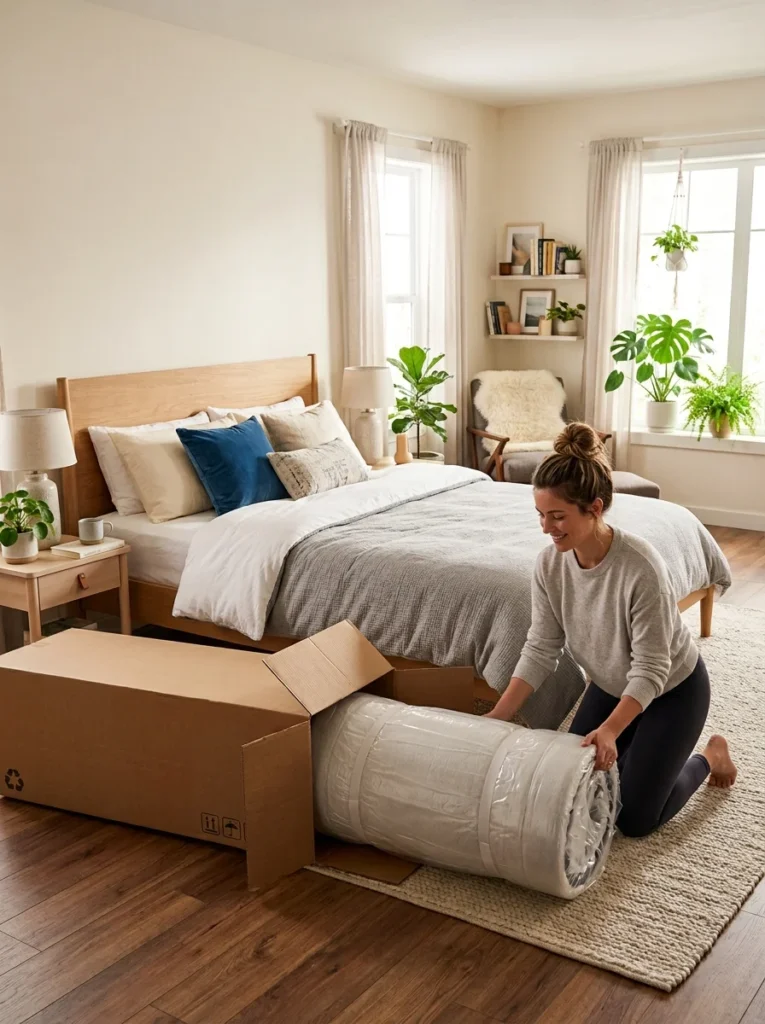
Many mattress companies, particularly those selling primarily online, offer trial periods ranging from a few weeks to several months, allowing you to genuinely test a mattress in your actual home, on your actual bed frame, for an extended period before committing fully. Taking full advantage of this trial period, rather than assuming initial comfort will necessarily persist, or dismissing early discomfort as something you’ll simply adjust to, helps ensure the final decision reflects genuine, extended experience rather than a brief initial impression.
Consider your specific sleep concerns beyond basic firmness
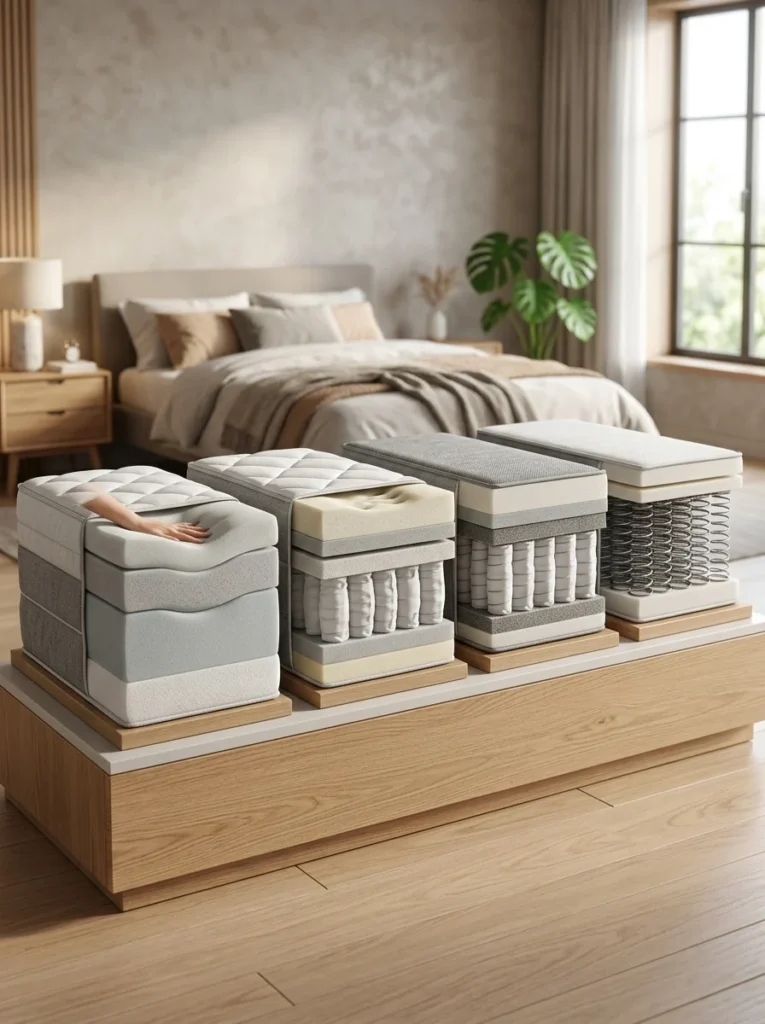
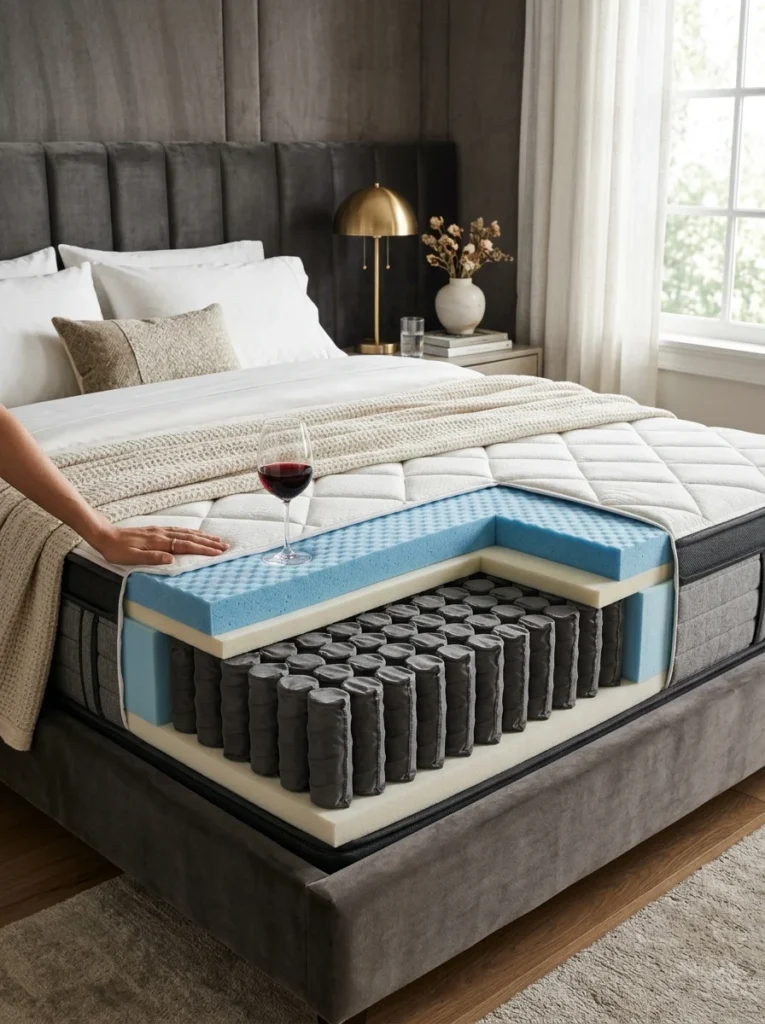
Certain mattress types and constructions address specific concerns beyond firmness alone; memory foam tends to reduce motion transfer, which matters for couples where one partner’s movement shouldn’t disturb the other, while a hybrid construction combining coils and foam layers can offer a combination of support and contouring comfort that a single-material mattress might not achieve as effectively for some sleepers.
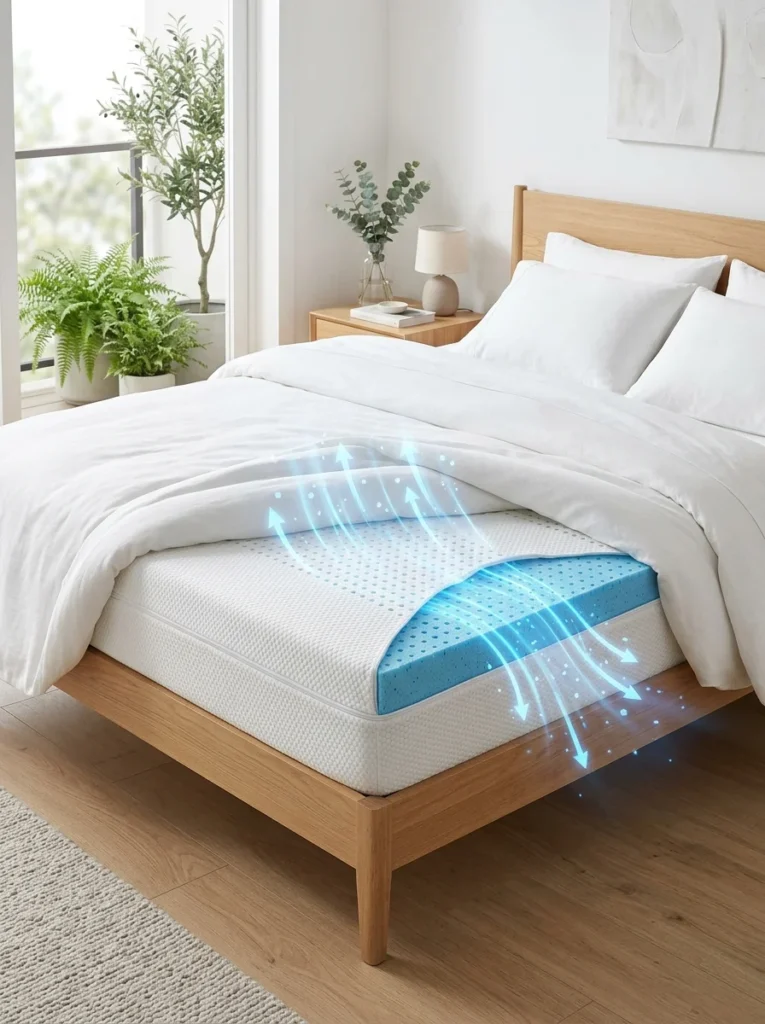
Don’t ignore temperature regulation if you tend to sleep hot
Some mattress materials, particularly certain traditional memory foams, retain heat more than others, which matters considerably for anyone who tends to sleep hot regardless of the room’s ambient temperature. Looking specifically for cooling features, gel-infused foam, more breathable covers, a hybrid construction with better airflow, addresses this specific concern if it’s relevant to your own sleep experience.
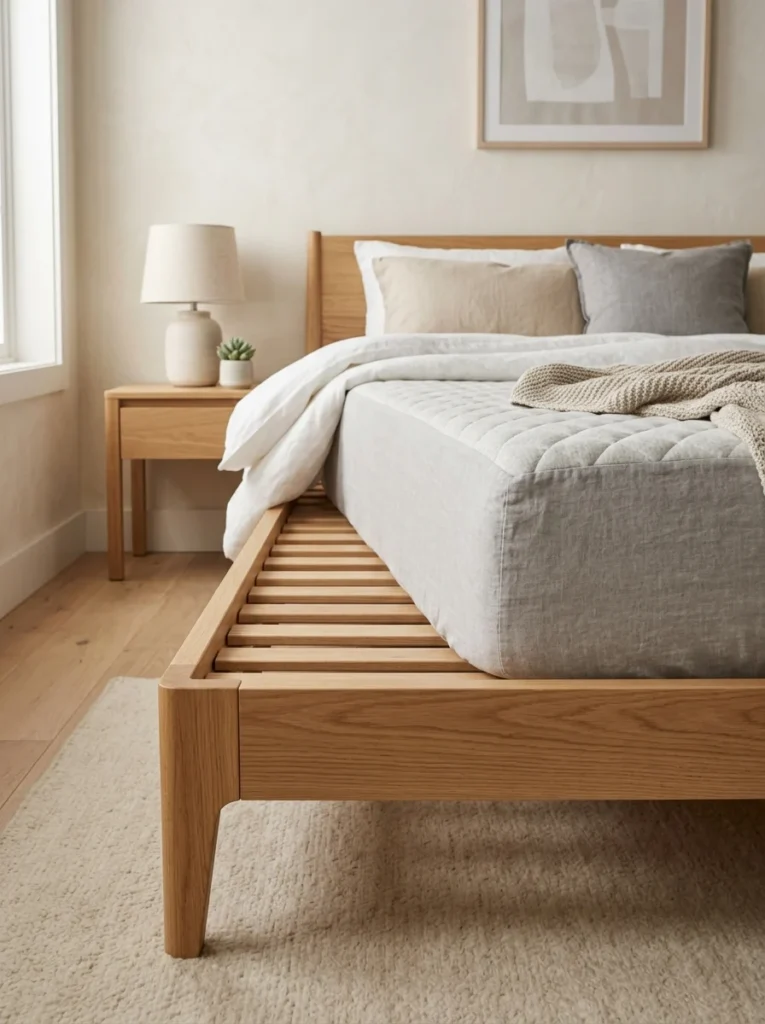
Consider how your mattress choice interacts with your bed frame and base
Certain mattress types perform differently depending on the base they sit on; some foam and hybrid mattresses require a solid or slatted foundation with adequately spaced slats to provide proper support and maintain the manufacturer’s warranty, while others are more flexible about base compatibility. Checking your specific mattress choice’s base requirements before assuming your existing bed frame will work correctly avoids a mismatch that could affect both comfort and warranty coverage.
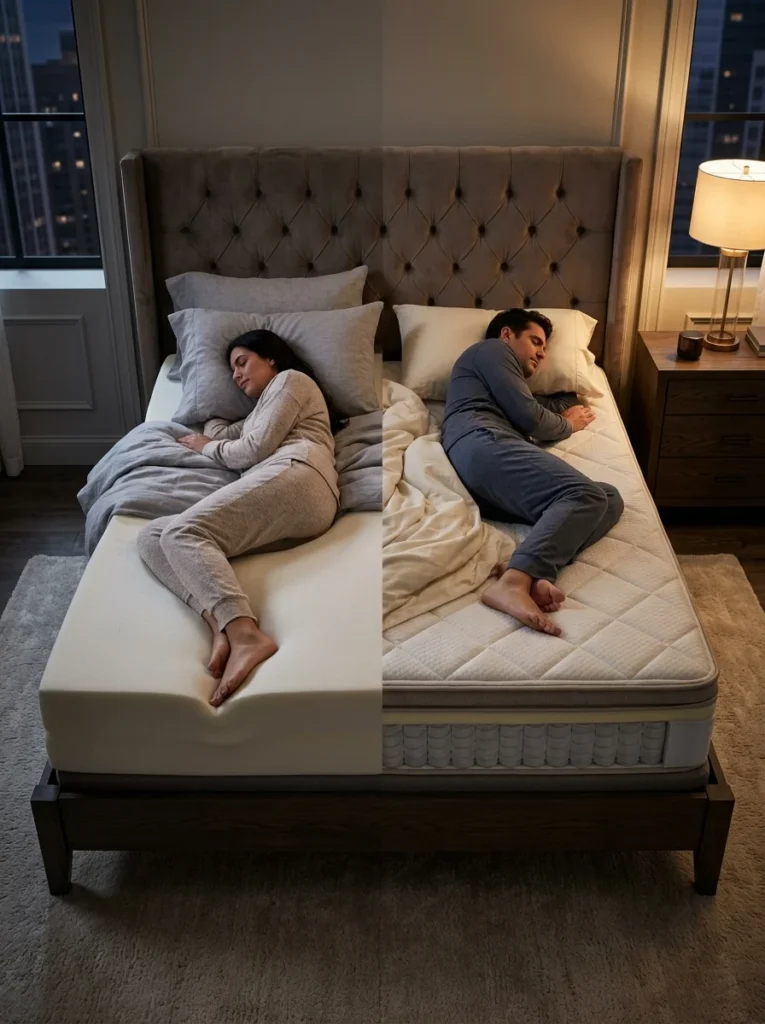
Factor in how quickly foam mattresses respond to movement
Some sleepers prefer a mattress that responds quickly to movement, making it easier to change positions or get in and out of bed without a sinking, slow-to-recover sensation, while others prefer the more contouring, slower response certain memory foam constructions provide. This responsiveness preference is somewhat separate from firmness itself and is worth specifically testing for if you know from past experience that a slow-responding surface has bothered you before.
Know when it’s actually time to replace a mattress
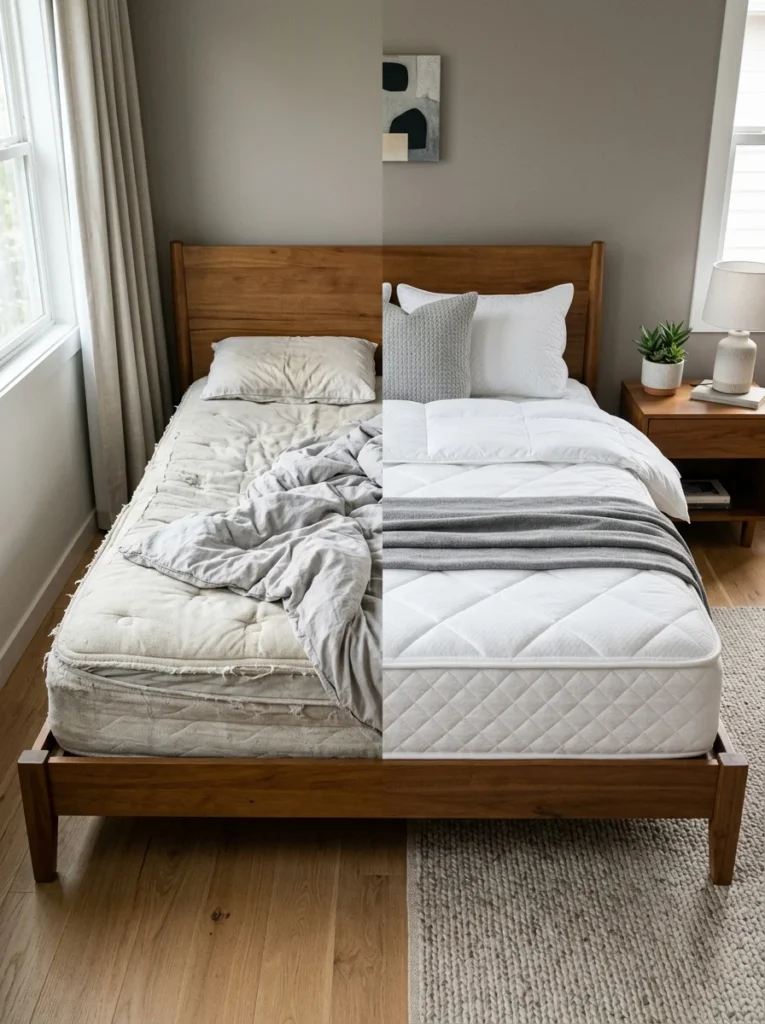
Most mattresses have a reasonable useful lifespan of several years, though this varies by material and quality, and signs like visible sagging, waking up with new or worsening discomfort that wasn’t previously present, or noticing you sleep noticeably better away from home in a different bed are all worth taking seriously as indicators that a replacement may be overdue, rather than assuming any mattress should simply be kept indefinitely regardless of its actual condition and performance.
What mattress size is best for a couple?
A queen size works for many couples comfortable sharing a moderately sized space, while a king or California king provides considerably more individual room, particularly valuable for couples who move around during sleep or regularly share the bed with a pet or child.
Is medium-firm the best choice for most sleepers?
Medium-firm is often cited as a broadly comfortable option for many sleepers, but genuine preference varies based on sleep position and body weight, and firmness labels can also vary somewhat between manufacturers, so relying on the label alone without an actual test isn’t always fully reliable.
Should side sleepers choose a softer or firmer mattress?
Side sleepers generally benefit from a slightly softer mattress that allows the shoulder and hip to sink in somewhat, relieving pressure at these specific contact points, compared to the firmer support that tends to suit back and stomach sleepers better.
How long should I test a mattress before buying?
Spending at least ten to fifteen minutes lying in your typical sleep position provides a considerably more accurate sense of comfort than a brief showroom lie-down, and taking full advantage of any trial period offered, especially for online purchases, allows for genuine extended testing before fully committing.
Does my bed frame affect how a new mattress performs?
Yes, some foam and hybrid mattresses require a solid or properly slatted foundation to provide correct support and maintain warranty coverage, so it’s worth checking your specific mattress choice’s base requirements before assuming an existing frame will work correctly.
How do I know when my mattress actually needs replacing?
Visible sagging, waking up with new or worsening discomfort that wasn’t previously present, or noticing you sleep noticeably better away from home in a different bed are all worth taking seriously as signs a replacement may be overdue, rather than assuming any mattress should simply be kept indefinitely.
Choosing the right mattress size and firmness comes down to honestly assessing your room’s layout, who’s actually sleeping in the bed, your predominant sleep position, and your body weight, rather than relying purely on a brief test or a generic firmness label. Taking full advantage of extended trial periods when available further ensures the decision reflects genuine, lasting comfort rather than an initial impression alone.
My current mattress, chosen after actually researching firmness relative to my side-sleeping habit and testing it properly rather than the ninety-second showroom decision that led to my first disappointing purchase, has made a genuine, lasting difference in how rested I feel most mornings. If you’re currently shopping for your own mattress, resist the urge to decide quickly; the extra time spent testing and researching firmness and size specific to your own body and habits will likely pay off for years of actual use afterward, far more than the modest extra effort involved in getting it right the first time.