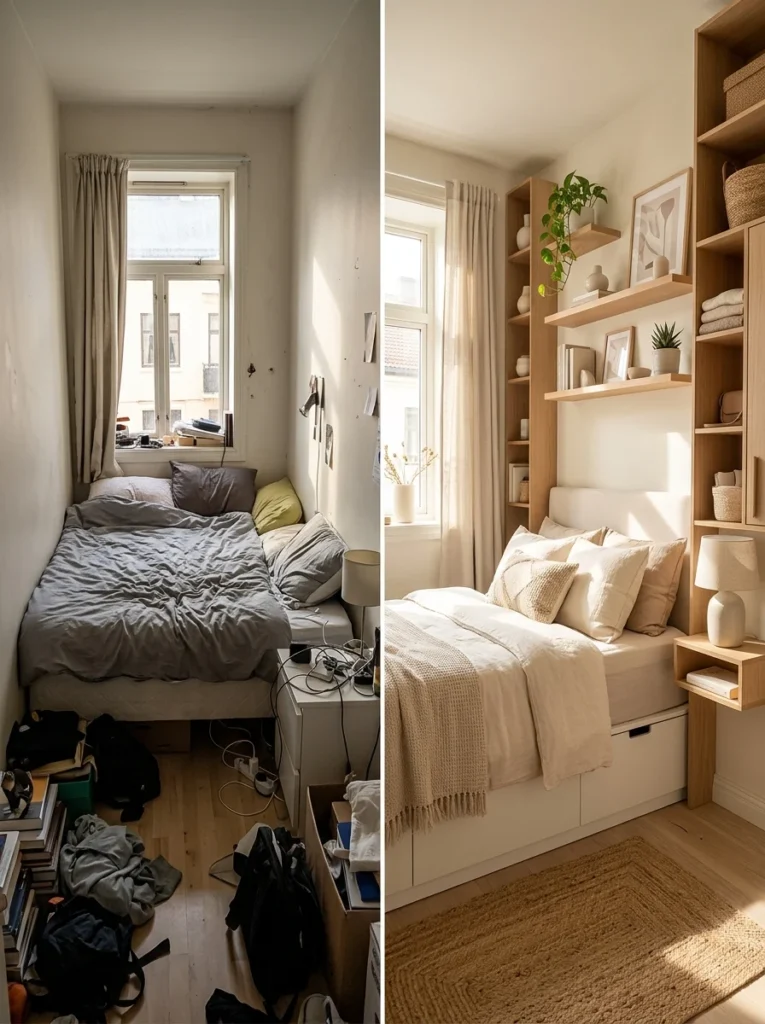
My first apartment bedroom was genuinely tiny, barely wide enough to fit a full-size bed with a narrow walking path on just one side, and for a long time I assumed there simply wasn’t much design potential in a room that small. It wasn’t until a friend with an equally cramped bedroom showed me what she’d done with hers, using the walls and vertical space far more deliberately than I’d ever considered, that I realized the limitation wasn’t really the room’s size; it was that I’d never actually planned around it with any real intention.
A small bedroom can function beautifully and even feel spacious with the right approach. Here’s what actually made the difference, both in my friend’s room and in my own once I applied the same thinking.
Choose a bed size that’s proportional to the room, not just the biggest one that fits
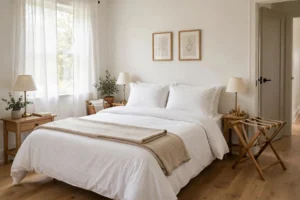
It’s tempting to fit the largest bed size the room can technically accommodate, but in a genuinely small bedroom, choosing a size that leaves comfortable walking space around it, sometimes a size smaller than what would technically squeeze in, makes the whole room feel considerably more livable than one where the bed dominates nearly every square foot of available floor space.
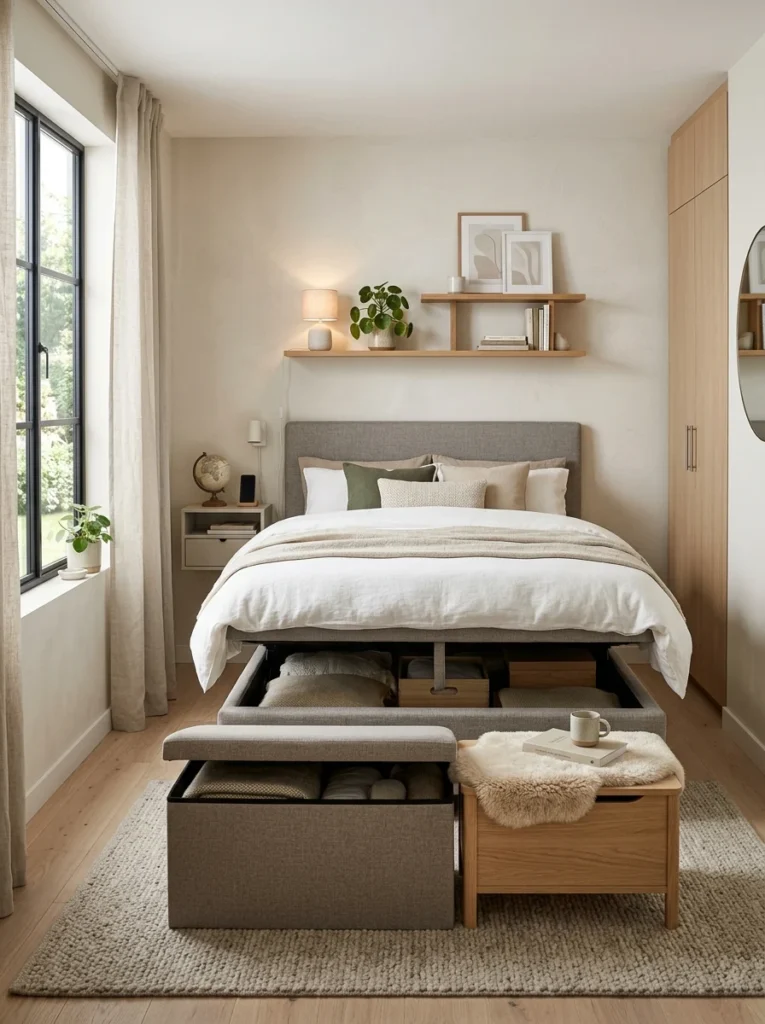
Use under-bed storage to make use of otherwise wasted space
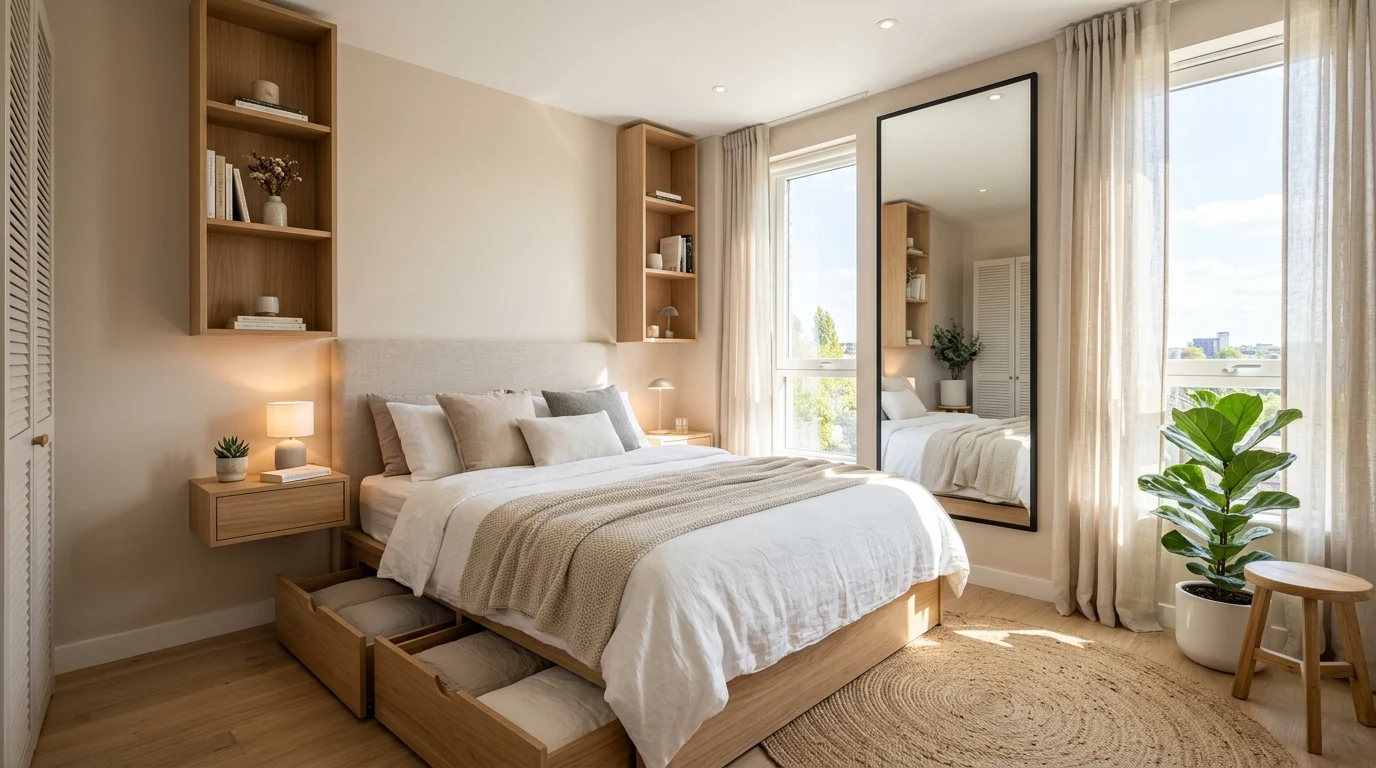
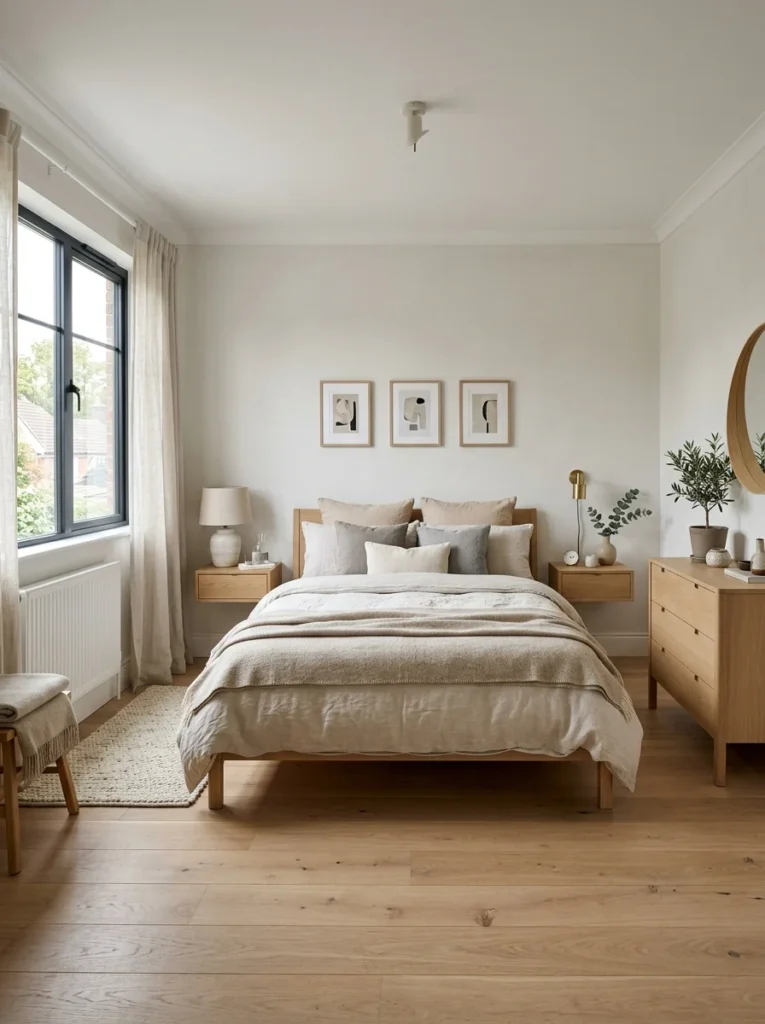
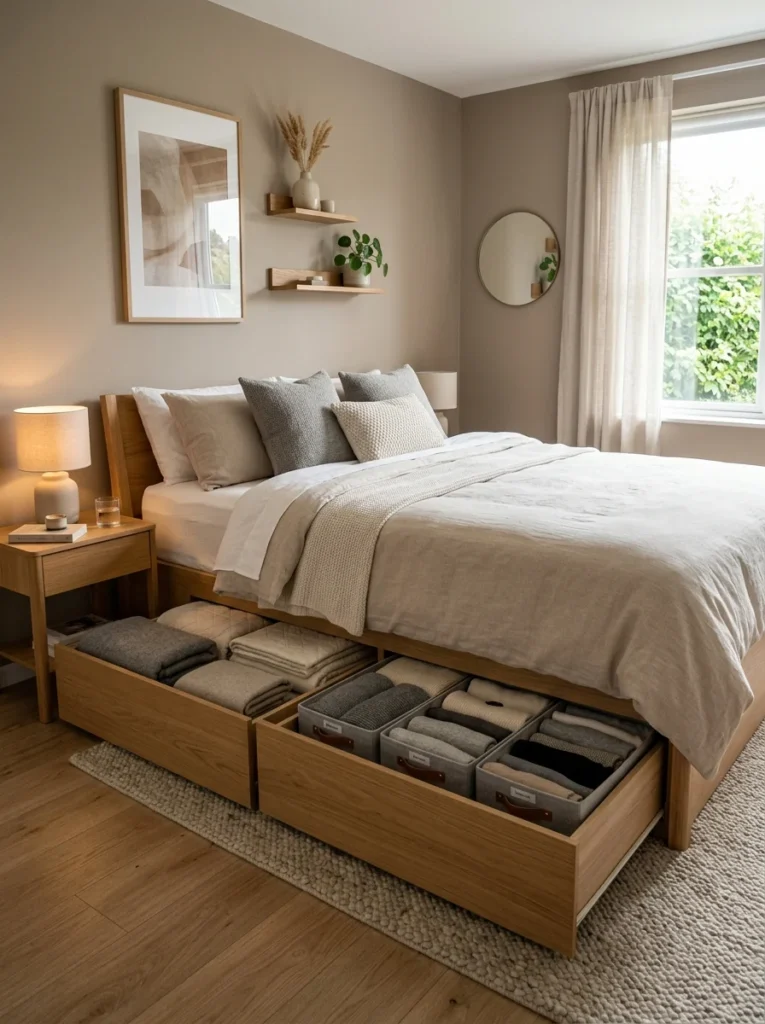
The space beneath a bed frame is often completely unused in a small bedroom, despite representing genuinely significant potential storage capacity. Flat, low-profile storage bins or a bed frame with built-in drawers underneath can hold off-season clothing, linens, or other items that don’t need daily access, freeing up closet and dresser space for items used more regularly.
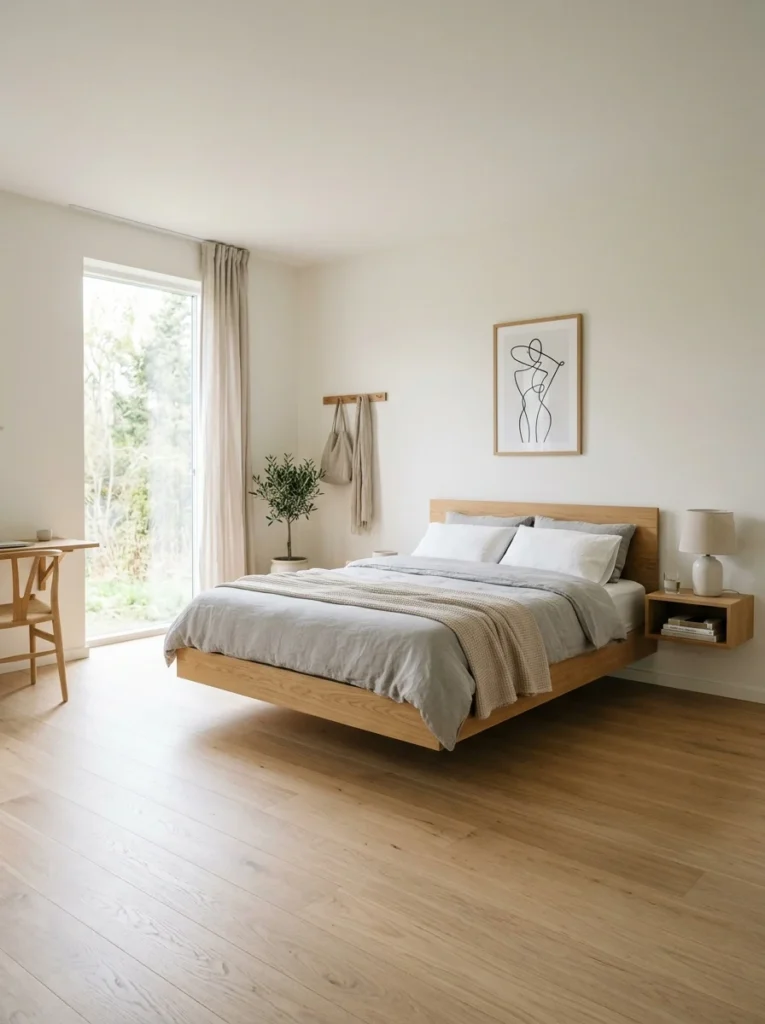
Choose a wall-mounted or floating nightstand to free up floor space
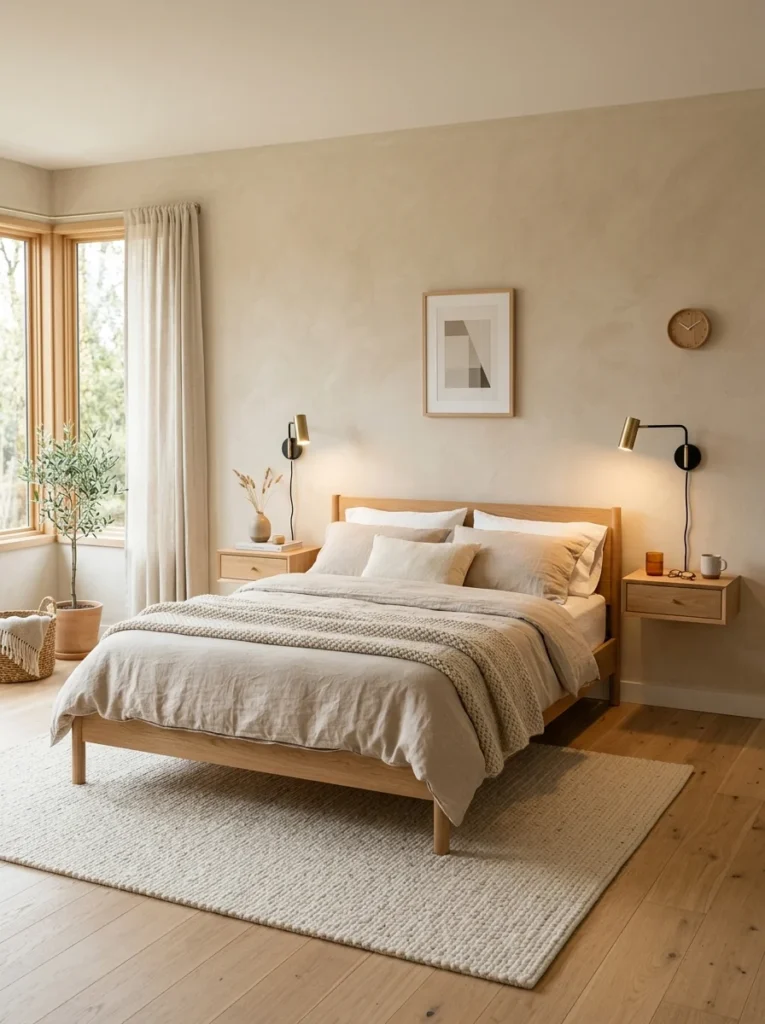
A small, wall-mounted shelf or floating nightstand serves the same basic function as a traditional nightstand while taking up no floor space at all, which matters considerably more in a small bedroom where every square foot of floor area is genuinely precious.
Go vertical with storage rather than accepting limited floor space as fixed
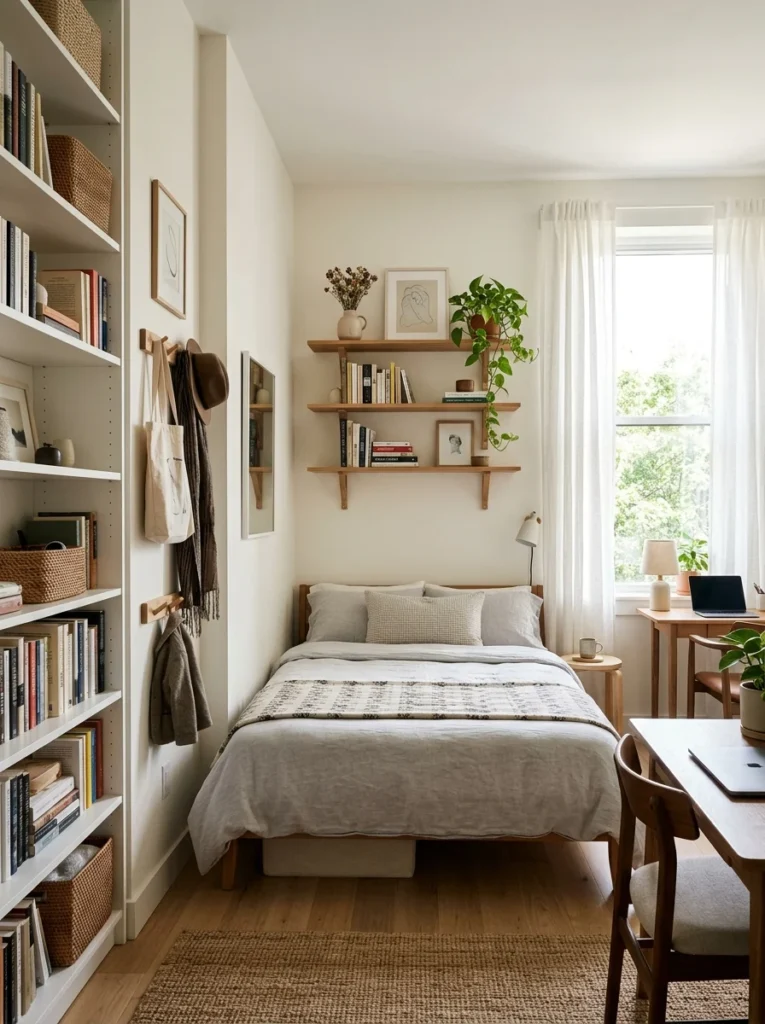
Tall, narrow shelving units, wall-mounted shelves above the bed or desk, and hooks mounted at various heights all make use of vertical wall space that a small bedroom’s limited floor area can’t otherwise accommodate, extending genuine storage capacity considerably beyond what the room’s square footage alone would suggest is possible.
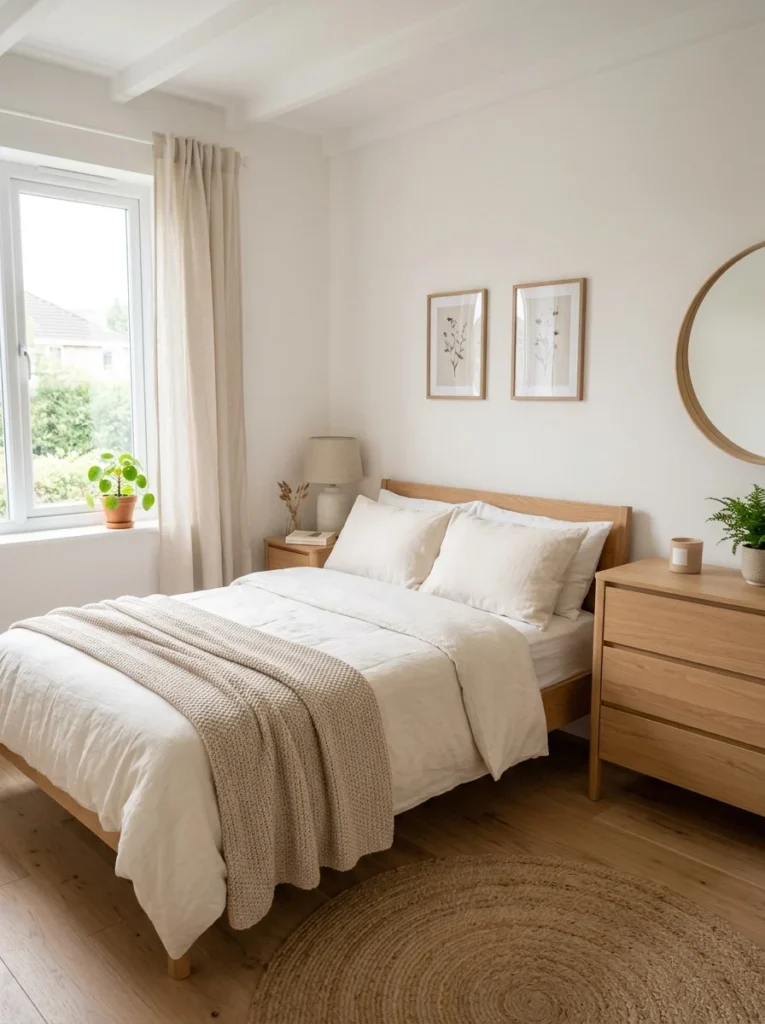
Use a mirror strategically to add a sense of depth
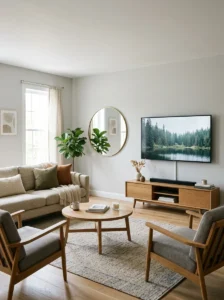
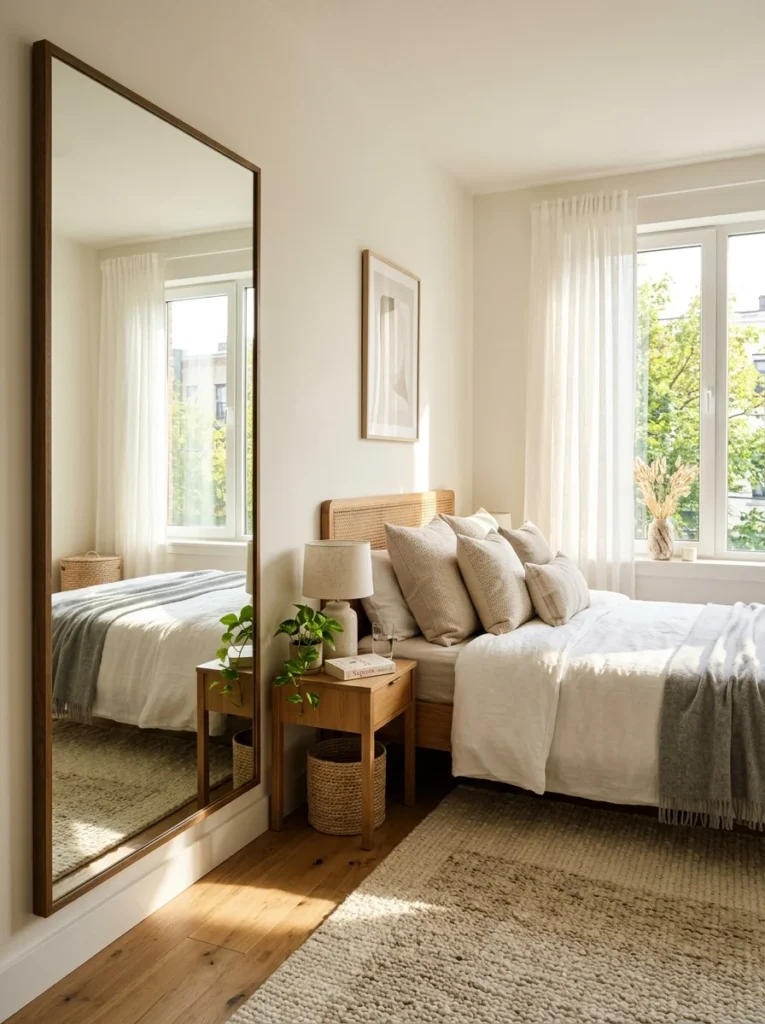
A large mirror, positioned to reflect either a window or an open area of the room, creates a genuine sense of visual depth and spaciousness in a small bedroom, making it one of the most effective, relatively low-cost tricks available for this specific kind of space.
Choose a light, cohesive color palette to open up the room
Light, soft colors on the walls, bedding, and larger furniture pieces help a small bedroom feel more open and airy than the same room in darker tones would, similar to the same principle applied in any small room design. Keeping the palette relatively consistent, rather than introducing many competing colors, further supports this sense of openness.
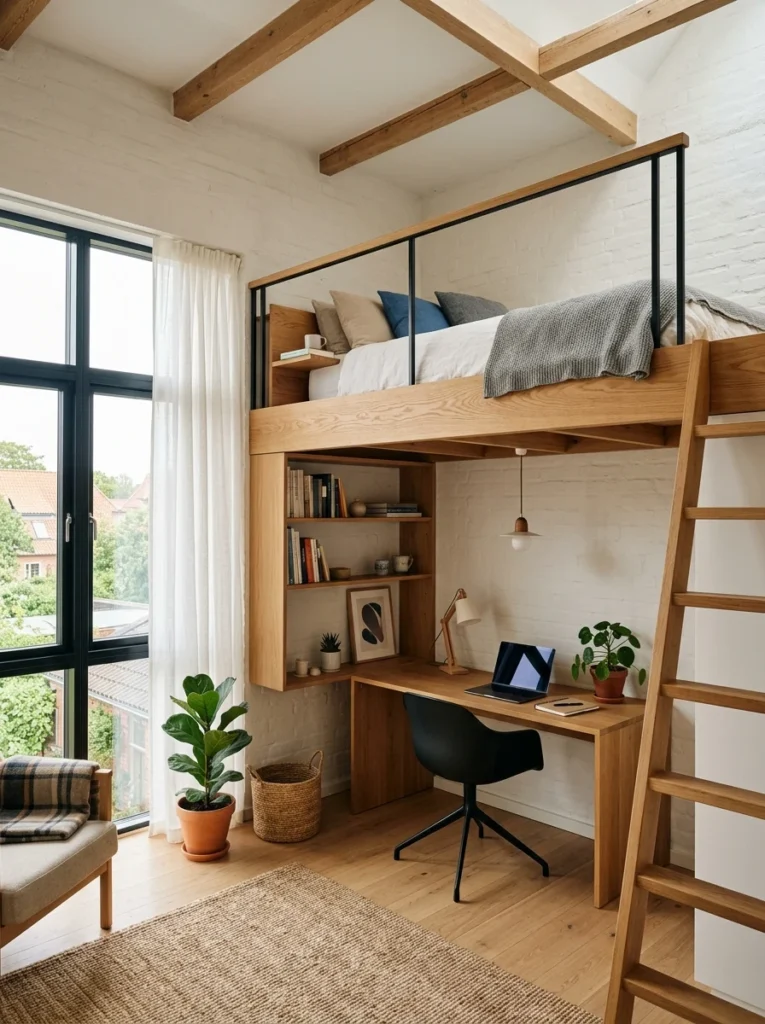
Consider a loft or elevated bed frame if ceiling height allows
In a bedroom with adequate ceiling height, an elevated or loft-style bed frame frees up the floor space beneath it for a desk, additional storage, or simply open floor area, dramatically increasing the room’s functional capacity beyond what a standard bed frame’s footprint would otherwise allow.
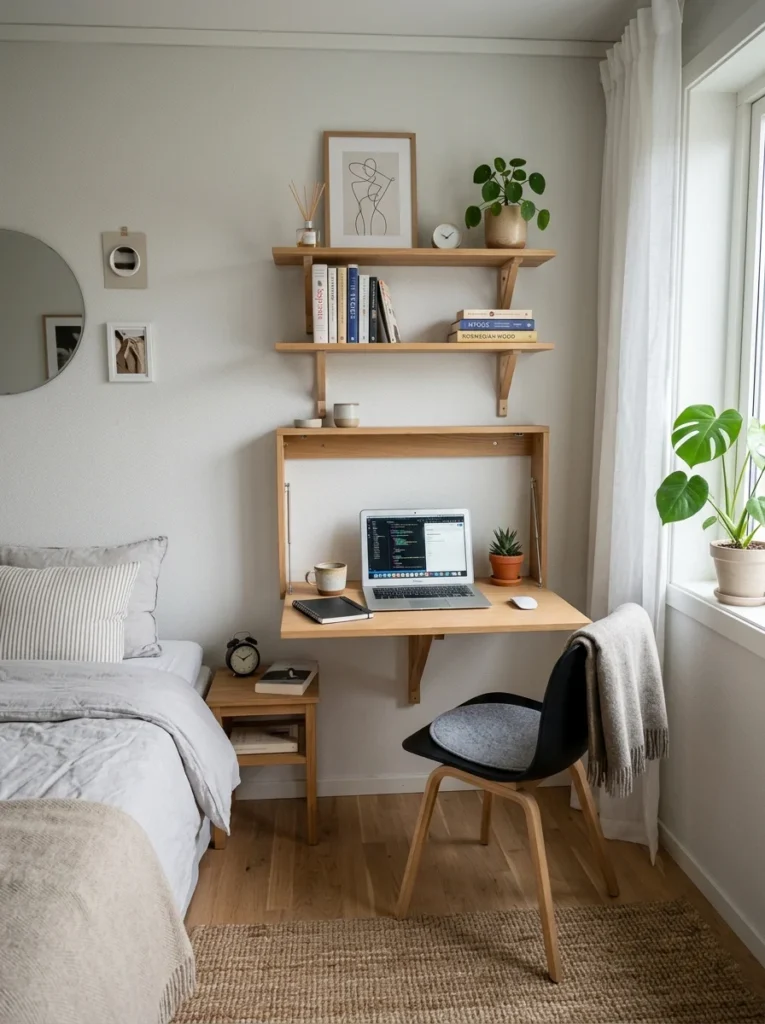
Use a slim, fold-down or wall-mounted desk if workspace is needed
If the bedroom also needs to accommodate a small workspace, a slim, fold-down desk that mounts to the wall and folds flat when not in use provides a functional work surface without permanently occupying floor space the rest of the time, which is a genuinely valuable option in a small bedroom that can’t spare a permanently placed desk.
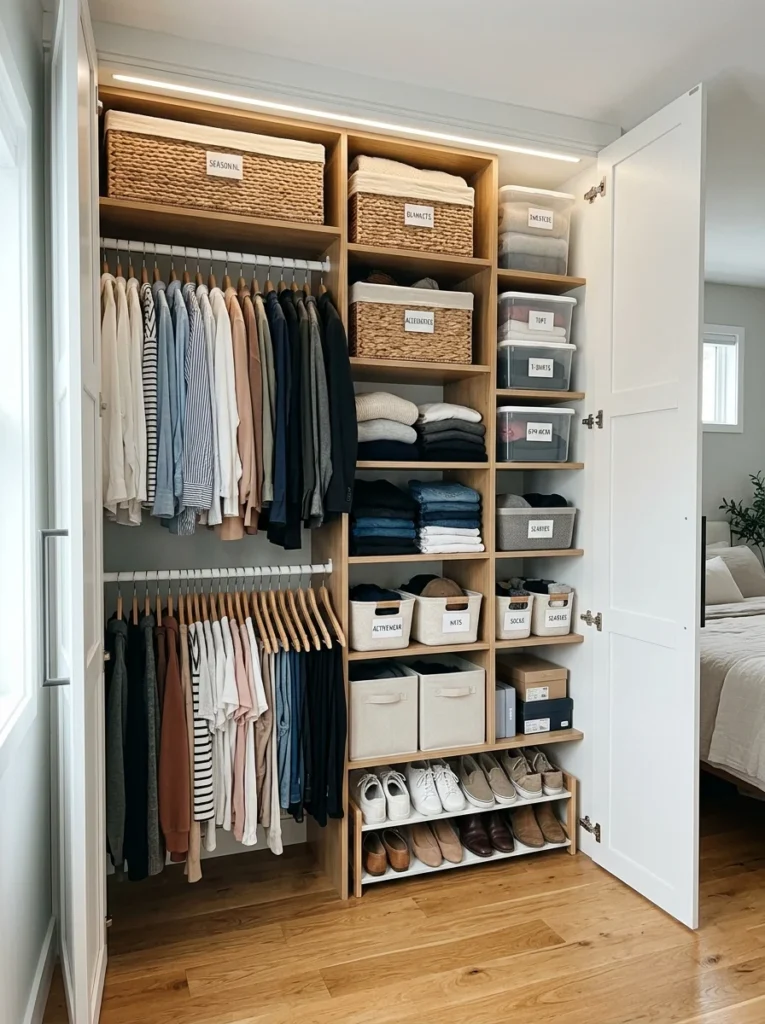
Choose a closet organization system that maximizes vertical space
A small bedroom’s closet often has considerable unused vertical space above the standard single hanging rod. Adding a second rod, shelving above the existing rod, or hanging organizers designed for small items makes considerably better use of the closet’s full height than the default configuration most closets come with.
Keep the floor as clear as possible to maintain a sense of openness
In a small bedroom specifically, keeping the floor clear of anything beyond the essential furniture, no baskets, no piles, no extra furniture that doesn’t serve a genuine daily function, matters more than in a larger room, since a cluttered floor has an outsized negative effect on how spacious a small room feels compared to the same clutter in a room with more square footage to visually absorb it.
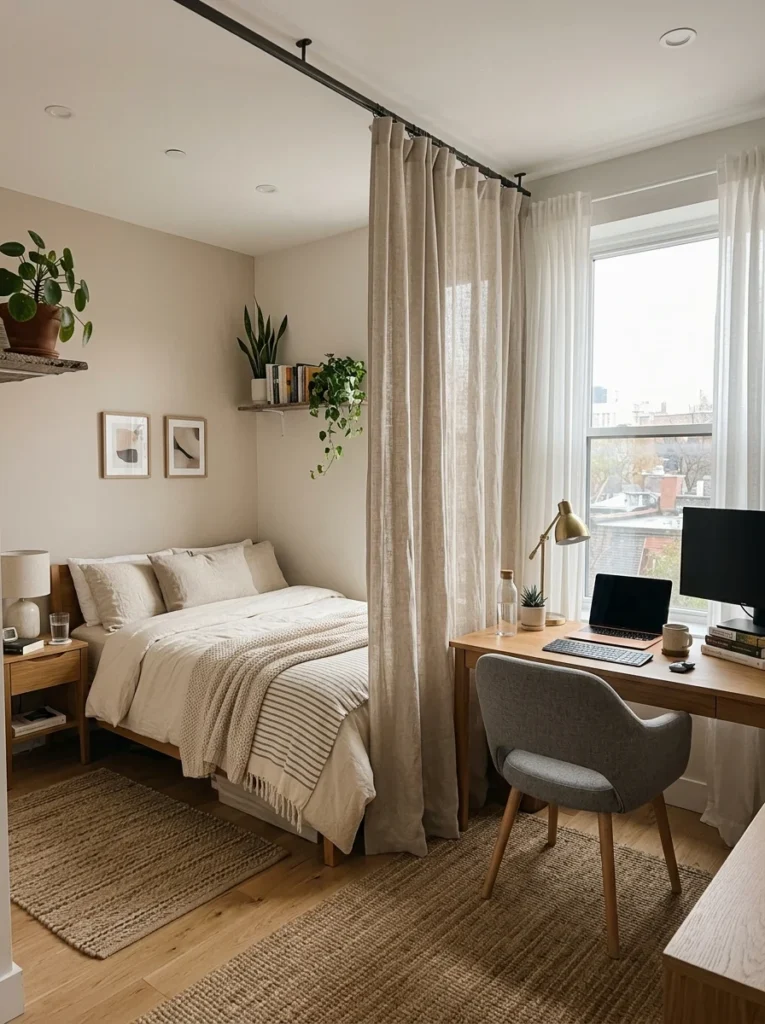
Use curtains or a room divider to create a sense of separate zones if needed
If a small bedroom needs to serve multiple functions, sleep and a small work or dressing area, a simple curtain or slim room divider can create a visual distinction between these zones without requiring any actual wall or permanent structure, helping the room feel more intentionally organized rather than one undifferentiated small space trying to do everything at once.
Choose multi-functional furniture wherever possible
A storage ottoman that doubles as extra seating, a bench at the foot of the bed with a lift-top for storage, or a nightstand with drawers rather than open shelving all extend the functional value of furniture already occupying the room’s limited floor space, which matters more in a small bedroom where there’s little room to accommodate single-purpose pieces alongside genuinely necessary furniture.
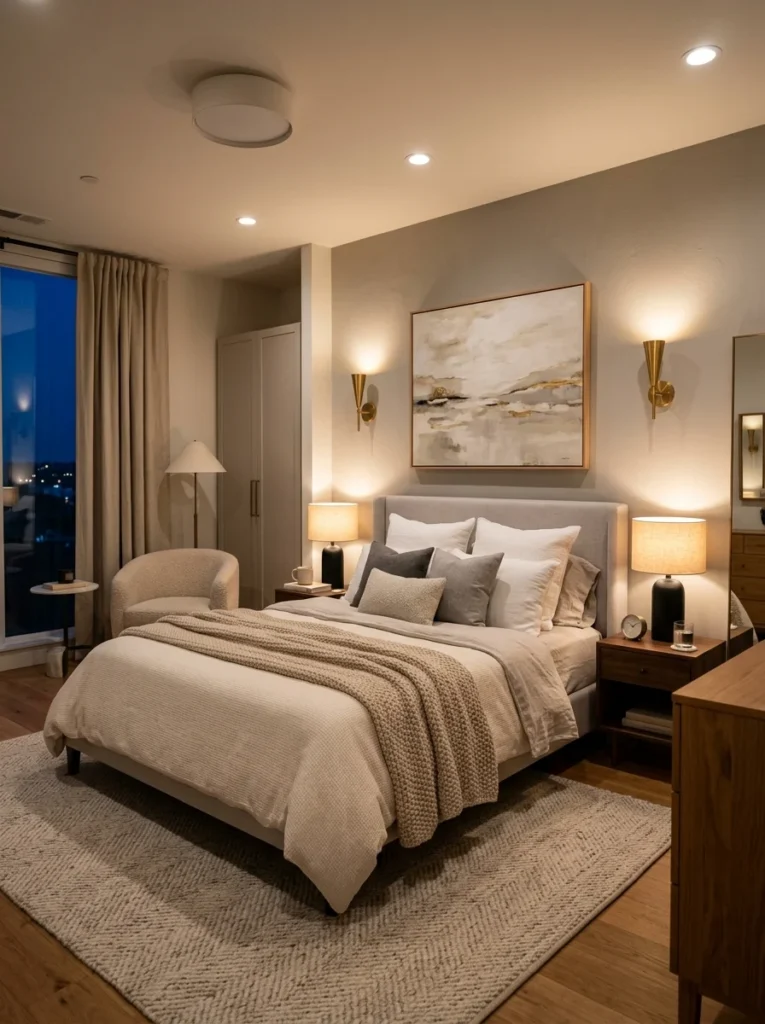
Use layered lighting rather than a single overhead fixture
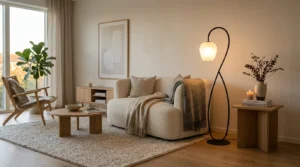
A small bedroom benefits from the same layered lighting approach useful in any bedroom, a bedside lamp, perhaps a small wall-mounted sconce freeing up nightstand space, and the overhead fixture reserved for brighter, functional moments, but this matters even more in a compact room where a harsh single light source can make the space feel smaller and less inviting than layered, warmer lighting options would.
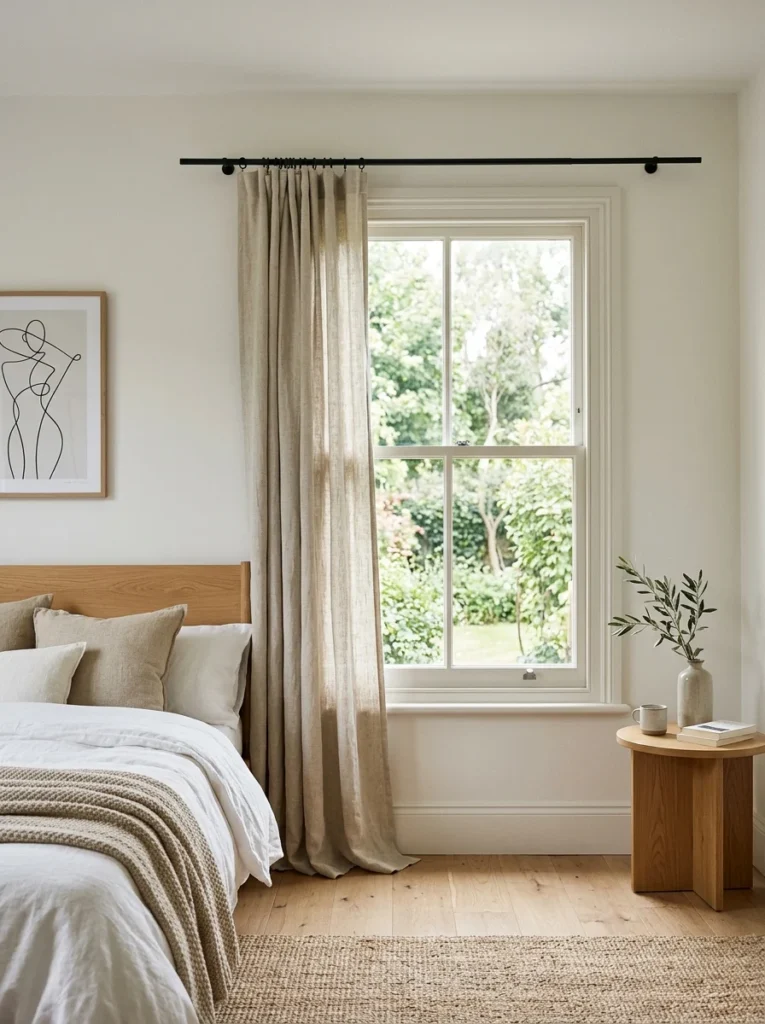
Choose window treatments that don’t consume visual or physical space
Heavy, bulky curtains or elaborate window treatments can make a small bedroom feel more closed in, while simpler, well-fitted curtains or blinds that sit close to the window frame preserve more of the room’s visual openness. Choosing a curtain rod that extends slightly beyond the window frame, rather than one sized exactly to it, can also make the window itself appear larger, contributing to the room’s overall sense of space.
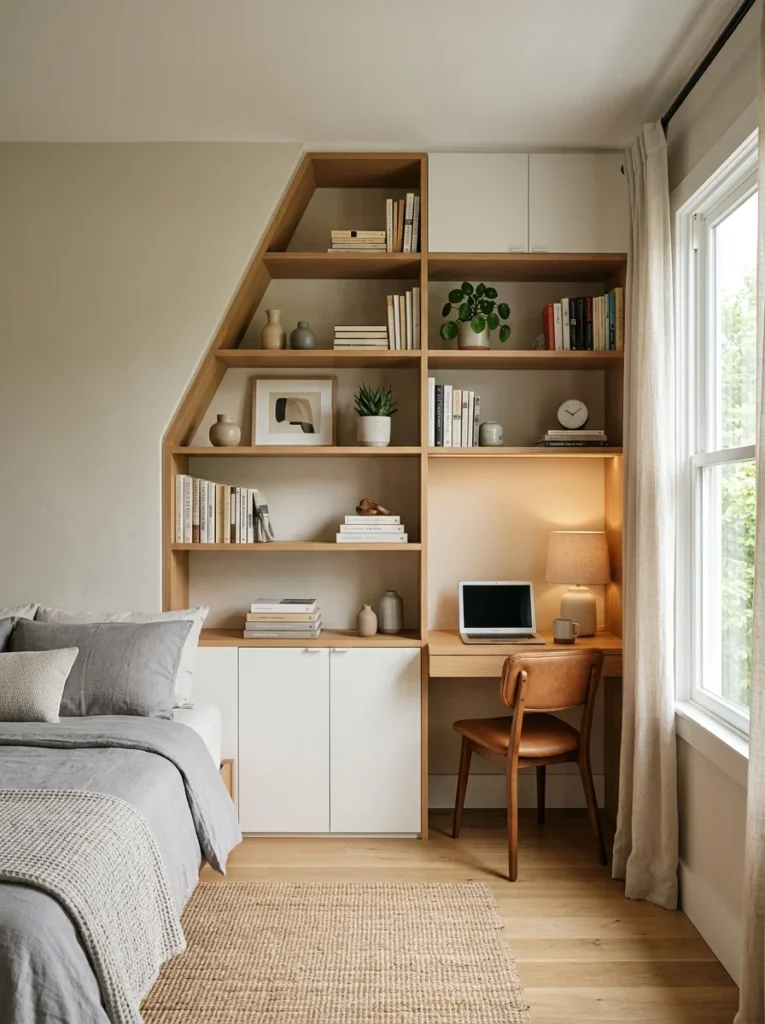
Consider built-in or custom storage for genuinely awkward spaces
A small bedroom often has an awkward nook, alcove, or oddly shaped corner that standard furniture doesn’t fit well, and custom or built-in shelving specifically designed for that unique space can make use of square footage that would otherwise sit completely unused. While this represents a bigger investment than most other suggestions here, it’s worth considering for a bedroom you plan to live in for many years, where the long-term storage benefit can justify the upfront cost.
Reduce the number of decorative accessories to keep the room feeling calm
In a small bedroom, too many decorative accessories, several small picture frames, numerous decorative pillows, various trinkets, can quickly make the room feel cluttered and visually busy in a way that has an outsized effect compared to the same volume of decor in a larger room. Choosing a smaller number of meaningful pieces rather than filling every available surface helps a small bedroom feel considered and calm rather than crowded.
Should I choose a smaller bed size for a small bedroom?
It’s worth considering a size that leaves comfortable walking space around it, even if a larger size would technically fit, since a bed that dominates nearly every square foot of floor space tends to make the whole room feel considerably more cramped than one with adequate clearance.
Is under-bed storage really useful in a small bedroom?
Yes, the space beneath a bed frame is often completely unused despite representing significant potential storage capacity, and flat, low-profile bins or a frame with built-in drawers can hold off-season items without requiring any additional floor space elsewhere in the room.
Does a mirror actually make a small bedroom feel bigger?
Yes, a large mirror positioned to reflect a window or open area of the room creates genuine visual depth and spaciousness, making it one of the most effective, relatively low-cost design tricks available for a small bedroom specifically.
What’s the best way to add a workspace to a small bedroom?
A slim, fold-down desk that mounts to the wall and folds flat when not in use provides a functional work surface without permanently occupying floor space, which is particularly valuable in a small bedroom that can’t spare a permanently placed desk.
Does multi-functional furniture really help in a small bedroom?
Yes, pieces like a storage ottoman or a bench with a lift-top extend the functional value of furniture already occupying limited floor space, which matters more in a small bedroom than in a larger room with room to spare for single-purpose pieces.
What window treatments work best in a small bedroom?
Simpler, well-fitted curtains or blinds that sit close to the window frame, rather than heavy or elaborate treatments, preserve more visual openness, and a curtain rod extending slightly beyond the window frame can make the window itself appear larger.
Should I invest in custom storage for an awkward small bedroom layout?
For a bedroom you plan to live in long-term, custom or built-in shelving designed specifically for an odd nook or alcove can make use of otherwise wasted square footage, and the long-term storage benefit often justifies the higher upfront cost compared to standard furniture that wouldn’t fit the space well.
A small bedroom can function beautifully once every wall, corner, and vertical inch is treated as potential storage or function rather than just the floor area around the bed. Choosing a proportional bed size, maximizing vertical storage, using a mirror and light colors for openness, and keeping the floor genuinely clear all contribute to a small bedroom that feels considerably larger than its actual square footage suggests.
My own tiny first-apartment bedroom eventually became a space I genuinely enjoyed, not because it grew any larger, but because I finally started using the walls and vertical space with real intention rather than accepting the room’s limitations as a fixed, unsolvable constraint. If your own small bedroom still feels impossibly cramped, start by looking up and toward the walls; the extra function you need is very likely already there, simply not yet being used.