I’ve lived in the same small one-bedroom apartment for several years now, and for the first year or so, I’d do an intense, thorough declutter every few months, only to find the same overwhelming clutter creeping back within weeks each time. It took a while to realize the problem wasn’t the decluttering sessions themselves, which genuinely worked well temporarily; it was that I had no actual system preventing the same accumulation patterns from simply repeating right afterward. Building genuine, sustainable systems, rather than just repeating periodic big cleanups, is what finally broke that frustrating cycle in a space with genuinely limited room for anything to go wrong.
A small apartment amplifies the effects of clutter far more than a larger home, since there’s simply less space to absorb accumulation before it becomes genuinely overwhelming. Here’s what actually keeps ours clutter-free between those occasional deeper declutters.
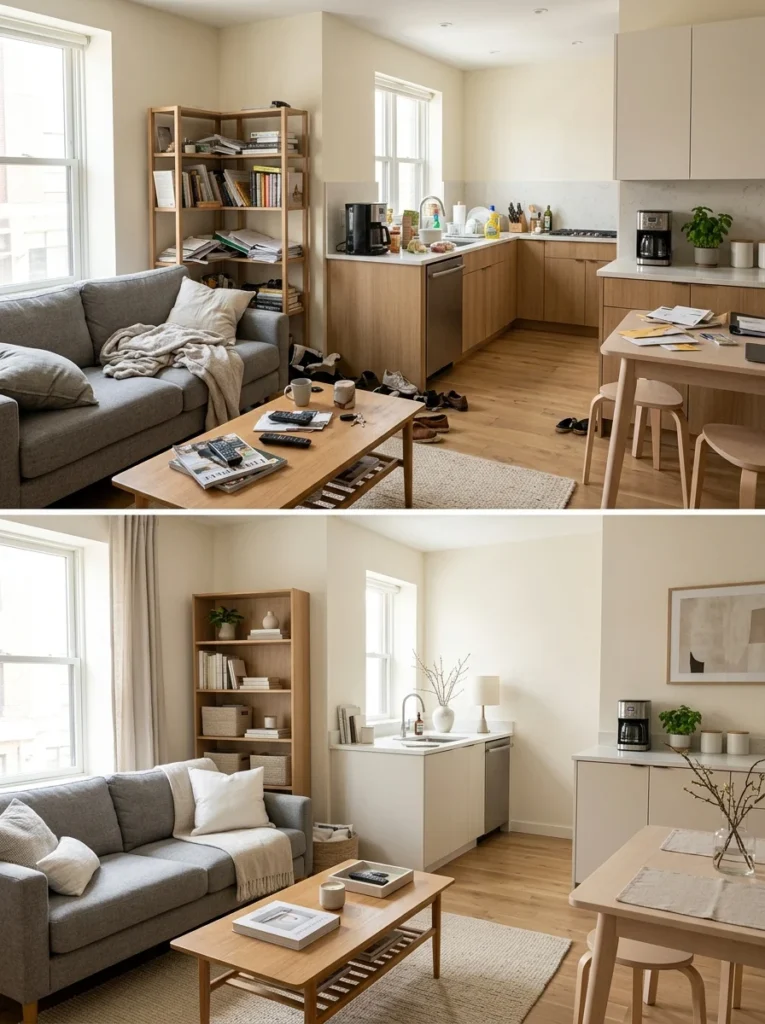
Apply a strict one-in-one-out rule given limited space
In a small apartment, a consistent one-in-one-out rule, where bringing in a new item of a certain category requires removing an existing one, isn’t just a nice suggestion; it’s often a genuine practical necessity given how quickly limited storage fills up otherwise. Applying this rule consistently, particularly for clothing, books, and kitchen items, prevents the kind of gradual accumulation that eventually requires another full decluttering session to correct.
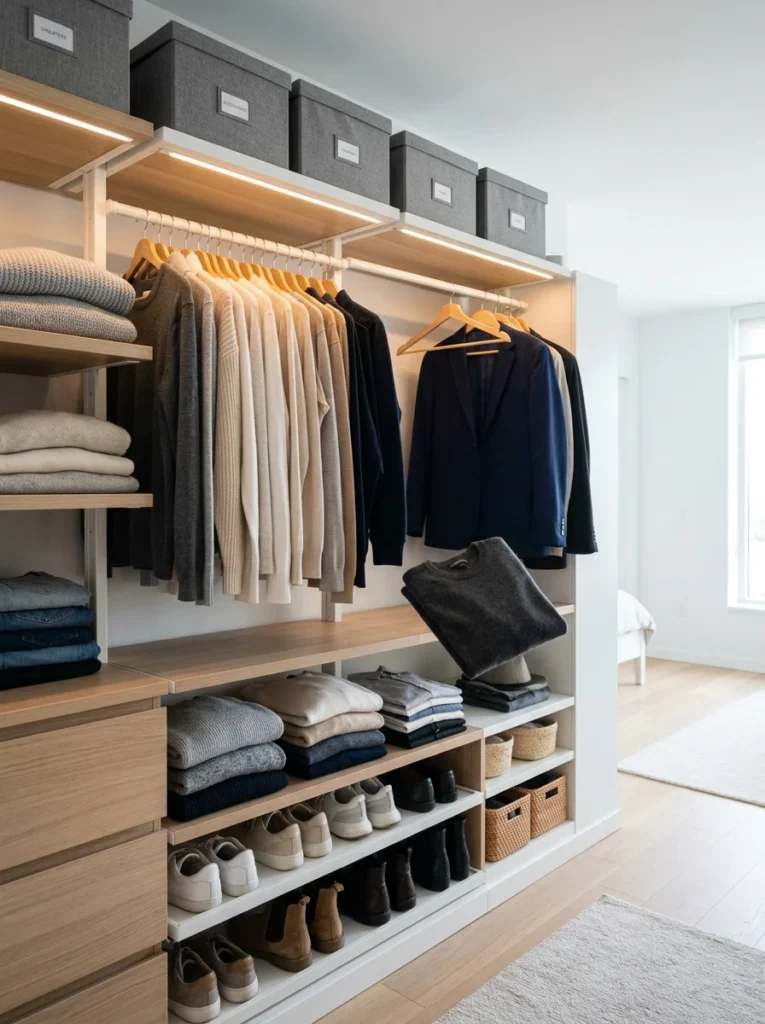
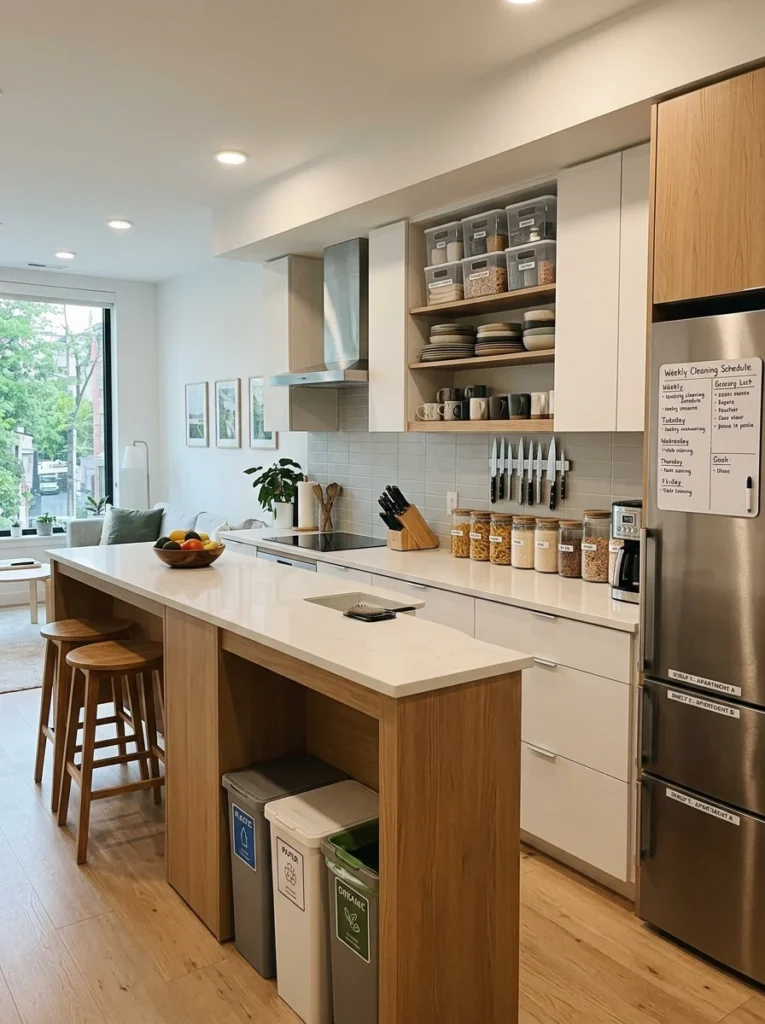
Do a nightly ten-minute reset given how quickly a small space shows clutter
A small apartment shows visible clutter considerably faster than a larger home, since there’s less square footage to visually absorb a few out-of-place items before the whole space starts feeling chaotic. A brief, consistent nightly reset, returning items to their designated spots before bed, matters even more in this context than in a larger home, since skipping even one or two nights can noticeably affect how the space feels the very next day.
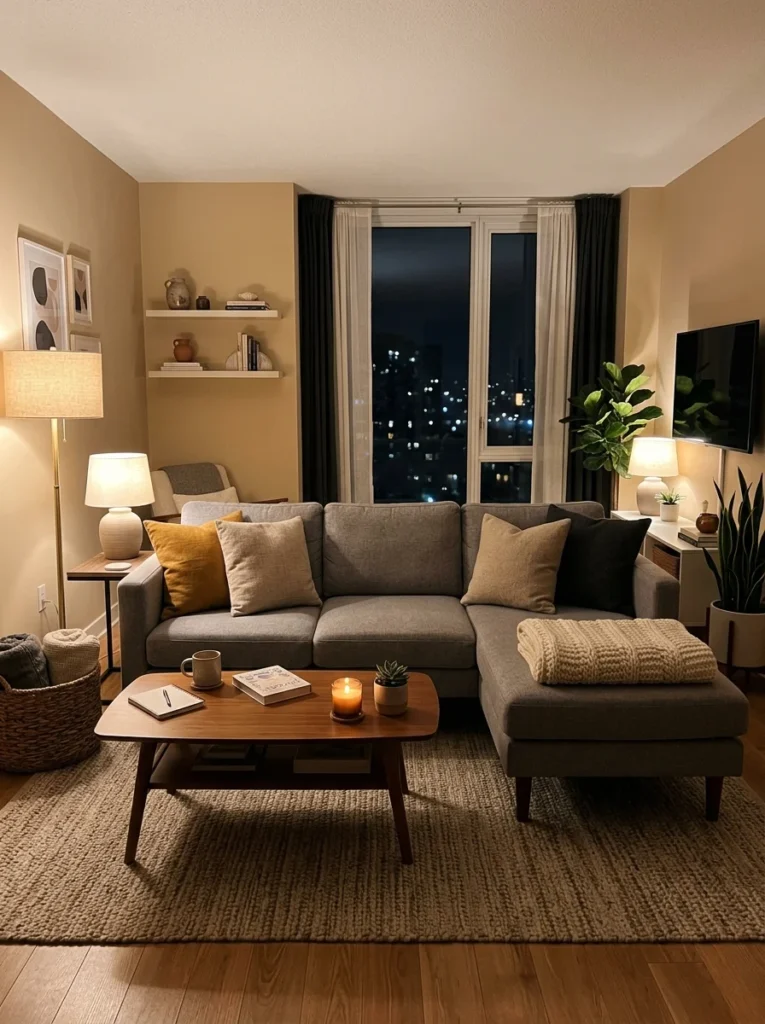
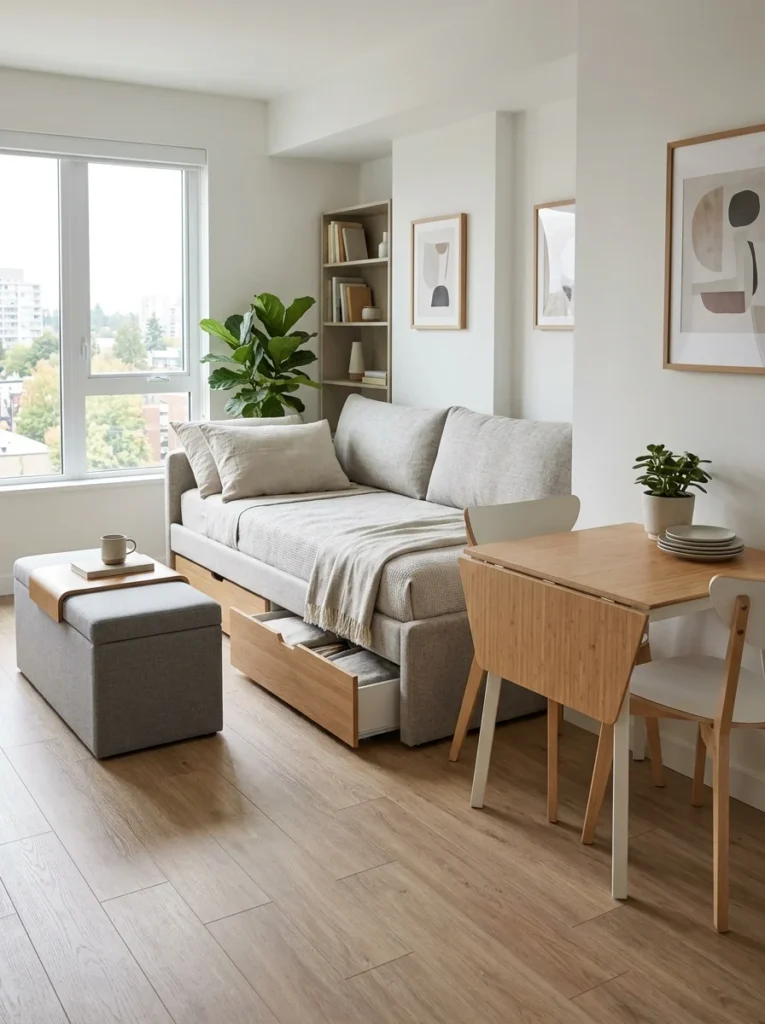
Choose multi-functional furniture to reduce total volume needed
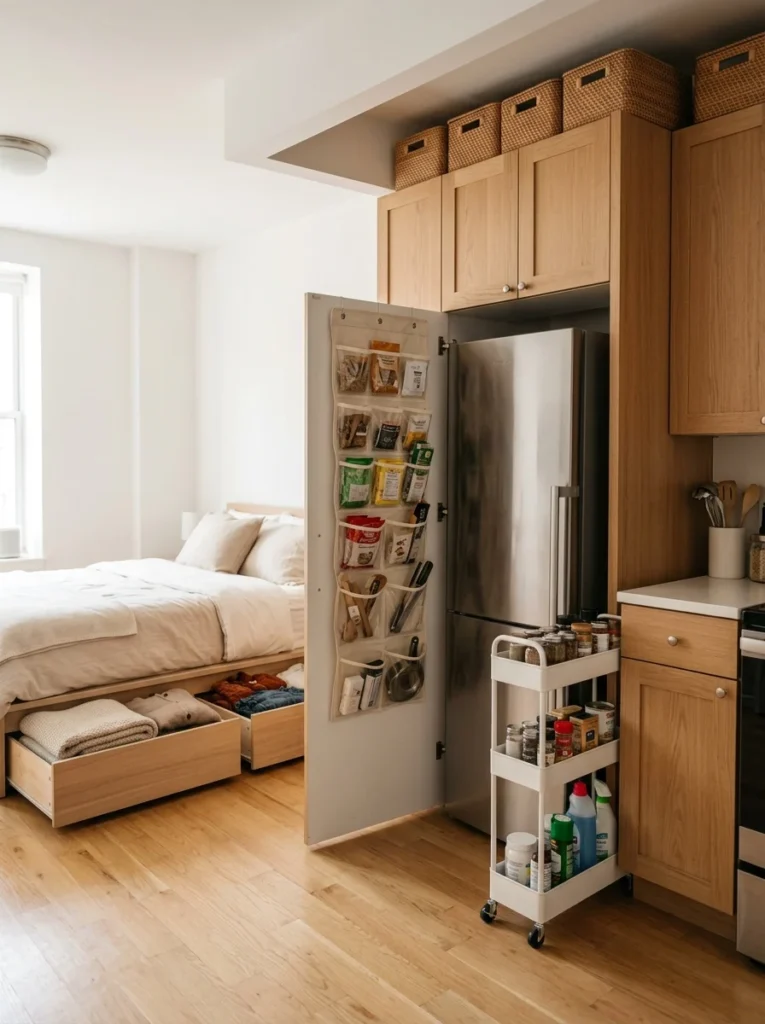
Furniture that serves more than one purpose, a storage ottoman, a bed frame with built-in drawers, a dining table that folds down when not in use, reduces the total number of individual furniture pieces a small apartment needs, which directly reduces both the visual clutter and the genuine floor space multiple single-purpose pieces would otherwise require.
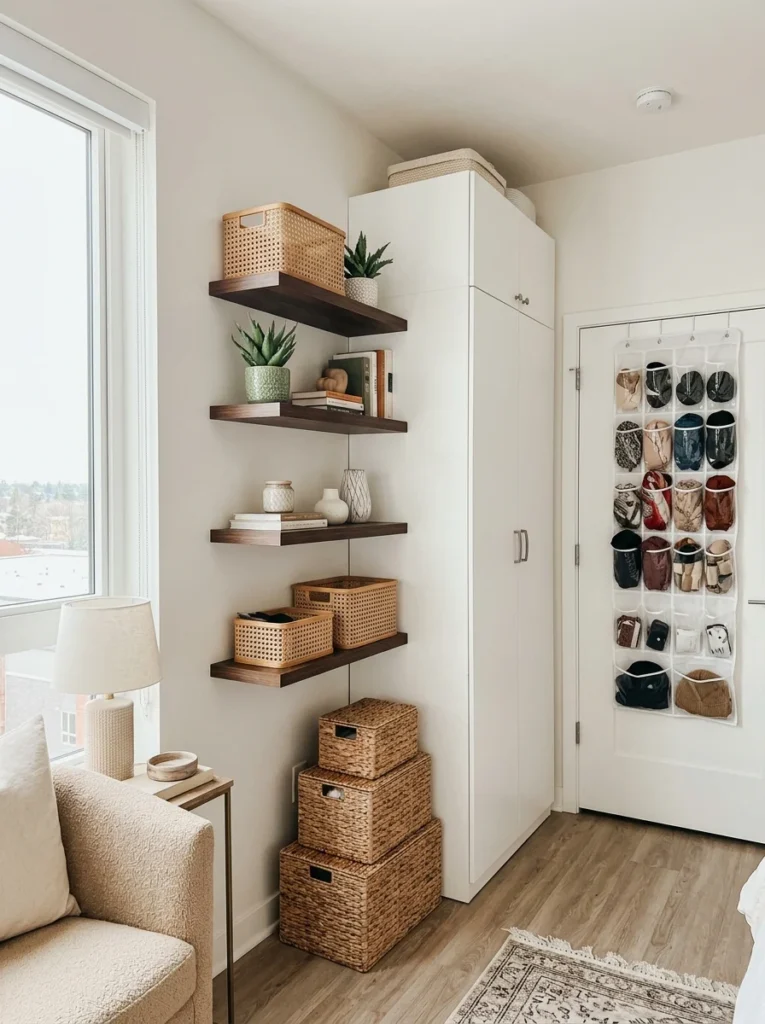
Maximize vertical storage rather than accepting limited floor space as a fixed constraint
Wall-mounted shelving, over-the-door organizers, and tall, narrow storage units all make use of vertical space that a small apartment’s limited floor area can’t otherwise accommodate, extending genuine storage capacity well beyond what the apartment’s square footage alone might suggest is possible.
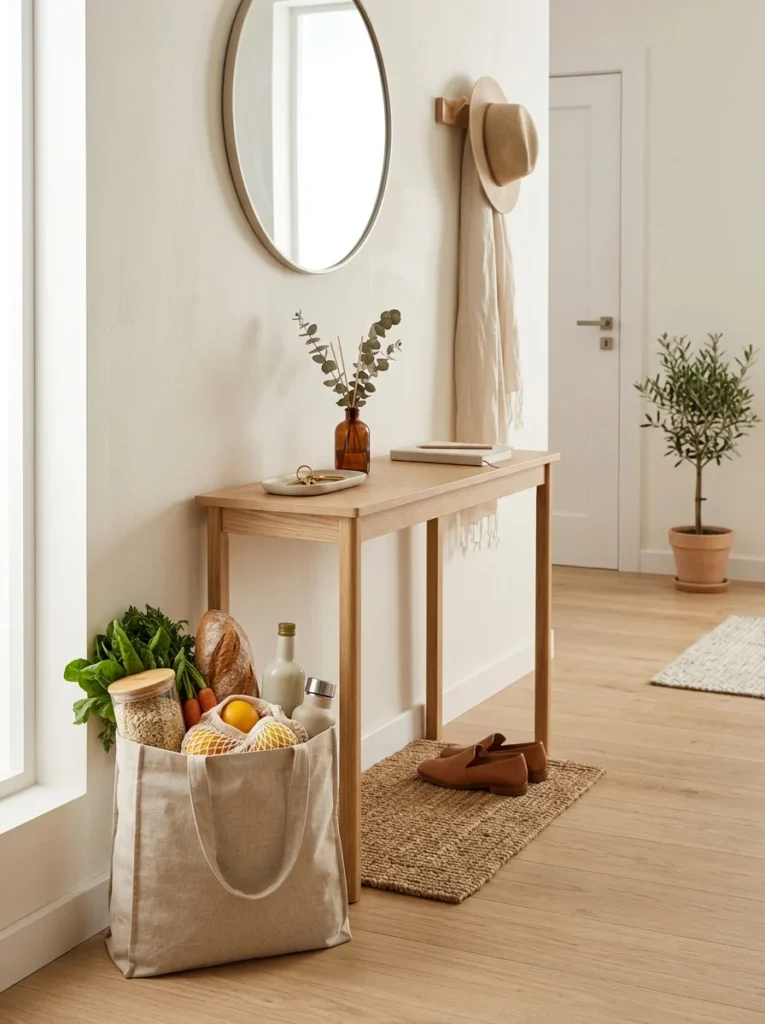
Be especially selective about what enters the apartment in the first place
Given how quickly a small space fills up, being genuinely selective before any new purchase, asking whether an item is truly needed and where specifically it will be stored, matters more in a small apartment than it might in a larger home with more forgiving storage capacity to absorb the occasional impulse purchase without immediate consequence.
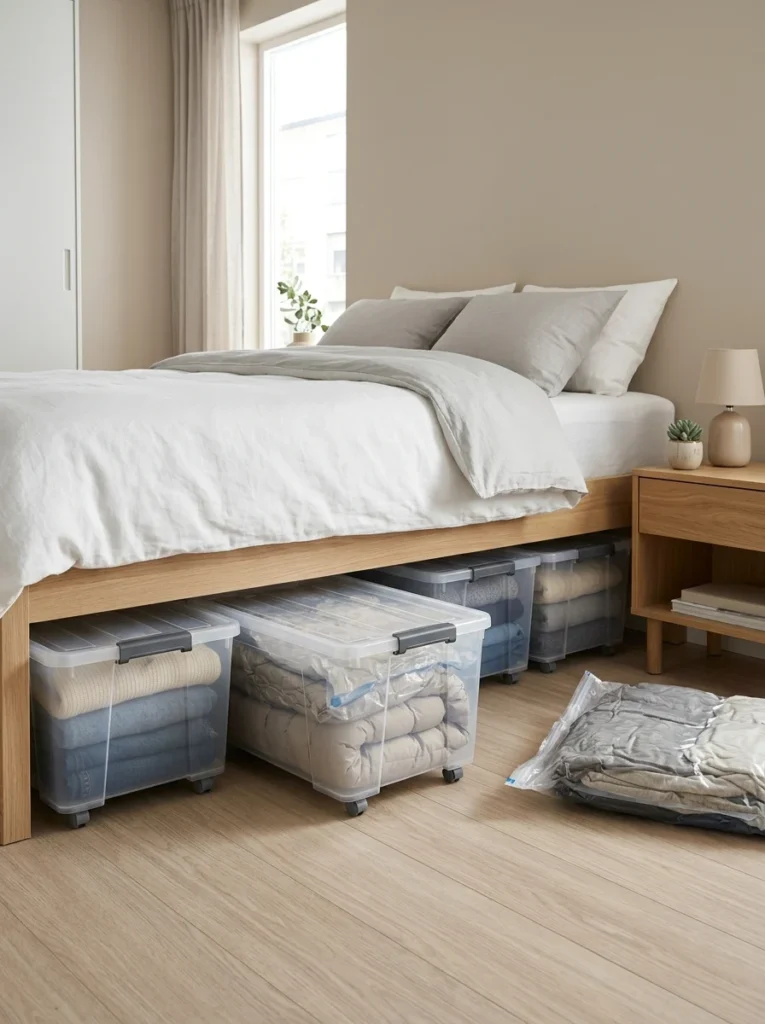
Keep seasonal items in efficient, space-saving storage
Seasonal clothing, holiday decorations, and other infrequently used items that still need to be kept can be stored in space-saving vacuum-sealed bags or slim under-bed containers, freeing up more accessible, everyday storage for items genuinely in current, regular use rather than allowing rarely accessed seasonal items to compete for a small apartment’s limited prime storage space.
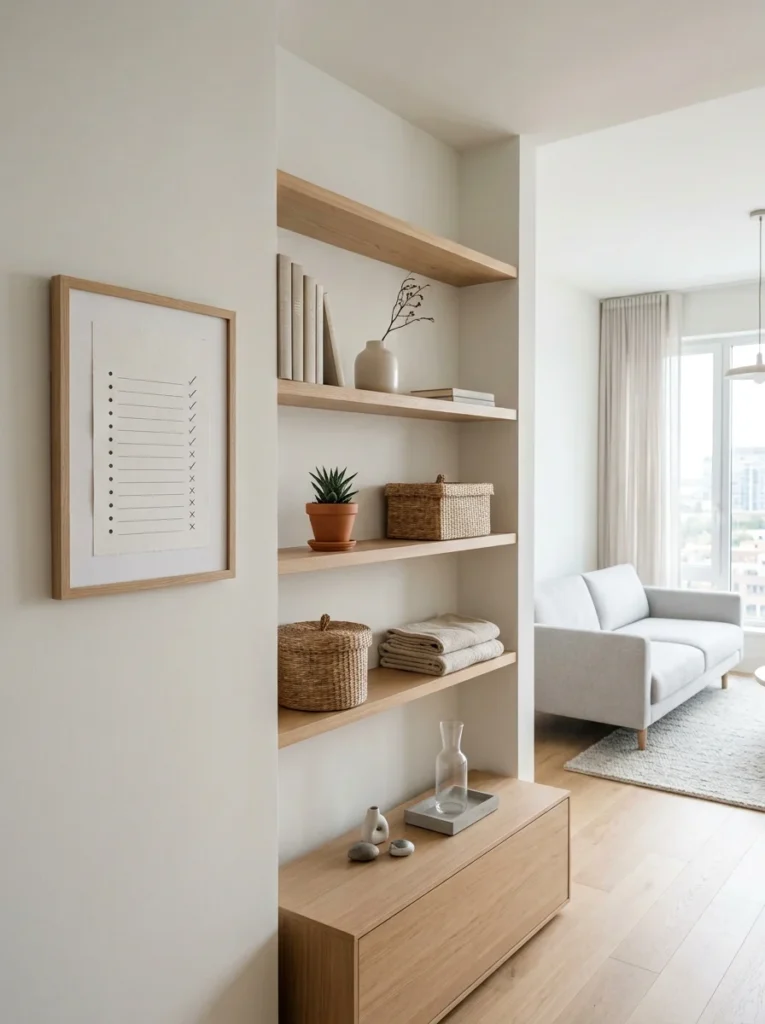
Regularly reassess whether items still earn their place in a limited space
In a small apartment specifically, periodically reassessing whether each category of belongings still earns its place, given how precious the available storage genuinely is, matters more than it might in a larger home where an item that’s rarely used can simply sit in an underutilized corner without much practical consequence.
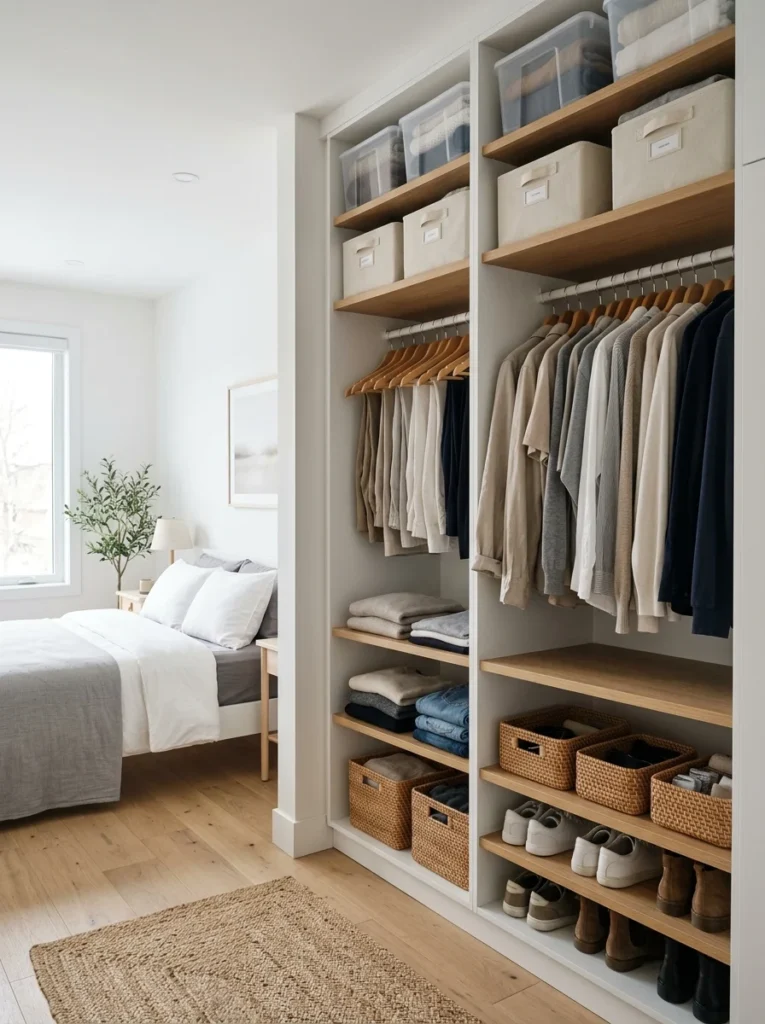
Use clear storage containers to see what you have without digging
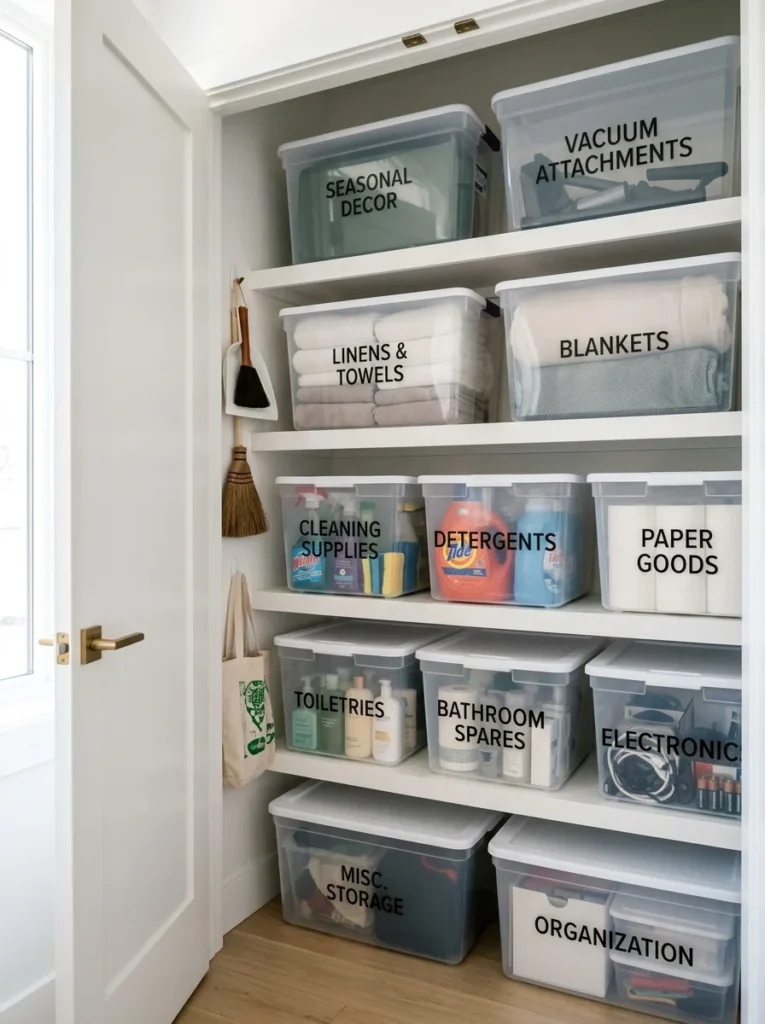
Clear, labeled storage containers let you quickly see contents without needing to open and dig through multiple opaque boxes, which is particularly valuable in a small apartment where storage space is often tucked into less immediately visible spots, closets, under furniture, high shelves, that benefit from being easy to assess at a glance rather than requiring active searching.
Avoid decorative clutter that doesn’t serve genuine function or joy
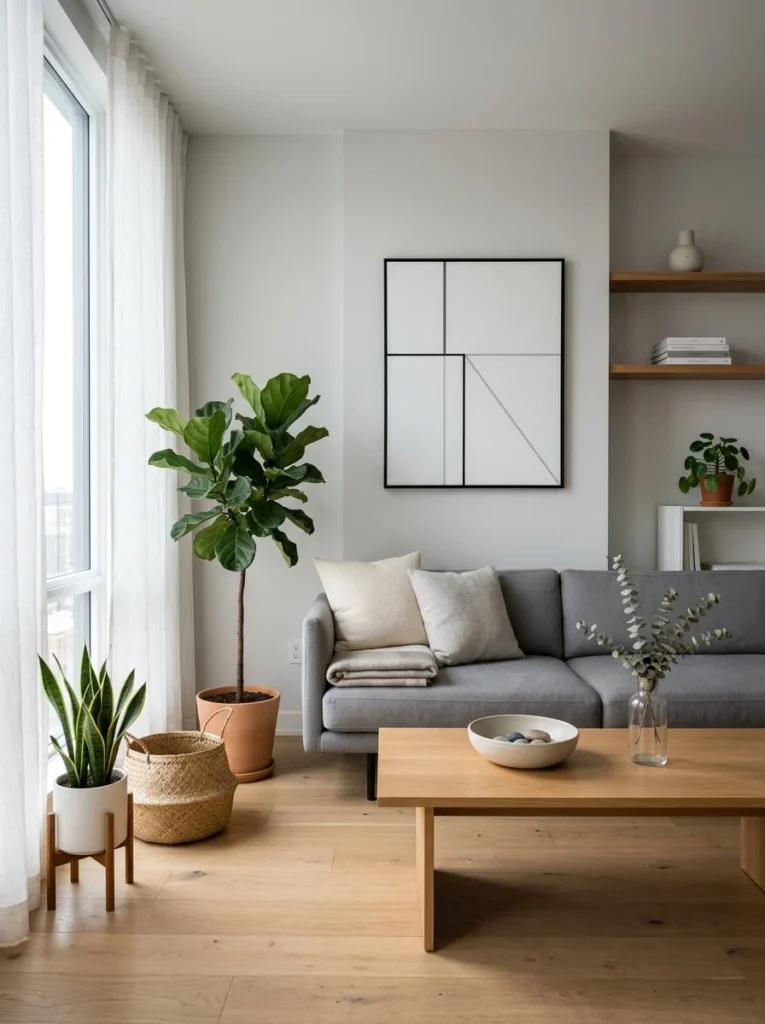
In a small space, purely decorative items that don’t provide genuine function or meaningful personal joy have an outsized negative impact on how open and calm the apartment feels, more so than in a larger home where the same volume of decor might be more easily absorbed by additional square footage. Being more selective about decor specifically, keeping only pieces that genuinely matter, helps a small space feel considered rather than crowded.
Establish designated homes for every category of item, no exceptions
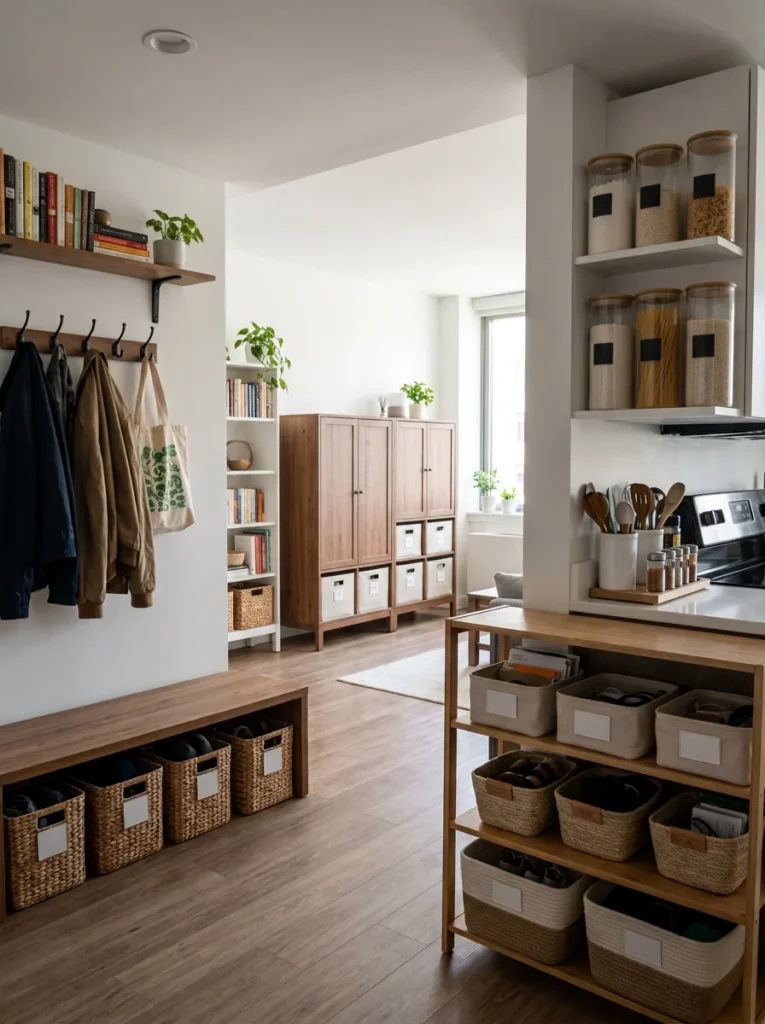
In a small apartment, there’s genuinely no room for items without a clear, designated home, since anything without a specific place inevitably ends up as visible clutter on whatever surface is nearest when it’s set down. Being disciplined about ensuring every category of belonging has an actual assigned spot, rather than allowing any exceptions, matters more in this context than it might in a larger home with more forgiving surplus space.
Use renter-friendly storage solutions if permanent changes aren’t possible
For a rented small apartment where drilling or permanent modifications aren’t allowed, removable adhesive hooks, tension rods, and freestanding shelving units provide meaningful additional storage without requiring any changes the landlord would object to or that would need reversing before moving out. These solutions offer much of the organizational benefit of built-in storage while remaining fully compatible with typical rental restrictions.
Establish clear agreements if sharing the space with a roommate
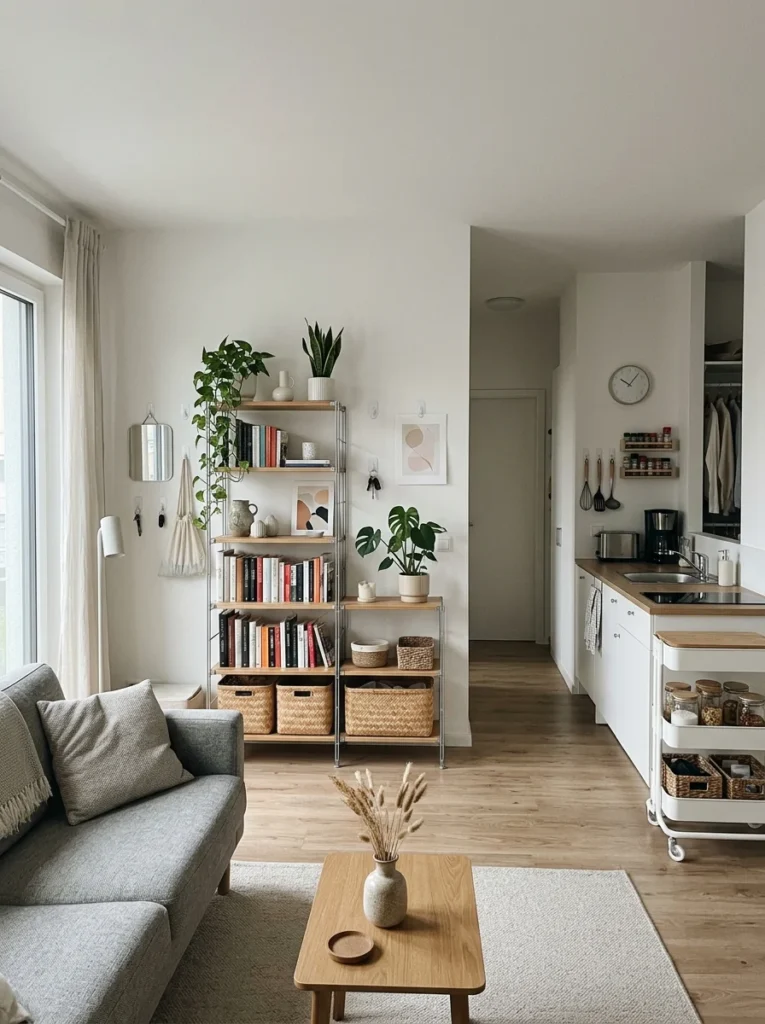
In a shared small apartment, establishing clear, specific agreements about shared versus individual storage space, whose items go where in shared areas like a kitchen or living room, and general expectations around tidiness, prevents a significant source of friction and clutter that comes from ambiguous, undiscussed assumptions about shared space in a genuinely tight living situation where there’s little room for misunderstandings to play out comfortably.
Take advantage of hidden storage opportunities specific to small apartments
Small apartments often have underutilized spaces worth specifically identifying, the back of closet doors, the space above kitchen cabinets, gaps beside a refrigerator or between furniture and a wall, that can accommodate slim storage solutions specifically designed for these unusual, narrow spots. Actively searching your specific apartment for these often-overlooked opportunities, rather than assuming all available storage is already obvious, can reveal meaningful additional capacity.

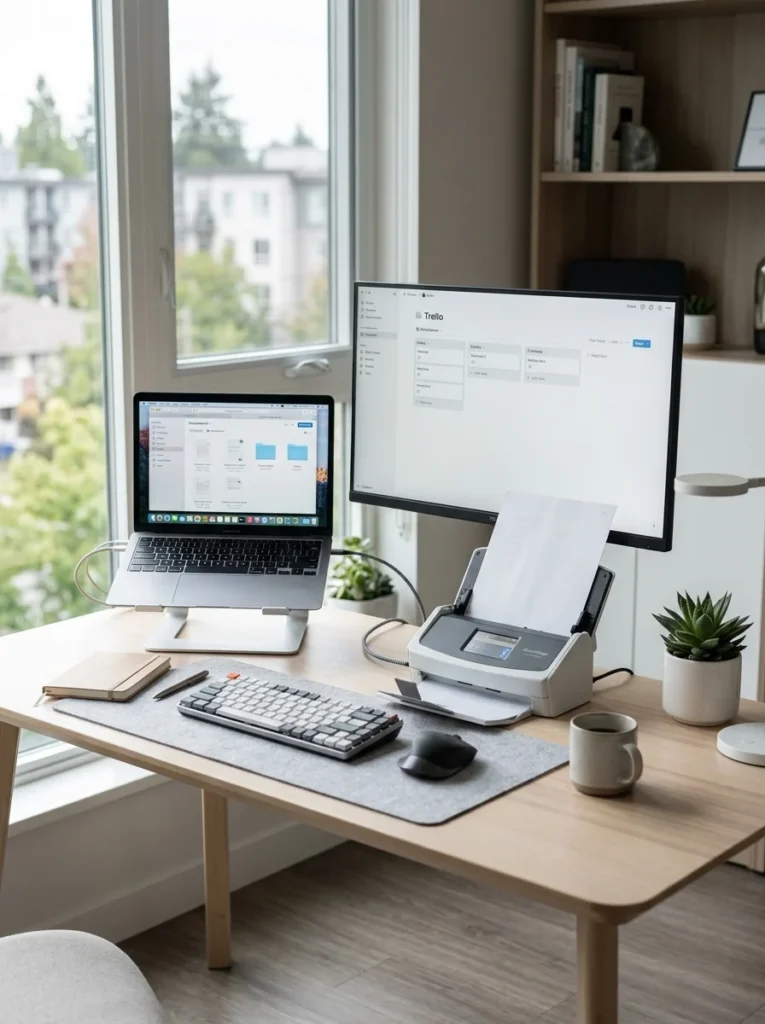
Digitize what you can to reduce physical storage needs
Digitizing documents, photos, and other paper-based items that don’t need to be kept in physical form specifically reduces the physical storage burden a small apartment has to accommodate, applying the same digital decluttering principles covered in more detail elsewhere to directly address one of the more space-consuming categories of belongings in a genuinely limited physical space.
Rotate seasonal wardrobe items to maximize closet efficiency
Rather than keeping a full wardrobe spanning every season simultaneously accessible in a small apartment’s limited closet space, storing out-of-season clothing in space-saving containers, whether under a bed or in a small amount of secondary storage if available, and swapping the accessible wardrobe seasonally keeps the everyday closet considerably more manageable than trying to fit an entire year’s wardrobe into one space at once.
Is a one-in-one-out rule really necessary in a small apartment?
It’s genuinely more important in a small apartment than in a larger home, since limited storage fills up much faster, making this rule a practical necessity for preventing the kind of gradual accumulation that would otherwise require another full decluttering session.
What’s the best way to add storage in a small apartment without more floor space?
Wall-mounted shelving, over-the-door organizers, and tall, narrow storage units make use of vertical space, extending genuine storage capacity considerably beyond what the apartment’s floor area alone would suggest is possible.
How often should I reassess my belongings in a small apartment?
More frequently than in a larger home, since limited storage space is genuinely precious, periodically reassessing whether each category of belongings still earns its place helps prevent slow accumulation from becoming overwhelming again.
Does decorative clutter matter more in a small space?
Yes, purely decorative items without genuine function or meaningful personal joy have a more noticeable negative impact on how open a small apartment feels compared to a larger home, where the same volume of decor might be more easily absorbed by additional square footage.
What storage options work in a rental where I can’t drill or make permanent changes?
Removable adhesive hooks, tension rods, and freestanding shelving units provide meaningful additional storage without any changes a landlord would object to, offering much of the benefit of built-in storage while remaining fully reversible before moving out.
How should roommates handle shared storage in a small apartment?
Establishing clear, specific agreements about whose items go where in shared areas, along with general tidiness expectations, prevents a significant source of friction that comes from ambiguous, undiscussed assumptions in a genuinely tight shared living situation.
Is it worth rotating seasonal clothing in a small closet?
Yes, storing out-of-season clothing in space-saving containers and swapping the accessible wardrobe seasonally keeps a small closet considerably more manageable than trying to fit an entire year’s wardrobe into limited space simultaneously.
Keeping a small apartment clutter-free long-term comes down to genuine ongoing systems, a strict one-in-one-out rule, a nightly reset habit, multi-functional furniture, and vertical storage, rather than relying purely on periodic, intensive decluttering sessions that inevitably need repeating once the same underlying accumulation patterns resume unchecked.
Our own small apartment has stayed genuinely clutter-free for over a year now, not because we stopped acquiring anything new entirely, but because the systems we finally built actually prevent the same overwhelming buildup that used to require a fresh intensive declutter every few months. If your own small space keeps cycling between clean and chaotic, the fix likely isn’t another big cleanup session; it’s building the ongoing systems that prevent needing one in the first place.