

I’ve started more cleaning schedules than I can honestly count, elaborate spreadsheets with a different task assigned to every single day, color-coded charts pinned to the fridge, apps downloaded with genuine enthusiasm that lasted about two weeks before quietly disappearing from my routine entirely. Every one of these attempts eventually failed for roughly the same reason: they were built around an idealized version of my time and energy rather than my actual, realistic capacity on a typical week. The routine that finally stuck was considerably less impressive on paper, but it’s the one I’ve genuinely maintained for years now, specifically because I built it around real constraints rather than aspirational ones.
A cleaning routine that actually lasts has less to do with the specific schedule itself and more to do with how realistically it’s built around your actual life. Here’s what made the real difference for me.

Start with your actual available time, not your ideal available time
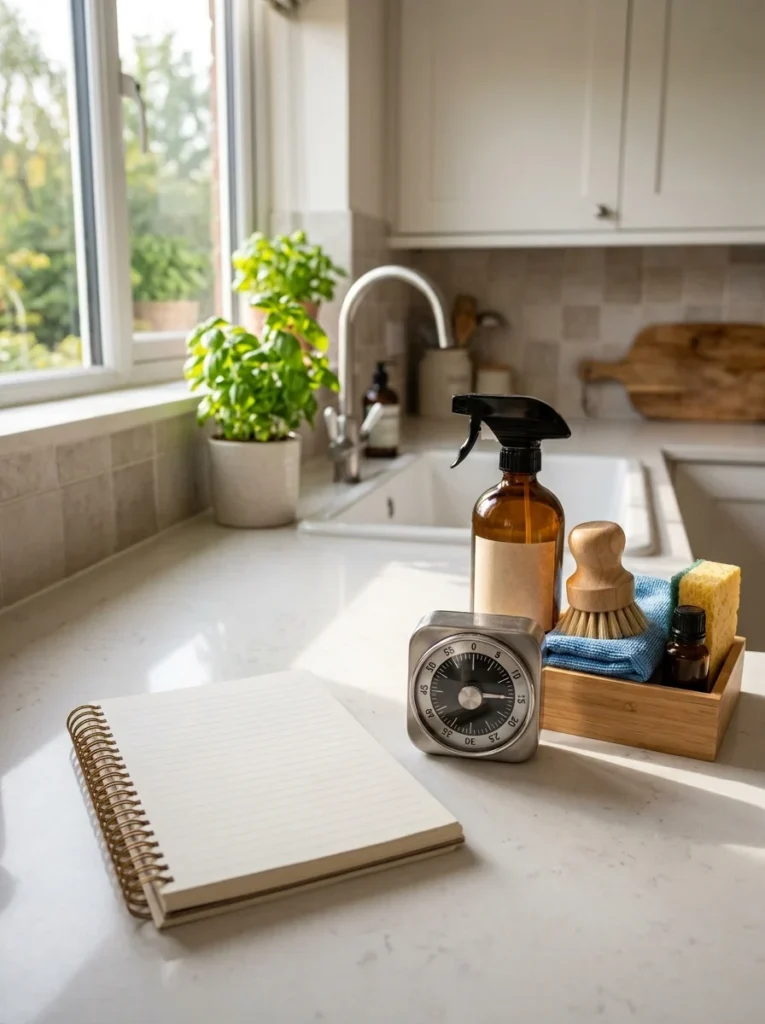
Before designing any schedule, honestly assess how much time you genuinely have available for cleaning on a typical day and week, not how much time you wish you had or think you should have. A routine built around fifteen realistic minutes a day will actually get done, while one built around an hour you don’t genuinely have will simply be skipped repeatedly until you eventually abandon the whole system.
Separate daily maintenance from weekly and monthly deeper tasks
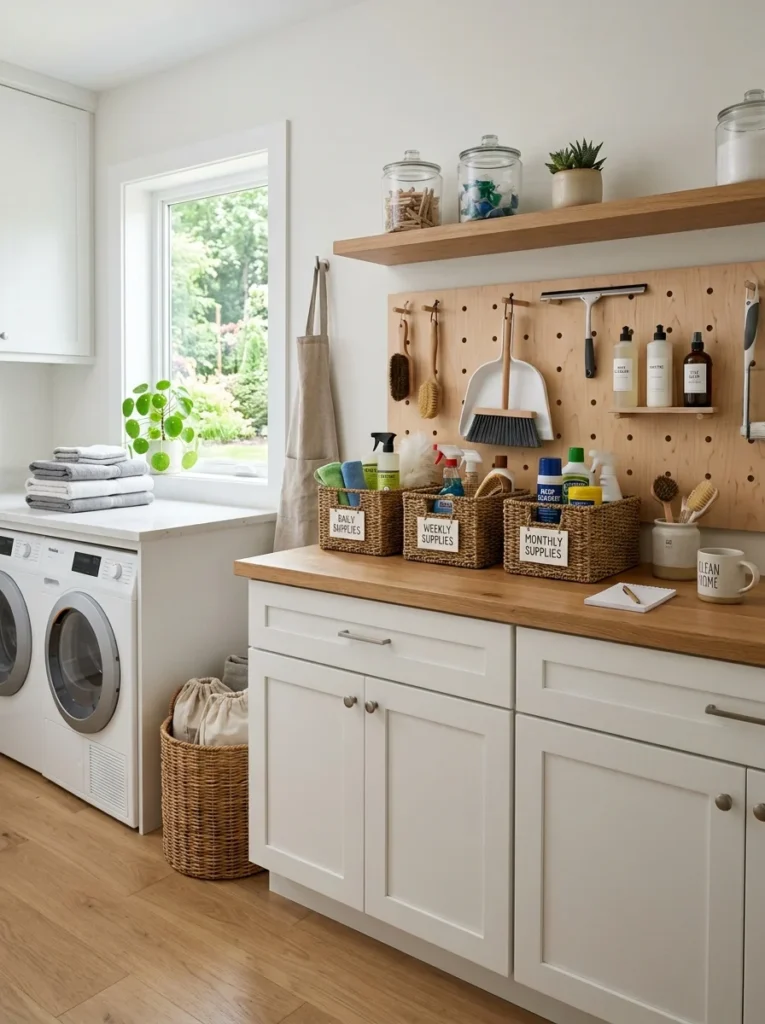
Trying to fit deep cleaning tasks, scrubbing baseboards, washing windows, into a daily routine alongside basic maintenance overloads what should be a quick, sustainable daily habit. Separating tasks into three genuine tiers, daily maintenance, a weekly deeper clean, and occasional monthly or seasonal tasks, keeps each individual session realistic and prevents the daily routine specifically from becoming so burdensome that it gets abandoned.
Assign specific tasks to specific days rather than a vague weekly list
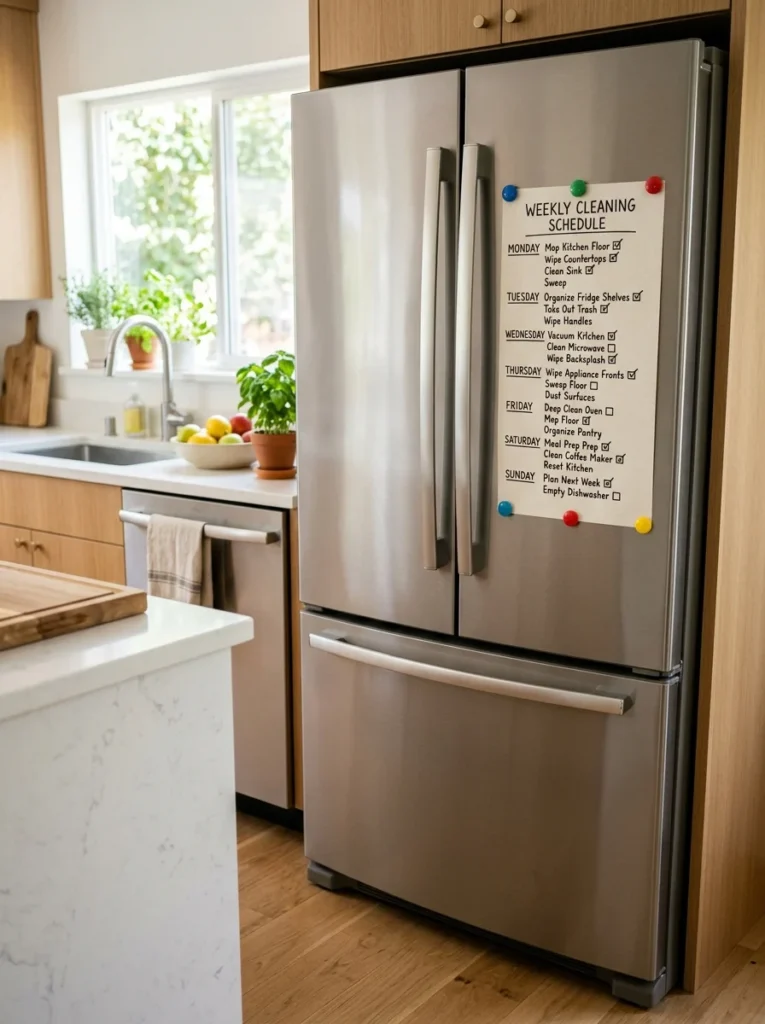
A vague list of everything that needs to happen sometime during the week tends to result in decision fatigue and procrastination, since there’s no clear moment when any specific task is actually due. Assigning bathrooms to one specific day, floors to another, and so on, removes the daily decision of what to clean and replaces it with a simple, established routine you can follow without much ongoing thought.
Build the routine around existing habits rather than creating standalone new ones
Attaching cleaning tasks to habits you already reliably do, wiping down the bathroom counter while your coffee brews, doing a load of laundry on the same day you always do groceries, tends to make the new habit stick considerably faster than trying to build entirely standalone new routines with no existing anchor. This technique, often called habit stacking, leverages routines your brain has already made automatic.

Make the routine visible without making it feel like pressure
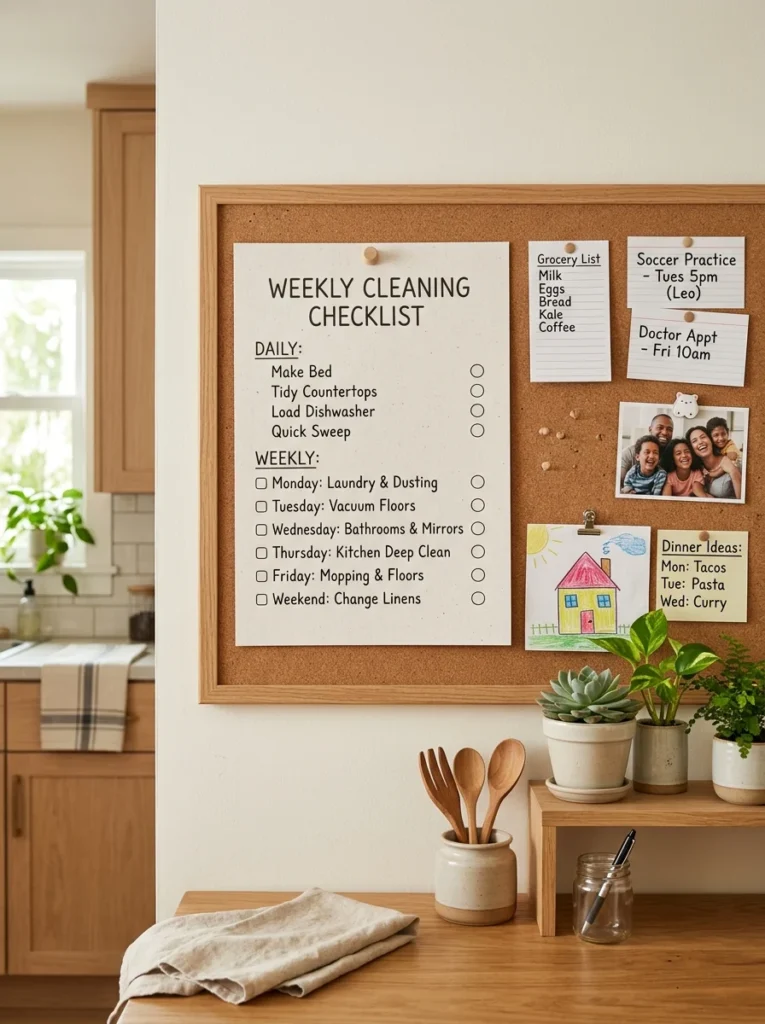
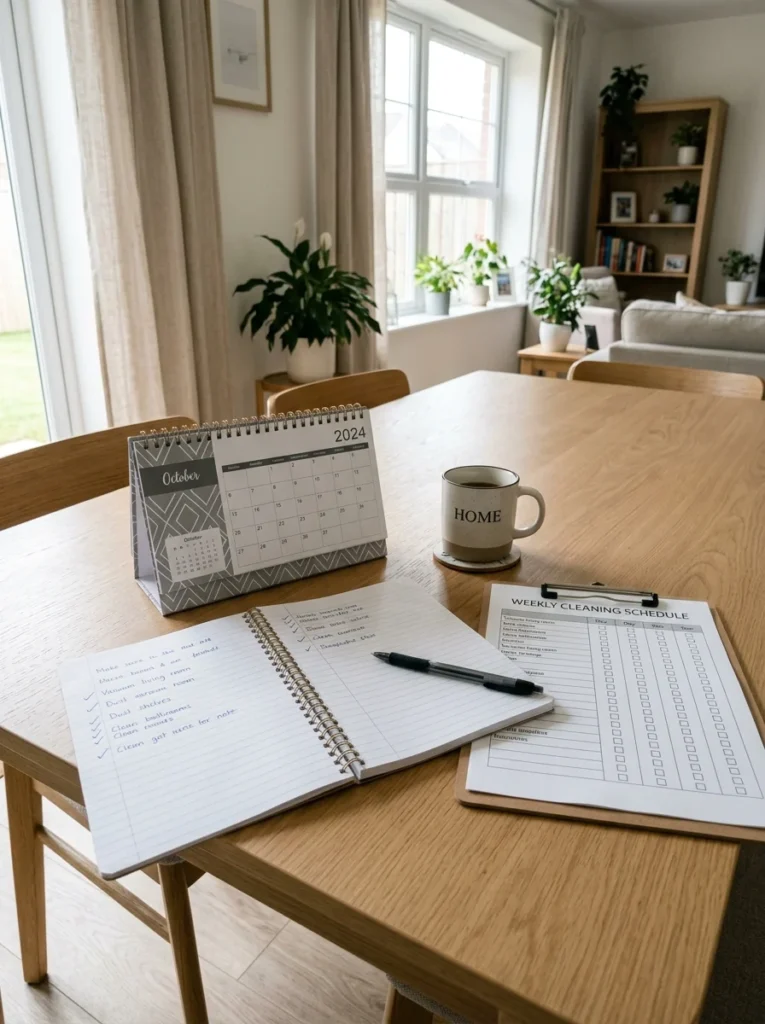
A simple, visible schedule, whether a physical checklist or a note on your phone, helps you remember and follow through on the routine without needing to hold every detail in your head. The key is keeping this visible reminder genuinely helpful rather than turning it into another source of guilt or pressure if a specific day gets missed occasionally, since an overly rigid, guilt-inducing system tends to get abandoned entirely after the first missed day rather than simply resumed the next day.
Build in flexibility for inevitable disruptions
Real life includes sick days, unexpected travel, and simply overwhelming weeks where the planned cleaning routine isn’t realistic to maintain exactly as designed. Building genuine flexibility into the system, an understanding that missing a day or a week doesn’t mean starting over or abandoning the whole approach, but simply picking back up at the next scheduled task, keeps minor disruptions from derailing the entire routine long-term.

Reduce the number of decisions required through simple systems
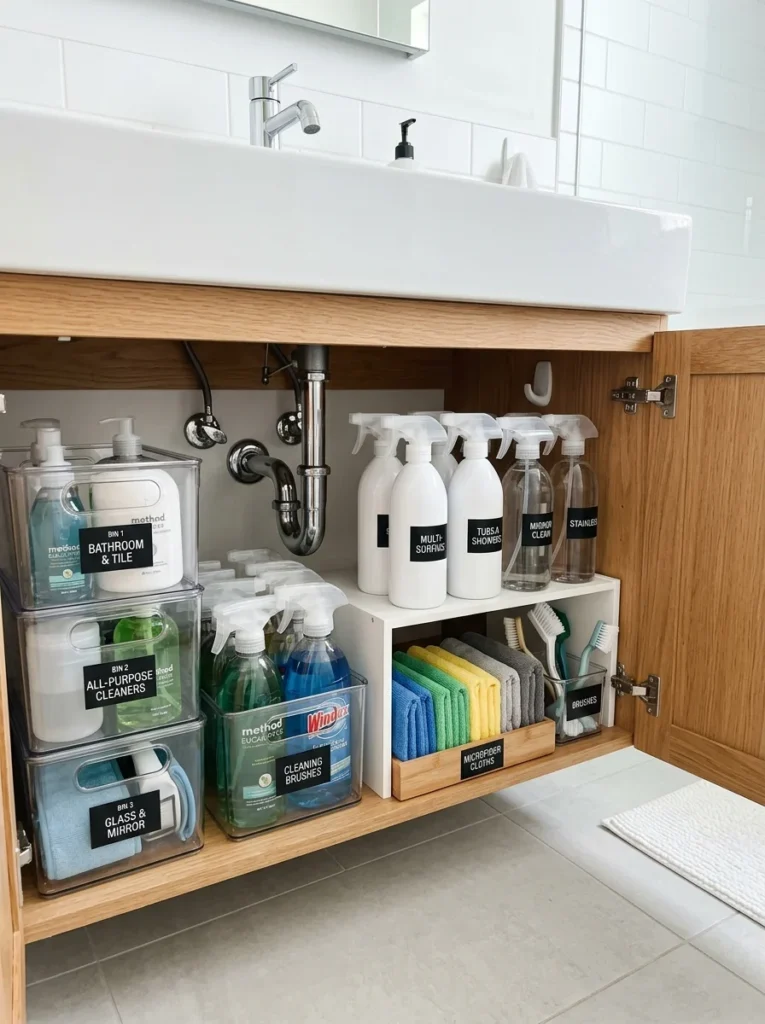
Keeping cleaning supplies stored specifically where they’re used, bathroom supplies in each bathroom rather than one central supply closet, reduces the friction and decision-making involved in actually starting a task, since you’re not spending time gathering supplies from elsewhere in the house before you can even begin. Small systemic changes like this reduce the overall effort required to follow through on the routine consistently.
Involve the whole household in age-appropriate ways
A cleaning routine that falls entirely on one person is both harder to sustain and often creates resentment over time, while a routine that distributes age-appropriate tasks across the whole household, based on genuine ability and availability, spreads both the workload and the responsibility for maintaining the system more fairly.

Track your consistency without becoming overly rigid about perfection
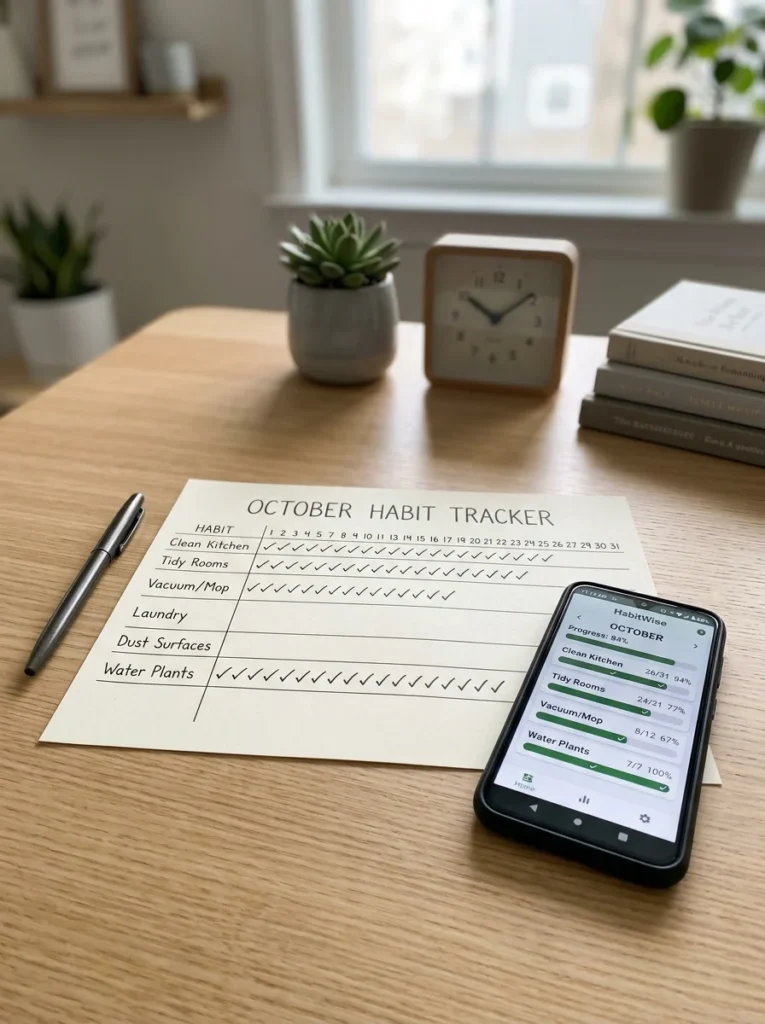
A simple way to track whether the routine is actually happening, a checked box on a calendar, a habit-tracking app, provides useful feedback about whether the system is genuinely sustainable or needs adjustment, without needing to achieve a perfect, unbroken streak to consider the routine successful. The goal is overall consistency over time, not flawless execution of every single scheduled task.
Reassess and adjust the routine periodically rather than assuming it’s fixed forever
A cleaning routine that worked well during one period of life, before a new job, a new baby, a change in living situation, may need genuine adjustment afterward rather than being abandoned entirely simply because it no longer fits as well as it once did. Revisiting the specific tasks, timing, and household assignments periodically keeps the system aligned with your actual current life rather than an earlier version of it.
Start with quick wins to build early momentum
When first establishing a new cleaning routine, beginning with a few quick, satisfying tasks, wiping down a kitchen counter, making the bed, clearing a cluttered surface, rather than the most tedious or time-consuming chores first, builds early momentum and a genuine sense of accomplishment that helps sustain motivation through the initial habit-forming period. Saving the more tedious or lengthy tasks for once the routine itself feels more established tends to work better than front-loading the hardest chores before the habit has had any chance to take root.

Invest in cleaning supplies that make tasks genuinely easier
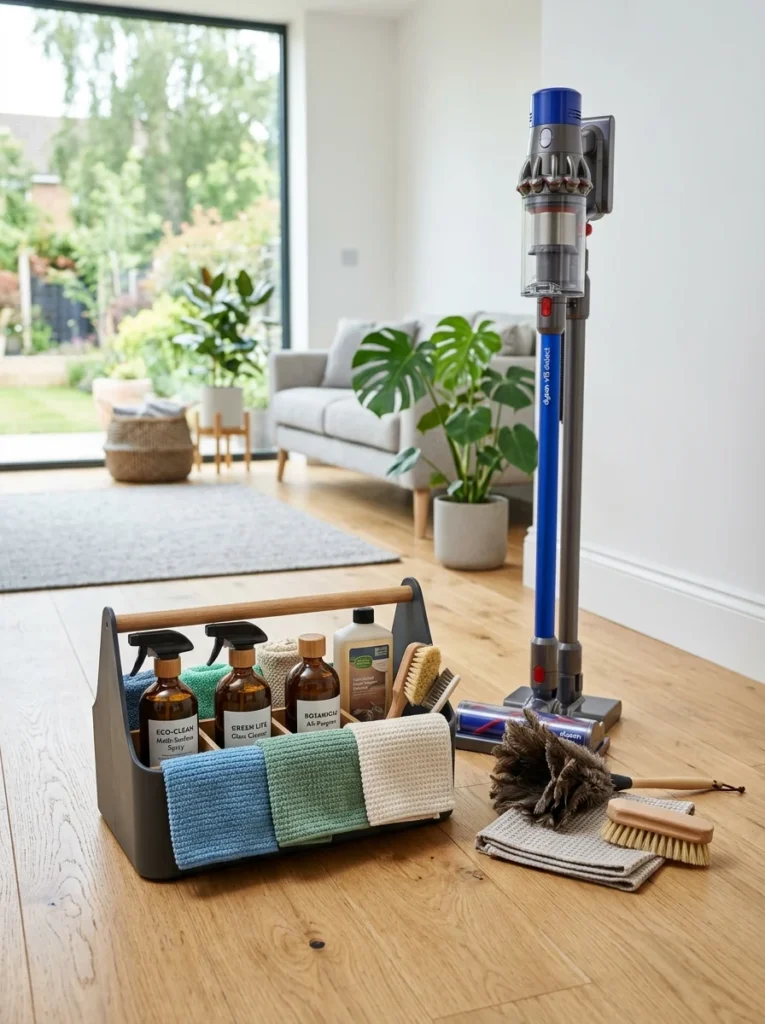
Having the right tools readily available, a good vacuum that doesn’t fight you, microfiber cloths that actually work well, an all-purpose cleaner you don’t dread the smell of, removes a surprising amount of friction from actually following through on a cleaning routine. Struggling with inadequate or frustrating tools makes an already effortful new habit considerably harder to sustain, so this is a genuinely worthwhile area to invest a bit more thought and, where reasonable, money into.
Use music, podcasts, or audiobooks to make cleaning sessions more enjoyable
Pairing cleaning time with something genuinely enjoyable to listen to, a favorite podcast, an audiobook, upbeat music, can transform how a cleaning session feels, turning what might otherwise be a purely tedious task into time that also serves another genuinely enjoyable purpose. This simple pairing technique is a low-effort way to make the routine feel less like a pure chore and more like a dual-purpose activity worth actually looking forward to.

Celebrate consistency itself, not just a spotless result
Rather than measuring success purely by how perfectly clean the home looks at any given moment, recognizing and appreciating the consistency of actually following the routine, regardless of whether every task was completed flawlessly, reinforces the habit itself rather than tying your sense of success entirely to an idealized, perfect outcome that real life rarely allows for consistently.

Why do most cleaning schedules fail after a few weeks?
Most cleaning schedules fail because they’re built around an idealized amount of time and energy rather than a person’s genuine, realistic daily capacity, leading to repeated skipped tasks and eventual abandonment of the entire system rather than simple, sustainable adjustment.
Should deep cleaning tasks be part of a daily routine?
Generally no, separating tasks into daily maintenance, weekly deeper cleaning, and occasional monthly or seasonal tasks keeps each individual session realistic and prevents the daily routine specifically from becoming too burdensome to sustain.
What should I do if I miss a day in my cleaning routine?
Simply resume at the next scheduled task rather than treating a missed day as a reason to abandon the entire system. Building genuine flexibility into the routine for real-life disruptions is part of what makes it sustainable long-term.
How can I get my whole household to participate in a cleaning routine?
Distributing age-appropriate tasks across household members, based on genuine ability and availability, spreads both the workload and responsibility more fairly than a routine that falls entirely on one person, which tends to be harder to sustain and can create resentment over time.
Does having good cleaning supplies really make a difference?
Yes, struggling with inadequate or frustrating tools adds friction to an already effortful new habit, so investing a bit more in supplies that genuinely work well, a good vacuum, effective cloths, a cleaner you don’t dread using, removes a surprising amount of resistance to actually following through consistently.
Should I focus on a perfectly clean result or just showing up consistently?
Prioritizing consistency itself, actually following the routine regardless of whether every task is completed flawlessly, tends to reinforce the habit better than measuring success purely by an idealized, perfectly clean result that real life rarely allows for every single time.
A cleaning routine that actually sticks comes down to building it around your genuine available time and energy rather than an aspirational version of both, separating daily maintenance from deeper periodic tasks, attaching new habits to existing routines, and building in flexibility for the inevitable disruptions real life brings. This realistic approach tends to outlast far more ambitious, elaborate systems that look impressive on paper but don’t survive actual daily life.
The routine I’ve maintained for years now looks considerably simpler than any of my earlier failed attempts, fifteen realistic daily minutes and a handful of specific weekly tasks assigned to specific days, but its genuine sustainability is exactly what makes it more valuable than any more elaborate system I abandoned within weeks. If your own cleaning schedule keeps quietly disappearing after a strong initial start, the fix is very likely not more discipline, but a more realistic system built around your actual life rather than an idealized version of it.