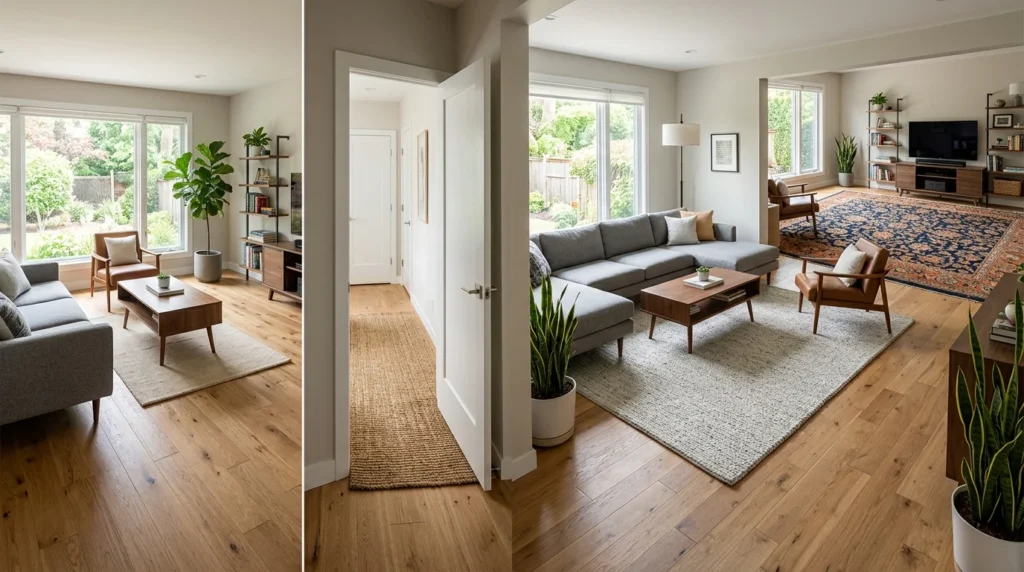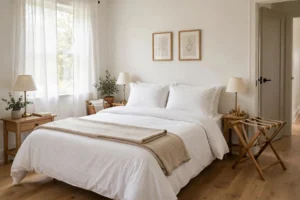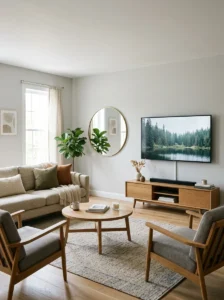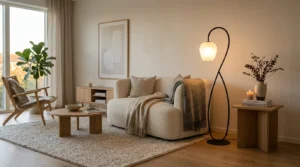
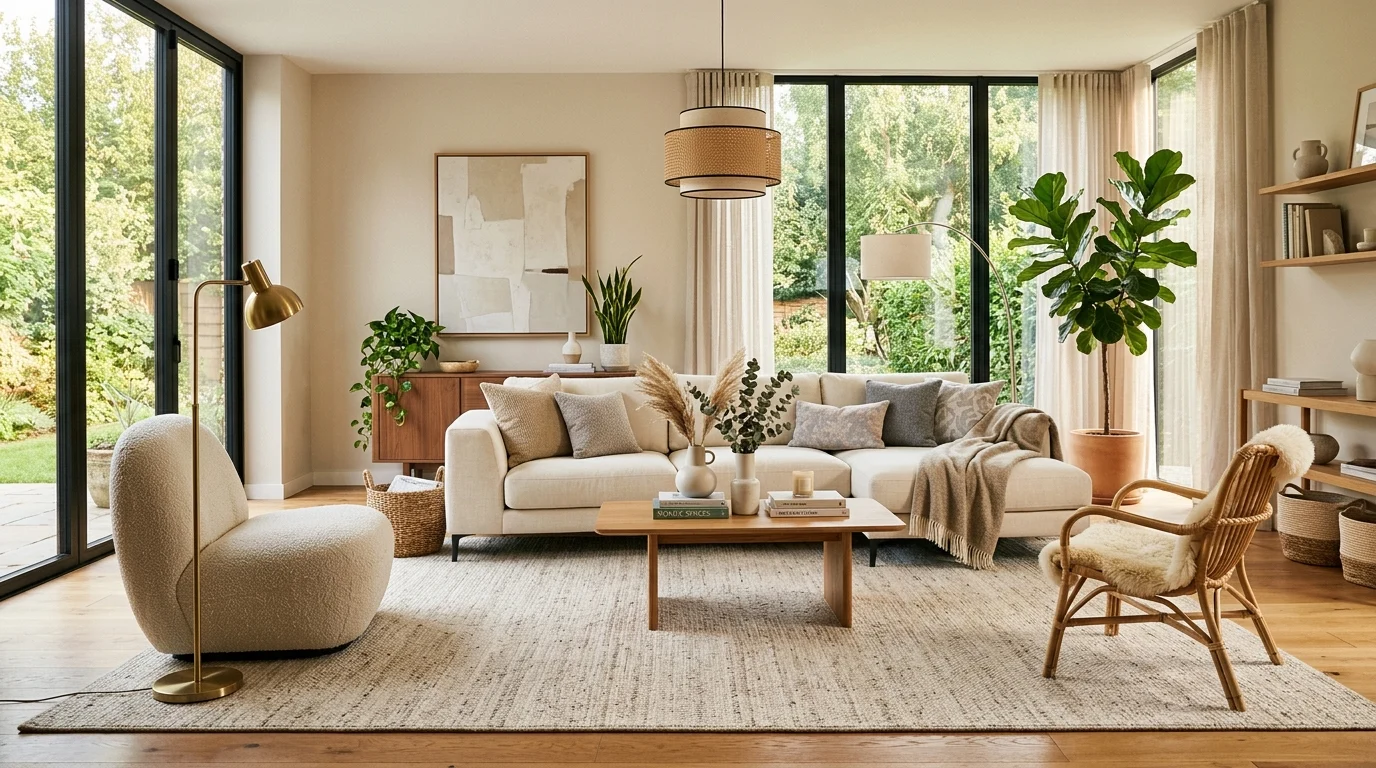
A living room rug that is too small is one of the most common interior design mistakes, and it is surprisingly easy to make. A rug that looks substantial in a showroom can appear like a postage stamp once it is placed under real furniture in a real room. Getting the size right does not require guesswork — it requires a tape measure, an understanding of a few simple layout rules, and knowing which standard rug sizes correspond to which room types.
Why rug size matters so much
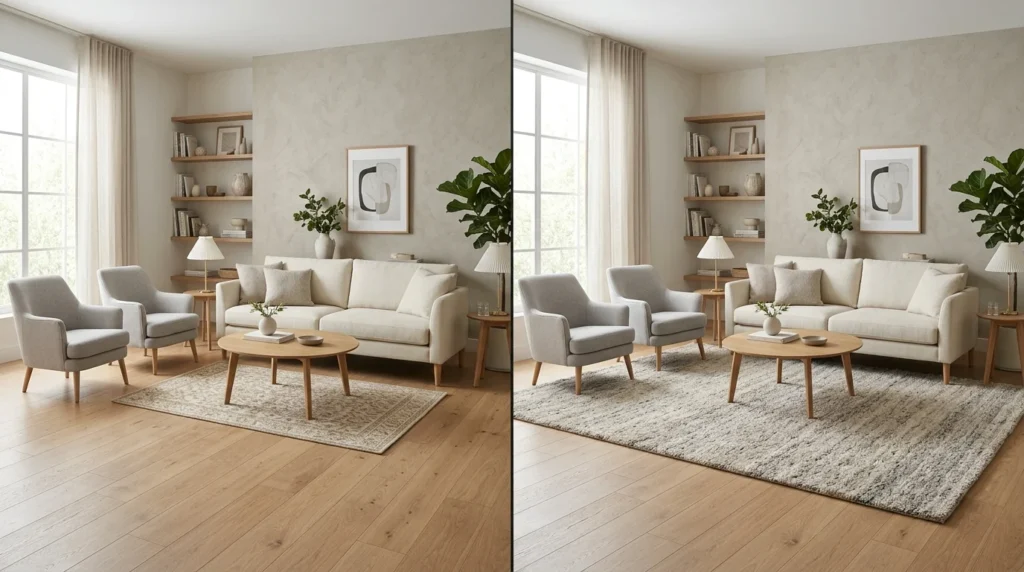
A rug defines a zone within a room. In a living room, it anchors the seating area and tells the eye where the living space begins and ends. A rug that is too small makes furniture look disconnected and the room feel cluttered. A rug that is proportionally correct makes the entire arrangement feel intentional and pulled together — even if nothing else in the room has changed.
Standard rug sizes and what they suit
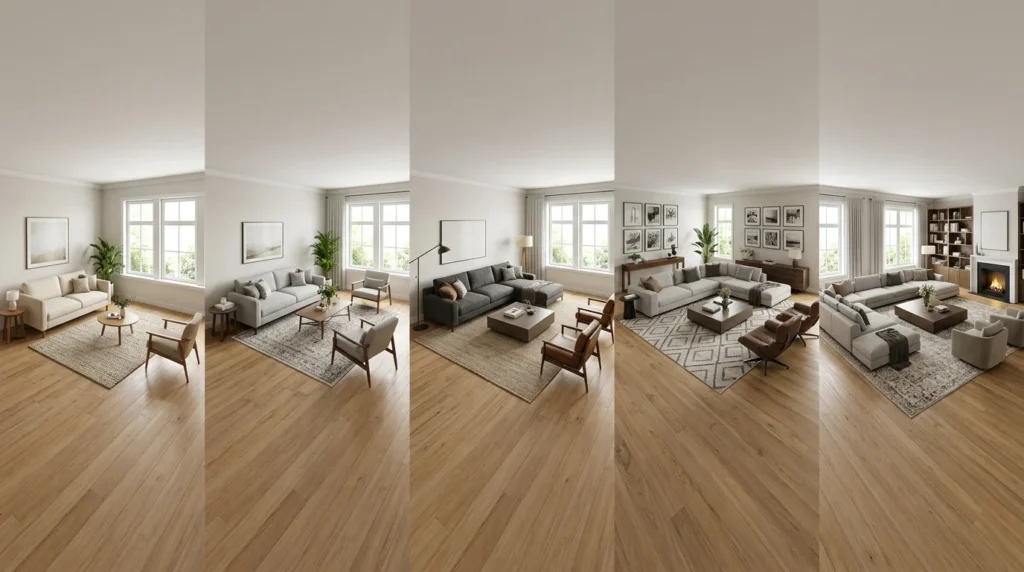
- 5×8 feet: suits small living rooms or apartment spaces with a compact sofa arrangement
- 6×9 feet: works in medium rooms but only if furniture is on the smaller side
- 8×10 feet: the most popular living room size, suits most medium to large rooms
- 9×12 feet: ideal for large, open-plan living rooms or rooms with sectional sofas
- 10×14 feet: suited to very large rooms where a smaller rug would float in the space
The three rug placement rules
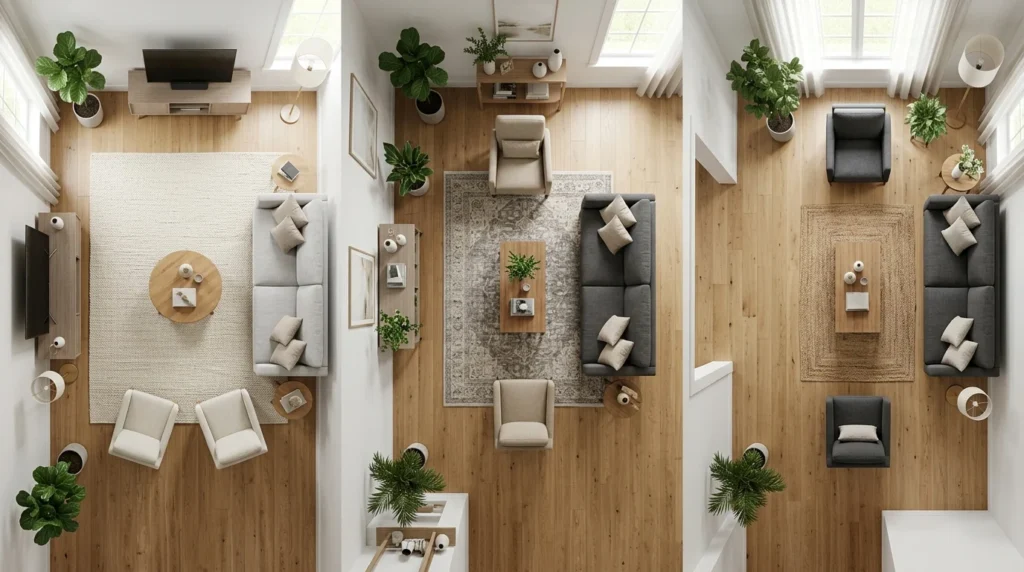
- All legs on: all furniture legs sit fully on the rug — creates a formal, luxurious look and suits large rugs
- Front legs on: only the front two legs of each seating piece rest on the rug — the most popular and versatile approach
- All legs off: furniture sits entirely off the rug with the rug acting as a central decorative piece — only works if the rug is large enough to still visually anchor the arrangement
How to measure before you buy
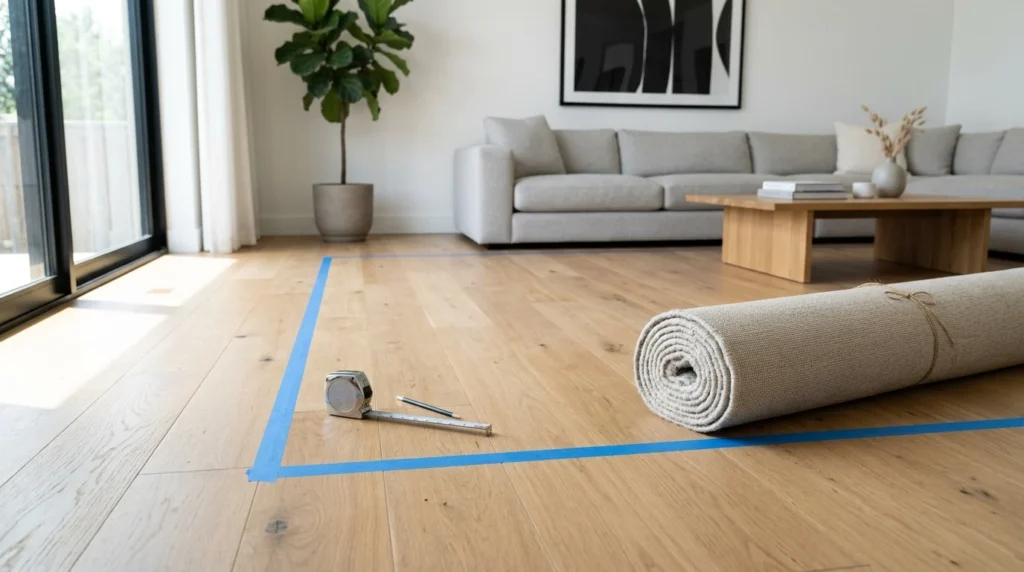
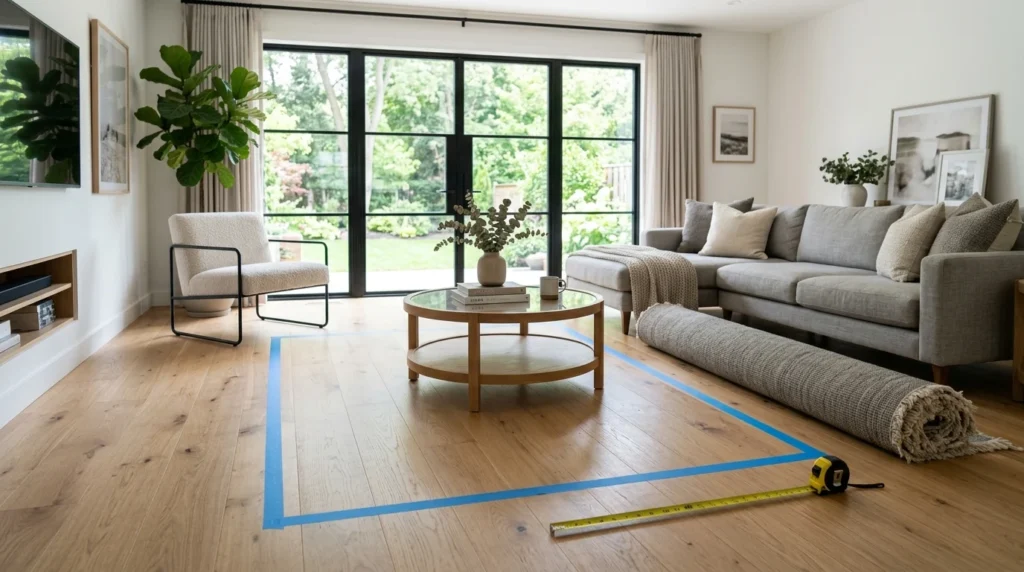
Mark the intended rug area on the floor with painter’s tape before ordering. This takes ten minutes and prevents expensive mistakes. The tape should show the full footprint of the rug, including the area under the coffee table. Stand back and look at the taped area from the main entry point of the room — this is how the rug will read in daily use.
How much floor should be visible around the rug
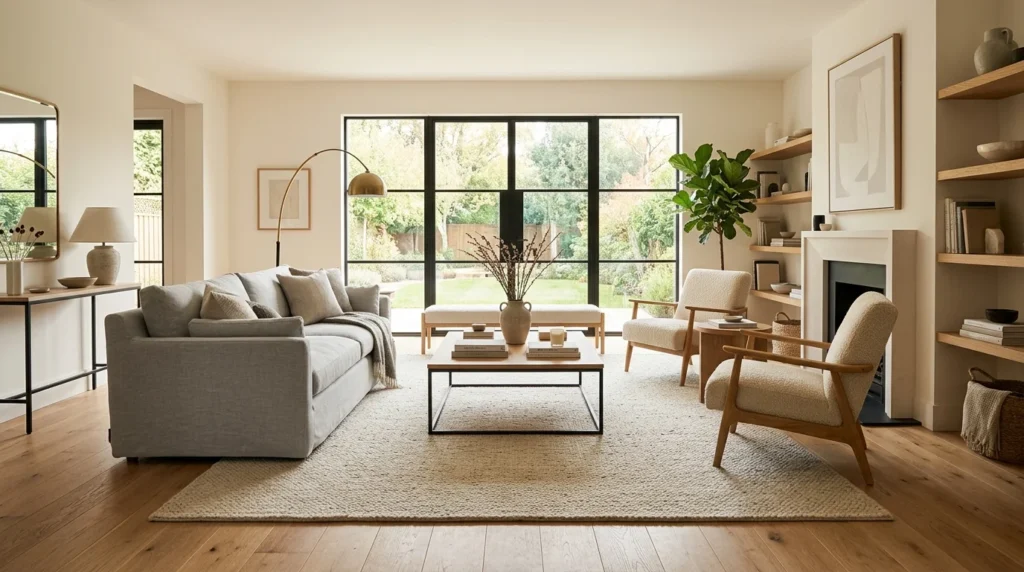
In most living rooms, 12 to 18 inches of bare floor should be visible between the edge of the rug and the wall. This border grounds the rug within the room. Less than 8 inches makes the rug look like it is wall-to-wall carpet that did not quite reach. More than 24 inches can make even a large rug look undersized.
Rug sizing for open-plan living rooms
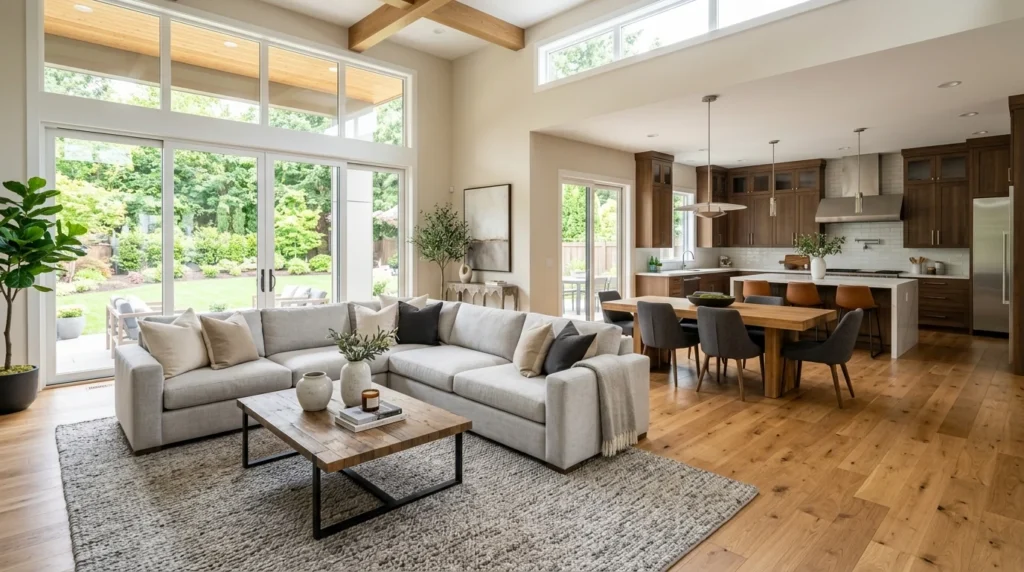
In an open-plan space where the living area connects to a dining room or kitchen, the rug plays a critical role in defining the living zone. The rug should be large enough that no piece of seating furniture sits partially on and partially off it — this split placement looks unintentional and confuses the eye about where the zone ends.
Common rug sizing mistakes
- Buying a rug that is too small — the single most common error
- Not accounting for rug pad thickness when measuring furniture heights
- Choosing a rug that extends under a door swing and causes it to catch
- Selecting a busy pattern for a large rug that overwhelms all other elements in the room