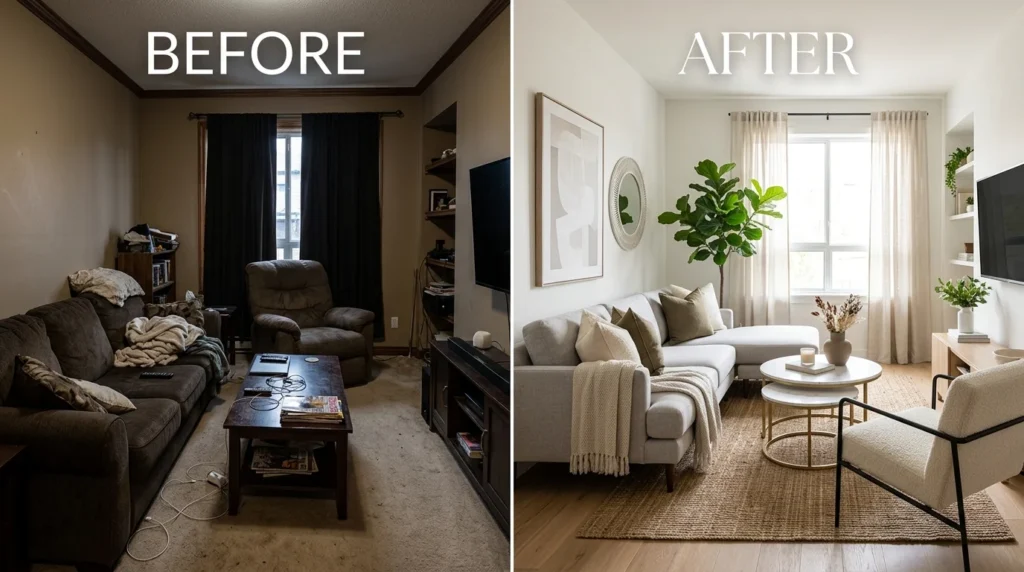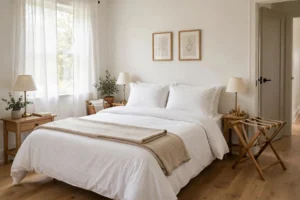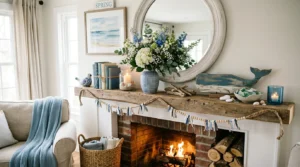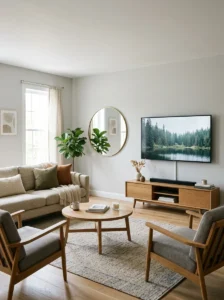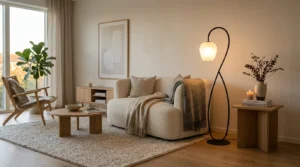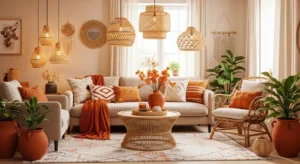
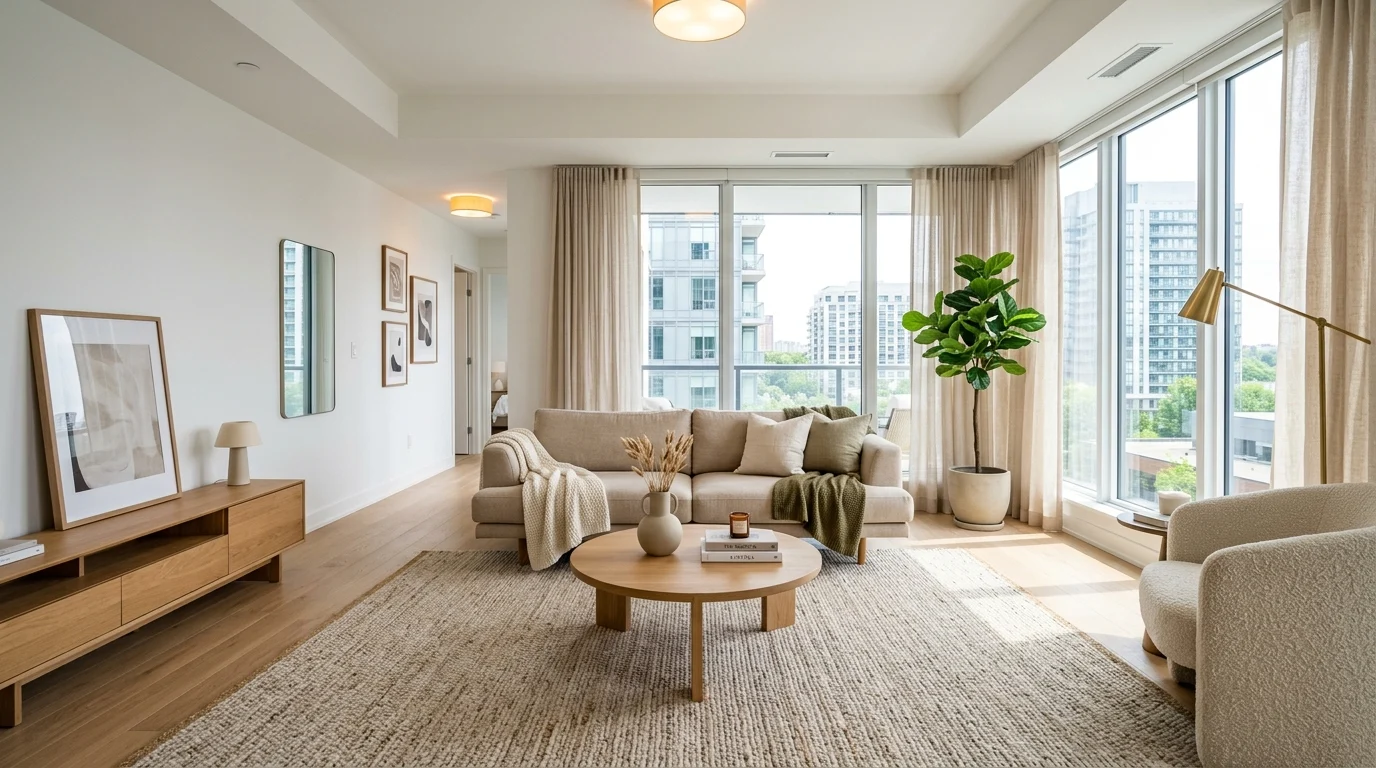
A small living room does not have to feel cramped. The way furniture is placed has more impact on how spacious a room feels than its actual square footage. Most people make the mistake of pushing all furniture against the walls, thinking it creates more space — but this actually makes the room feel hollow and disconnected. With the right arrangement strategies, even a 120-square-foot living room can feel open, functional, and welcoming.
Why Furniture Placement Matters More Than Room Size
Interior designers often say that space is created, not found. The human brain reads a room based on sightlines, traffic flow, and the relationship between objects. When furniture is arranged thoughtfully, the eye moves naturally through the space and the room feels larger than it is. Poor placement — even in a large room — can make it feel small and awkward.
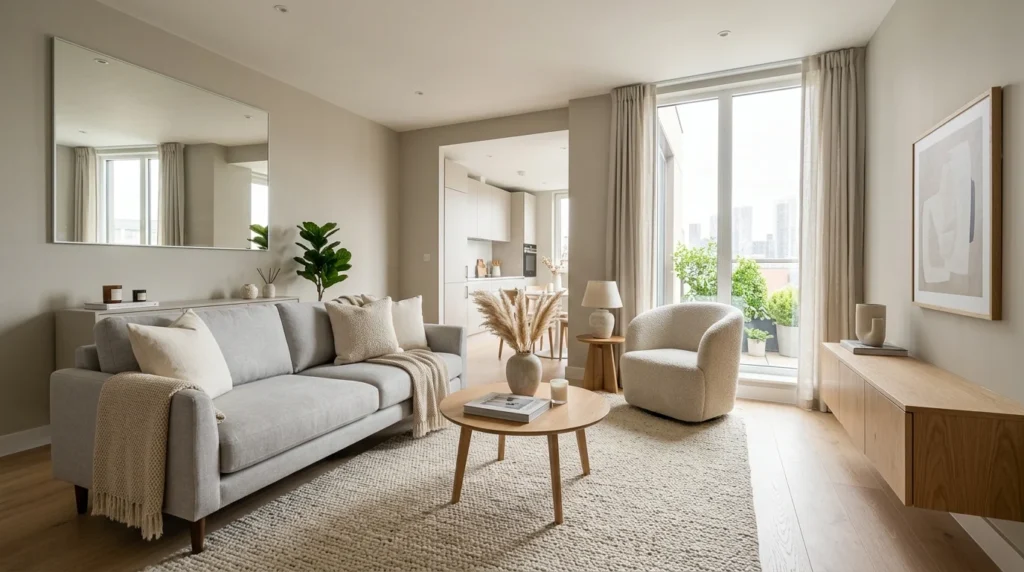
The Most Common Small Living Room Mistakes to Avoid
• Pushing all furniture against the walls — this creates a waiting-room feeling and kills intimacy.
• Blocking natural light sources with tall furniture pieces.
• Using too many pieces — overcrowding is the single biggest enemy of small spaces.
• Choosing furniture that is too large for the room proportions.
• Ignoring the traffic flow path from door to seating to other rooms.
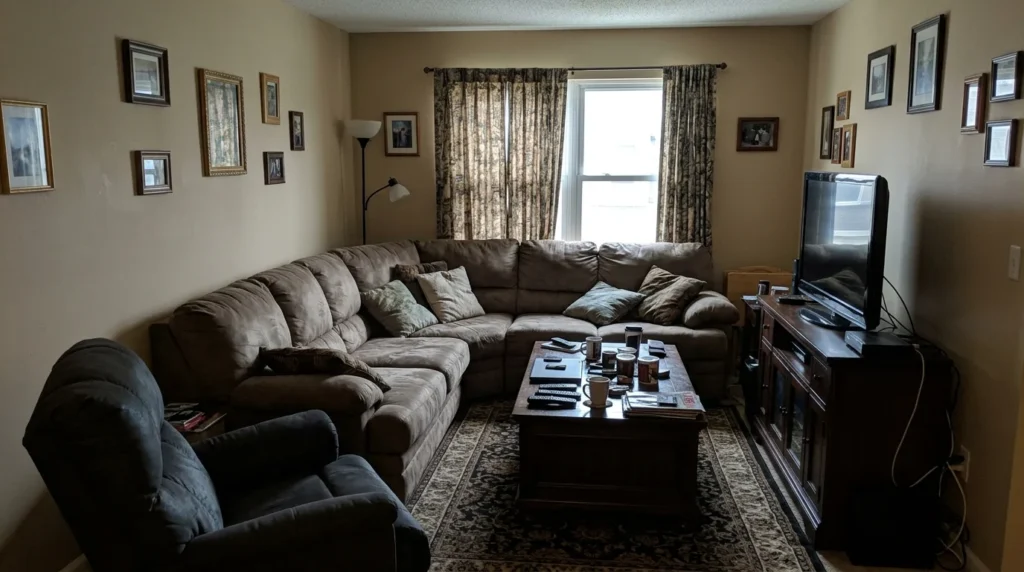
Rule 1: Float Your Furniture Away from the Walls
This is counterintuitive but one of the most effective tricks in interior design. Pulling the sofa 6 to 12 inches away from the wall creates a sense of depth and makes the room feel larger. It defines a seating zone rather than making furniture look like it is waiting to be used.
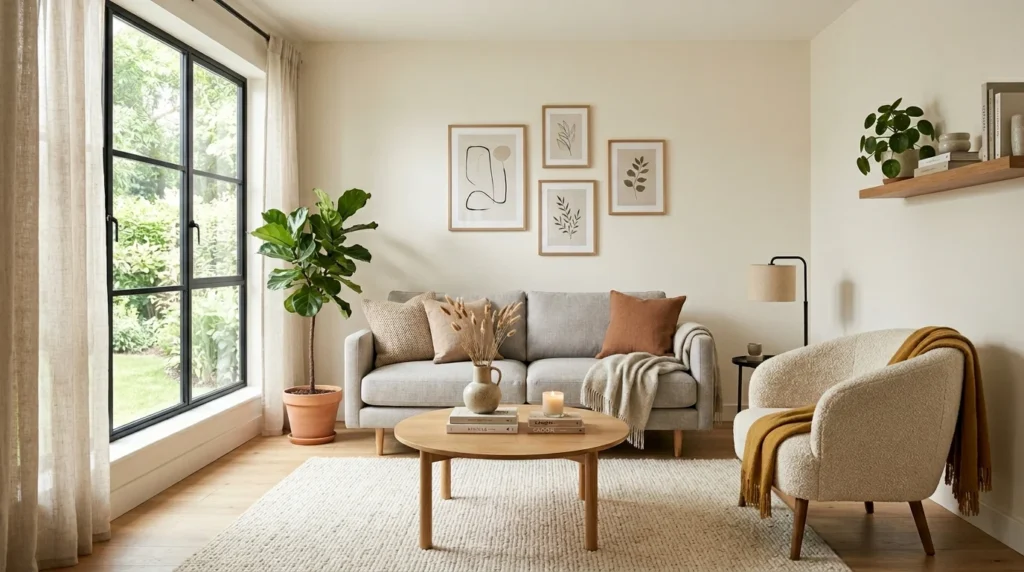
Rule 2: Anchor Everything with One Area Rug
A rug that is too small makes furniture look like it is floating on an island. Choose a rug large enough so that at least the front two legs of every seating piece sit on it. This visually ties the arrangement together and defines the living area within the room, which is especially important in open-plan spaces.
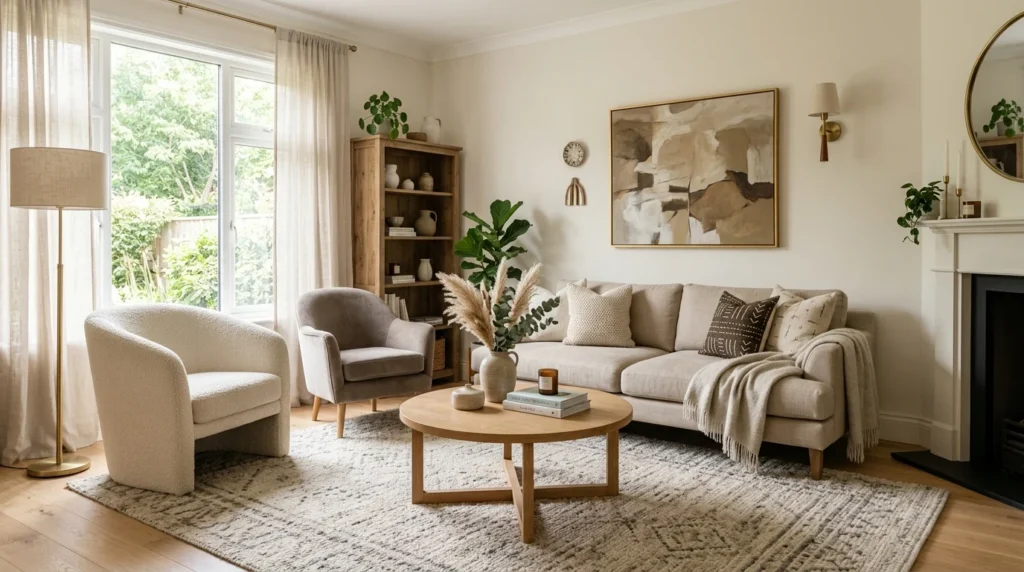
Rule 3: Create a Clear Focal Point and Arrange Around It
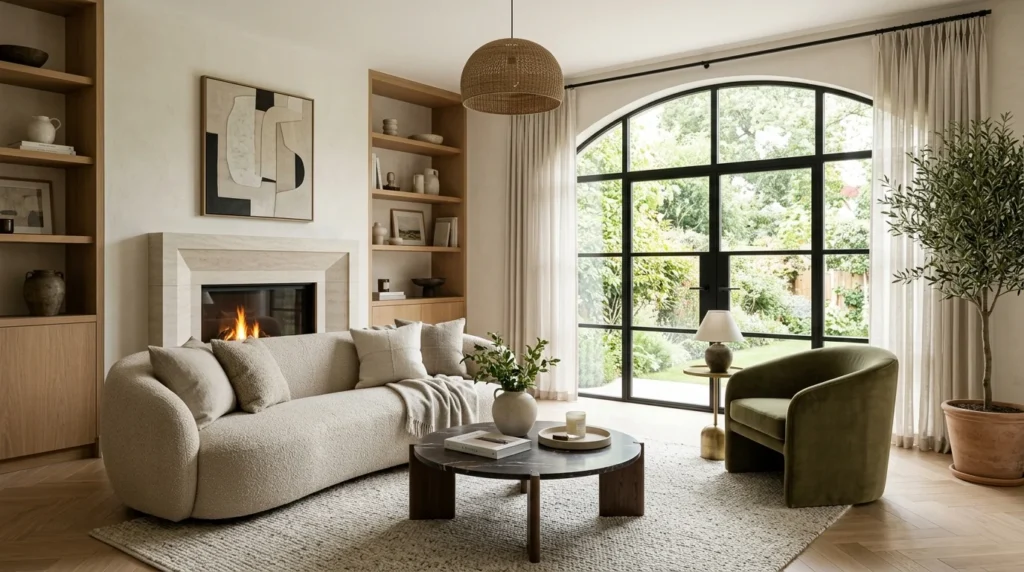
Every living room needs one focal point — a fireplace, a large window, a TV wall, or a statement piece of art. Once identified, all seating should face or angle toward it. This gives the room a sense of purpose and order, which the eye reads as spacious and intentional.
Rule 4: Use Furniture That Serves Double Duty
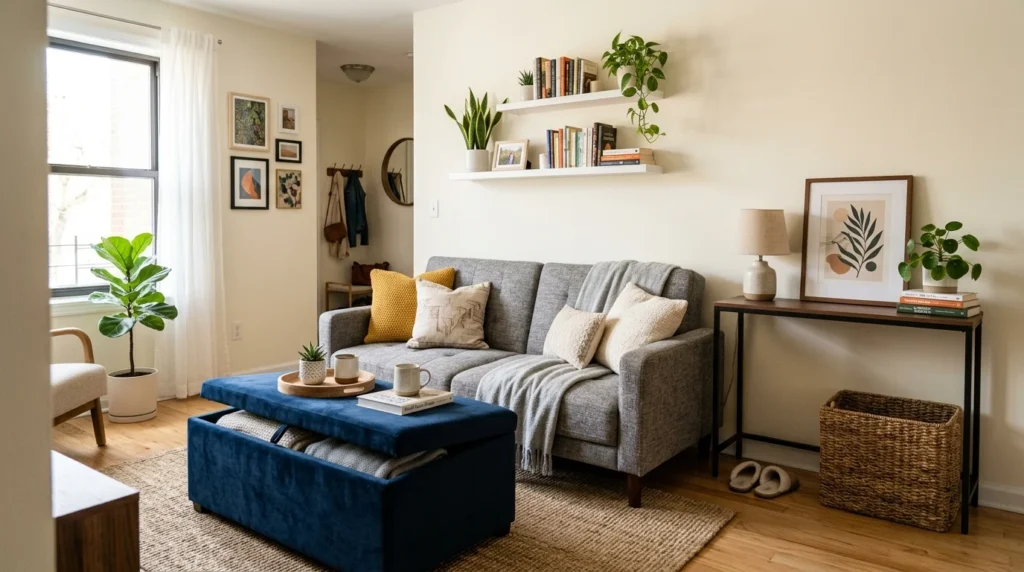
In a small living room, every piece should earn its place. An ottoman that opens for storage, a sofa with a chaise that doubles as a guest bed, a narrow console table behind the sofa — these choices reduce clutter while maintaining function. Fewer pieces with more utility always wins over many single-purpose items.
Rule 5: Think Vertically, Not Just Horizontally
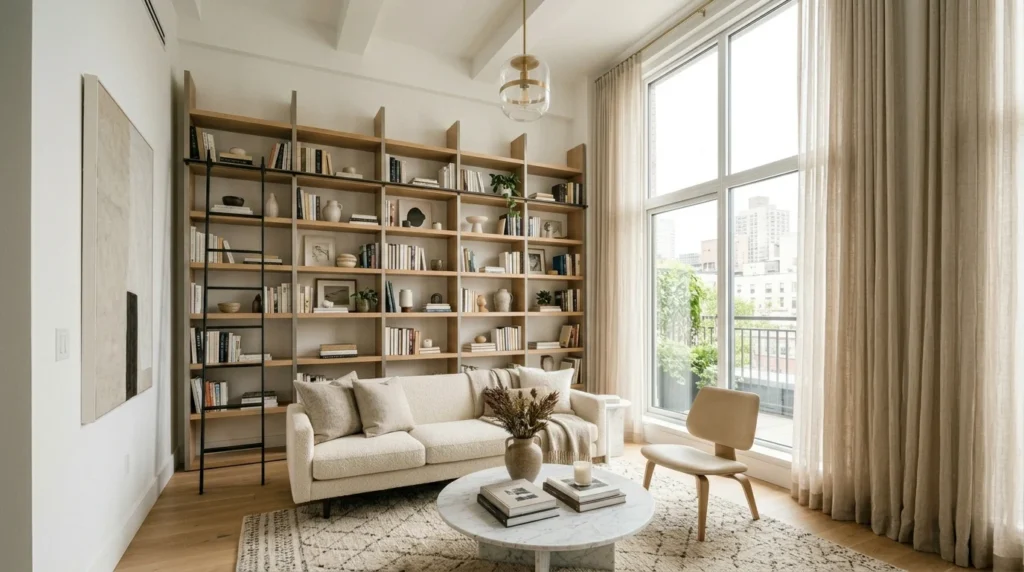
Small rooms benefit enormously from vertical storage and decor. Tall bookshelves draw the eye upward, making ceilings feel higher. Curtains hung close to the ceiling and dropped to the floor create the illusion of tall windows and spacious walls, even when the window itself is small.
Best Furniture Layouts for Small Living Rooms
Different room shapes require different layouts. Here are some of the best arrangements:
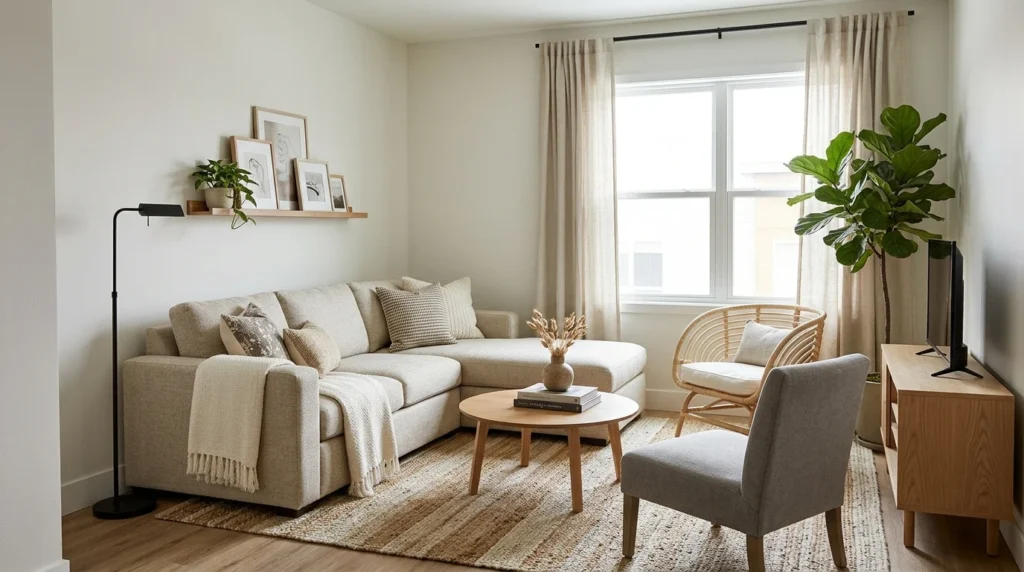
• L-shaped sofa + one armchair: Maximizes seating in a corner-heavy arrangement.
• Two-seater sofa + loveseat facing each other: Works well in narrow rectangular rooms.
• Single sofa + two accent chairs: Creates an open triangle of seating that feels airy.
• Sofa + bench: Replaces the coffee table with a bench for a more streamlined look.
What to Do When the Room Is Also a Walkway
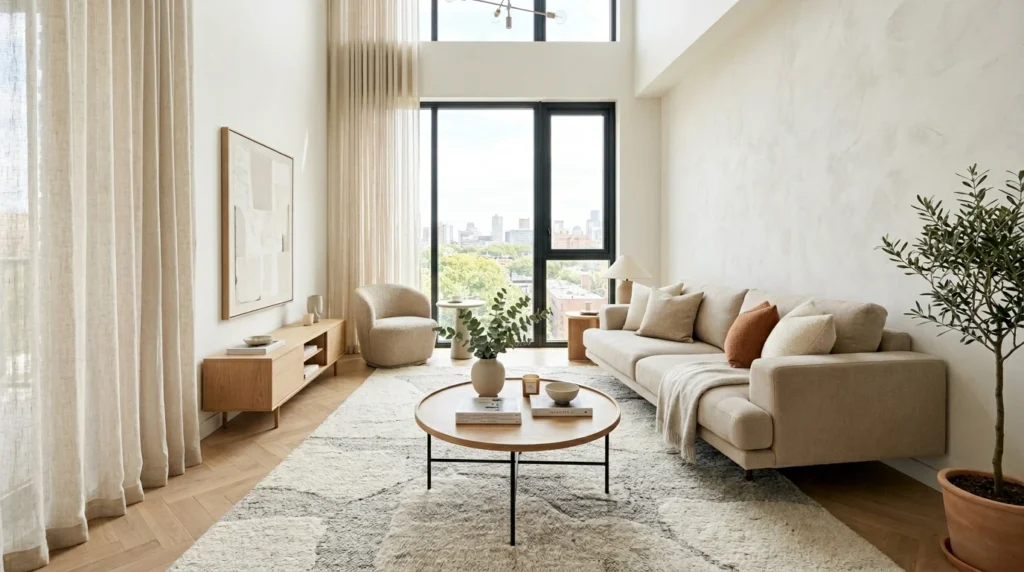
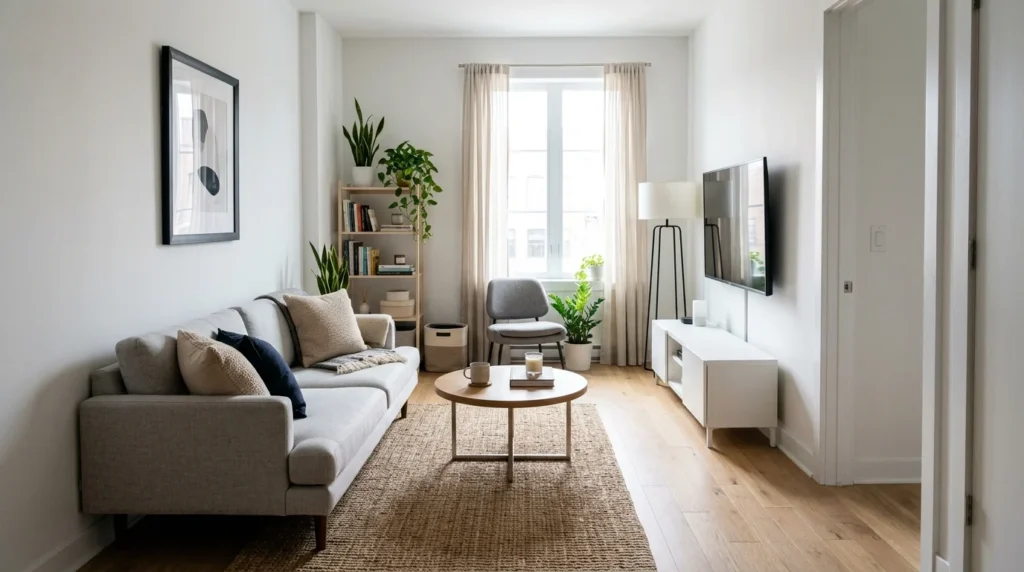
Many small living rooms double as a corridor between spaces. In these cases, keep one clear walking path at least 36 inches wide at all times. Arrange seating to one side, use a narrow sofa depth (under 35 inches), and avoid placing furniture perpendicular to the traffic direction.
Prompt:
Narrow living room with clear 36-inch walkway, slim sofa, efficient furniture placement, open traffic flow, modern apartment design, bright and spacious look, realistic interior design photography, Pinterest home organization aesthetic
Final Tips Before You Rearrange
• Measure everything before moving it — a tape measure saves hours of frustration.
• Use masking tape on the floor to map out furniture footprints before lifting anything.
• Remove pieces you are not sure about first and see how the room breathes.
• Take photos from every corner and doorway to get an objective view.
When arranging a small living room, remember that creating a sense of openness is more about strategy than square footage. Thoughtful furniture placement, multifunctional pieces, and a clear focal point can completely transform how a room feels. By applying these simple design principles, you can make even the smallest living room feel bigger, brighter, and far more comfortable.