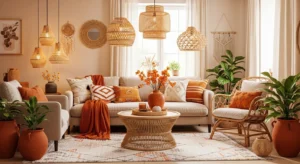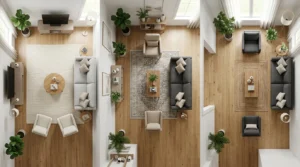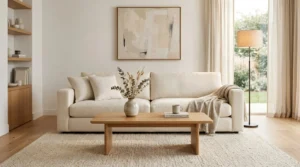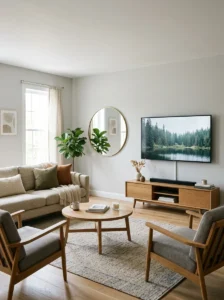
Most living rooms fail at lighting for a simple reason: one bright ceiling light is asked to do every job. It flattens faces, creates harsh shadows, and makes a cozy room feel like an office after dark. Lamps fix that because they put light where you actually use it — beside a chair for reading, low over a side table for conversation, and soft along a shelf for atmosphere. The trick is layering: a gentle background glow, focused task light, and a few small accents, each on its own switch or dimmer, so you can change the mood without rewiring the room. You do not need expensive fixtures to get this right. With the right heights, shade sizes, bulb warmth, and placement, even three well-chosen lamps can transform an ordinary room. The fifteen ideas below give you exact measurements, realistic costs, and the glare and shadow mistakes to avoid, so every corner earns its light.
Start With the Three-Layer Rule for Every Seating Area
The three-layer rule keeps lamp lighting balanced instead of relying on a single bright source. Aim for ambient light that fills the room softly, task light for reading or hobbies, and accent light that highlights art, shelves, or plants. In a typical seating area, that means one floor lamp or a pair of table lamps for background glow, one dedicated reading lamp, and one small accent lamp on a shelf or sideboard. Budget roughly $150–$400 for a starter set of three lamps. Avoid putting all three layers at ceiling height, which recreates the flat overhead problem, and avoid using only cool white bulbs. Tip: put each layer on a separate switch or smart plug, so you can turn on just the layer you need for reading, television, or guests.
Place an Arc Floor Lamp Over a Reading Chair
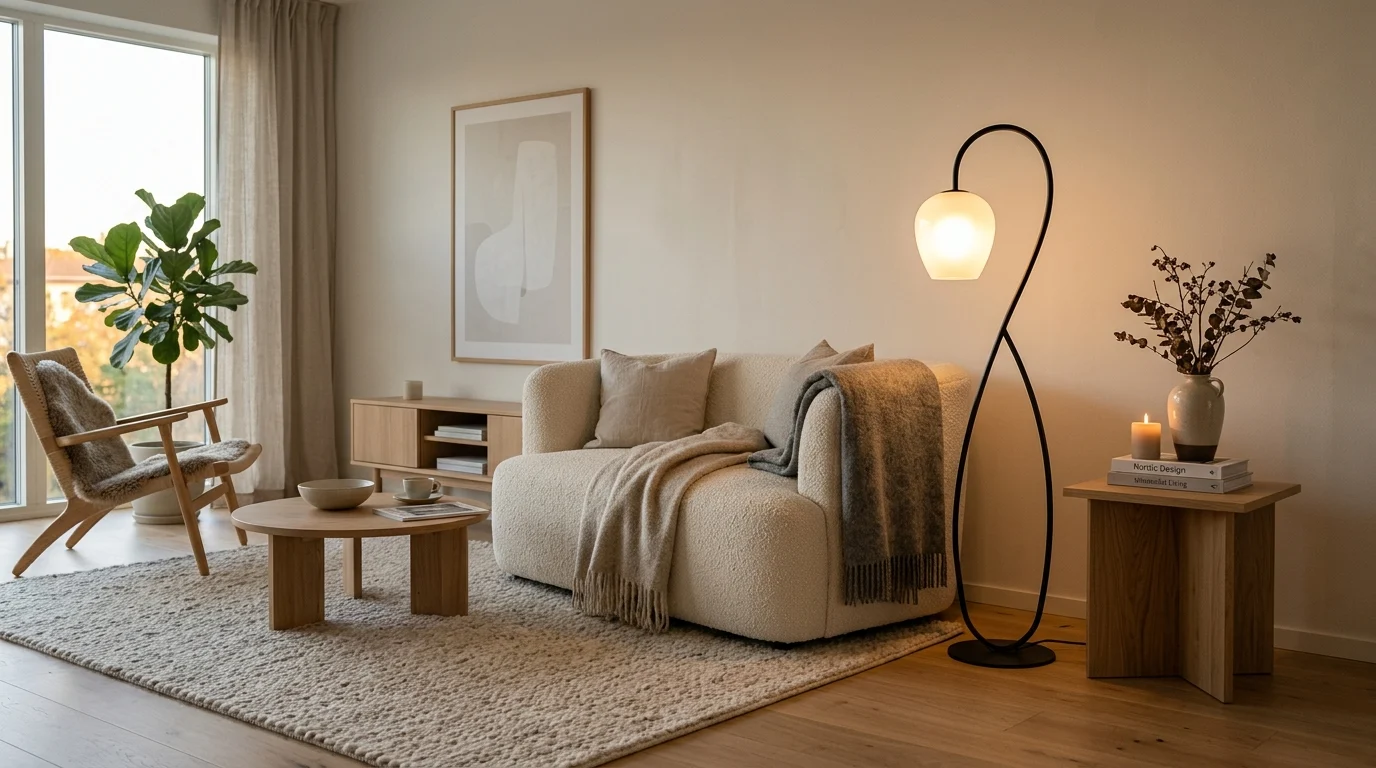
An arc floor lamp brings light directly over a reading chair without a table or a ceiling fitting. Choose an arc with a base that slides 20–30 cm under the chair or sofa, a reach of 120–180 cm, and a shade that hangs 160–180 cm above the floor, so light falls on the page, not in your eyes. A good arc lamp costs roughly $120–$350. Avoid arcs with exposed bulbs at eye level when seated, which cause glare, and avoid placing the base where it becomes a tripping hazard in a walkway. Tip: pair the arc with a warm 2700K bulb and a dimmer, so the same lamp works for bright reading in the afternoon and soft light in the evening.
Use a Matching Pair of Table Lamps on a Console
A pair of table lamps on a console or sofa table creates symmetry and a calm background glow for conversation. Choose lamps 60–75 cm tall overall, with shades 25–35 cm wide at the bottom, and place them 60–90 cm apart so the light pools overlap gently in the middle. Expect $80–$250 for a pair, plus bulbs. Avoid lamps taller than the console plus wall art combined, which can look top-heavy, and avoid mismatched shade shapes that fight each other across a small table. Tip: keep the bottom of each shade at about seated eye level — roughly 110–120 cm from the floor — so guests are not staring into bare bulbs. If the console sits behind a sofa, check that guests can still see over the lamps when they sit down to talk.
Add a Dimmable Table Lamp Beside the Sofa Arm
A single dimmable table lamp beside the sofa arm is the most-used lamp in many homes, because it serves reading, phone charging, and evening wind-down in one spot. Pick a lamp 55–70 cm tall for a standard side table 55–65 cm high, with a drum or empire shade that directs light down and out. A quality dimmable lamp costs $60–$180, and a plug-in dimmer adds about $15 if the lamp has none built in. Avoid a shade narrower than the lamp base, which looks unstable, and avoid placing the lamp on the walkway side of the sofa. Tip: use a 2700K dimmable LED rated 800 lumens, then dim to about half brightness for television viewing to reduce eye strain. A small tray on the same table keeps the remote and a glass tidy, so the lamp base is never crowded or knocked.
Highlight Art With a Small Picture Lamp
A picture lamp makes art look intentional after dark and adds a warm accent layer without another floor lamp. Choose a battery or plug-in picture light 30–60 cm wide for art up to 90 cm wide, mounted 15–20 cm above the frame so light washes evenly down the artwork. Battery picture lights cost $30–$80, while wired versions cost $60–$150 plus fitting. Avoid lights wider than the frame, which spill onto the wall, and avoid cool white bulbs on warm-toned paintings, which can make colours look washed out. Tip: use a warm 2700K bulb and check the art from your usual seat, not just up close, so the glow reads as soft, not as a spotlight. For very large art, use two smaller picture lights rather than one long bar, so both edges receive even light.
Dress a Sideboard With Buffet Lamps for Hosting
Buffet lamps are slim table lamps made for sideboards, and they give a dining or living sideboard a welcoming glow when guests arrive. Choose buffet lamps 70–85 cm tall with narrow bases, placed 60–90 cm apart, so they frame a mirror or art piece without crowding it. A pair costs roughly $100–$300. Avoid short, squat table lamps on a tall sideboard, which disappear behind dishes and decor, and avoid shades so wide that they block the mirror. Tip: plug both lamps into one smart plug or a single switched outlet, so one tap sets the whole sideboard scene for dinner or a gathering. Keep one spare warm bulb with the sideboard supplies, so a failed lamp never leaves the hosting scene half lit.
Fit a Swing-Arm Wall Lamp Beside Each Sofa End
Swing-arm wall lamps save table space and put reading light exactly where each reader sits. Mount each lamp so the shade sits 140–150 cm above the floor and 30–45 cm to the side of the seated reader, with an arm that extends 30–50 cm from the wall. Plug-in swing-arm lamps cost $50–$140 each and need no electrician, while hardwired versions cost more to fit. Avoid mounting the lamp directly behind the reader’s head, which casts a shadow on the book, and avoid arms that swing into a walkway. Tip: choose a lamp with a joint at both the wall and the shade, so you can angle light down onto the page and away from a partner’s eyes. Test the swing range before fixing the bracket, making sure the shade clears curtains, frames, and nearby shelves.
Size a Drum Shade So It Suits the Table and Room
Drum shade size decides whether a table lamp looks balanced or awkward, even if the base is beautiful. As a guide, the shade bottom should be about 25–35 cm wide for a bedside or small side table, and 35–45 cm wide for a larger console, with a shade height roughly two-thirds of the base height. Replacement drum shades cost $25–$70. Avoid shades that hide the whole base or dwarf a small table, and avoid very narrow shades on wide bases, which make the lamp look top-heavy in reverse. Tip: hold the shade up beside the base in the store, or cut a paper template at home, and check it from across the room before buying. When in doubt, choose the slightly larger shade, since a shade that looks small in the shop often looks smaller at home.
Put a Floor Lamp Behind the Sofa to Cut TV Glare
A floor lamp behind the sofa softens television glare by lifting the room’s background brightness without shining into the screen. Place a torchiere or shaded floor lamp 150–180 cm tall behind one sofa corner, at least 60 cm from the television wall, so its light bounces off the ceiling or wall rather than hitting the screen. Floor lamps in this role cost $70–$220. Avoid placing a bare bulb directly behind the television, which creates a bright halo, and avoid a lamp so tall that its shade appears in the television’s reflection. Tip: dim this lamp to a low glow during films, and raise it slightly for sports or news, when you need more room awareness. If the lamp still reflects in the screen, move it a few centimetres sideways rather than switching it off completely.
Add Small Accent Lamps to Bookshelves and Alcoves
Small accent lamps on bookshelves turn dark corners into warm focal points and stop a wall of shelves from looking flat at night. Use compact lamps or battery lamps 20–35 cm tall, placed on every second or third shelf, with warm bulbs no brighter than 400 lumens each. Small accent lamps cost $25–$70 each. Avoid a lamp on every shelf, which looks like a shop display, and avoid cool white light here, which makes wood and books look cold. Tip: hide the cord behind books or use a battery lamp with a timer, so the shelf glows each evening without a tangle of cables. Dust shelf lamps monthly, since a dusty shade dims warm light noticeably and makes the shelf look neglected.
Choose a Tripod Floor Lamp for a Corner That Needs Presence
A tripod floor lamp fills an empty corner with both light and shape, which is useful when a room has a bare spot beside a chair or plant. Choose a tripod 140–160 cm tall with a shade 35–45 cm wide, and leave at least 30 cm of clearance around its legs so it does not crowd furniture. Tripod lamps cost roughly $90–$250. Avoid tripods in narrow walkways, where a leg becomes a trip hazard, and avoid very large shades in small corners, which can dominate the room. Tip: angle one leg toward the wall and two toward the room, so the lamp feels stable and the shade faces the seating area. Place a small rug or plant beside the tripod, so the corner reads as a styled vignette rather than leftover space.
Set Every Lamp to Warm White and Dim It for Evening
Bulb colour and dimming matter more than lamp style for a relaxed living room after dark. Use 2700K warm white LEDs for most lamps, reserving 3000K only for a dedicated reading lamp if you prefer slightly crisper light. Choose bulbs rated 400–800 lumens for table lamps and 800–1,100 lumens for floor lamps, then dim them in the evening. Dimmable LEDs cost $8–$20 each. Avoid mixing 2700K and 5000K bulbs in one room, which makes the space feel inconsistent, and avoid non-dimmable bulbs on a dimmer switch, which can flicker. Tip: label spare bulbs by colour temperature, so a quick replacement does not accidentally introduce a cold, blue-toned lamp. If a lamp has no dimmer, use a lower-lumen bulb in the evening and save the brighter bulb for daytime tasks.
Get Reading Lamp Height Right for Your Chair
Reading lamp height is the difference between comfortable reading and a sore neck or shaded page. For a chair with a seat height of 45–48 cm, the bottom of the lamp shade should sit about 110–125 cm above the floor, roughly at seated shoulder height, with light falling over the shoulder onto the book. Test this by sitting in the chair with a book before fixing a wall lamp or buying a floor lamp. Adjustable lamps cost little extra and solve most height problems. Avoid lamps so low that light hits your lap only, and avoid lamps so high that the bulb shines into your eyes. Tip: if two people read side by side, give each their own lamp rather than sharing one bright lamp between chairs.
Zone the Room With Separate Lamp Groups
Zoning lets one living room serve conversation, reading, and television without relighting the whole space each time. Create three groups: a conversation group of two table lamps near the sofa, a reading group of one floor or wall lamp by a chair, and a television group of one low background lamp behind the seating. Control each group with its own switch, smart plug, or remote, which costs about $15–$40 per group. Avoid wiring every lamp to one switch, which forces an all-or-nothing choice, and avoid placing all groups on the same wall. Tip: name each group in your smart home app — Conversation, Reading, TV — so guests can set the mood without hunting for switches. Label each plug or switch during setup, so family members and guests can find the right group without trial and error.
Build an Evening Wind-Down Routine With Low Lamps Only
An evening routine turns lamp layers into a habit: as daylight fades, switch off the ceiling light and rely only on low lamps. Start with table lamps at half brightness, add one shelf accent, and keep the reading lamp only where someone is actually reading. This routine costs nothing beyond dimmers or smart plugs, yet it makes the room feel calmer and helps the household wind down before bed. Avoid leaving a single bright ceiling light on late, which undoes the layered effect, and avoid bright, cool task lamps in the last hour before sleep. Tip: set a smart plug timer for shelf and sideboard lamps to switch on at sunset, so the room welcomes you home already glowing. Keep phone chargers and bright screens out of this low-light hour when possible, so the calm lighting actually helps.
Frequently Asked Questions
How many lamps does a living room actually need?
Most living rooms need three to five lamps: two for background glow, one for reading, and one or two small accents. A small room can work well with three well-placed lamps, while a large open-plan room may need five or six. Start with three, live with them for a week, and add an accent only where a corner still feels dark.
What bulb colour is best for living room lamps?
Warm white at 2700K suits most living rooms because it flatters skin tones, wood, and fabric. Use 3000K only for a dedicated reading lamp if you want slightly crisper light. Avoid daylight bulbs rated 5000K or higher in the evening, since they feel clinical and make a cozy room look washed out.
Can lamps replace ceiling lights completely?
Yes, in many living rooms, provided the layers cover background, task, and accent needs. Keep one ceiling light available for cleaning or detailed tasks, but use lamps for everyday evenings. If a corner stays dark or shadows fall across seating, add one more low lamp rather than turning the ceiling light back on.
Conclusion
Good living room lighting is not about buying more lamps — it is about placing the right lamps at the right heights, in warm colours, and in separate groups you can control. Start with three layers, size each shade to its table, set reading light over the shoulder, and keep one soft background lamp for television and conversation. Add dimmers, warm bulbs, and a simple evening routine, and the room will shift easily from bright daytime use to calm evenings. With lamps doing the work, the ceiling light becomes a backup, not the main event, and your living room finally feels as comfortable as it looks.