
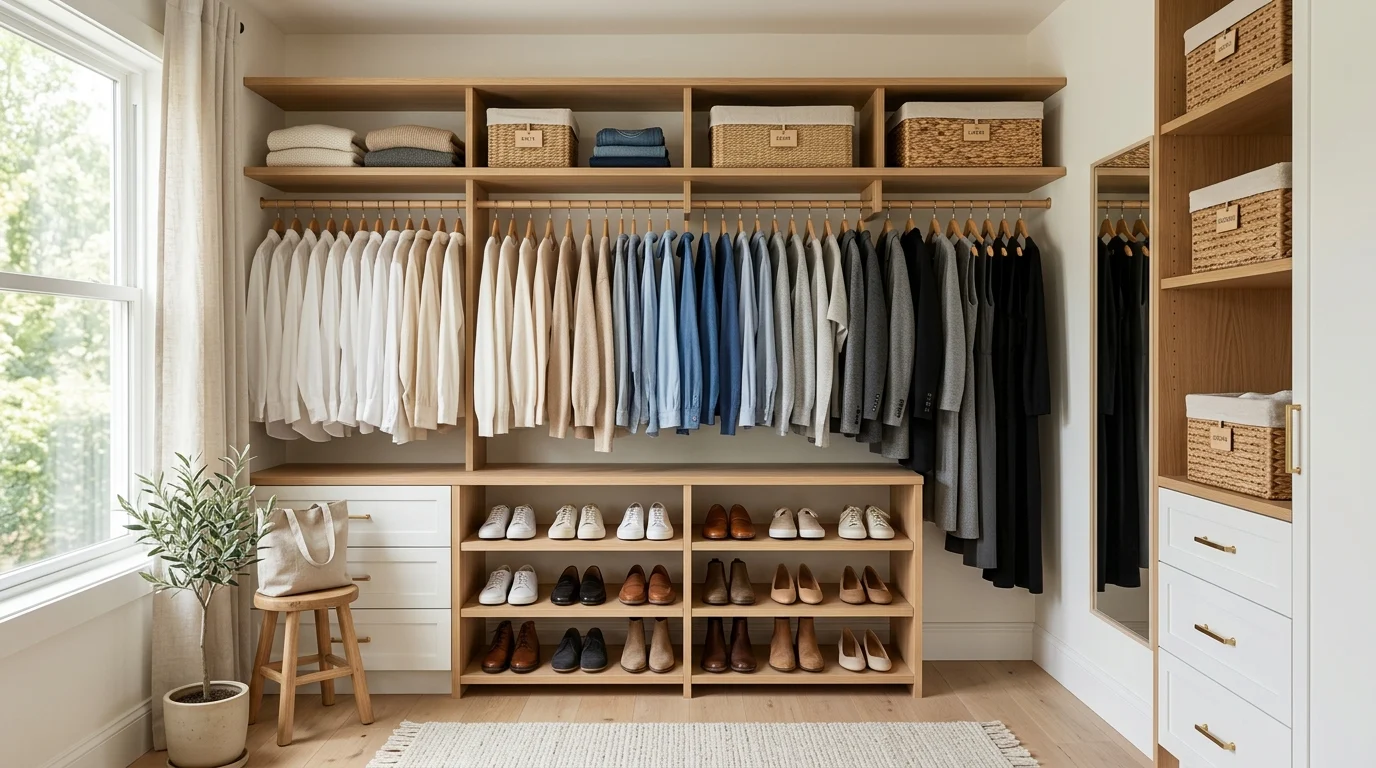
My closet used to be full of clothes I kept for reasons that had nothing to do with whether I actually wore them, that dress I might need for some hypothetical future event, jeans I was sure I’d fit into again eventually, a jacket I liked in theory but somehow never actually reached for. Every time I tried to declutter using vague criteria like whether I liked an item or thought it might be useful someday, I ended up keeping almost everything, since nearly anything can seem potentially useful in some imagined future scenario. Switching to a simple, concrete rule based on actual, recent wear finally cut through that fog of hypothetical justification.
The one-year rule offers a clear, honest test for closet decluttering: if you haven’t worn something in the past year, excluding genuine exceptions, it’s a strong candidate for letting go. Here’s how to actually apply this rule effectively.
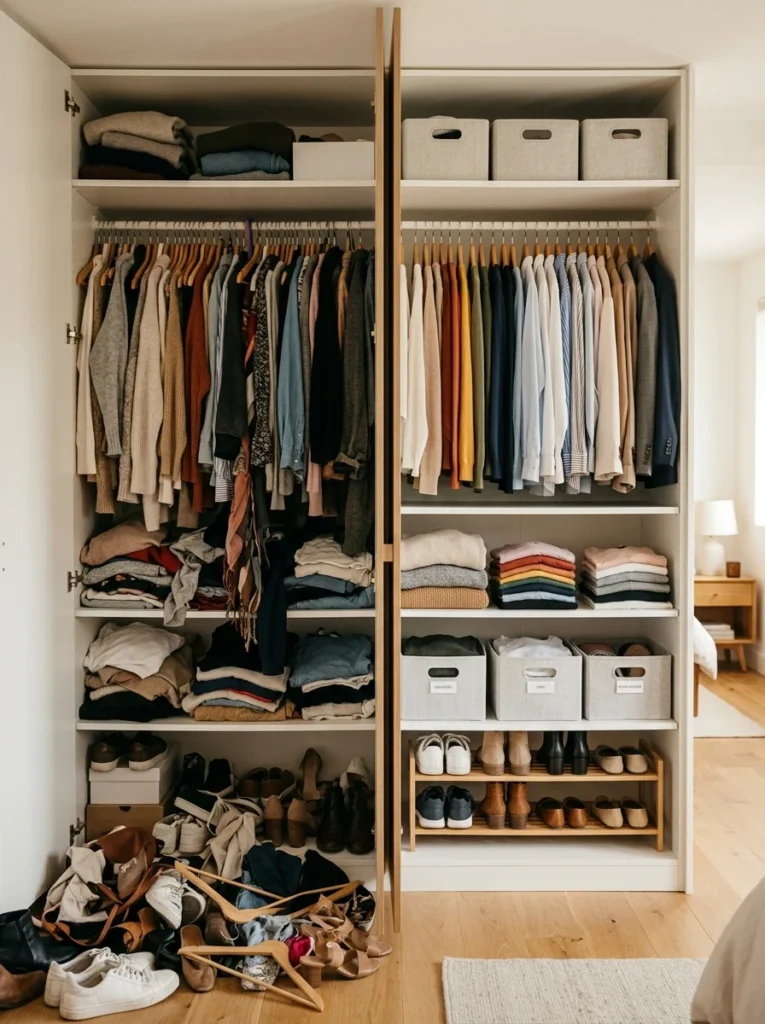
Understand the core logic behind the one-year rule
The rule is built on the observation that a full year typically captures every season and most occasions you’d realistically have a chance to wear a given item, a summer dress, a winter coat, a specific holiday outfit. If a full year has passed without you reaching for a particular piece, despite having genuine opportunities to do so across every season, that’s meaningful, honest evidence about your actual habits rather than your hopeful intentions.
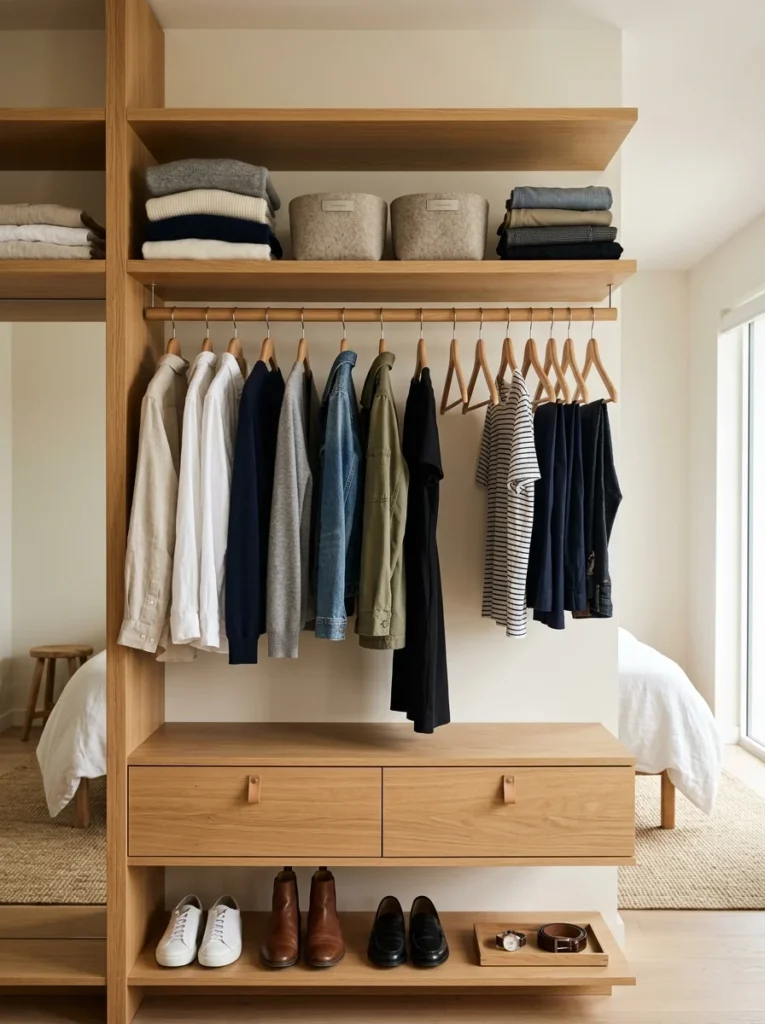
Track wear honestly rather than relying on memory alone
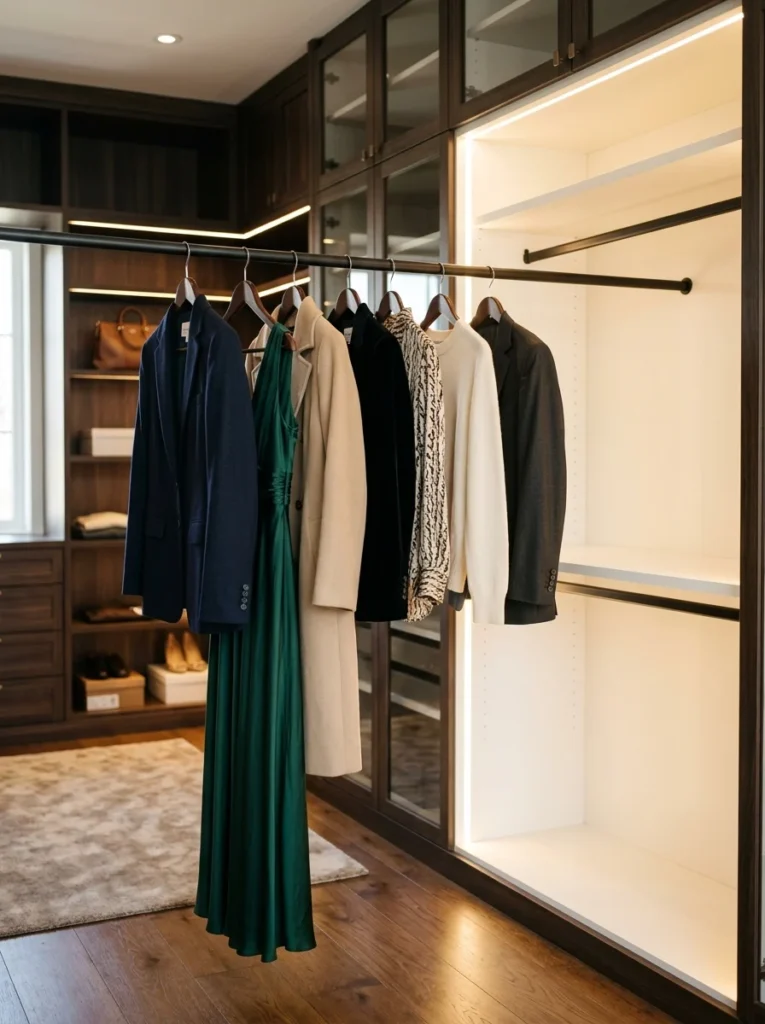
A simple, practical way to apply this rule accurately is turning all your hangers backward at the start of a designated tracking period, then turning a hanger the right way around each time you actually wear and rehang that item. After a full year, any hanger still facing backward represents an item genuinely unworn during that entire period, providing concrete evidence rather than relying purely on memory, which tends to overestimate how often we actually wear specific pieces.
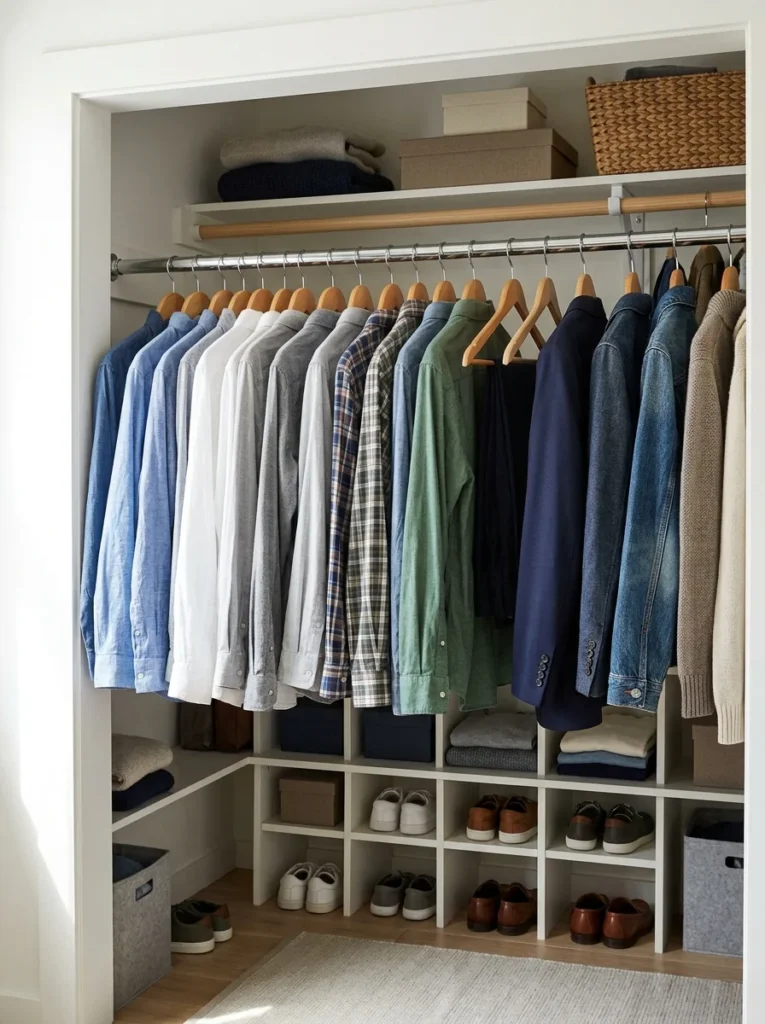
Identify genuine exceptions to the rule before applying it strictly
Certain categories legitimately deserve exception from a strict one-year cutoff: formal wear worn only for occasional significant events, seasonal specialty items in climates with genuinely rare extreme weather, and maternity or size-transition clothing kept deliberately during a period of anticipated change. Identifying these genuine exceptions honestly, rather than using them as a loophole to justify keeping everything, preserves the rule’s usefulness while still accommodating legitimately infrequent-use categories.
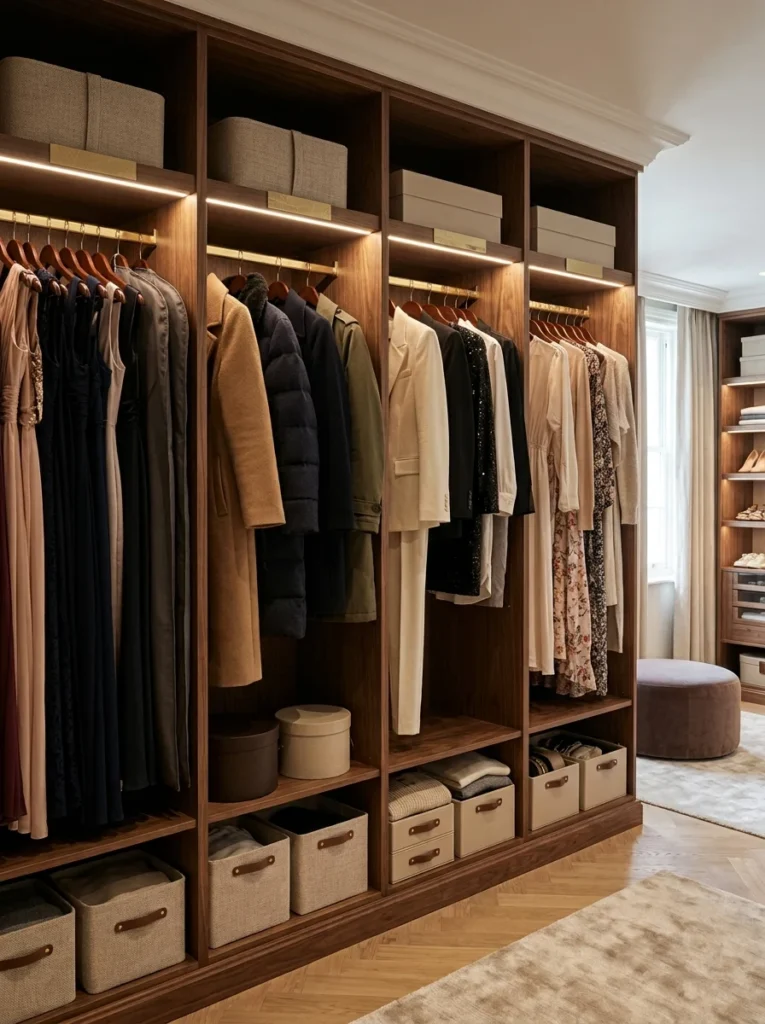
Apply the rule to accessories and shoes, not just clothing
The same one-year wear test applies just as effectively to shoes, bags, and accessories as it does to clothing itself, categories that often accumulate just as much unworn volume but get overlooked during a closet declutter focused primarily on hanging clothes. Extending the same honest evaluation to these categories addresses a meaningful, often-overlooked source of closet clutter.
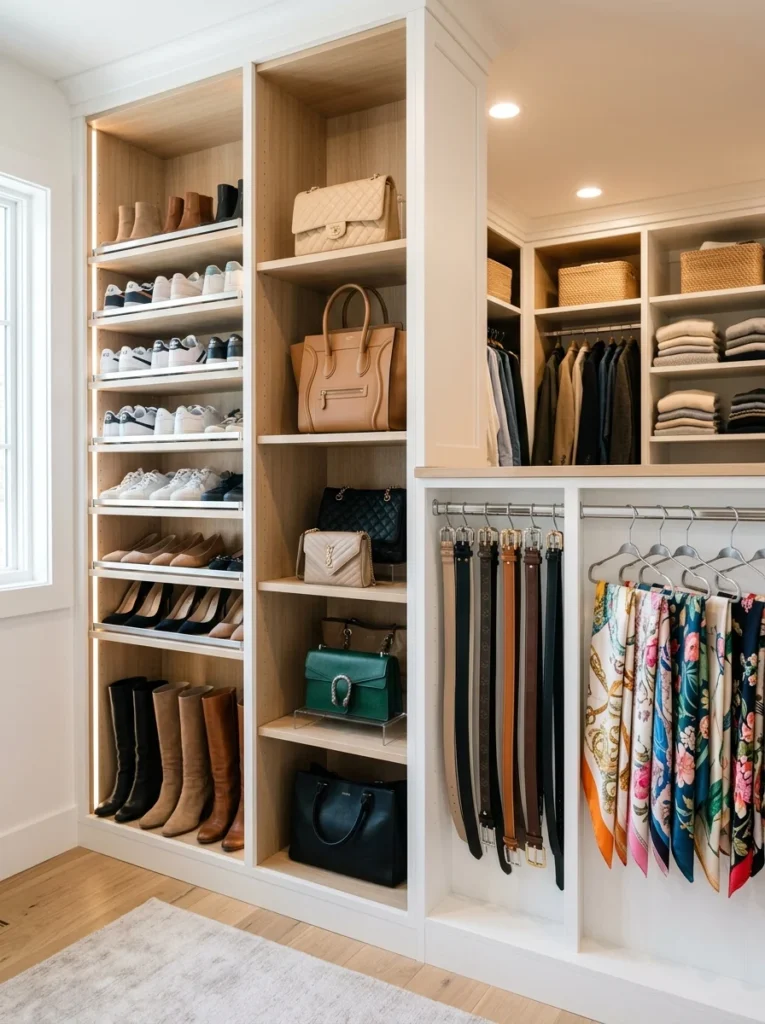
Separate wear frequency from item quality or cost
An expensive or high-quality item that hasn’t been worn in over a year is still, by this rule’s logic, worth reconsidering, since the item’s cost or craftsmanship doesn’t change the fact that it isn’t actually serving you in daily life. This distinction can be difficult emotionally, since sunk cost thinking makes it tempting to keep an expensive unworn item indefinitely hoping to eventually get more use from it, but the honest evidence of a full year’s non-use remains the same regardless of what was originally paid.
Consider donating or selling items in good condition
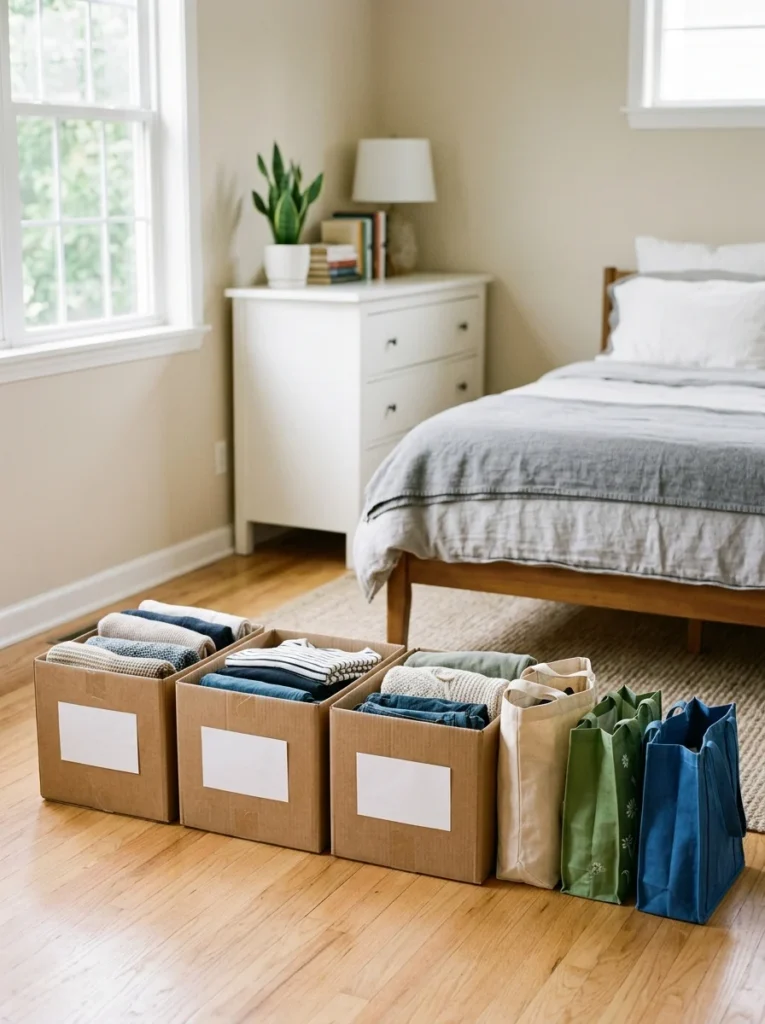
Items identified through this process that are still in good, wearable condition are strong candidates for donation or resale rather than simply discarding, both extending the item’s useful life with someone who will actually wear it regularly and, in the case of resale, potentially recouping some of the original cost rather than that value sitting entirely unused in your closet.
Reapply the rule periodically rather than as a one-time event
Wardrobes and personal style continue evolving over time, meaning new items will inevitably join a closet that eventually need their own honest evaluation against this same standard. Reapplying the one-year rule on a regular basis, perhaps annually, rather than treating it as a single, one-time decluttering event, keeps a closet consistently aligned with what you’re genuinely wearing rather than allowing new unworn accumulation to build up again unchecked.
Use the rule as a starting point for understanding your actual style
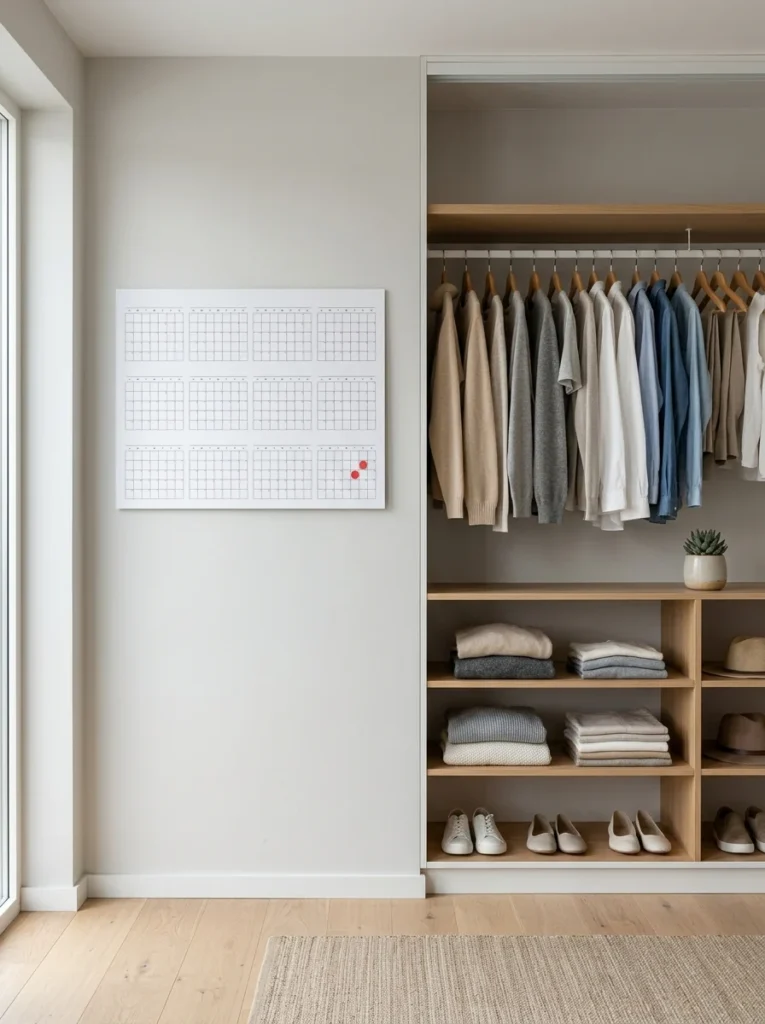
Beyond simply decluttering, paying attention to which categories of clothing consistently pass or fail this one-year test over successive applications reveals genuine information about your actual style preferences and lifestyle needs, which can meaningfully inform future purchasing decisions, helping you buy more of what you actually wear regularly and avoid repeating past patterns of purchasing items that predictably end up unworn.
Combine the one-year rule with a broader capsule wardrobe approach if desired
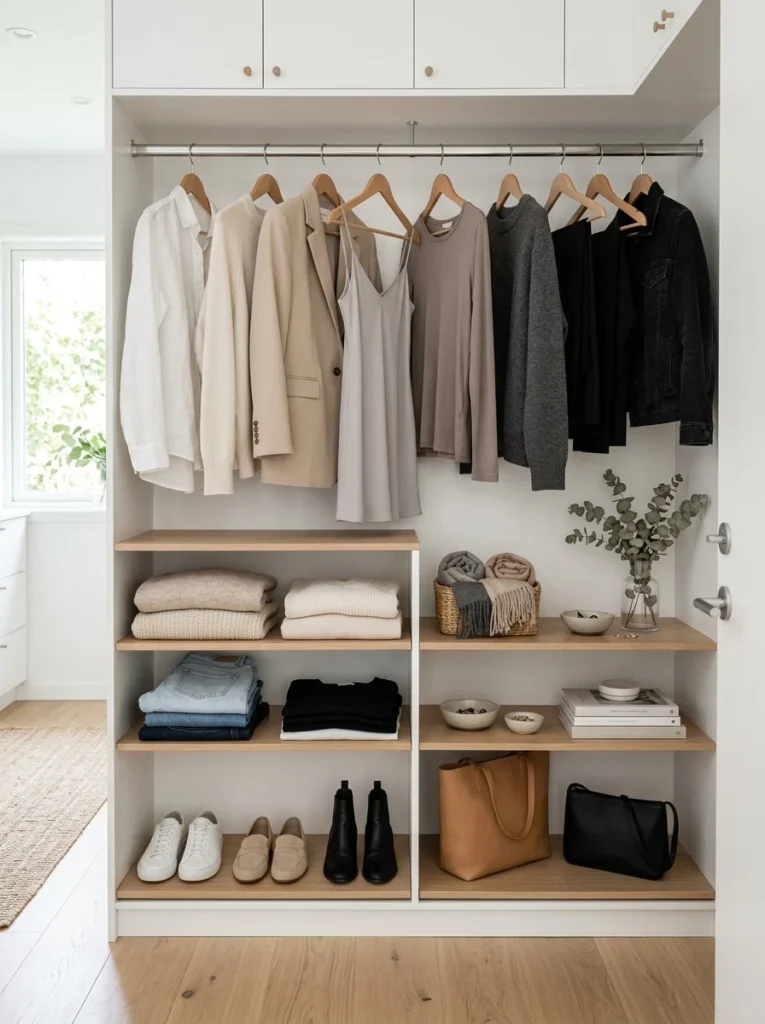
For those wanting to take this decluttering principle further, the insights gained from applying the one-year rule can inform building a more deliberate, smaller capsule wardrobe of versatile, frequently worn pieces, rather than simply decluttering and then refilling the resulting space with a similar volume of new items that may face the same fate a year later.
Address the emotional attachment behind certain unworn items
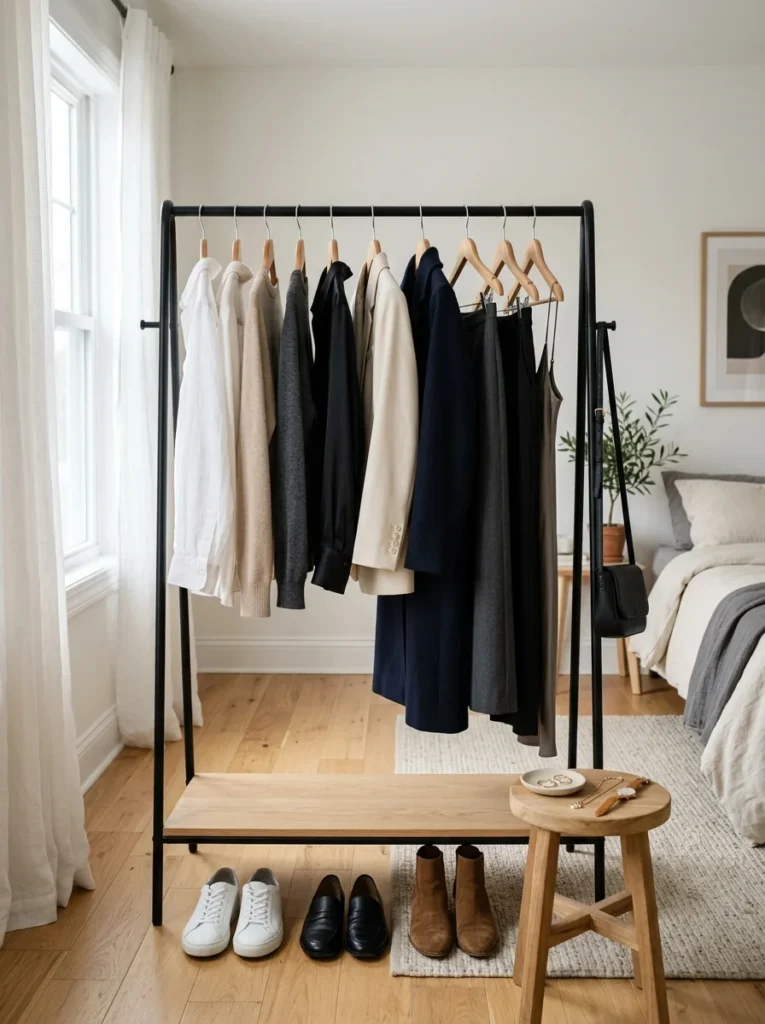
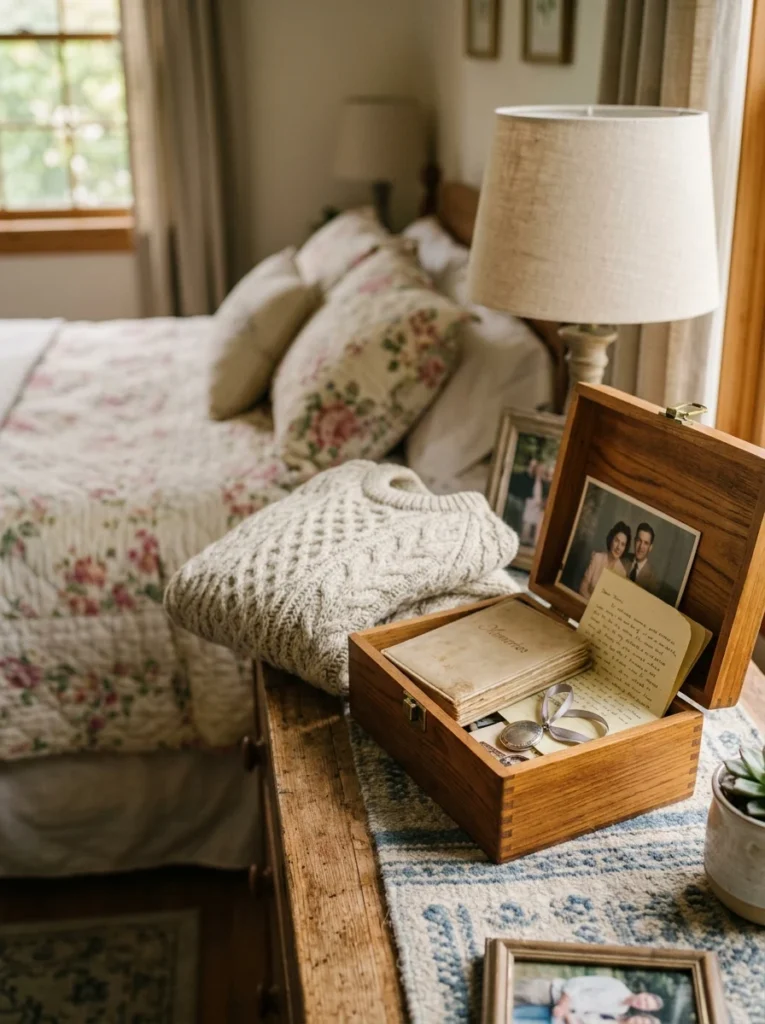
Some unworn items carry emotional weight beyond simple practicality, a piece from a former body size, an item connected to a specific memory or relationship, clothing that represents an aspirational version of yourself you haven’t quite become. Recognizing when an item falls into this emotional category, rather than a purely practical wardrobe gap, helps you make a more honest decision about whether you’re keeping it for genuine sentimental reasons worth honoring separately, or simply using sentiment as an excuse to avoid an otherwise straightforward decluttering decision.
Reorganize what remains after applying the rule
Once you’ve identified and removed items that failed the one-year test, reorganizing what remains, arranging by category, color, or frequency of use, takes advantage of the newly created space and makes the smaller, more curated wardrobe considerably easier to actually see and use day to day. A closet with less volume but poor organization still doesn’t deliver the full benefit this kind of decluttering is meant to provide.
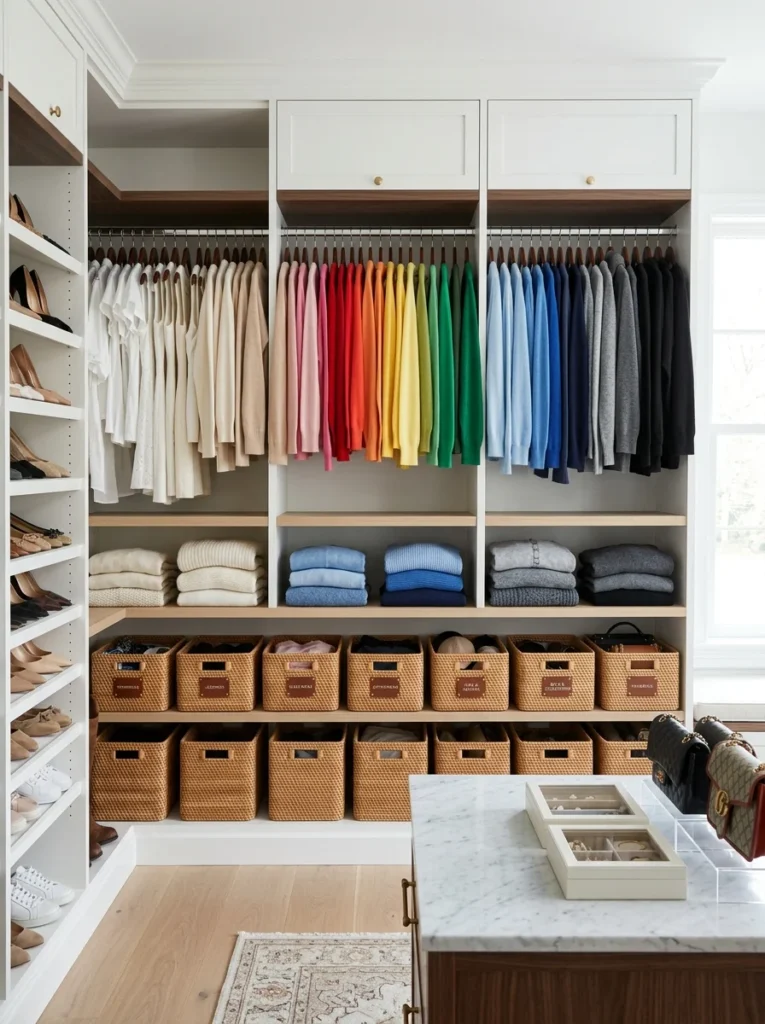
Use the freed-up space intentionally rather than immediately refilling it
After a successful one-year rule declutter, resist the temptation to immediately fill the newly available closet space with new purchases, which would simply restart the same accumulation cycle without giving yourself any time to actually experience and appreciate the benefit of a more manageable wardrobe. Allowing the space to remain genuinely open for a while helps reinforce the value of the decluttering work you just completed.
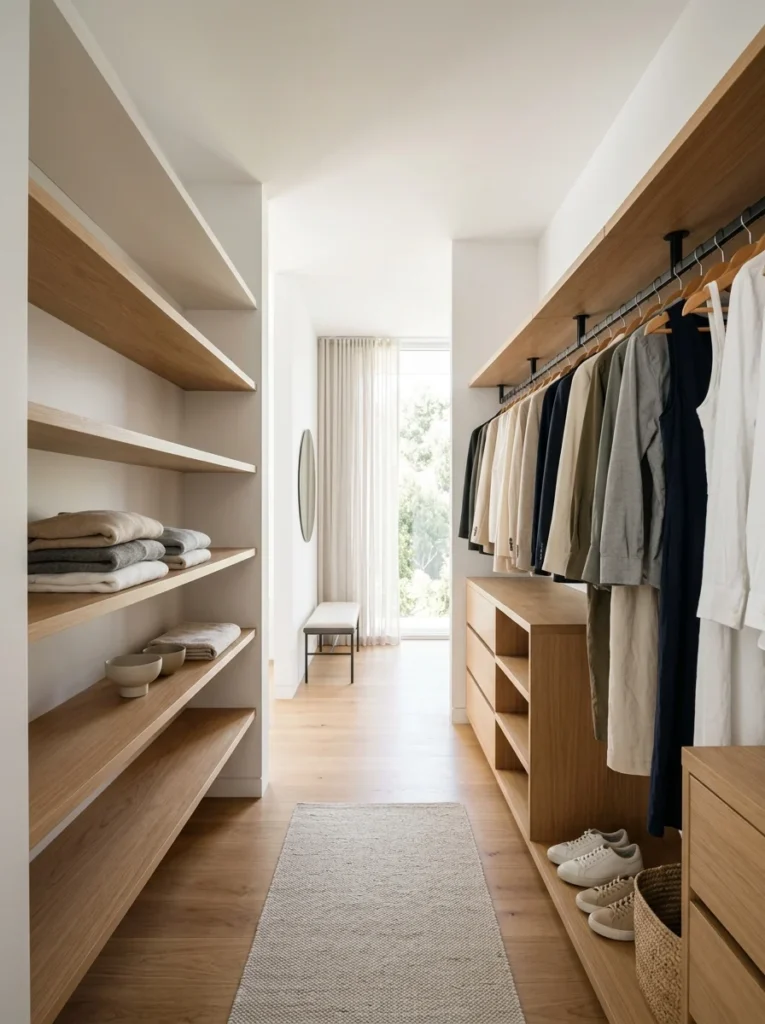
Apply the same rule thoughtfully to children’s and family members’ closets
The one-year rule can extend to other family members’ wardrobes too, though for growing children specifically, it needs some adjustment since clothing may go unworn not due to genuine style mismatch but simply because a child has grown out of a size within that year regardless of how much they liked wearing it. Adapting the core logic, honest evidence over hopeful assumptions, while accounting for this genuine difference, keeps the principle useful even outside your own personal closet.
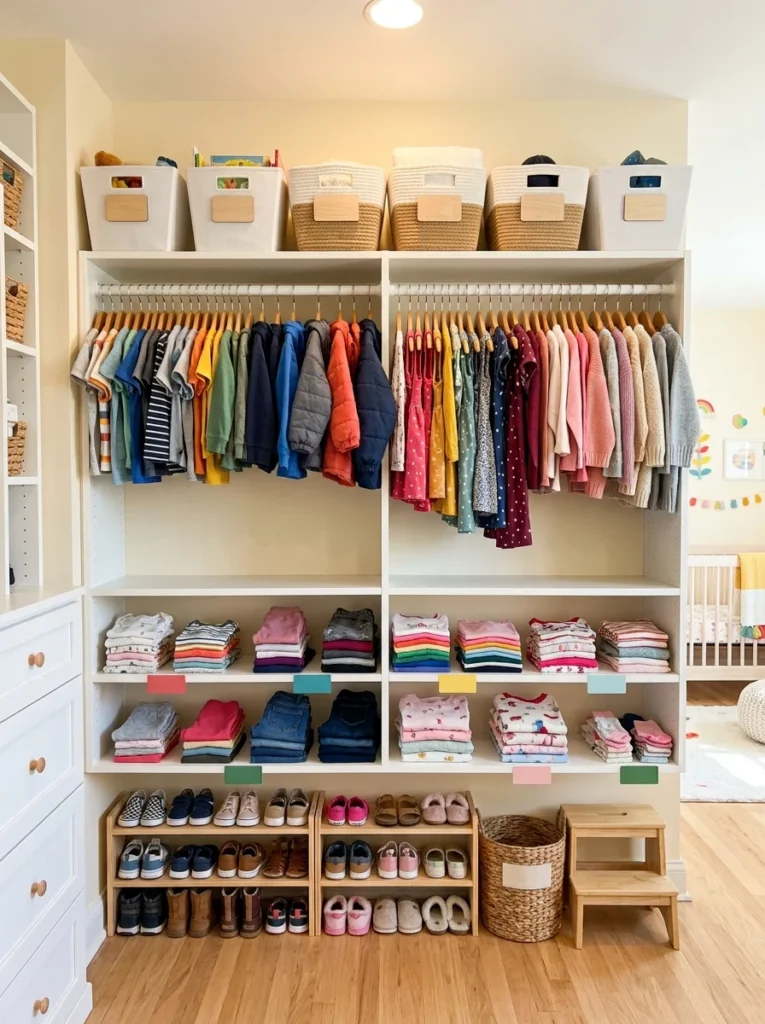
What counts as a genuine exception to the one-year rule?
Formal wear used only for occasional significant events, genuinely rare seasonal specialty items, and maternity or size-transition clothing kept deliberately during an anticipated change are commonly considered legitimate exceptions, though these should be identified honestly rather than used as a loophole to justify keeping everything.
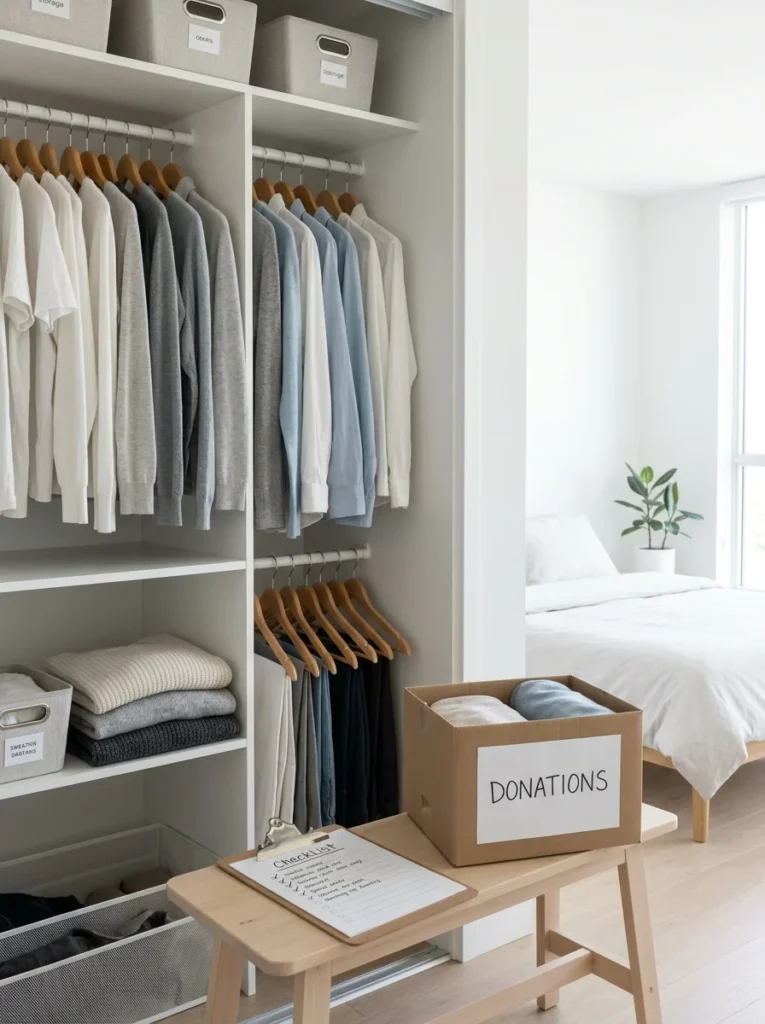
Does the one-year rule apply to shoes and accessories too?
Yes, the same wear-based evaluation applies effectively to shoes, bags, and accessories, categories that often accumulate significant unworn volume but get overlooked when a closet declutter focuses mainly on hanging clothes.
Should I keep expensive items even if I haven’t worn them in over a year?
The item’s cost doesn’t change the honest evidence that it isn’t serving you in daily life if a full year has passed without wear. Considering donation or resale, rather than continuing to store an unworn expensive item indefinitely, is often a more practical approach.
How often should I reapply the one-year rule?
Reapplying the rule on a regular basis, roughly annually, rather than treating it as a one-time event, keeps a closet consistently aligned with what you’re genuinely wearing as your wardrobe and style continue to evolve over time.
What if I feel emotionally attached to an item I haven’t worn in a year?
Recognizing when an item is being kept for genuine emotional or sentimental reasons, rather than practical wardrobe use, helps you make a more honest decision, either honoring that sentiment separately in a dedicated keepsake space or acknowledging that sentiment is simply being used as an excuse to avoid an otherwise clear decluttering choice.
Should I immediately buy new clothes to fill the space after decluttering?
It’s generally better to resist immediately refilling newly freed closet space, since doing so simply restarts the same accumulation cycle. Allowing the space to remain open for a while helps reinforce the benefit of a more manageable, curated wardrobe.
Does the one-year rule work for children’s clothing too?
It can, with some adjustment, since a child’s clothing may go unworn simply because they’ve outgrown a size within that year rather than due to genuine style mismatch, so accounting for growth is important when applying this same honest-evidence principle to a child’s wardrobe.
The one-year rule works because it replaces vague, hopeful justifications, this might be useful someday, with concrete, honest evidence about actual wear patterns over a genuinely representative period of time. This clarity makes closet decluttering considerably more decisive and effective than criteria based purely on liking an item or imagining a future use for it.
My own closet, once full of hypothetical future outfits and expensive items I kept out of sunk-cost guilt, now holds mostly what I’ve actually confirmed I reach for regularly, a genuinely smaller wardrobe that somehow still covers every occasion I actually encounter. If your own closet is full of similar hopeful justifications, try turning your hangers backward today and letting a full year of honest evidence, rather than good intentions, guide your next declutter.