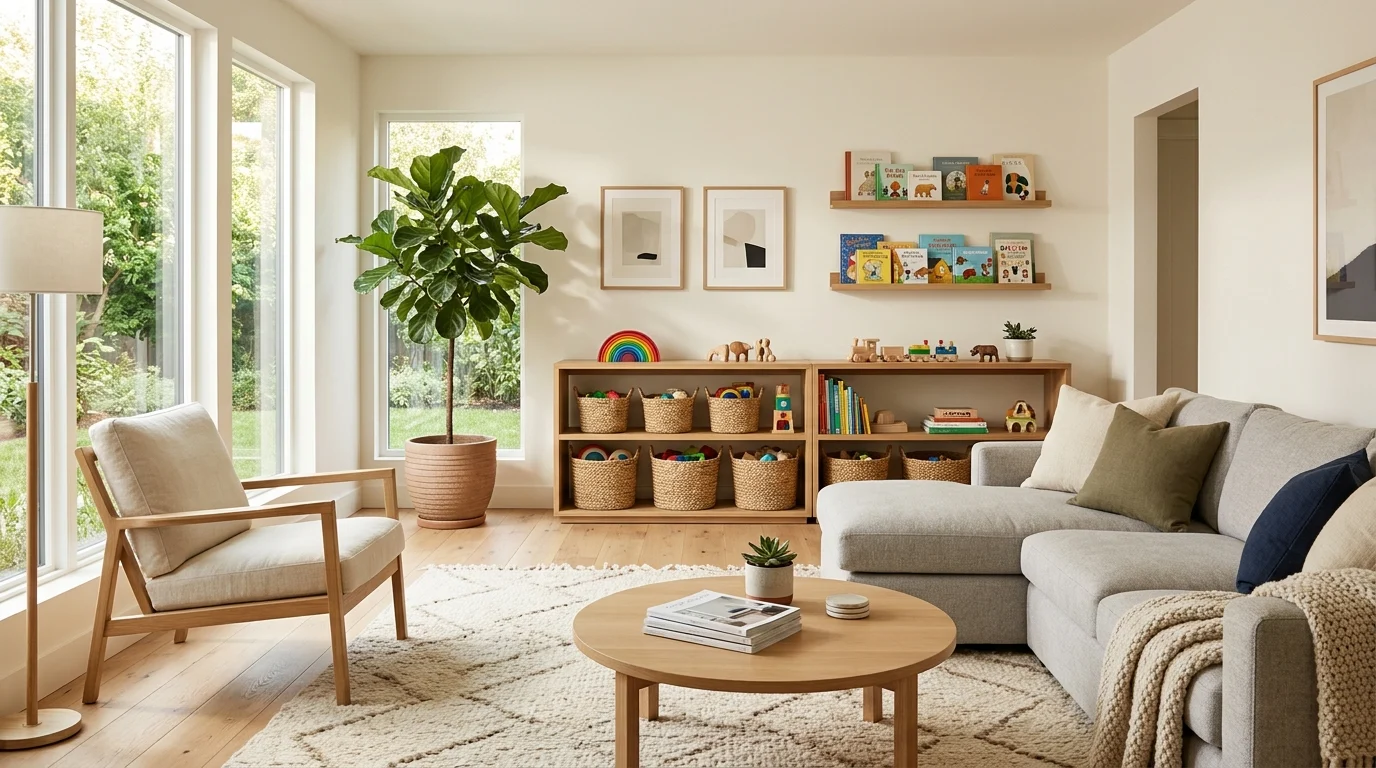
Before we had children, minimalism seemed genuinely achievable, a few well-chosen possessions, clean surfaces, a home that felt calm and intentional. Then our first child arrived, followed a couple of years later by our second, and the sheer volume of gear, toys, and clothing that came with them made minimalism feel like an impossible fantasy from our previous life. It took a while to realize that minimalism with kids doesn’t mean owning almost nothing; it means being genuinely intentional about what you keep and how you manage the inevitable, real volume of stuff that comes with raising children, rather than abandoning the whole philosophy the moment kids entered the picture.
Minimalist living with children looks different from minimalism without them, and that’s a realistic adjustment rather than a failure of the philosophy itself. Here’s how to actually apply these principles in a household with kids.
Redefine minimalism as intentionality, not scarcity
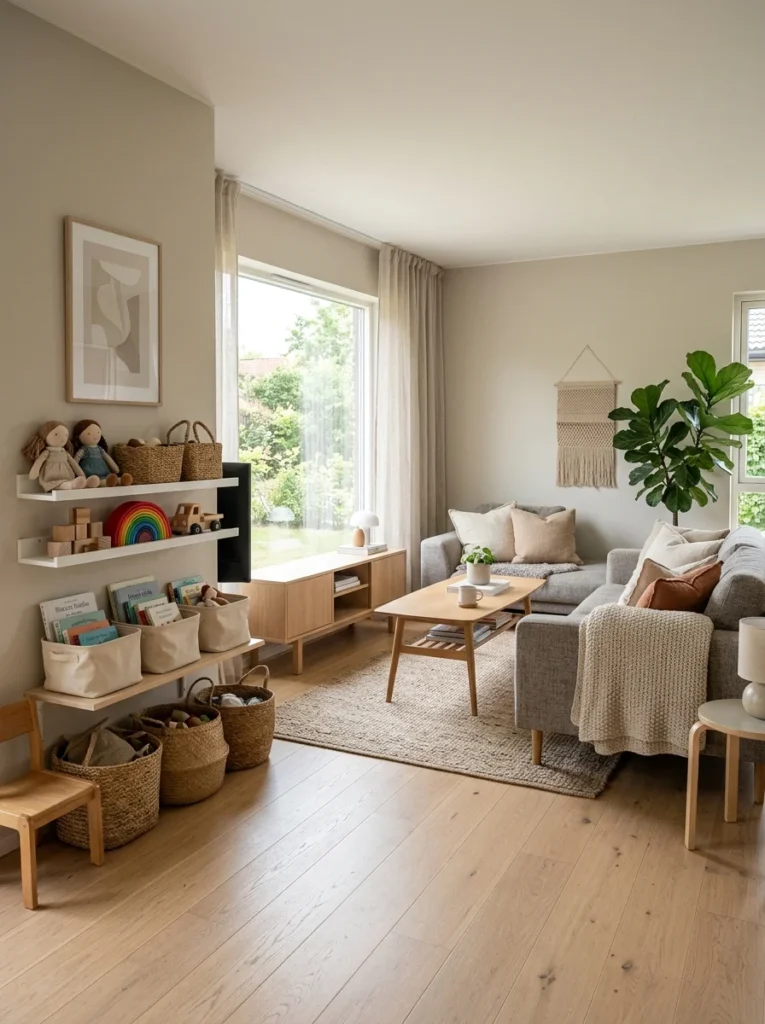
For a family with children, minimalism works better as a philosophy of intentional ownership, keeping what genuinely serves your family and letting go of what doesn’t, rather than an arbitrary numbers game or a strict scarcity mindset that doesn’t account for children’s genuine developmental needs for toys, books, and creative materials. This reframe makes the philosophy considerably more sustainable and realistic for a household that can’t simply own almost nothing the way a single adult living alone might manage.
Establish a toy rotation system rather than keeping everything accessible
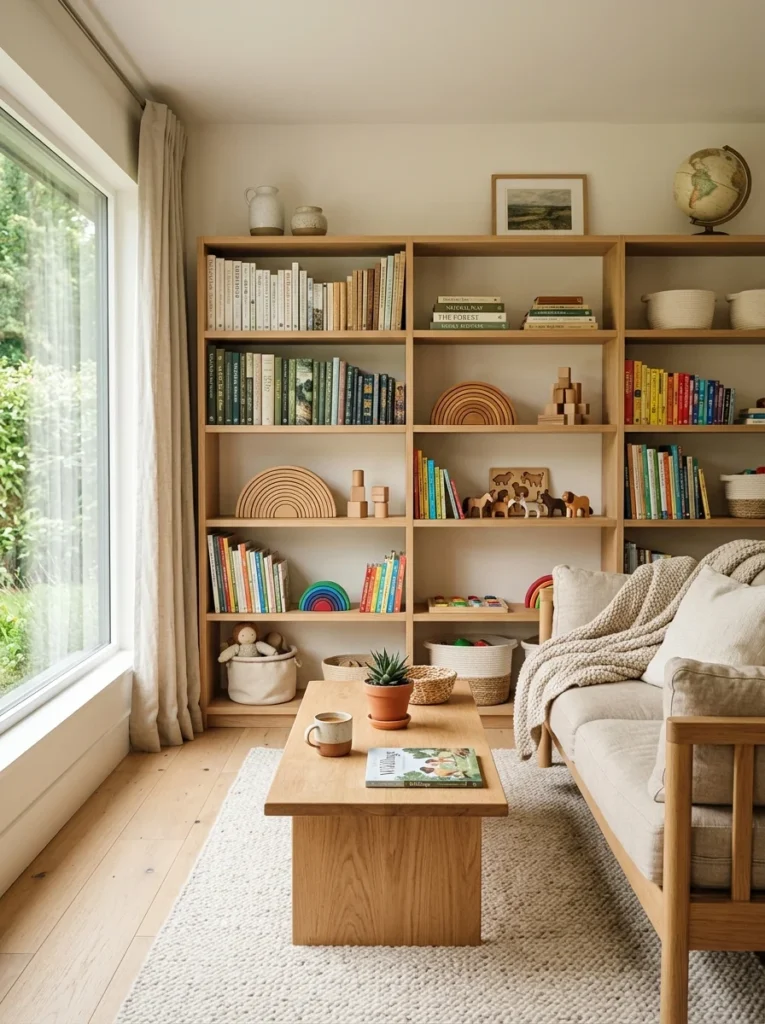
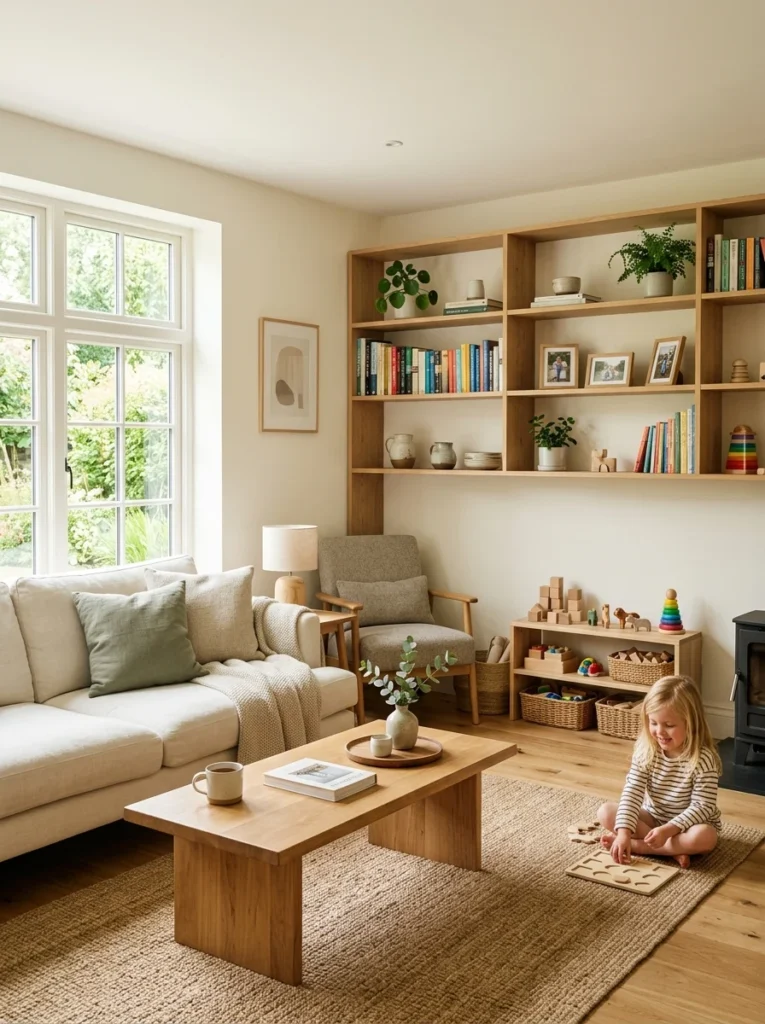
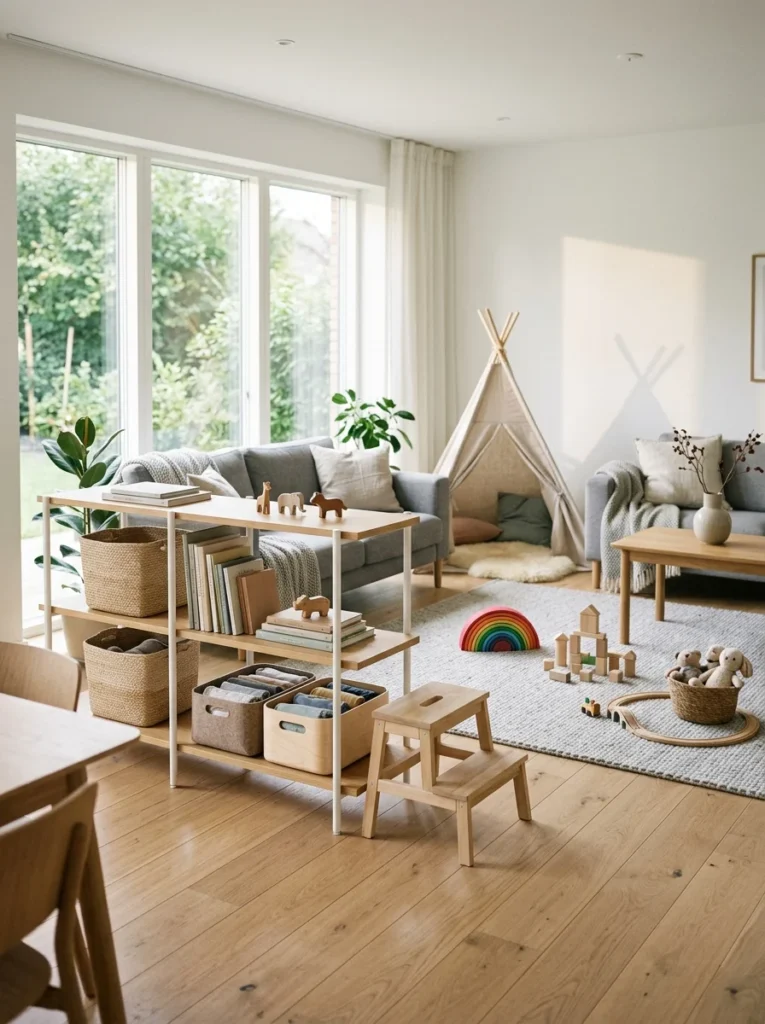
Keeping a smaller, curated selection of toys accessible at any given time, with the remainder stored elsewhere and rotated in periodically, achieves much of minimalism’s core benefit, a calmer, less visually cluttered environment, without requiring you to actually own dramatically fewer toys overall. Children often engage more deeply with a smaller, rotating selection than an overwhelming volume of simultaneously available options anyway, which means this approach can genuinely benefit their play in addition to your home’s tidiness.
Involve children in age-appropriate decluttering decisions
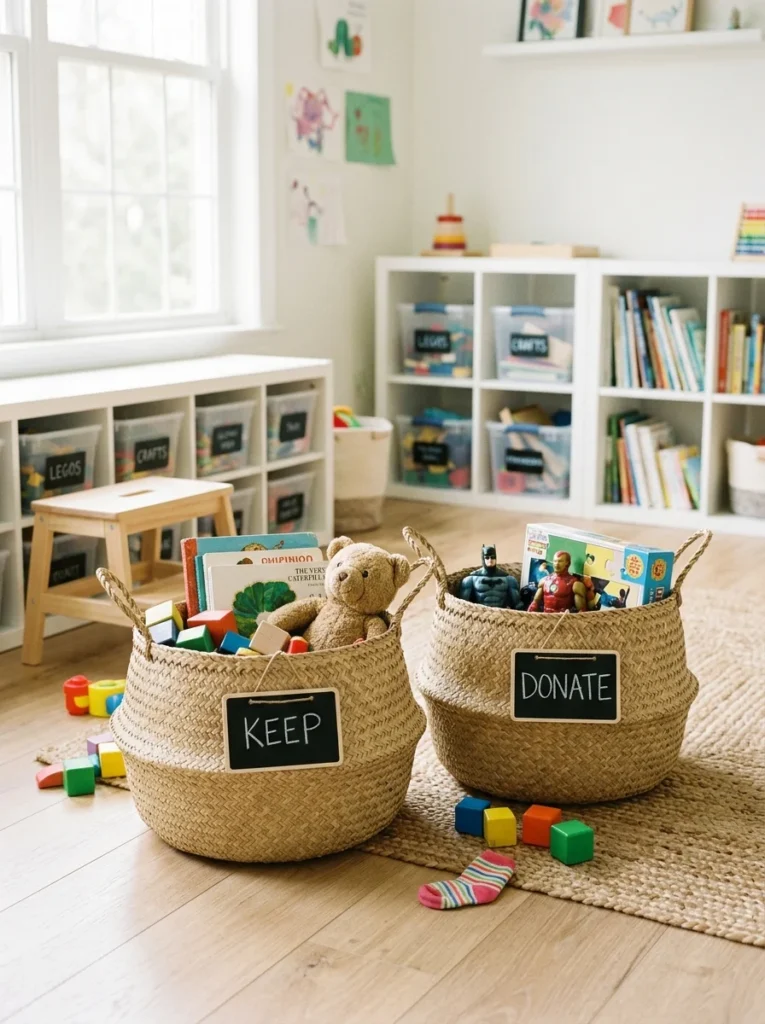
As children grow old enough to participate, involving them in decisions about their own toys and belongings, which they’ve outgrown, which they’d like to pass along to another child, builds their own sense of intentional ownership and helps them develop this skill themselves, rather than minimalism being something done entirely to them without their input or understanding.
Set clear boundaries around gift-giving from extended family
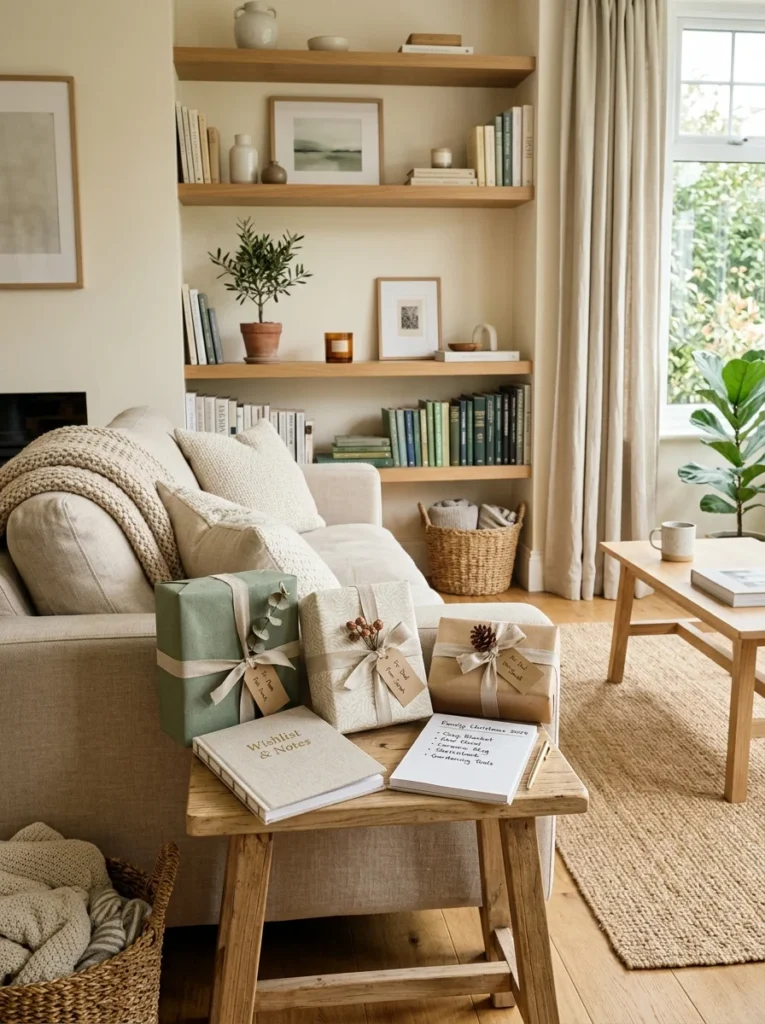
Well-meaning grandparents and relatives are often a significant source of the toy volume that can overwhelm a family’s space, and having a direct, kind conversation about specific preferences, fewer, more meaningful gifts, experiences rather than physical items, or a general request to check with you before larger purchases, can meaningfully reduce this particular source of accumulation without requiring any awkwardness around outright refusing generous gifts.
Choose quality, versatile items over quantity in children’s wardrobes
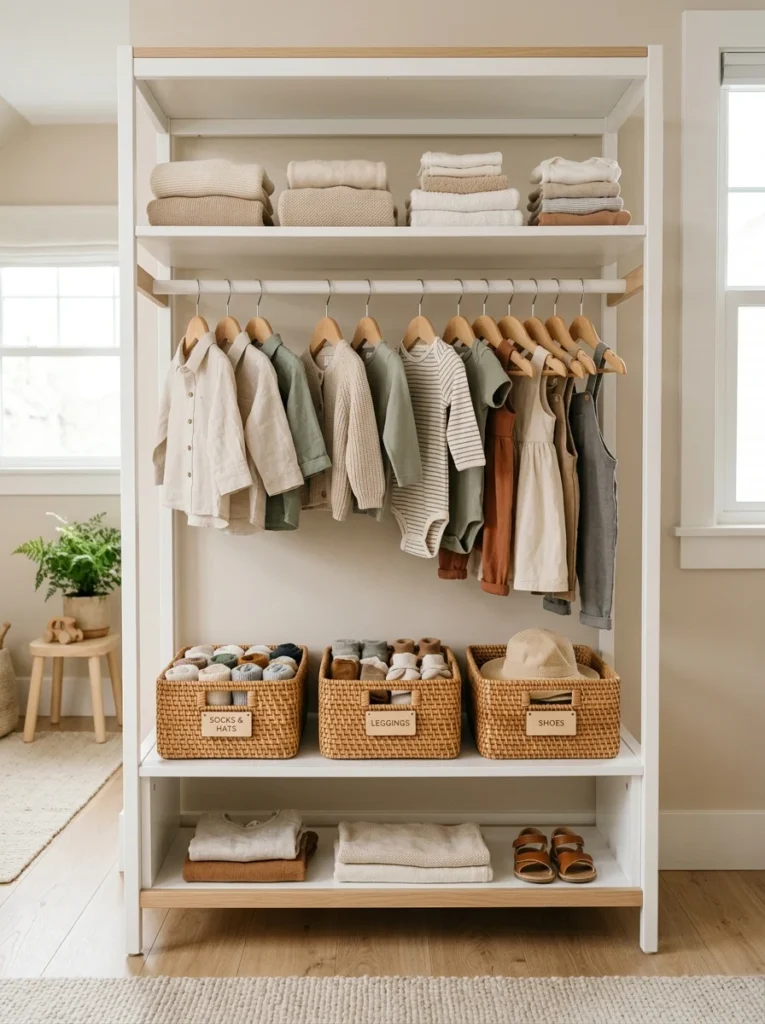
A smaller, well-chosen wardrobe of versatile, mix-and-match pieces in a child’s current size reduces laundry frequency requirements less than people expect, but does meaningfully reduce the storage and decision fatigue involved in managing a child’s clothing, especially given how quickly children grow through sizes and how much clothing consequently churns through a household over time regardless of the initial quantity purchased.
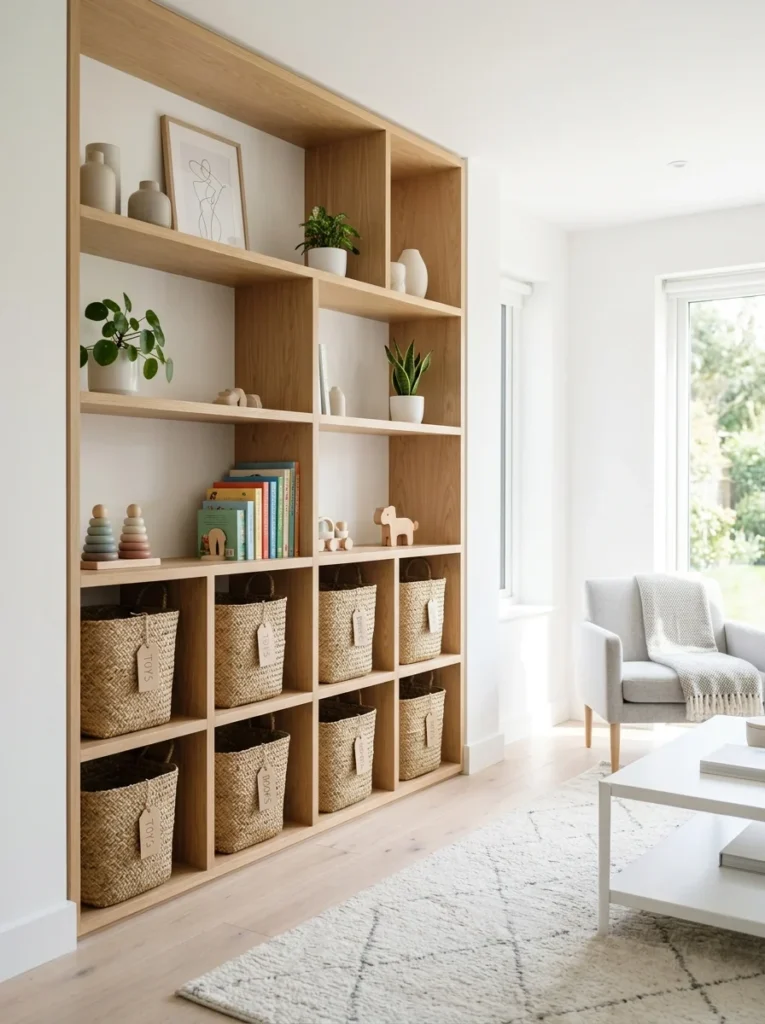
Create designated, limited storage spaces for children’s belongings
Similar to the household storage boundary principle useful in sentimental decluttering, establishing a specific, reasonably sized storage space for each child’s toys and belongings, rather than allowing unlimited accumulation, creates a natural point where new items require reconsidering what’s already there, which helps manage volume without requiring constant, effortful decision-making about every individual item.
Prioritize experiences and activities over accumulating more physical items
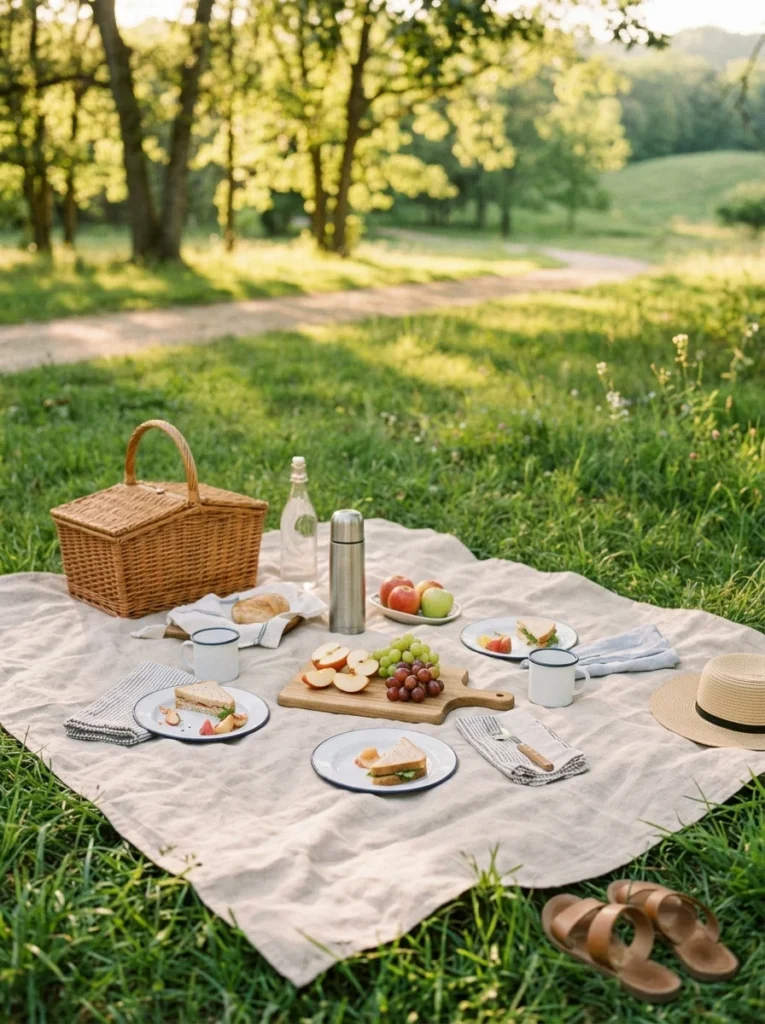
Shifting some of a family’s discretionary spending and celebratory occasions toward experiences, a trip, a class, a special outing, rather than exclusively physical gifts, reduces the ongoing accumulation of items while often creating more lasting memories and family connection than an equivalent amount spent on toys or belongings that will eventually be outgrown or forgotten.
Simplify children’s activities and commitments alongside physical belongings
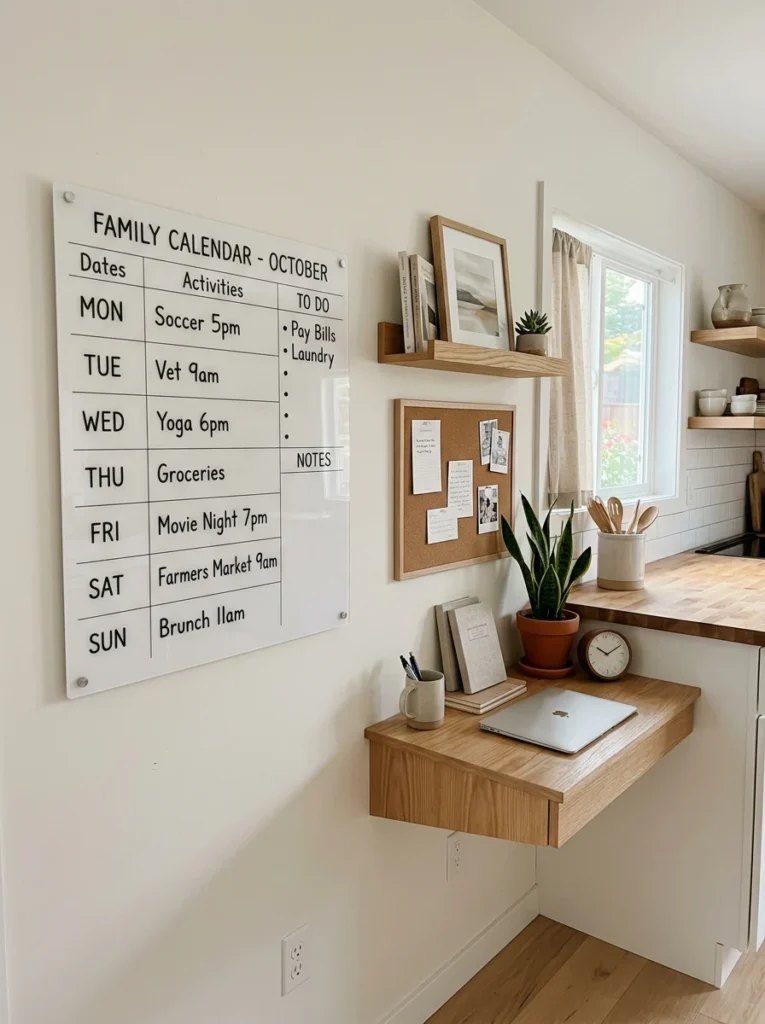
Minimalist principles can extend beyond physical possessions into a family’s schedule and commitments; being genuinely selective about how many activities, classes, and commitments each child is involved in, rather than filling every available time slot, applies the same intentionality principle to time and energy that physical minimalism applies to belongings.
Accept that certain stages will temporarily require more stuff
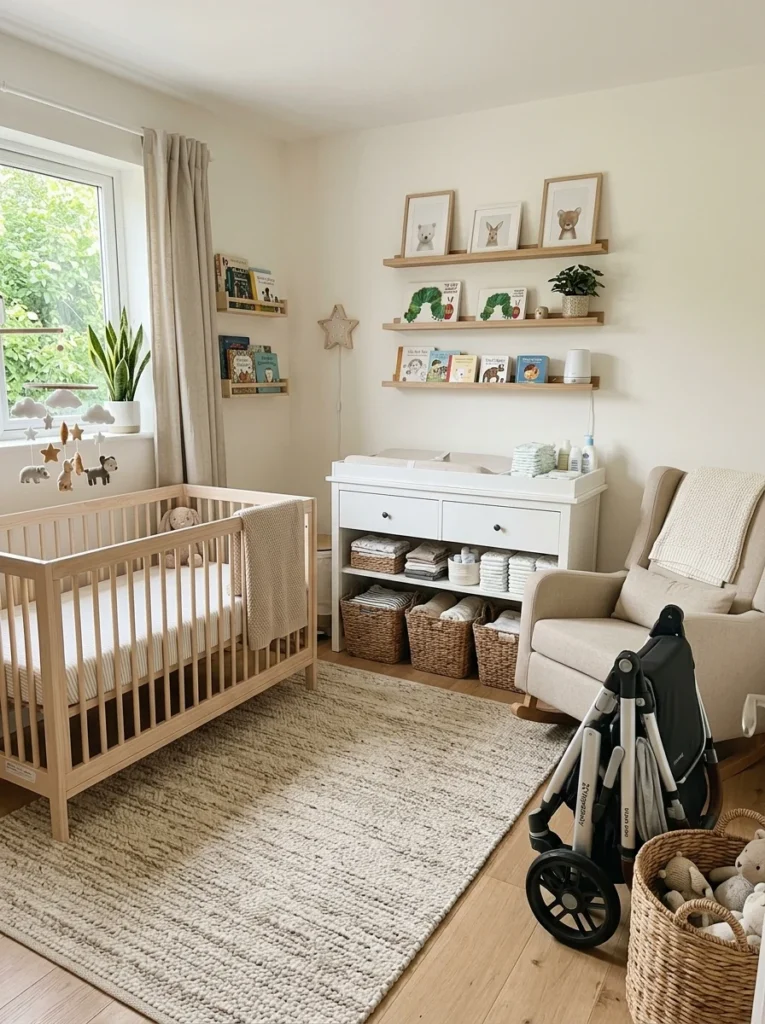
Certain developmental stages, a newborn’s gear, a toddler’s exploratory phase requiring specific safety equipment, genuinely require more physical items than minimalism’s ideal might suggest, and accepting this as a temporary, developmentally appropriate reality rather than a personal failure of the minimalist philosophy helps maintain a sustainable, realistic relationship with these principles rather than an all-or-nothing standard that inevitably feels like constant failure during these particular phases.
Build in regular family decluttering sessions as children grow
Since children’s needs, interests, and physical sizes change constantly, scheduling regular, perhaps seasonal, decluttering sessions specifically for children’s belongings, rather than a one-time initial sort, keeps pace with this ongoing change far better than an occasional, reactive cleanup only prompted once things have become genuinely overwhelming.
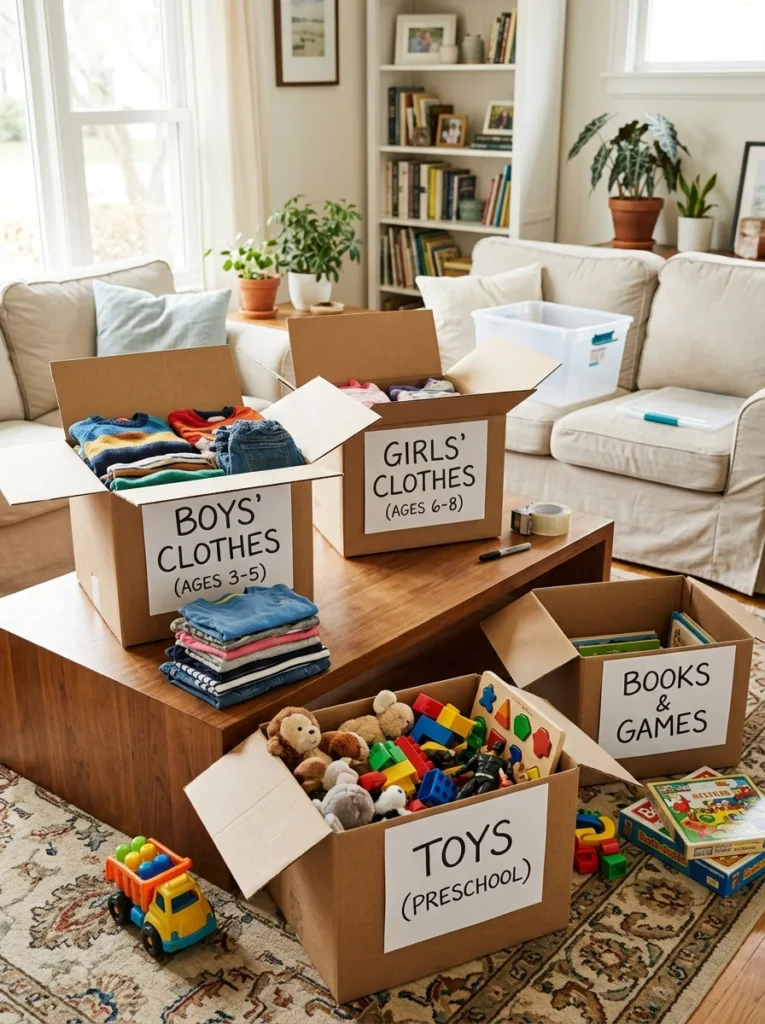
Model the behavior you want your children to eventually adopt
Children tend to absorb attitudes toward possessions and consumption from watching the adults around them more than from direct instruction alone, so demonstrating your own intentional relationship with belongings, your own decluttering habits, your own thoughtful purchasing decisions, tends to influence children’s own eventual habits more effectively than simply telling them to be less attached to their toys.
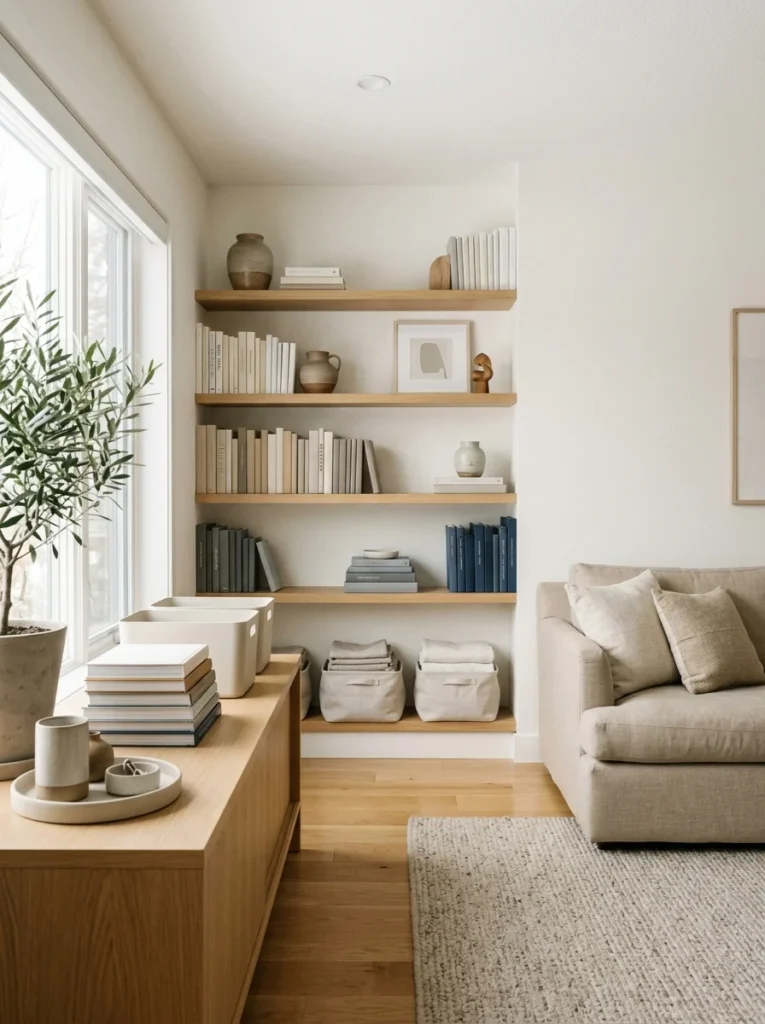
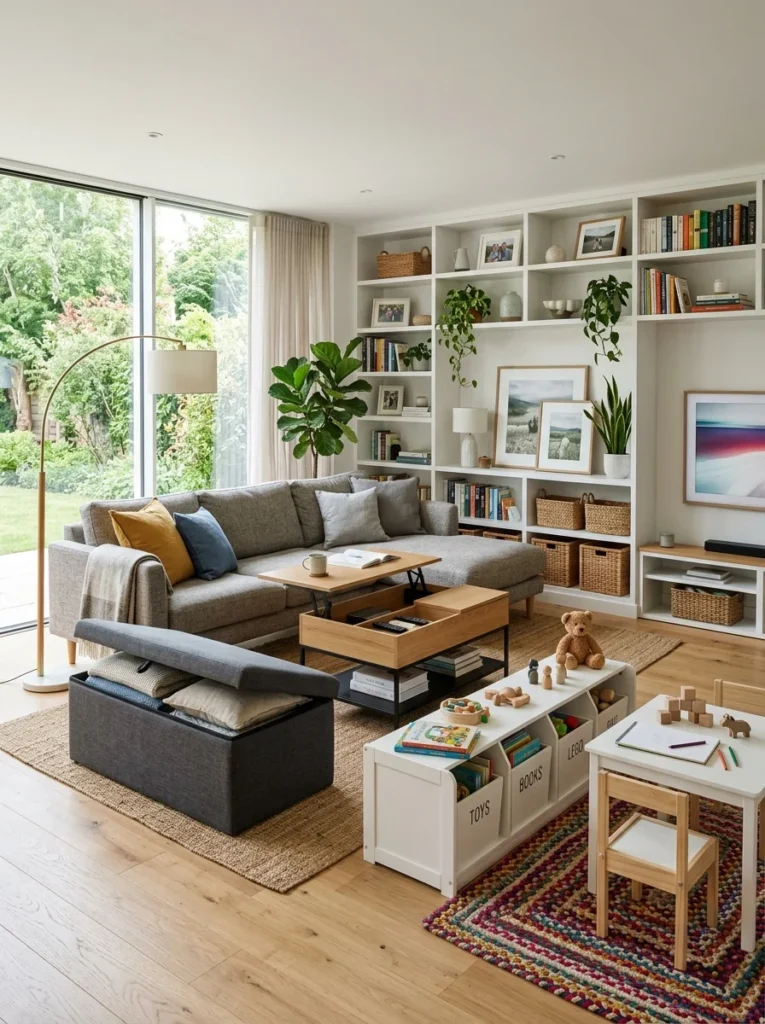
Choose multi-purpose furniture and shared spaces where practical
Furniture that serves more than one function, a storage ottoman that doubles as extra seating, a bed with built-in drawers, or shared play spaces rather than dedicating an entire separate room to every possible activity, reduces the total volume of furniture and dedicated space a family needs, applying minimalist principles to the home’s physical layout and furnishings in addition to smaller individual possessions.
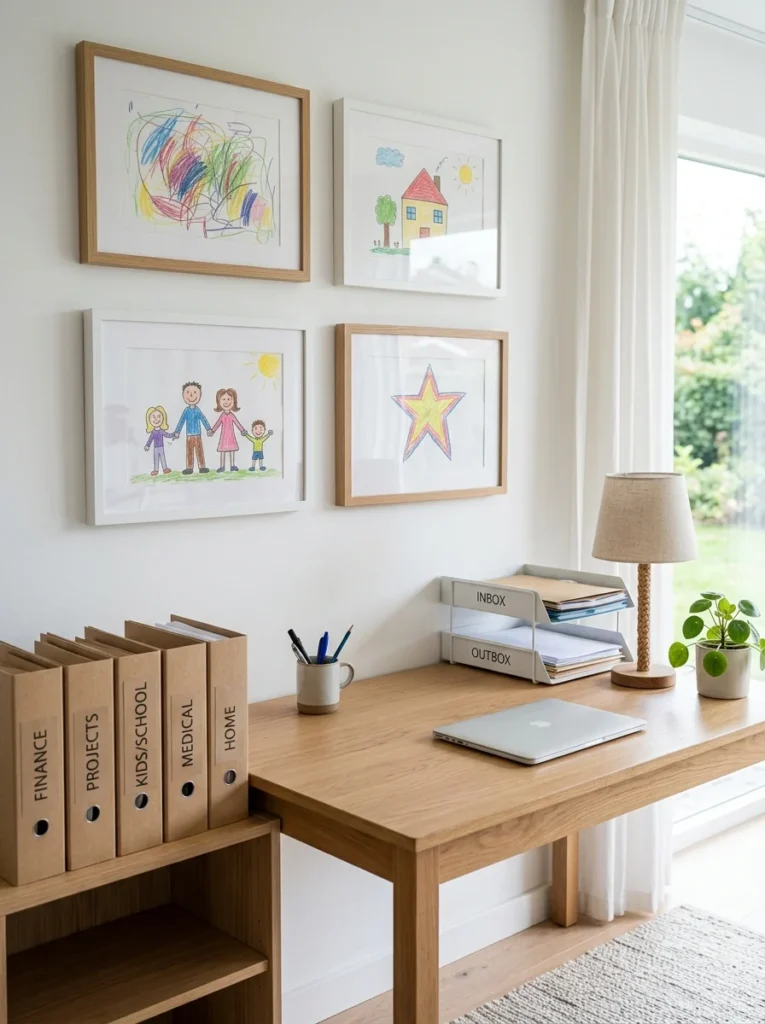
Create a system for managing the constant flow of school papers and artwork
School-aged children generate a genuinely constant stream of artwork, worksheets, and school papers, and without a specific system for managing this flow, designating a small bin for current items, photographing artwork before recycling the physical piece, selecting a few genuinely favorite pieces to keep long-term, this particular category can quietly become one of the most persistent sources of accumulating clutter in a family home, separate from toys or clothing entirely.
Be selective about which activities require dedicated equipment and gear
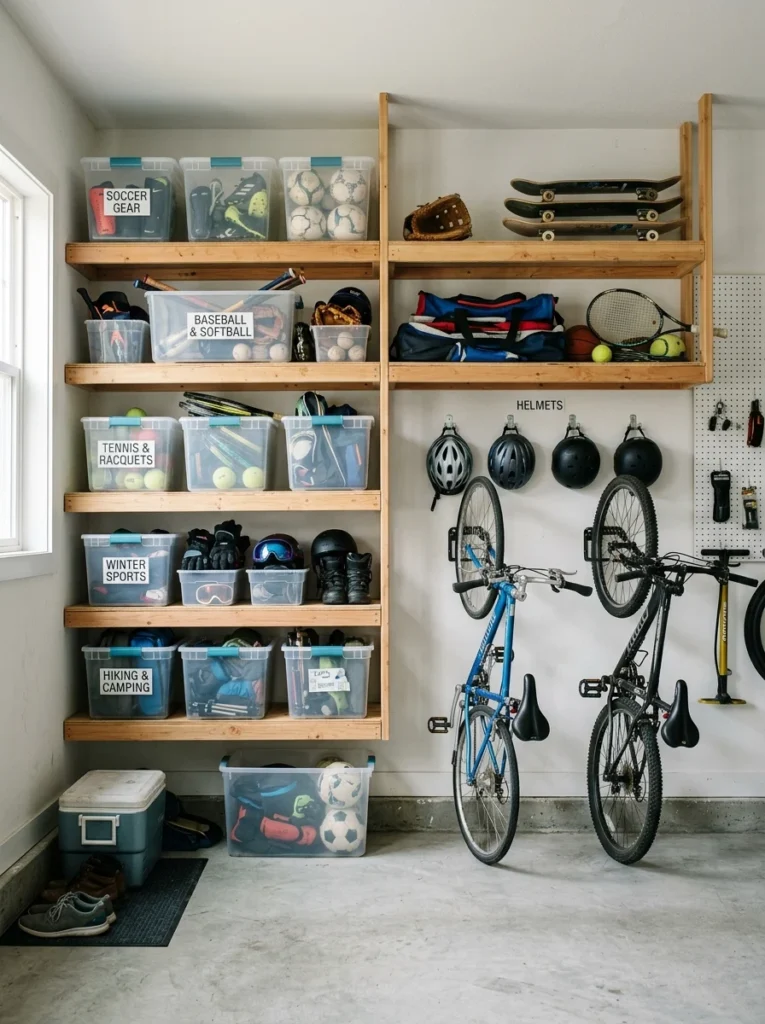
Before committing to a new activity or sport that requires purchasing specific gear, considering whether the interest is likely to be sustained, and where possible, borrowing, renting, or buying secondhand equipment initially rather than purchasing everything new for a potentially short-lived interest, prevents accumulating expensive, specialized gear for hobbies that don’t end up sticking long-term.
Establish simple rules for what enters the home in the first place
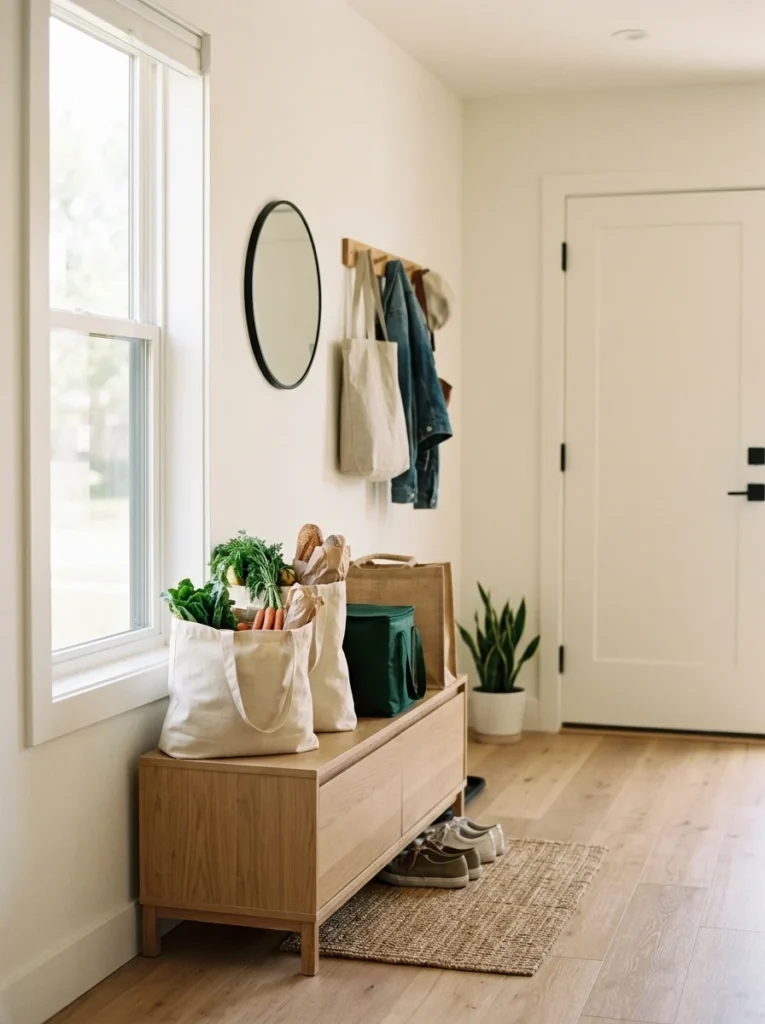
Beyond decluttering what’s already accumulated, establishing simple household rules about what comes into the home going forward, a general skepticism toward party favor bags and low-value giveaway items, a habit of pausing before impulse purchases for the kids, addresses accumulation at its actual source rather than only managing it after the fact through repeated decluttering sessions.
Is minimalism realistic for a family with young children?
Yes, though it looks different than minimalism without kids; it works better as a philosophy of intentional ownership and management, toy rotation, designated storage limits, quality over quantity, rather than an arbitrary standard of owning almost nothing, which isn’t realistic given children’s genuine developmental needs.
How do I handle relatives who give too many gifts?
A direct, kind conversation about specific preferences, fewer but more meaningful gifts, experiences instead of physical items, or checking in before larger purchases, can meaningfully reduce this common source of accumulation without requiring outright refusal of generous gifts.
Should young children be involved in decluttering their own toys?
Yes, as children grow old enough to participate meaningfully, involving them in age-appropriate decisions about their own belongings builds their own sense of intentional ownership rather than minimalism being something done entirely without their understanding or input.
Does minimalism mean saying no to all new toys?
No, minimalism for families works better as ongoing intentional management, a toy rotation system, designated storage limits, regular decluttering sessions, rather than an outright refusal of new items, which isn’t realistic or necessary for meeting children’s genuine play and developmental needs.
How do I manage the endless school papers and artwork?
Designating a small bin for current items, photographing artwork before recycling the physical piece, and selecting only a few genuine favorites to keep long-term prevents this constant flow from becoming a persistent, separate source of household clutter.
Should I buy new equipment for every activity my child wants to try?
Not necessarily. Borrowing, renting, or buying secondhand equipment initially, especially for a new interest that may not be sustained long-term, helps avoid accumulating expensive, specialized gear for hobbies that don’t end up sticking.
Minimalist living with children comes down to intentionality rather than strict scarcity, toy rotation, designated storage boundaries, involving kids in age-appropriate decisions, and prioritizing experiences alongside physical belongings. This adapted approach delivers much of minimalism’s genuine benefit, a calmer, more manageable home, without requiring an unrealistic standard that doesn’t account for children’s actual needs.
Our own home never achieved the stark, sparse minimalism I once imagined before having kids, but it has achieved something more realistic and ultimately more valuable, a genuinely manageable volume of belongings, chosen and maintained with real intention rather than accumulated without any thought at all. If your own family’s relationship with minimalism feels like a constant failure against some idealized standard, consider redefining what the philosophy actually needs to look like for your specific household, rather than abandoning it entirely because it doesn’t match a vision that was never realistic with kids in the picture to begin with, one built for a life without the beautiful, genuine chaos children actually bring.