Choosing a sofa is one of the most significant design decisions you will make for your living room — and one of the most expensive to get wrong. The most common mistake is not about style or color but about size. A sofa that is too large dominates the room and blocks traffic flow. A sofa that is too small looks lost and makes the space feel unfinished. Getting the size right requires nothing more than a tape measure and a basic understanding of a few key rules.
Standard sofa dimensions you need to know
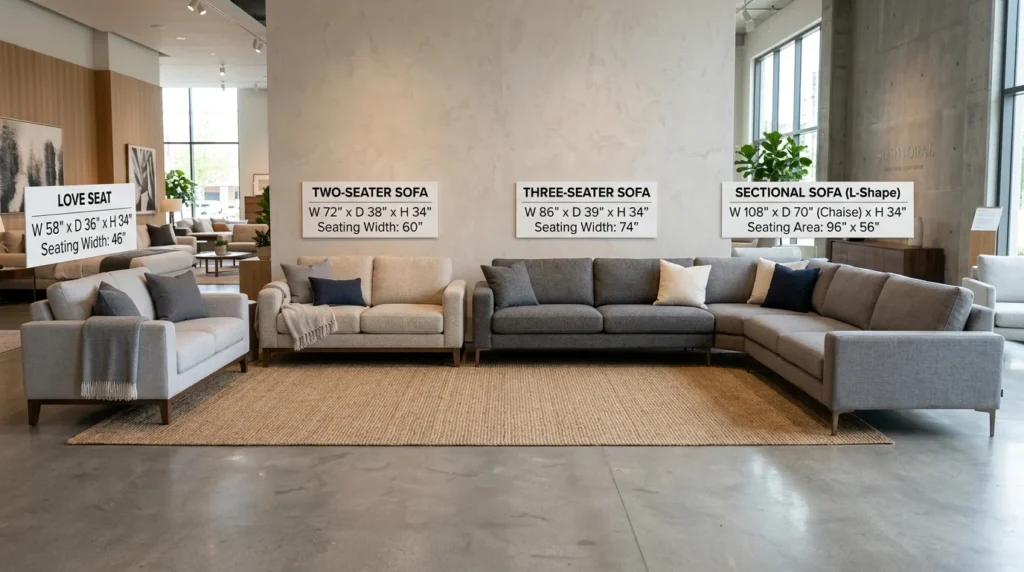
- Two-seater sofa: 55–72 inches wide, 30–36 inches deep, 29–36 inches tall
- Three-seater sofa: 72–90 inches wide, 30–36 inches deep, 29–36 inches tall
- Sectional (L-shaped): varies widely, but typically 100–130 inches on the long side
- Loveseat: 48–60 inches wide — suited for small rooms or as a secondary seating piece
- Sofa depth: this matters for comfort — deeper sofas (over 36 inches) feel more casual and loungy
The 2/3 rule: the most important sizing principle
A sofa should occupy roughly two-thirds of the wall it sits against. If a wall is 12 feet wide, the ideal sofa is approximately 8 feet (96 inches) long. This proportion keeps the sofa from looking oversized or undersized relative to the space. It is not a rigid rule but a useful starting point before measuring more precisely.

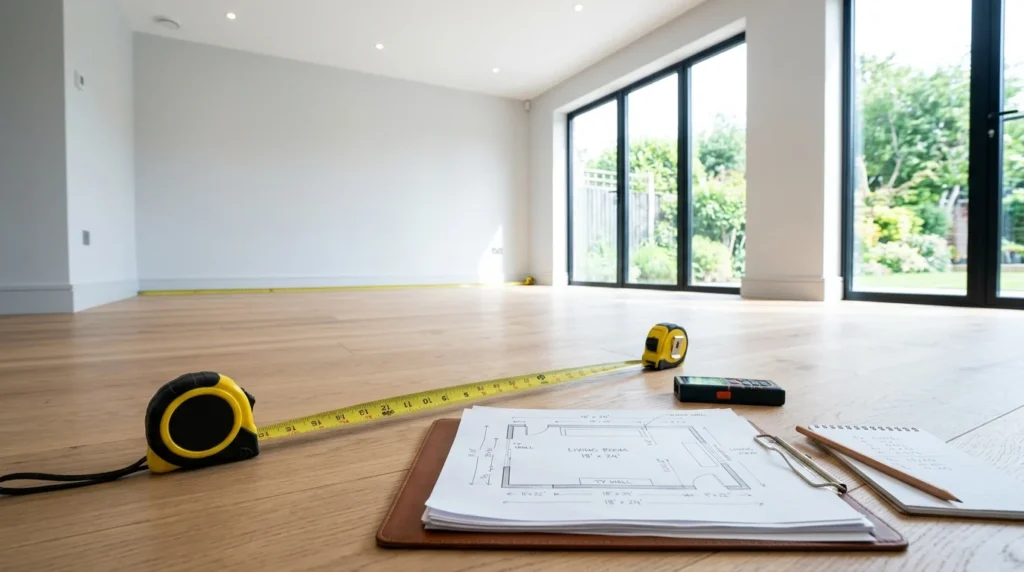
How to measure your living room before shopping
- Measure the total room dimensions: length and width
- Measure the wall the sofa will sit against, door to corner or corner to corner
- Measure the traffic path from the main entrance to adjacent rooms
- Measure the distance from the sofa wall to the coffee table position and opposite wall
- Note any architectural obstacles: vents, outlets, windows, radiators
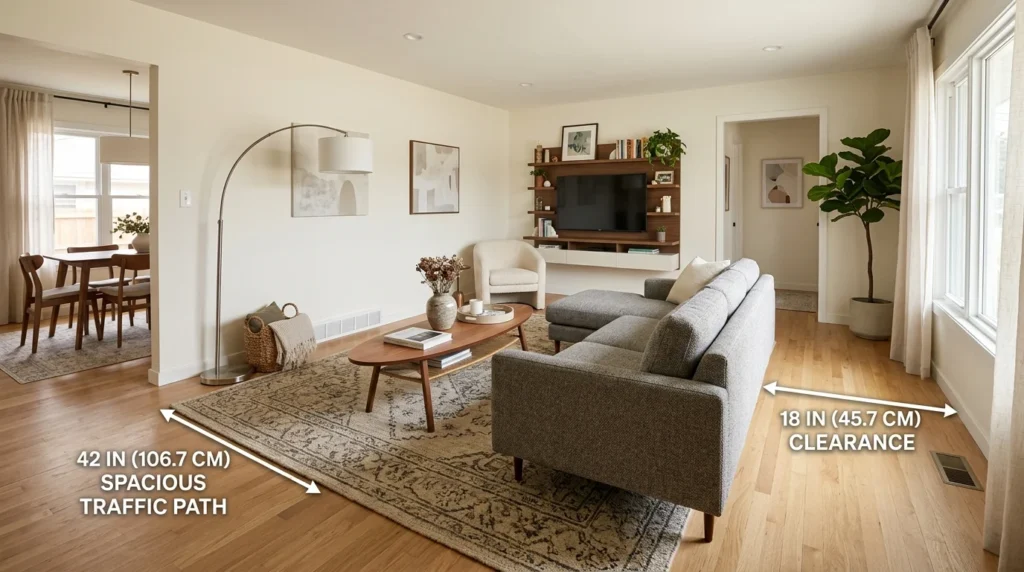
The 18-inch rule for traffic flow
Leave at least 18 inches between the edge of a sofa and any walkway or other furniture piece. This is the minimum comfortable distance for someone to walk past without feeling cramped. In high-traffic rooms, 24 to 30 inches is more comfortable. This measurement alone often determines the maximum sofa depth you can accommodate.
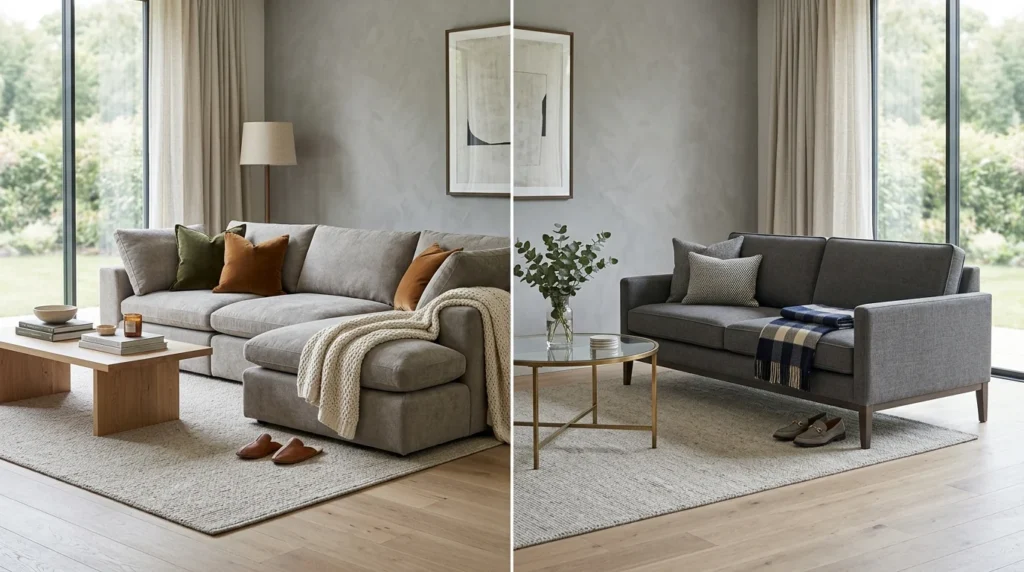
Sofa depth and its effect on comfort and space
Depth is just as important as width but far less frequently considered. A deep sofa (over 38 inches) feels luxurious for lounging but takes up significant floor space and can make shorter people feel like their feet do not reach the floor. A shallower sofa (around 32 inches) is more upright, better for conversation, and kinder to smaller rooms.
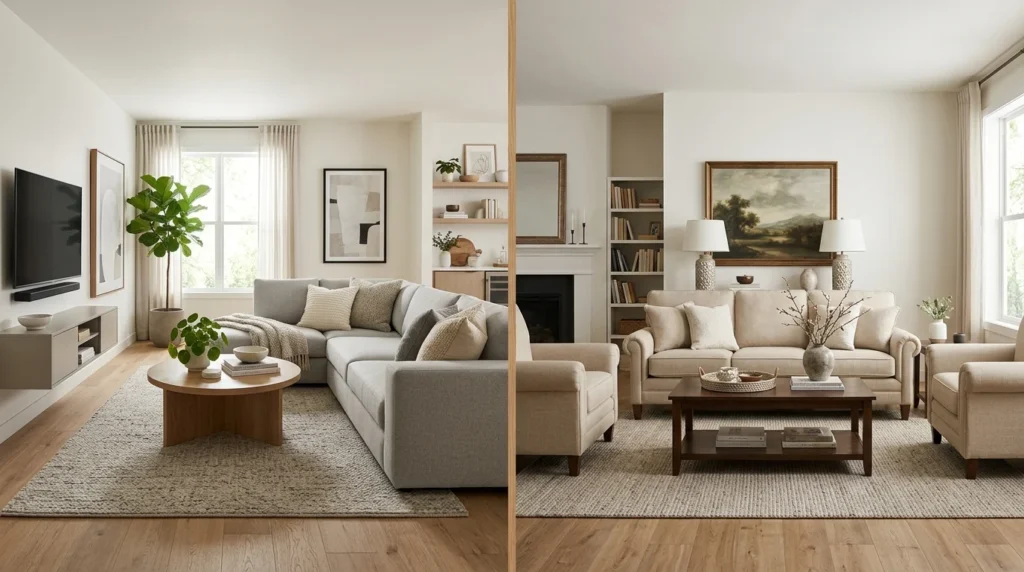
Choosing between a sectional and a standard sofa
- Sectionals work best in L-shaped rooms or open-plan spaces where they can define a zone
- Standard sofas are more versatile and easier to move or rearrange
- A sectional requires a minimum room size of around 12 by 14 feet to avoid overwhelming the space
- Consider whether you will ever need to move — sectionals are much harder to move through narrow corridors and doorways
How to test size before buying
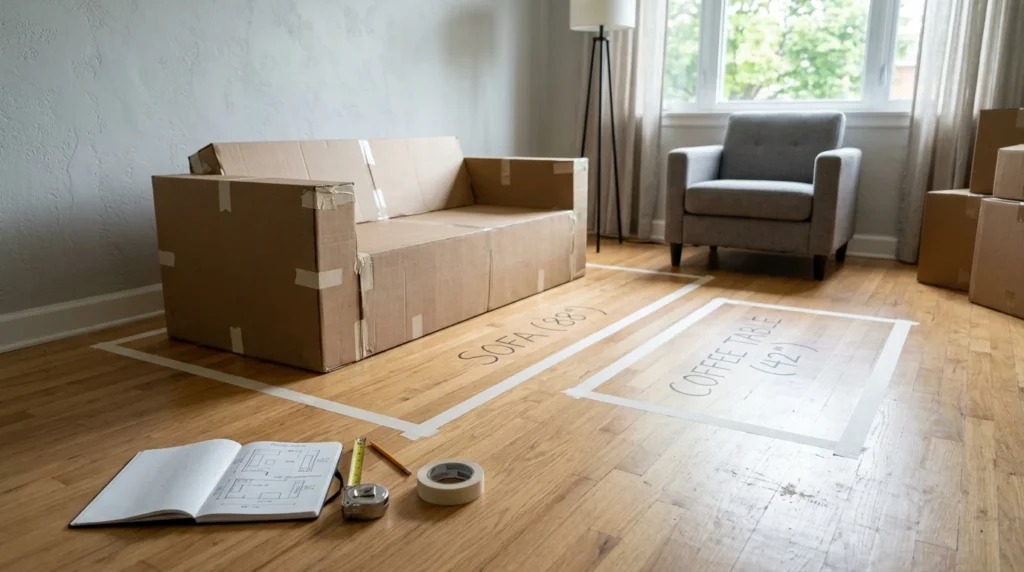
- Use masking tape on the floor to outline the sofa footprint
- Build a rough model with boxes or cardboard to visualize the height
- Photograph the taped outline from the main entry point of the room
- Sit in it at the store for at least five minutes — do not just stand and look